

Vintage Novelty Box
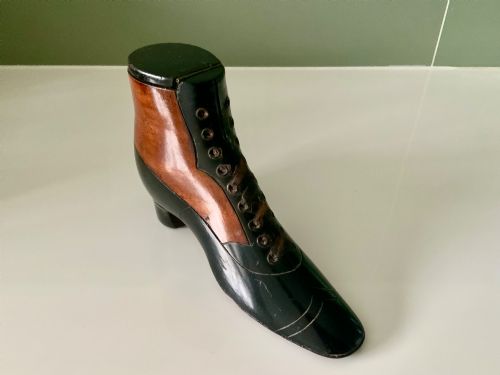
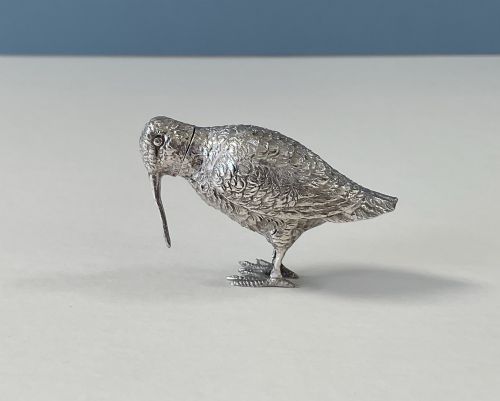
A vintage novelty box distills the wit and craftsmanship of past centuries into delightful, functional containers shaped as animals, boots, books, and pianos.
Vintage Novelty Box
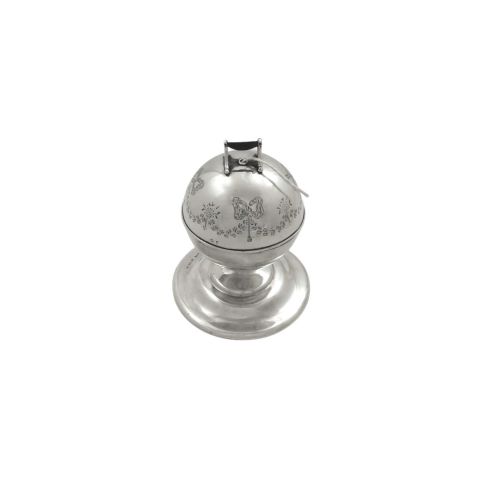
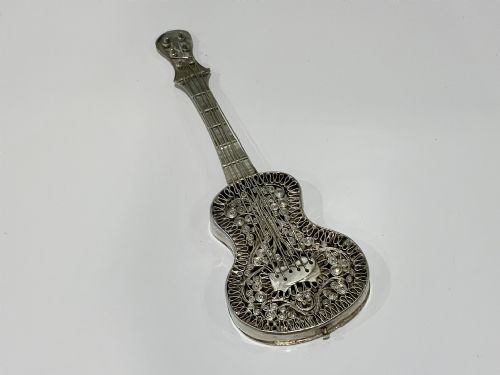
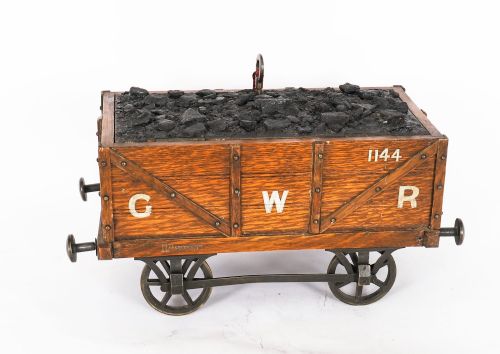
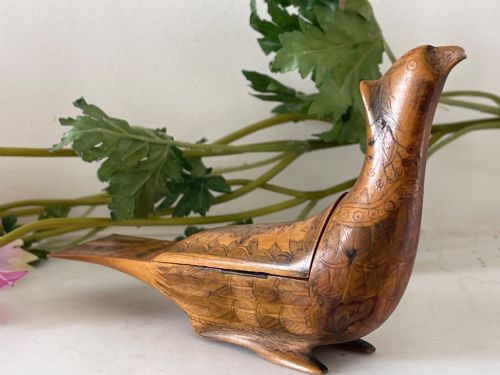
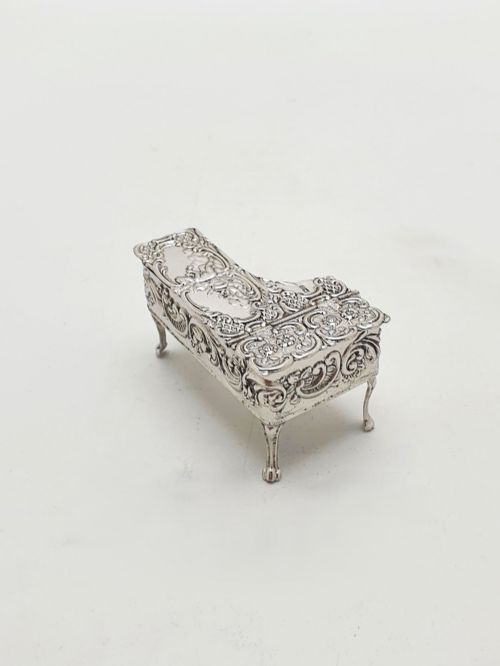
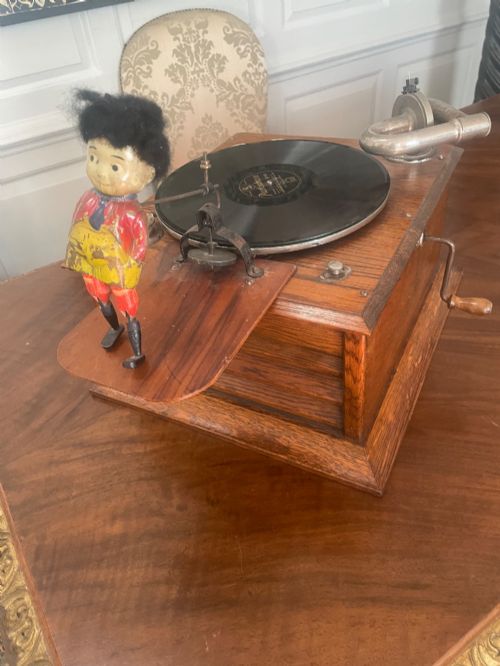
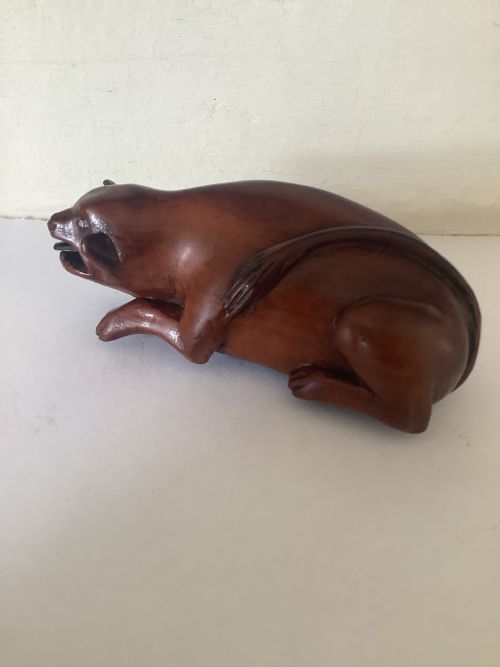
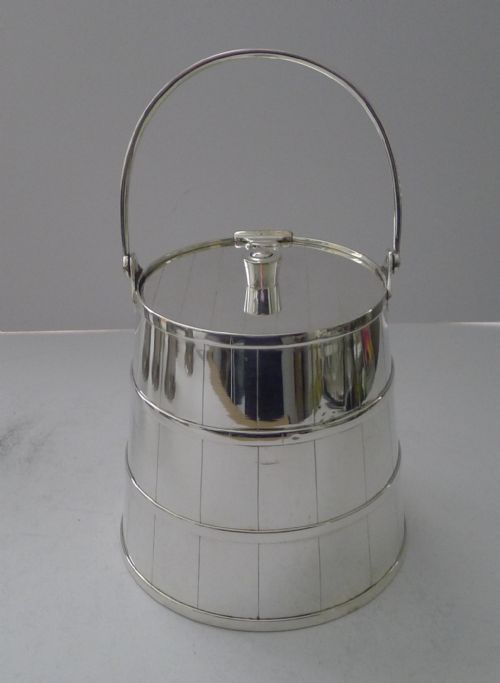
A vintage novelty box encompasses containers designed to resemble everyday objects, animals, or architectural forms, serving both practical storage and decorative display. The evidence reveals pieces taking the shape of grand pianos, gramophones, animals, books, and even items like railway coal wagons.
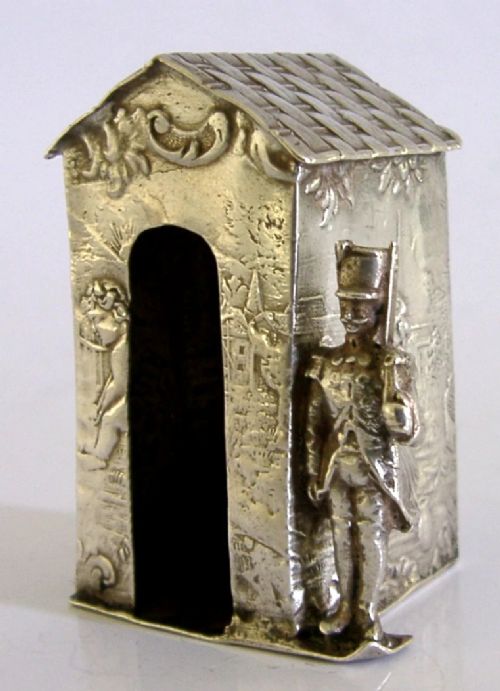
Most examples encountered on this page originate from the nineteenth century through the mid-twentieth century, spanning Victorian, Edwardian, and Art Deco periods. Buyers frequently meet smaller items such as silver pill boxes, pin cushions in animal forms, and wooden snuff boxes.
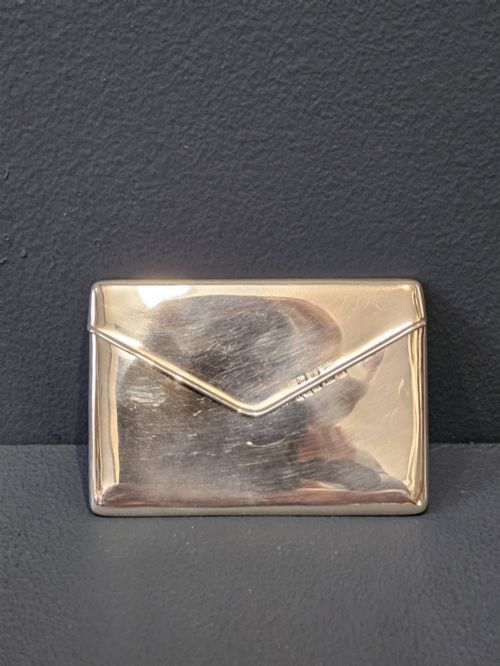
The utility of these objects varies according to their original purpose, ranging from holding postage stamps and visiting cards to storing biscuits, tobacco, or trinkets. Collectors appreciate the combination of whimsical design and period craftsmanship inherent in each piece.
How they were made
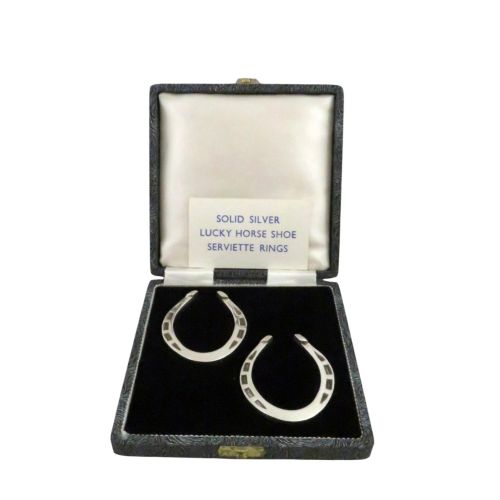
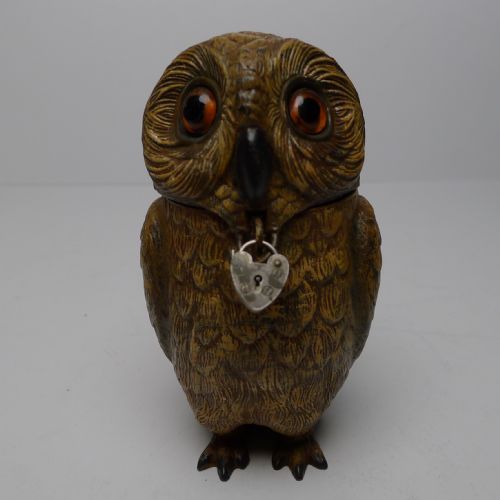
Makers utilised a diverse array of materials, primarily sterling silver, silver plate, brass, oak, hardwood, and painted spelter. Metal pieces often relied on casting, stamping, and detailed relief work, as seen in miniature silver pianos and animal pin cushions.
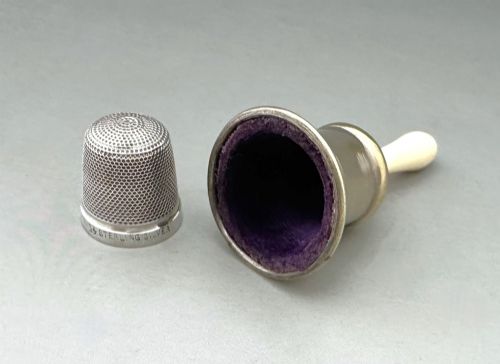
Wooden examples frequently display hand-carved elements, turning on a lathe, or folk art traditions, particularly visible in treen snuff boxes, barrels, and figural tobacco jars. Interiors were sometimes lined with velvet or fitted with functioning hinges, springs, and articulated bodies to mimic real items.
Vintage Novelty Box Retail Price Guide 2026
Typical asking prices for vintage novelty box among the pieces listed under this phrase on Sellingantiques today, from the lower quarter to the upper quarter. They describe what is for sale here now, not the wider market.
Listings feature materials spanning sterling silver, brass, oak, painted spelter, and carved hardwood across Victorian and Art Deco styles.
What varies in quality
Integrity of mechanism and material thickness also define the grade of a piece, separating mass-produced novelty tins from solid silver or finely hand-carved hardwood boxes. Retaining original surfaces, integrated maker marks, and fully operational hinges or spring-opening lids elevate the standing of an item.
Crisford & Norris·Huntley & Palmers·Peek Frean and Co·William Crawfords & Son Ltd
The Vintage Novelty Box Glossary
- Vesta case
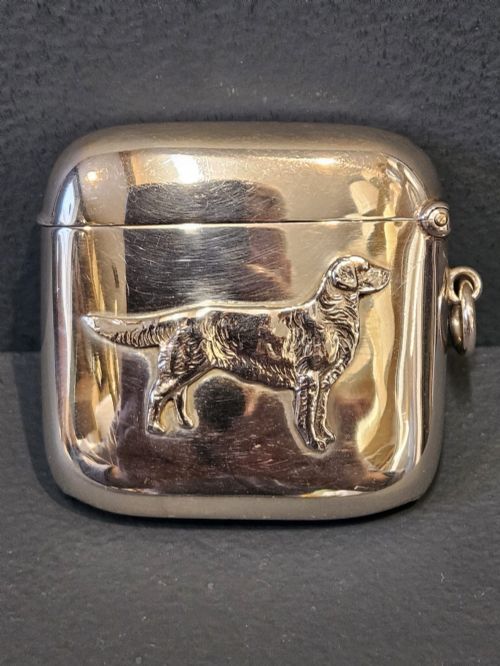
- A small portable box designed to hold wax matches, often fitted with a striking stripe on the base. Edwardian silver examples frequently incorporate animal motifs.
- Treen
- Small handmade wooden objects produced from the tree, including nutmeg graters, small boxes, and treen tobacco jars. These items rely on the natural grain and skilled turning or carving of the wood.
- Spelter
- An alloy of zinc used as a cost-effective substitute for bronze, often painted to simulate patinated metal in novelty money boxes and figures.
Vintage Novelty Box: Frequently Asked Questions
What were novelty boxes used for?
These containers served specific domestic functions while adding a touch of amusement to a room. They held items like stamps, cards, biscuits, snuff, and trinkets.
Owners kept them on desks, sideboards, and dressing tables to surprise guests with clever disguises.
How do I date a silver novelty box?
Silver pieces often carry hallmarks indicating the assay office and date letter. Examining these stamps alongside stylistic clues like Art Deco geometry or Victorian ornamentation helps pinpoint the era.
Makers' marks further assist in narrowing down the exact workshop of origin.
Are wooden and metal novelty boxes collected together?
Collectors generally group them under the broader heading of novelty objects, though individual preferences vary by material. Some focus strictly on treen and carved wood, while others pursue silver miniatures and figural biscuit tins.
Displaying mixed materials creates a varied and engaging cabinet of curiosities.
How should I care for vintage novelty boxes?
Preservation depends entirely on the material composition of the specific box. Silver requires gentle cleaning to maintain its finish without removing antique patination, while wood benefits from occasional treatment with appropriate wax.
Protecting articulated hinges and delicate moving parts ensures these intricate items remain functional.