

Vintage Nightstand Lamps
These vintage nightstand lamps and companion tables bring period character and practical bedside illumination to a room.
Vintage Nightstand Lamps
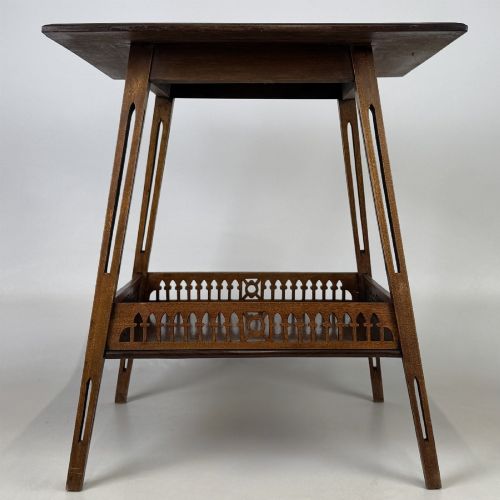
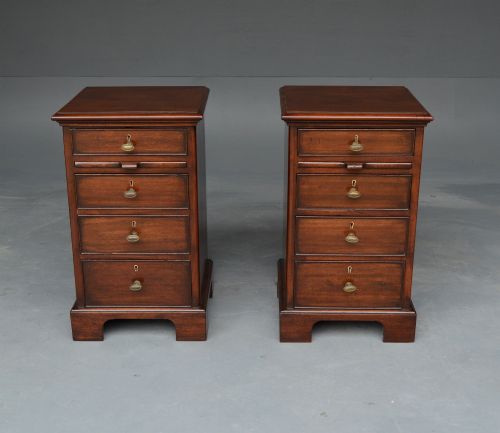
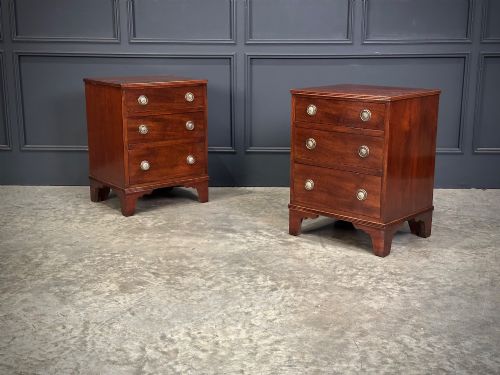
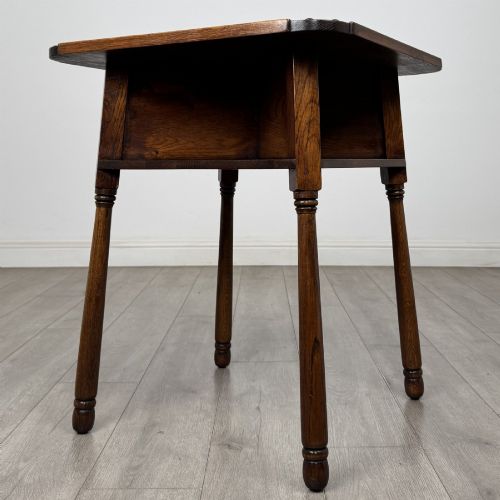
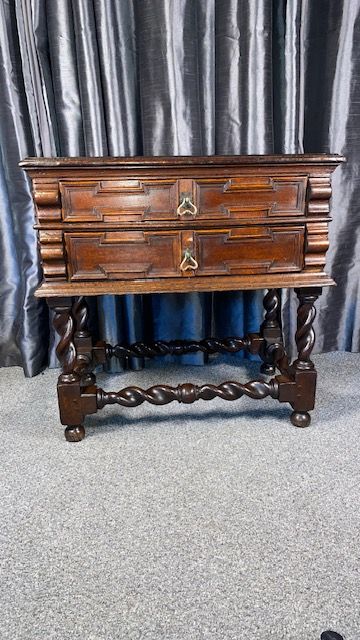
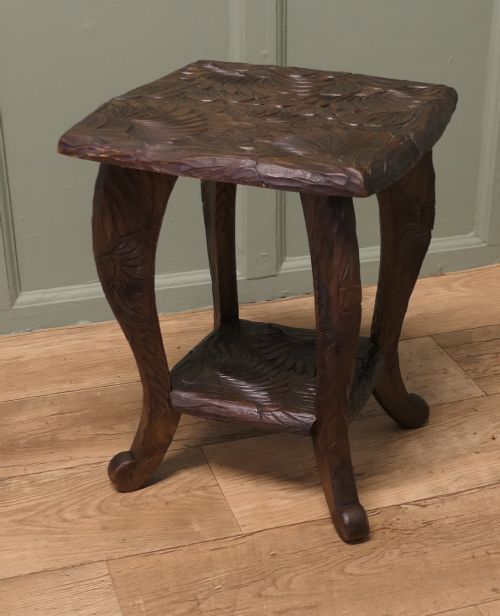
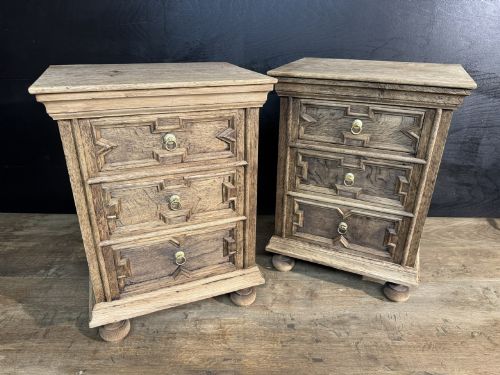
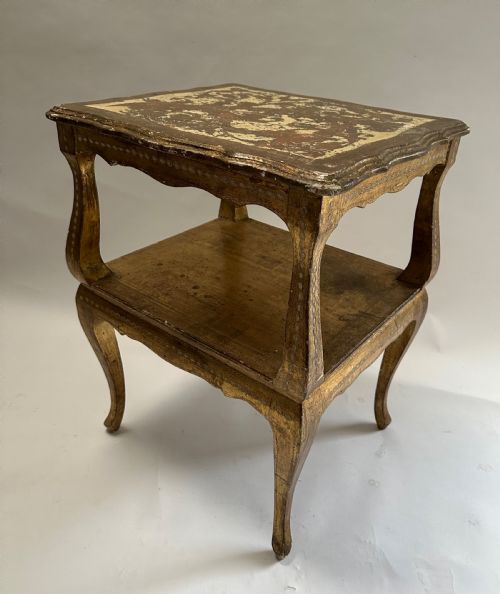
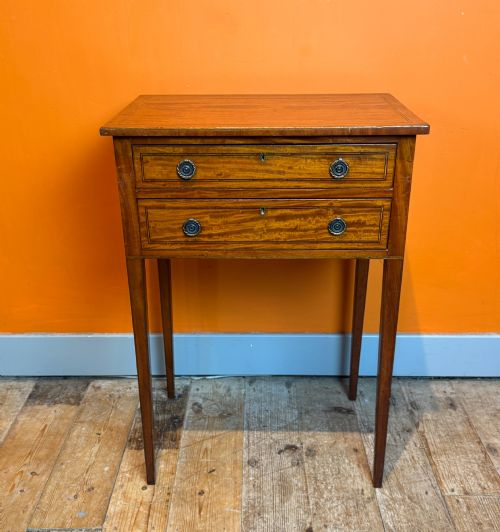
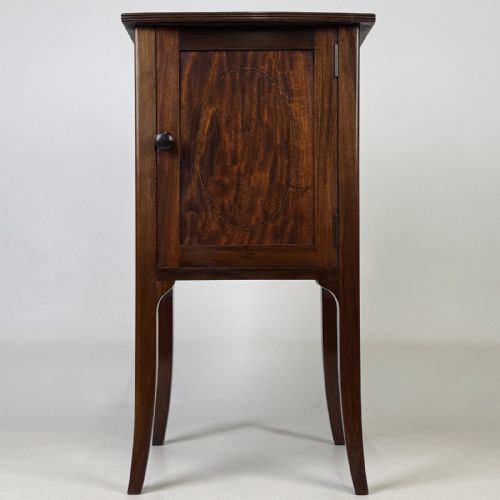
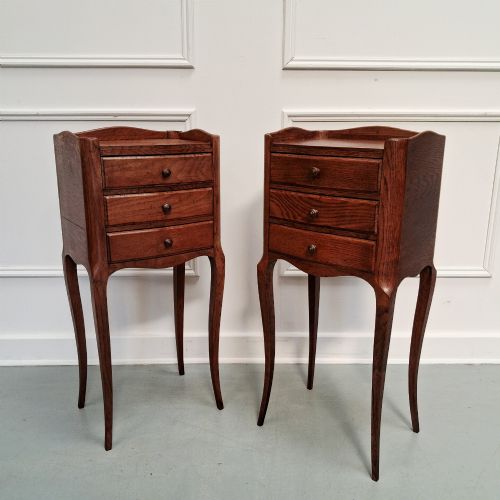
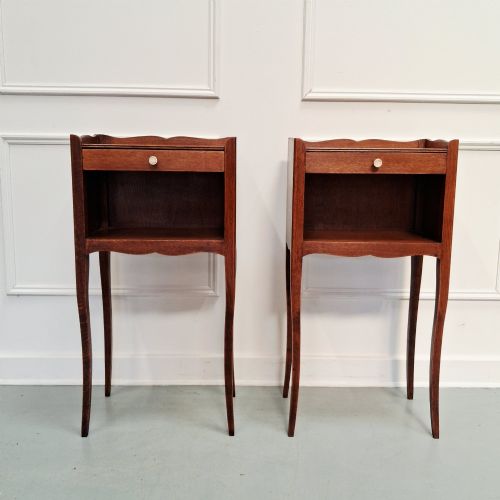
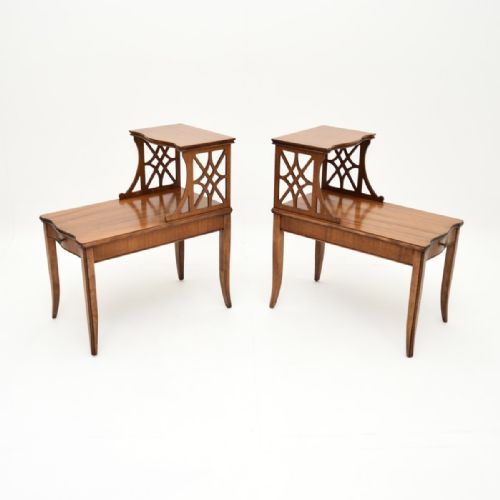
Buyers seeking vintage nightstand lamps encounter a diverse selection of small tables, bedside cabinets, and dedicated lamps spanning the eighteenth to the twentieth centuries. The listings show forms ranging from compact side tables and lamp tables to occasional tables and bedside cabinets, often utilised to hold lighting next to a bed.
French oak bedside tables, walnut cabinets, and brass and glass lamp tables dominate the selection. These pieces offer functional surfaces for illumination while anchoring the bedroom decor in historical periods.
How they were made
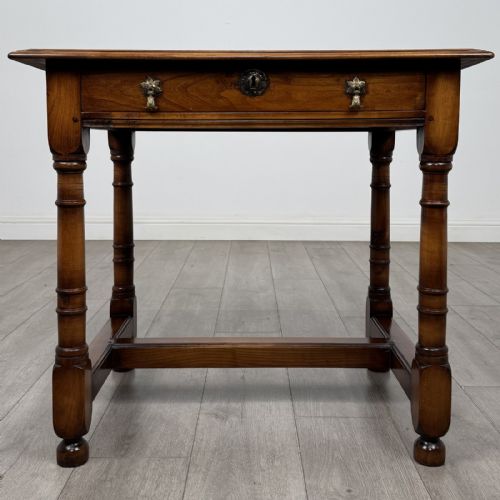
Construction relies heavily on traditional timber working, utilising solid hardwoods such as oak, mahogany, walnut, and yew. Cabinetmakers shaped these materials into side tables, cabinets, and lamp tables employing joinery techniques appropriate to periods from the eighteenth century through to the Art Deco era.
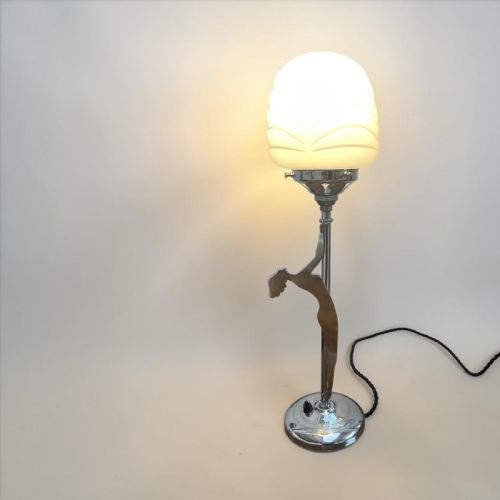
Metal components such as brass appear alongside glass elements in specialised lamps and etageres, adding reflective surfaces and structural detailing. Surface finishes include wax, paint, and red lacquer chinoiserie, highlighting the natural grain of figured walnut and rosewood or providing coloured decorative coats.
Vintage Nightstand Lamps Retail Price Guide 2026
Typical asking prices for vintage nightstand lamps among the pieces listed under this phrase on Sellingantiques today, from the lower quarter to the upper quarter. They describe what is for sale here now, not the wider market.
Materials recorded across the inventory include oak, walnut, mahogany, rosewood, brass, glass, and painted wood finishes.
What varies in quality
The degree of refinement in timber selection and decorative detail distinguishes different examples. Pieces utilising figured walnut, burr walnut, or marquetry inlay demonstrate greater elaboration than plain oak or standard painted surfaces.
The complexity of turning and joinery, such as barley twist legs, bobbin turned legs, cabriole legs, or hidden drawers, establishes the relative sophistication of a table or cabinet. Cohesion of style, whether executed in a strict Georgian manner or an Art Deco modernist form, dictates the visual impact of the piece.
The Vintage Nightstand Lamps Glossary
- Lamp Table
- A small occasional table designed specifically to support a table lamp. These compact tables provide a stable surface and convenient height for bedside illumination.
- Bedside Cabinet
- An enclosed piece of furniture with doors or drawers used beside a bed. Cabinets keep nighttime essentials concealed while serving as a stand for a lamp.
- Barley Twist
- A turning technique resembling a spiral rope found on furniture legs and supports. This decorative detail is prevalent in Jacobean Revival and Edwardian pieces.
- Marquetry
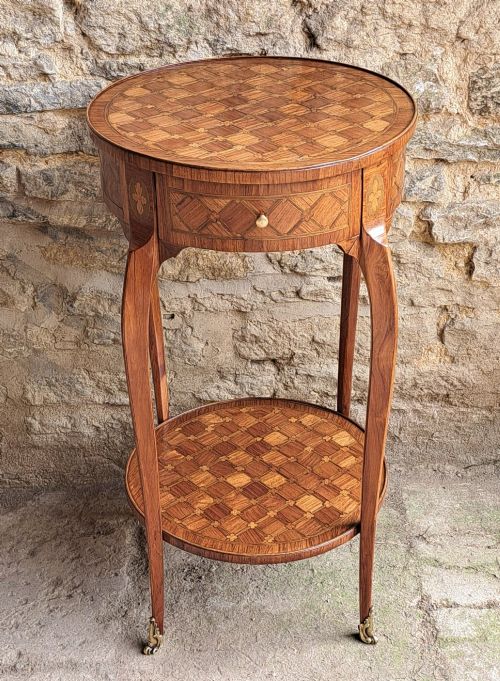
- The art of applying pieces of veneer to a structure to form decorative patterns. It appears on inlaid bedside chests to create intricate surface designs.
- Chinoiserie
- European decorative art influenced by Chinese artistic traditions. Red lacquer furniture employing this technique exhibits painted oriental motifs.
Vintage Nightstand Lamps: Frequently Asked Questions
How do I use a vintage lamp table?
Place a vintage lamp table beside a bed or armchair to support a reading light and small items. The surface area accommodates a lamp while keeping books or accessories within easy reach.
Ensure the height matches the mattress level for comfortable access to the switch. These tables also function as standalone accent pieces in smaller rooms.
What is the difference between a bedside table and a bedside cabinet?
A bedside table is generally an open structure featuring legs and perhaps a shelf or drawer underneath. This open design creates a lighter visual footprint in the bedroom.
A bedside cabinet incorporates enclosed storage with doors, concealing items out of sight. Cabinets offer a more substantial appearance and protect contents from dust.
How do I identify an Art Deco piece?
Art Deco pieces from the nineteen-thirties feature streamlined forms, geometric symmetry, and figured walnut or rosewood veneers. The aesthetic prioritises modern luxury through polished wood grains and minimal ornamentation.
Look for clean lines and functional designs that depart from heavy Victorian or Edwardian revival styles. These objects reflect the modernist design shifts of the interwar period.
Are these pieces suitable for modern bedrooms?
These pieces integrate easily into contemporary interiors by adding warmth and historical contrast against neutral walls. Oak, mahogany, and walnut tones introduce natural textures to modern spaces.
Mixing periods prevents a room from looking uniform. A small lamp table or cabinet provides practical bedside utility without dominating the floor plan.