


Vintage Nautical Wall Decor
These vintage nautical wall decor pieces bring maritime history into a room, offering genuine wooden ships wheels, oil paintings, and ship models.
Vintage Nautical Wall Decor
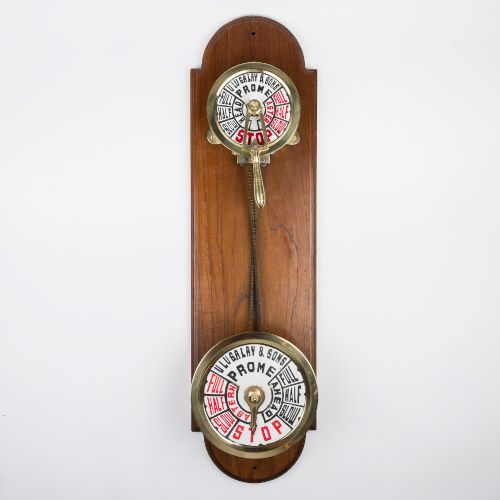
When you search for vintage nautical wall decor, you encounter items shaped by maritime trades, naval warfare, and commercial shipping across the nineteenth and twentieth centuries. These objects range from heavy teak ships wheels and engine room telegraphs to oil paintings of steamships, barques, and coastal harbours.
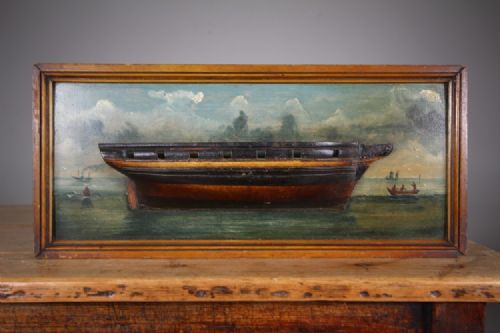
The pieces most frequently met on this page span the Victorian, Edwardian, and mid-twentieth century periods, encompassing folk art dioramas, rowing oars, and half hull models. They bridge the gap between functional marine equipment and decorative domestic display.
How they were made
Makers utilised durable hardwoods such as teak and oak alongside brass and iron for functional components like steering wheels, telegraphs, and tillers. These materials endured harsh marine environments, developing rich surface patinas over decades of service.
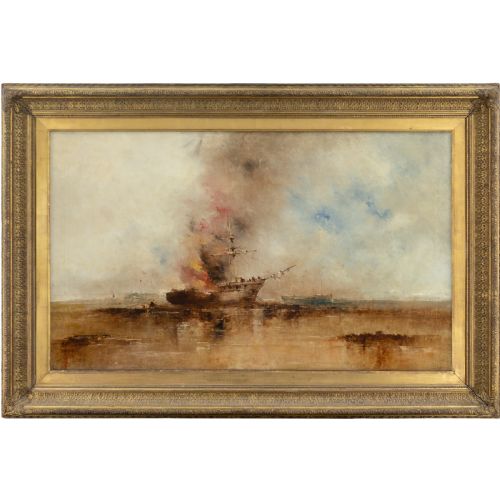
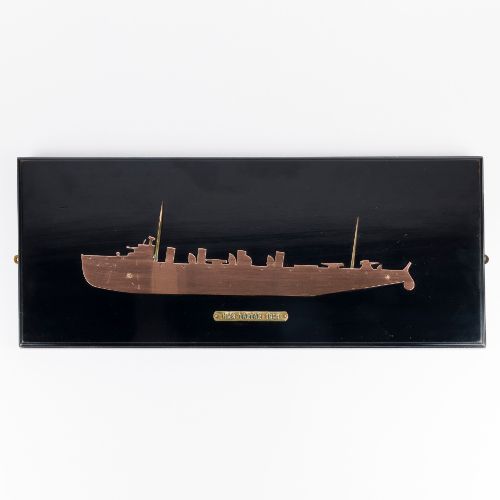
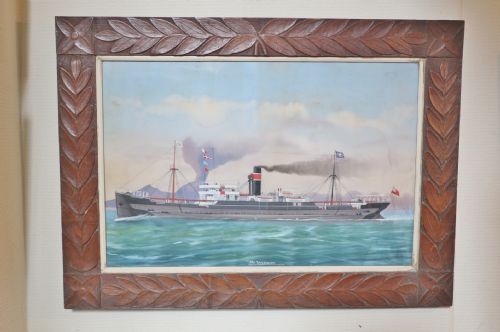
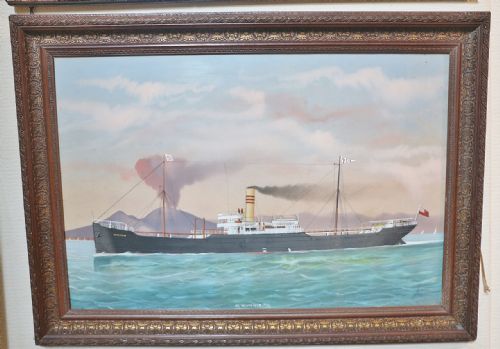
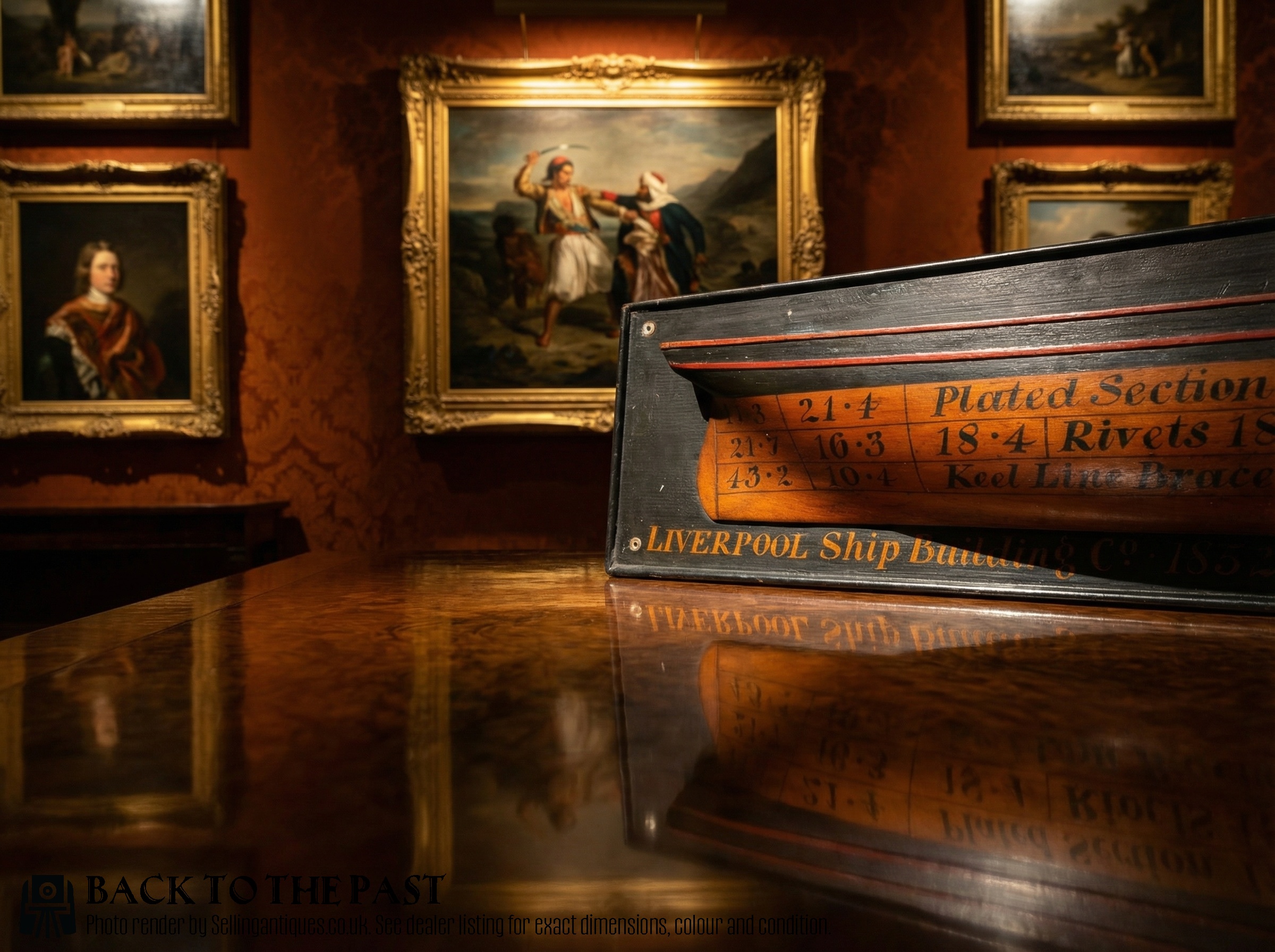
Painters recorded vessels and seascapes using oil on canvas, oil on board, and watercolour on paper, often capturing specific steamships and naval actions with precise detail. Shipbuilders constructed half hull models from layered wood to test hull designs before full-scale construction.
Vintage Nautical Wall Decor Retail Price Guide 2026
Typical asking prices for vintage nautical wall decor among the pieces listed under this phrase on Sellingantiques today, from the lower quarter to the upper quarter. They describe what is for sale here now, not the wider market.
Several pieces preserve the specific names of historical vessels, from WWI destroyers to four-masted barques.
What varies in quality
Quality rests upon the authenticity of the maritime context and the integrity of the materials. Items retaining their original paint, unaltered brass mountings, and documented naval subjects command greater attention from collectors than heavily restored examples.
In painted works, quality reveals itself through the handling of light on water, the accurate depiction of rigging and hull architecture, and the standing of the artist. Model work depends on the precision of the construction and whether the piece originates from a recognised shipbuilder.
Ulugary And Sons·Richard Brydges Beechey·Frank Wood·Charles Cameron Baillie·Johan Jens Neumann·Godwin Bennett·Thomas Bush Hardy·Dion Pears
The Vintage Nautical Wall Decor Glossary
- Diorama
- A three-dimensional scene, often depicting a ship at sea with modelled waves and rigged sails set inside a framed wooden box.
- Half hull model
- A scale model of one side of a ship's hull, traditionally mounted on a backboard and utilised by shipbuilders to study hydrodynamic forms.
- Teak
- A dense tropical hardwood prized in marine construction for its natural resistance to moisture and decay.
- Telegraph
- A mechanical communication device mounted on a ship's bridge to transmit engine orders from the officers to the engine room crew.
- Tiller
- A lever arm attached to the rudder head used to steer a watercraft.
Vintage Nautical Wall Decor: Frequently Asked Questions
How do I hang a heavy ship's wheel?
Secure a substantial steel bracket directly into wall studs to support the considerable weight of a teak or oak wheel safely.
Ensure the mounting hardware engages with the central hub or a reinforced spoke to distribute the load evenly.
Are these ship models authentic?
Many models originate from shipyards or maritime workshops where builders constructed them as half hull studies or navigational displays.
Examine the construction methods and wood ageing to determine if a piece served a practical maritime purpose.
How should I clean antique oil paintings?
Dust surfaces gently with a soft, dry artist brush, avoiding any moisture or household cleaning solutions that might damage old paint layers.
Consult a professional conservator if the canvas requires deep cleaning or varnish removal.
What periods do these pieces cover?
The selection spans from the mid-nineteenth century through the Edwardian era up to the mid-twentieth century.
Victorian and Edwardian items often reflect commercial sailing ships and naval expansion, while later pieces capture mid-century shipping and coastal views.