







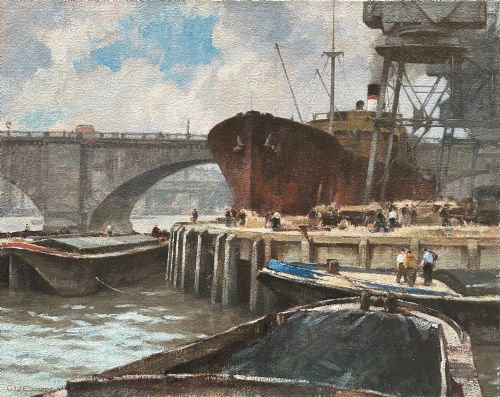
Vintage Nautical Oil Art
Vintage nautical oil art captures the drama of the sea and the history of sail through pigment applied directly to canvas and board.
Vintage Nautical Oil Art
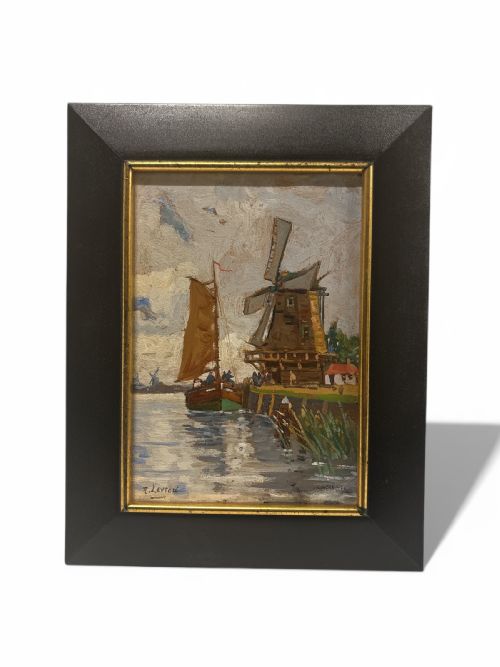
Vintage nautical oil art comprises painted depictions of marine subjects, ranging from historical ships and heavy seas to calm harbour scenes and coastal landscapes. These works span periods from the 19th century through the Victorian and Edwardian eras into the mid-20th century.
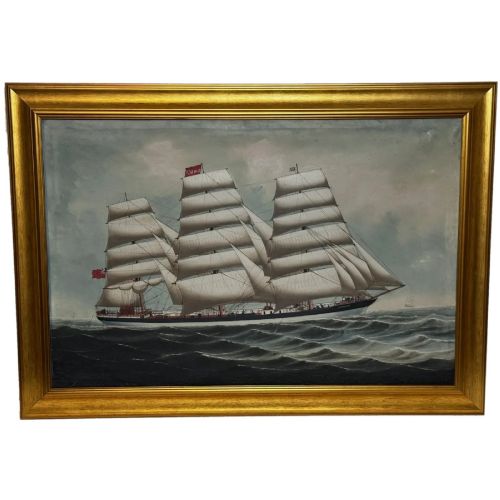
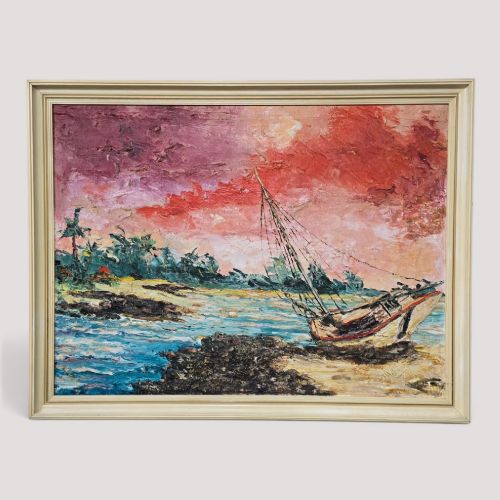
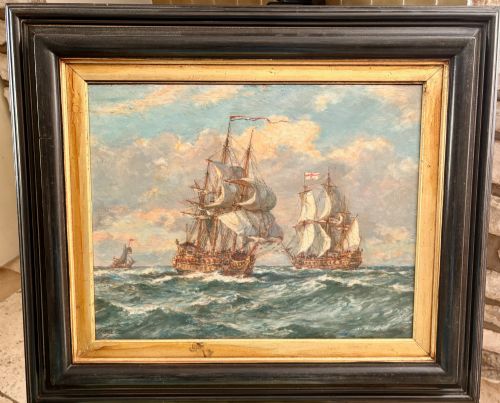
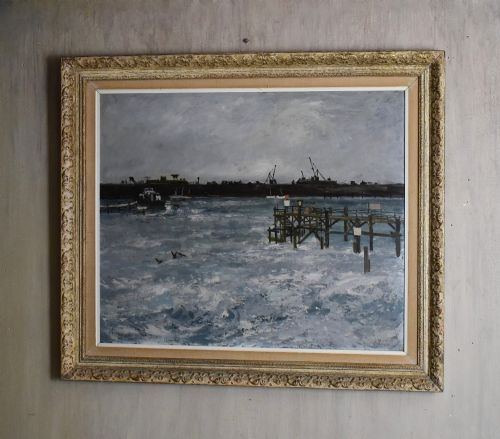
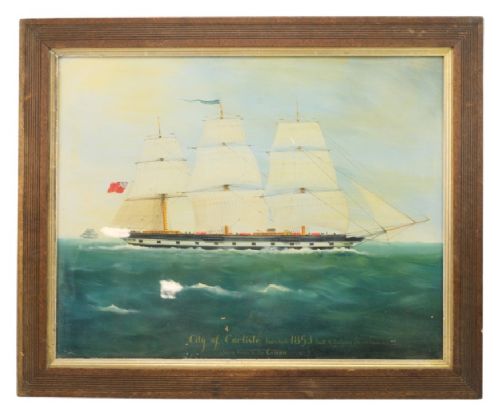
Buyers will encounter various formats on this page, including oil paintings on canvas, oil paint on board, and framed wall art. Many pieces depict specific historical vessels, merchant ships, and fishing boats engaged in daily maritime labour or dramatic storms.
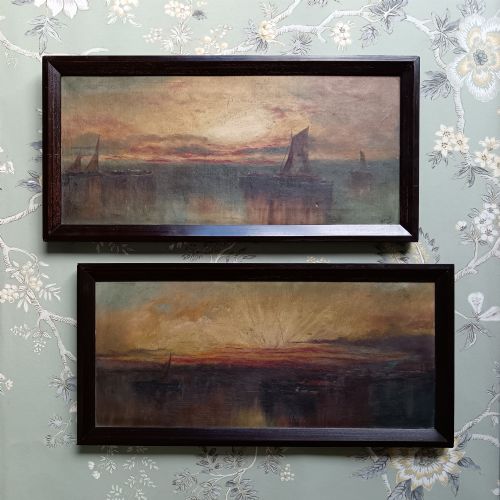
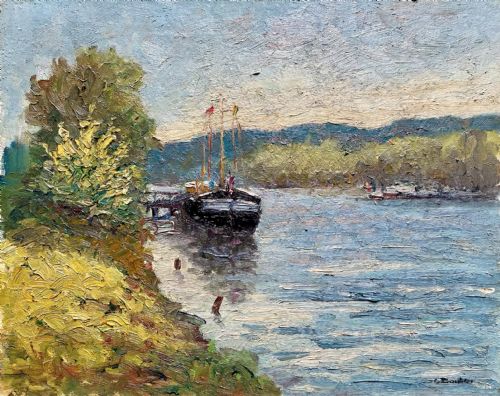
The styles present vary from academic Victorian maritime realism to early 20th-century impressionistic treatments of light and water. Collectors often seek out works that record particular coastal locations, ship types, or naval events.
Materials and Techniques
Artists producing vintage nautical oil art relied primarily on oil paint applied to woven canvas stretched over wooden frames or laid onto firm boards. The slow-drying nature of oil allowed painters to blend tones carefully, capturing the shifting light on water and the heavy textures of storm clouds.
Many of these works are housed in their original gilt wood frames, which complement the maritime scenes with ornate moulded profiles and reflective metallic finishes. Pigments were frequently layered to build up impasto effects, particularly when rendering rough seas or the foaming wake of a sailing ship.
Several canvases capture historic steamships bravely puffing past Italian coasts.
Factors That Determine Quality
The quality of vintage nautical oil art depends heavily on the artist's ability to render maritime anatomy accurately, such as the correct rigging of a three-masted schooner or the believable movement of waves. Works by documented painters or established regional schools generally demonstrate a superior grasp of perspective and atmospheric light.
The handling of the medium itself separates standard decorative pieces from finer artistic examples, with skilled brushwork bringing energy and depth to the water and sky. Additionally, the survival of the original gilt frame and the stability of the canvas or board contribute to the overall desirability of the piece.
Kenneth Cozens·R Leyton·Eugène-Louis Gillot·William McAlpine·Reginald Arthur Borstel·James Kay·Bernard Gribble·Peter Brannan·Paul Bret·Willem Bos·Lai Fong·William Henry Williamson·Abraham Hulk I·Elisabeth Bardon·Charles Napier Hemy·Edward Henry Eugene Fletcher
The Vintage Nautical Oil Art Glossary
- Oil on canvas
- Pigment bound in a drying oil applied to a woven fabric stretched across a wooden support. This combination provides a flexible and durable surface that has been favoured by painters for centuries.
- Gilt wood
- Timber frames coated with a thin layer of gold leaf or metallic gilt finish. These decorative borders were designed to enhance the visual impact of the oil painting they enclose.
- Impasto
- Paint applied in thick layers that stand out visibly from the surface. This technique allows the artist to introduce tactile depth, often used to portray churning sea spray or heavy clouds.
- Pierhead painting
- A specific genre of ship portraiture created to record merchant vessels, often commissioned by captains or owners. These works typically show the ship in profile against a known port or coastal landmark.
Vintage Nautical Oil Art: Frequently Asked Questions
What periods do these paintings come from?
The works available span the 19th century, Victorian and Edwardian eras, and run through the mid-20th century. Dates in the titles often reference the active period of the artist or the specific year a ship or scene was recorded.
Buyers will find traditional maritime realism alongside later impressionistic interpretations from the 1930s and 1950s. Each era brought its own approach to capturing light on water and the details of naval architecture.
How should I display nautical art at home?
These oil paintings suit traditional studies, living rooms, and hallways, especially when paired with period interior decor or wood panelling. The existing gilt frames are designed to complement the rich blues and greys typical of marine subjects.
Keep the works away from direct sunlight and excessive moisture to protect both the oil pigment and the wooden support. Proper placement ensures the canvas and frame remain stable over time.
How can I tell the age of a marine painting?
Clues to dating include the style of clothing worn by any figures, the type of vessel depicted, and the construction methods of the canvas or board. WWI steamships, three-masted schooners, and specific naval uniforms all point to definite historical windows.
Signatures, dates inscribed on the reverse, and the style of the framing also help establish when the work was produced. Examining the stretcher bars and the ageing of the oil paint provides further verification.
What subjects are most common in maritime art?
Common subjects include sailing ships in heavy seas, tranquil harbour views, fishing boats returning to port, and historical naval engagements. Many paintings record specific commercial vessels, cargo steamers, and passenger liners operating off European coasts.
Artists frequently focused on the working life of coastal communities and the technical details of maritime trade. These scenes offer a direct record of shipping history and coastal topography.