



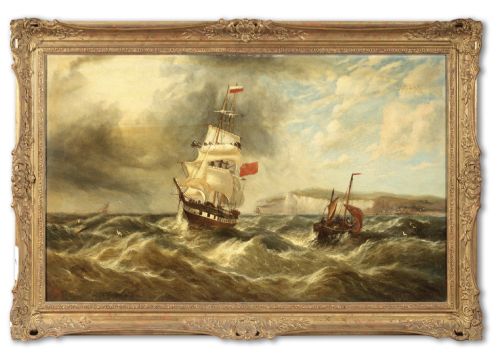
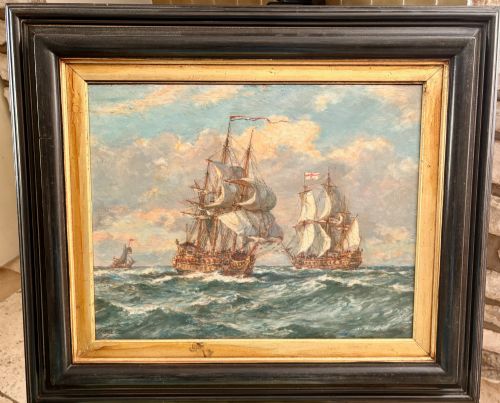
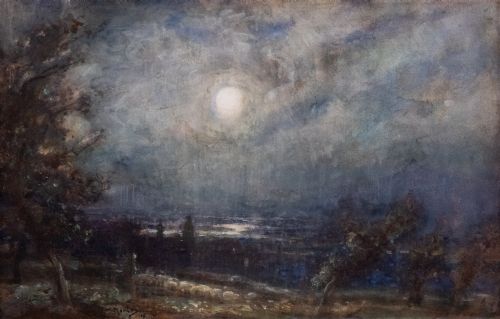
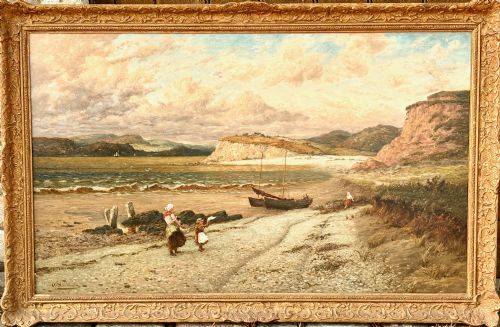
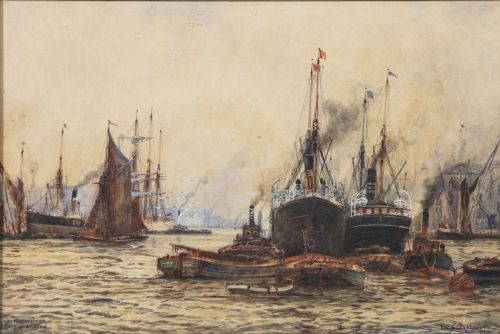
Antique British Seascape
An antique British seascape captures the moody power of the sea and the quiet grit of coastal life through the brush of 19th-century and early 20th-century painters.
Antique British Seascape
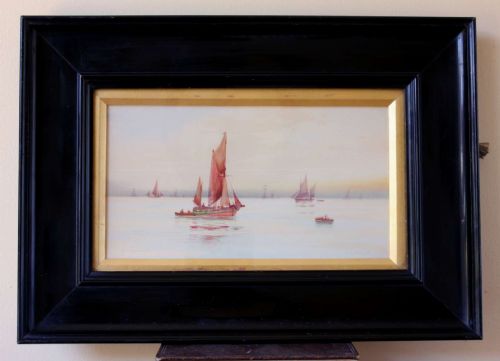
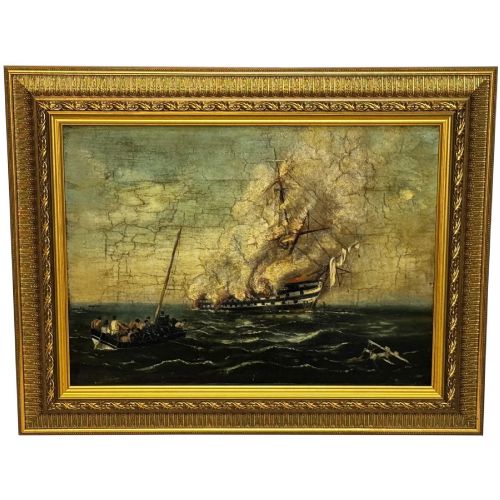
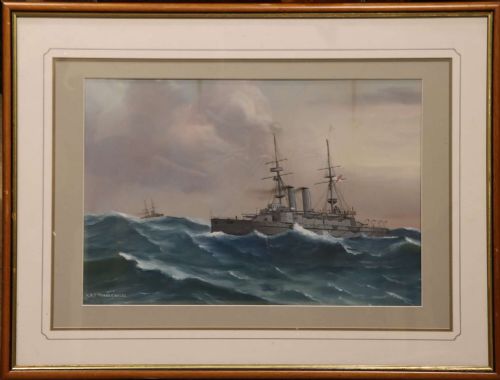
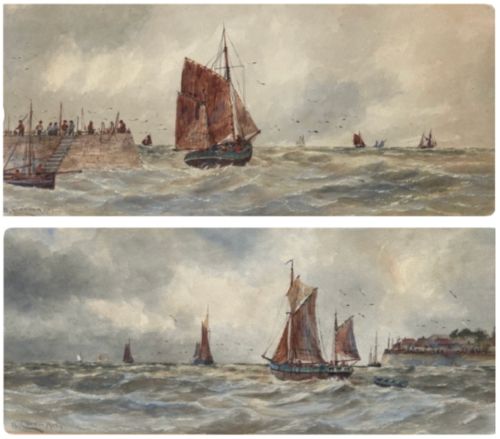
An antique British seascape places the viewer before coastal harbours, stormy open waters, and bustling estuaries populated by working fishing boats and merchant vessels. These works span the Victorian, Edwardian, and early Modern periods, recording maritime history through the eyes of contemporary painters.
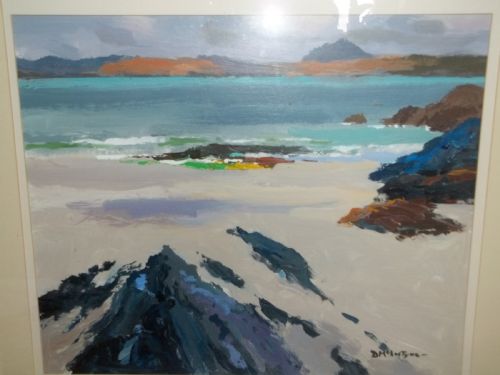
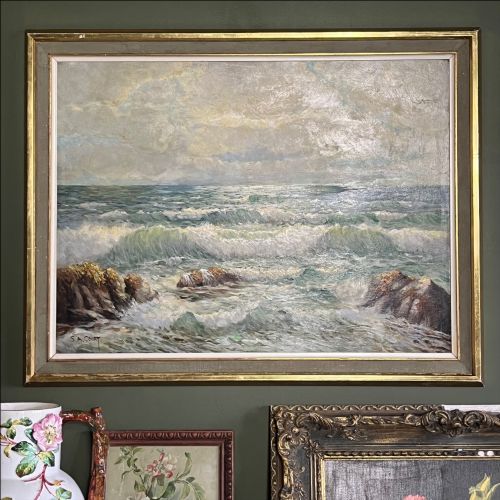
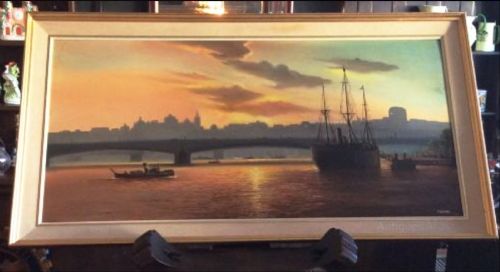
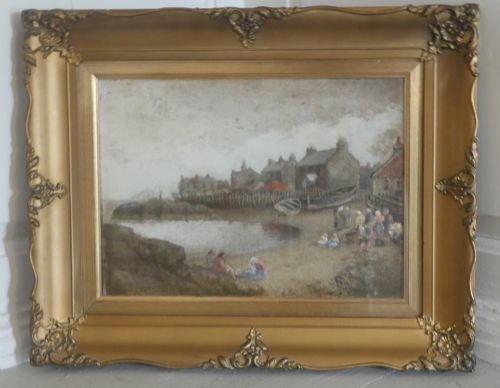
The most common examples on this page are paper watercolours and oil paintings on canvas or card, often mounted in period gilt wood frames. Subjects range widely from quiet Cornish fishing ports to dramatic shipwrecks and panoramic river views.
Makers and regional schools represented here capture specific stretches of coastline, from the shores of St Ives to the tidal reaches of the Thames. Painters worked both on location and within studio settings, translating the shifting light of British waters into lasting pigment.
Materials and technique
Artists relied primarily on oil on canvas and watercolour pigment on paper, applying mediums with varying brushwork to capture the texture of water and sky. Impasto technique appears in select oil works, building raised layers of paint to render crashing waves and heavy sea spray with physical depth.
Watercolour paintings utilise fluid washes and fine brush detailing over paper support, sometimes enhanced with gouache for opaque highlights on sails and foaming breakers. Wood is preserved in the original frames accompanying these works, frequently finished in gilt to complement the palette of the painting.
The inventory records coastal views spanning Cornwall, Norfolk, London, and overseas ports in Venice and Normandy.
Assessing quality and execution
Quality rests upon the artist's command of atmospheric perspective, anatomical accuracy in rigging and vessel design, and the convincing rendering of moving water. A stronger work captures the specific weight of maritime air and light rather than relying on formulaic waves and generic hulls.
The handling of secondary details, such as harbour architecture or figures on the shore, distinguishes accomplished hands from routine topographical output. Preservation of the original paper or canvas, alongside period framing, contributes to the integrity of the piece.
James Orrock·William Cannon·Thomas William Morley·Francis Moltino·Thomas Creswick·John Wilson Carmichael
The Antique British Seascape Glossary
- Impasto
- Paint applied thickly to a canvas so that it stands out from the surface. This technique allows artists to build physical texture into representations of churning water.
- Gouache
- An opaque method of watercolour painting where white pigment is mixed with gum. It provides solid highlights that contrast against translucent washes of colour.
- Coble
- A traditional type of open fishing boat native to the north-east coast of England. These distinctive craft feature flat bottoms and high bows suited to rough surf.
- Estuary
- The tidal mouth of a large river where the tide meets the current. Painters frequently depicted these busy commercial waterways alongside coastal shores.
Antique British Seascape: Frequently Asked Questions
How do I date an antique maritime painting?
Dating relies heavily upon the vessel types, rigging styles, and clothing depicted in the scene. Naval architecture and maritime technology evolved rapidly through the nineteenth century.
Signatures, framing materials, and artist exhibition records also provide reliable chronological markers. Period labels on the reverse of the canvas or frame often confirm the exact decade of creation.
What is the difference between oil and watercolour seascapes?
Oil paintings on canvas offer rich textures, deep colour saturation, and durability against environmental factors. They tolerate heavy impasto work well.
Watercolours on paper provide a delicate transparency and luminosity that captures atmospheric coastal light. These works require protective glass glazing and careful light management.
How should I hang and light a framed seascape?
Position paintings away from direct sunlight and steady moisture sources to protect organic canvas, paper, and gilt wood frames. Stable indoor humidity prevents warping in wooden stretchers.
Utilise low-heat picture lights or ambient room illumination to view the work without causing pigment degradation. Ensure the wall structure securely supports the weight of large framed oils.
Are these paintings signed by the artists?
Many works bear the original signature or monogram of the artist, frequently placed in a lower corner. Inscription details often note the specific coastal location alongside the signature.
Unsigned works from recognised periods are typically attributed to specific British schools or contemporaneous workshops based on brush style and subject matter.