
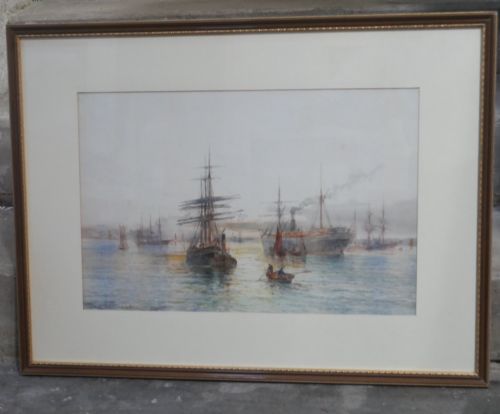


Antique Tall Ship Art
Antique tall ship art captures the drama of sail through oil on canvas and watercolour, offering a direct window into maritime history.
Antique Tall Ship Art
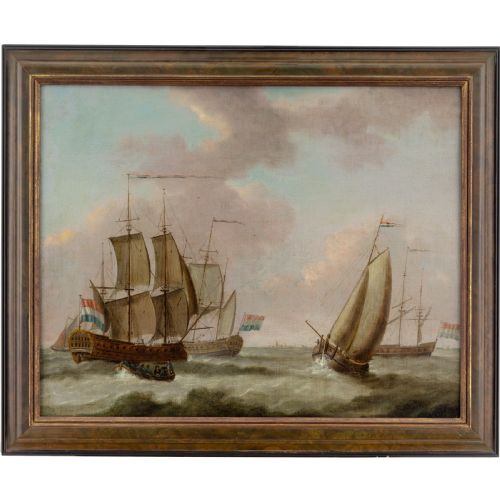
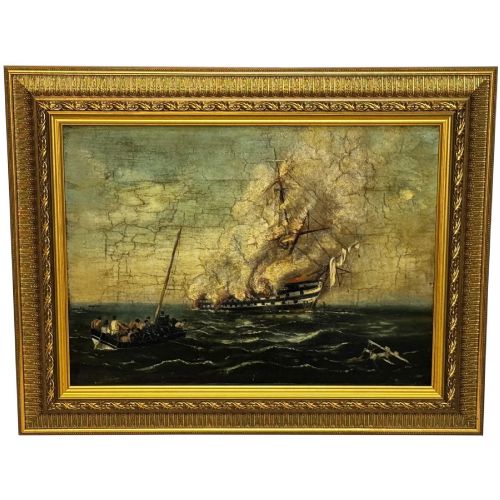
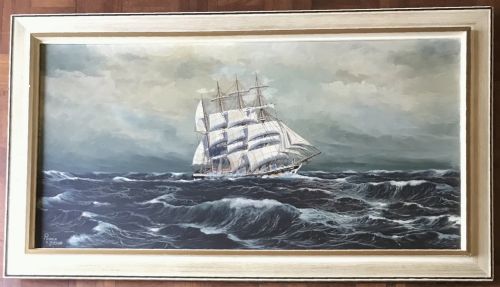
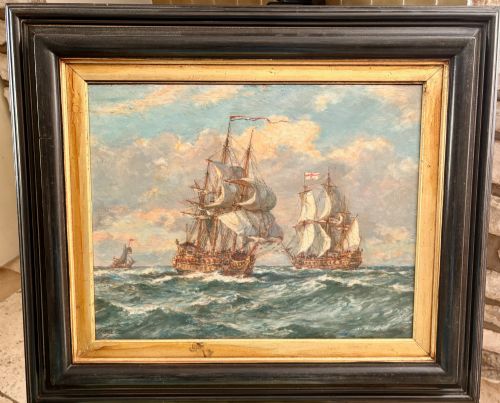
When you search for antique tall ship art, you encounter oil paintings, watercolours and scratch-built models depicting sailing vessels from the eighteenth century onwards. These works range from detailed port portraits to stormy coastal scenes produced during the Victorian and Edwardian periods.
The most common examples on this page are nineteenth-century oil paintings on canvas or board, often depicting named British and European vessels in choppy waters. Works span various stylistic traditions, including Dutch School compositions and Regency marine paintings.
Buyers also encounter early twentieth-century watercolours and model ships that continue the tradition of maritime realism. Each piece records specific vessel types, from four-masted barques to historical warships.
How they were made
Makers utilised traditional oil paint applied to canvas, wood panels or board, building up coastal scenes and rolling seas with layered brushwork. Watercolours on paper appear alongside these oils, capturing lighter atmospheric effects in marine settings.
Frames of giltwood frequently enclose the canvas or panel, protecting the edges and complementing the maritime subject matter. Model ships employ scratch-built wooden components to replicate the intricate rigging and hulls of actual vessels.
Listings feature works spanning the eighteenth century to the 1930s, executed in oil on canvas, oil on board, watercolour and wood.
What varies in quality
The accuracy of the vessel rigging and hull proportions distinguishes superior marine paintings from generic depictions. Artists with a deep understanding of nautical architecture produce works where masts, yards and sails maintain correct perspective.
Surface preservation affects value, particularly the stability of the oil paint on canvas or board and the condition of the original support. Works attributed to known marine painters or specific historical events command stronger interest among collectors.
John Callow·Frank Wood·Joseph Heard·George Stainton·Henry Scott Tuke
The Antique Tall Ship Art Glossary
- Barque
- A sailing vessel with three or more masts having square sails on all masts except the mizzen. This rig appears frequently in nineteenth-century shipping art.
- Giltwood
- Wood carved and covered with a thin layer of gold leaf. Frames of this material often surround period oil paintings.
- Panel
- A flat piece of wood used as a rigid support for oil painting instead of canvas. Artists employed panels extensively during the nineteenth century.
- Provenance
- The documented history of ownership for an artwork. Clear provenance links a painting to specific exhibitions or collections.
- Watercolour
- A painting method where fine pigment is suspended in a water-based solution on paper. These works capture translucent effects of sea and sky.
Antique Tall Ship Art: Frequently Asked Questions
How do I identify a ship in a painting?
Painters often inscribed the vessel name, location or specific event directly onto the canvas, stretcher or frame. Examining the rig, hull shape and flag details also helps narrow down the vessel type and nationality.
Historical logs and maritime records frequently corroborate named ships such as the HMS Bombay or the barque Sindia. Comparing these visual details with contemporary shipping registries provides further identification.
What is the difference between oil and watercolour marine art?
Oil paintings utilise pigment bound in drying oil on canvas or board, allowing for rich textures and deep tones in stormy seas. Watercolours employ pigment on paper, offering a lighter and more translucent depiction of coastal light.
Oils generally required heavier giltwood framing for protection, whereas watercolours needed glazing behind glass to prevent moisture damage. Both mediums document maritime subjects across the eighteenth, nineteenth and twentieth centuries.
Are scratch-built model ships contemporary with their subjects?
Scratch-built models can either be contemporary artefacts made by sailors and craftsmen during the active life of the vessel or later historical reconstructions. Makers utilised available timber and cordage to replicate specific ships in miniature.
Examining the materials, construction techniques and ageing of the wood helps determine the approximate period of manufacture. These models served as detailed representations of naval and merchant vessels.
How should I display antique maritime art at home?
Display paintings away from direct sunlight and excessive humidity to protect the oil canvas, board or watercolour paper from degradation. Stable indoor temperatures preserve both the paint surface and the wooden or giltwood frames.
Ensure wall fixings adequately support heavier framed oils and secure model ships on stable surfaces away from high-traffic areas. Proper placement highlights the fine details of rigging and coastal scenery.