


Vintage Nautical Canvas
Vintage nautical canvas brings together maritime history and painterly skill through depictions of vessels and coastal waters.
Vintage Nautical Canvas
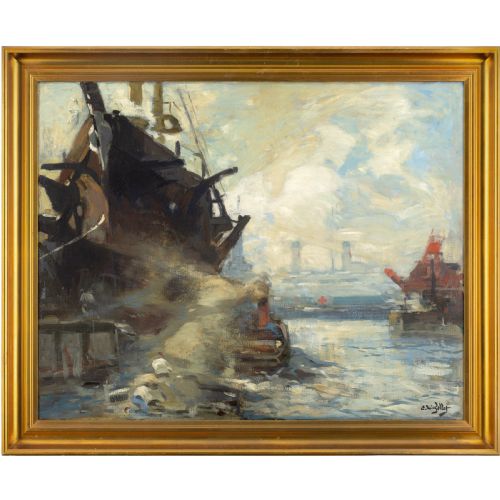
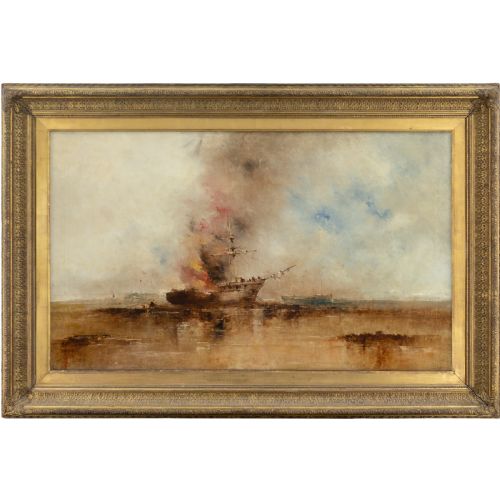
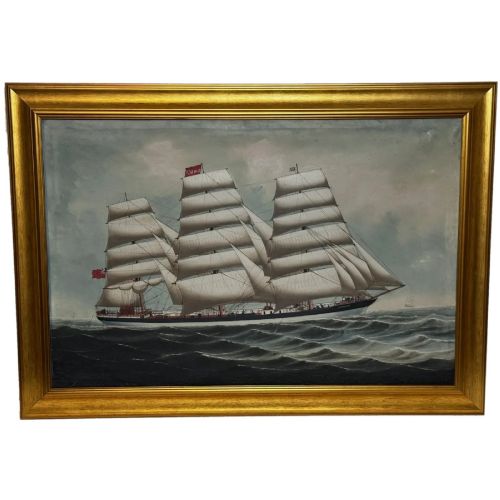
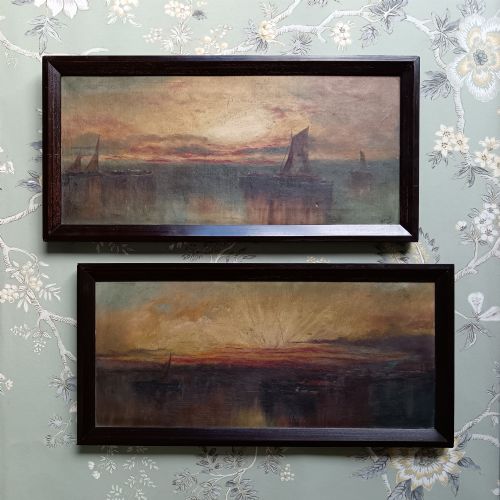
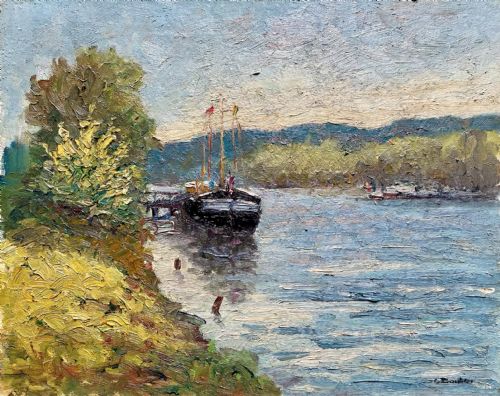
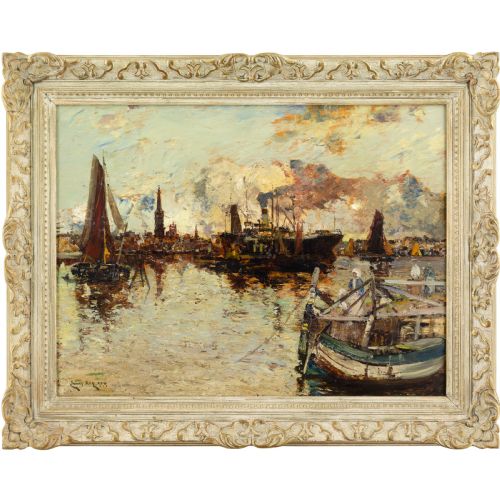
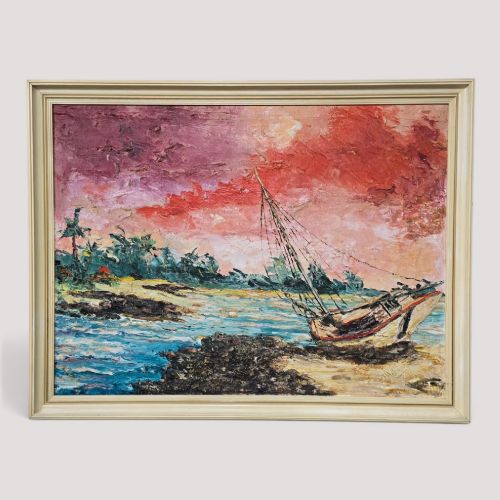
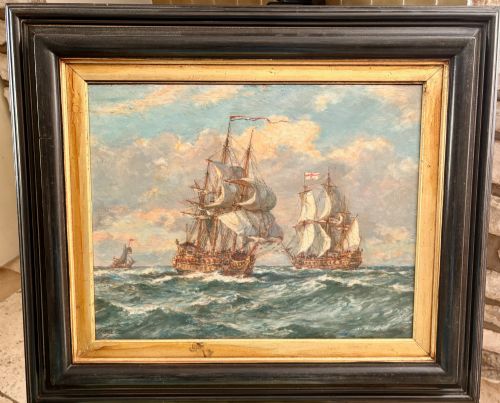
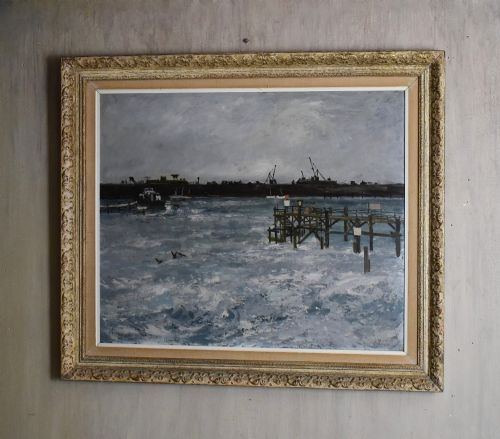
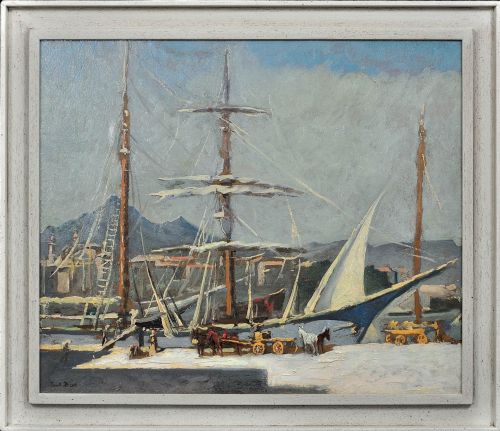
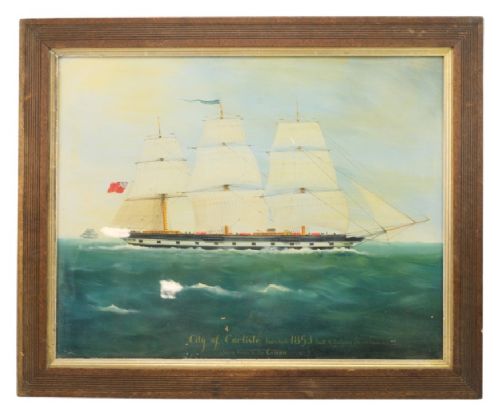
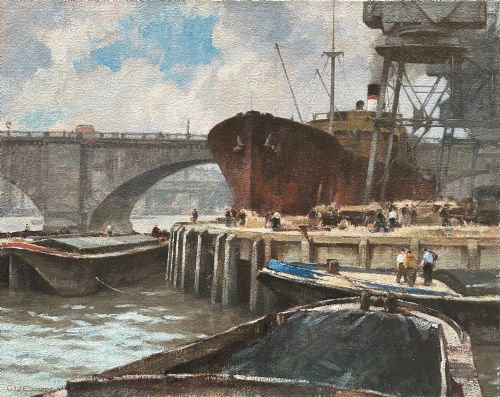
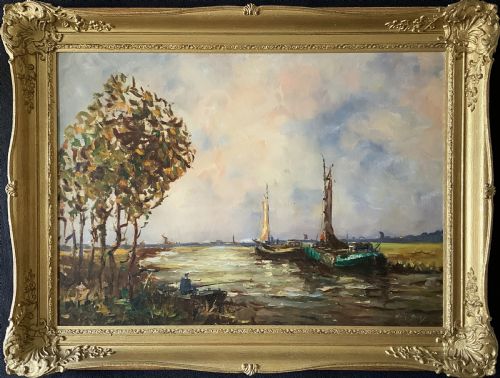
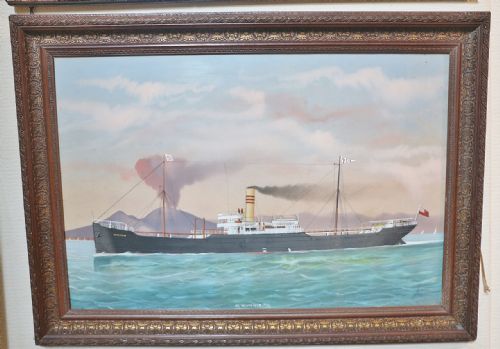
When you search for vintage nautical canvas, you encounter oil paintings on canvas depicting ships, harbours, and coastal scenes. These artworks record maritime subjects ranging from nineteenth-century sailing vessels to mid-twentieth-century harbour views.
The pieces on this page appear in various forms, primarily as framed oil paintings and wall art alongside occasional decorative model boats. Most examples date from the nineteenth century through to the Edwardian period and the mid-twentieth century.
Buyers choose these artworks to bring historical maritime narratives and traditional coastal scenery into domestic or office interiors. Each canvas preserves a specific moment of shipping history or marine life captured by period artists.
Materials and construction
Painters utilised oil paint applied to stretched canvas or board to build up depth and texture in these maritime scenes. Many works incorporate gilt wood frames that complement the traditional marine subjects and protect the edges of the canvas.
Artists employed techniques ranging from detailed realism to impressionistic brushwork to render water, sky, and rigging. The combination of oil pigments and woven canvas grounds ensures lasting durability for these historic paintings.
Listings feature works from the nineteenth and twentieth centuries, including Edwardian pieces and mid-century modern paintings.
Differences in quality
Quality in vintage nautical canvas rests on the artist's ability to render water movement, atmospheric light, and vessel proportions accurately. Finer works display confident brushwork and precise detailing of rigging and hull architecture.
The condition of the oil paint and the canvas support also influences the standing of a piece, alongside the presence of a period gilt frame. Works by recorded painters command greater attention than anonymous student pieces from the same era.
Kenneth Cozens·Eugène-Louis Gillot·William McAlpine·Reginald Arthur Borstel·James Kay·Bernard Gribble·Peter Brannan·Paul Bret·Willem Bos·Lai Fong·Nicholas Condy·William Henry Williamson·Abraham Hulk I·Elisabeth Bardon·Charles Napier Hemy·Adrian Van Porten·Edward Henry Eugene Fletcher·William Greaves·George Shaw·Stephen J. Renard·Hendrik Willebrord Jansen
The Vintage Nautical Canvas Glossary
- Oil on Canvas
- A painting medium where pigments bound in oil are applied to a woven fabric support. This combination allows for rich colour blending and textured impasto effects.
- Marine Painting
- Artwork that depicts ships, boats, naval engagements, or coastal views. These pieces document the importance of maritime trade and navigation.
- Gilt Wood
- Wood that has been treated with a thin layer of gold leaf or gold paint. Frames of this material frequently surround period oil paintings.
- Pierhead Painting
- A portrait of a specific ship, usually commissioned by its captain or owner, often shown entering or leaving a harbour. These works prioritize accurate vessel depiction.
- Impasto
- Paint applied in thick strokes that stand out from the canvas surface. This technique adds tactile dimension to representations of rough seas and clouds.
Vintage Nautical Canvas: Frequently Asked Questions
How do I date a nautical canvas?
Examine the style of the vessels, the clothing of any figures, and the construction of the canvas stretcher bars. Signatures and exhibition labels on the reverse also provide clues to the exact period.
Comparison with documented works by known marine artists helps narrow down the decade of creation. Frame styles often correspond to the era in which the painting was produced.
Where should I hang a marine painting?
Choose a wall away from direct sunlight and fluctuating heat sources to protect the oil paint and canvas. Adequate spacing allows the details of rigging and coastal light to be appreciated.
Consider pairing the artwork with traditional interior elements that complement maritime subjects. Rooms with neutral wall colours often make the rich tones of oil paintings stand out.
What subjects appear in these paintings?
Paintings show various vessels including three-masted schooners, clipper ships, fishing boats, and wartime vessels. Coastal landscapes and busy harbour scenes also feature prominently across the collection.
Artists captured both peaceful coastal waters and dramatic heavy seas during storms. These diverse subjects reflect the historical importance of maritime travel and commerce.
How do I care for an oil painting?
Dust the canvas and frame gently with a soft, dry brush to prevent particulate buildup. Avoid using water or chemical cleaning agents on the painted surface.
Maintain stable humidity levels in the room to prevent the canvas from slackening or the wood from warping. Professional conservation should be sought for any structural repairs.