




Vintage Maritime Vessel Painting
A vintage maritime vessel painting captures the movement of ships and the swell of the sea across the nineteenth and twentieth centuries.
Vintage Maritime Vessel Painting
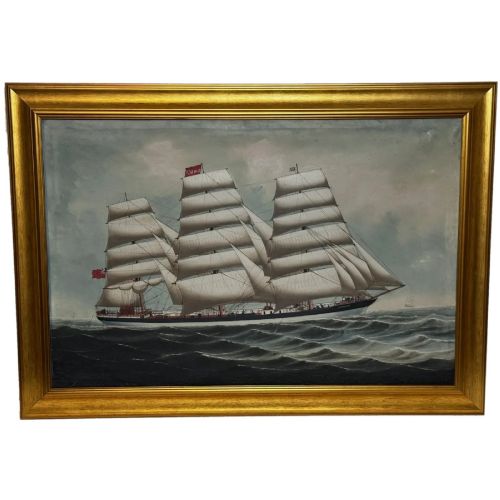
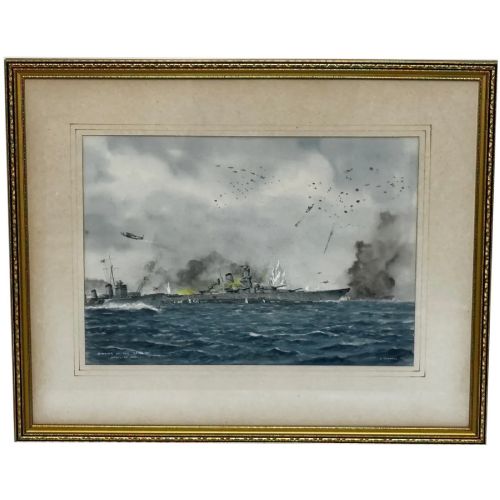
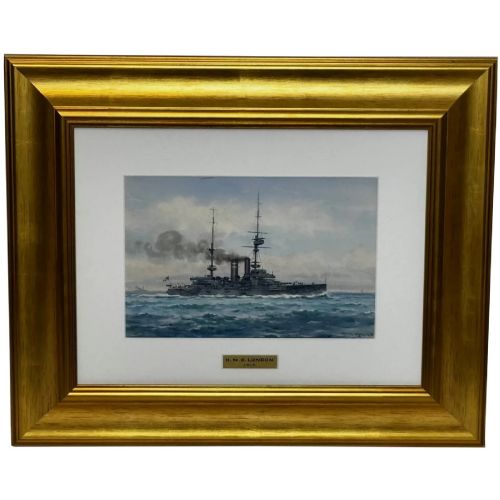
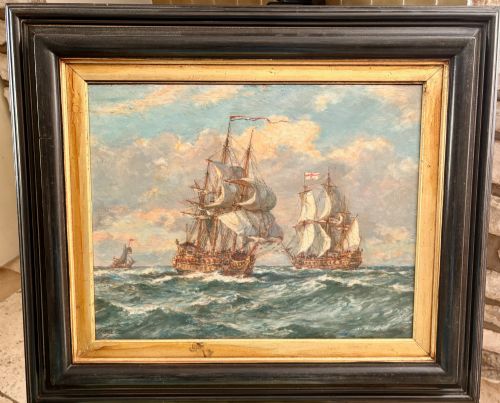
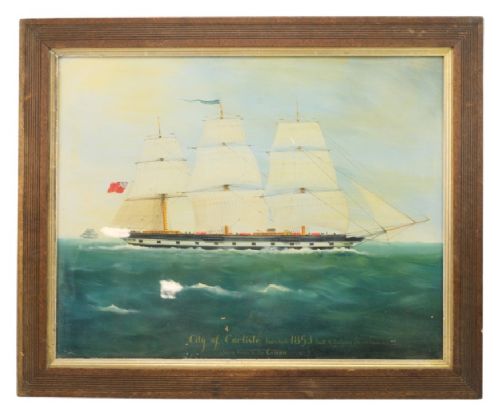
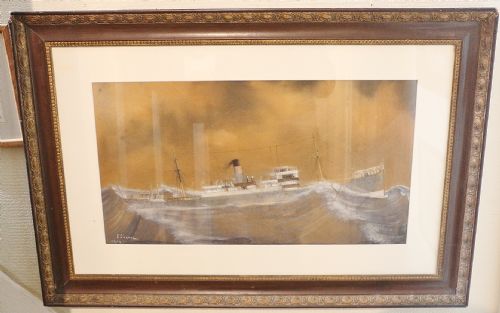
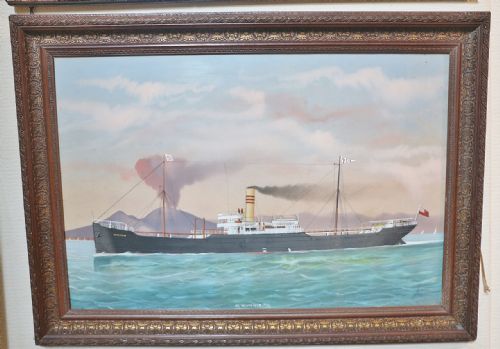
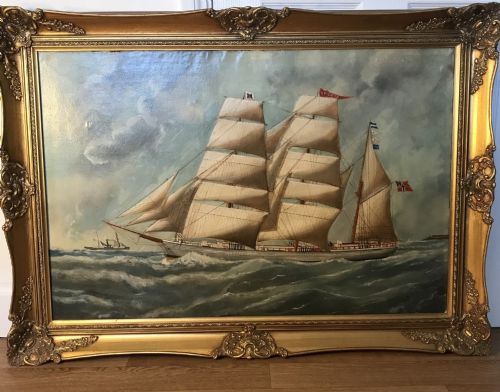
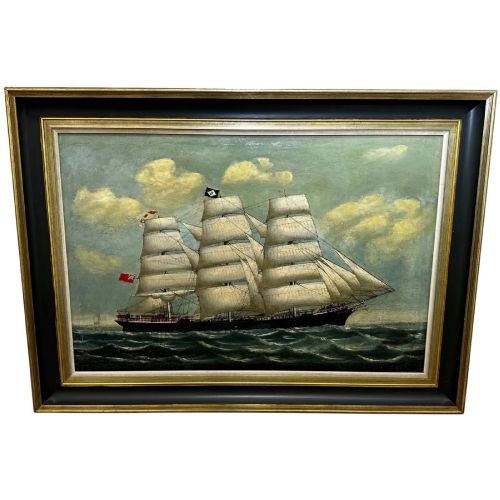
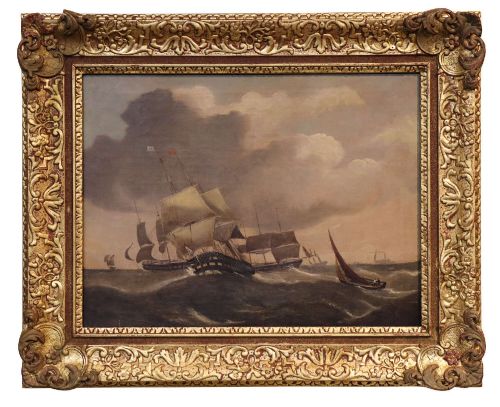
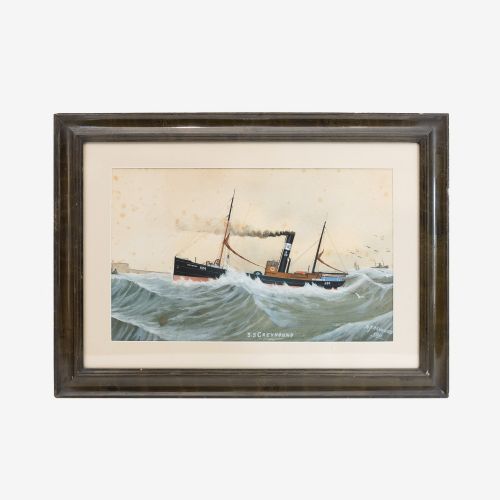
A vintage maritime vessel painting records naval destroyers, steamships, sailing barques, and coastal fishing boats upon canvas, paper, or board. These works emerge from Victorian, Edwardian, and mid-century periods, capturing specific historical vessels and dramatic coastal waters.
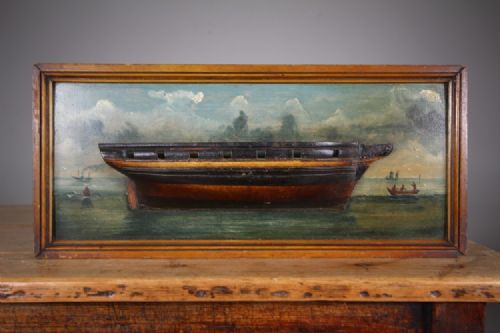
The buyer encounters oil paintings on canvas or board, detailed watercolours, gouache works, and occasional cased maritime dioramas. Pieces range from named portraits of merchant ships like the Slieve Roe to anonymous night seascapes and storm scenes.
Origins stretch from English and French schools to Neapolitan pierhead painters and Asian ports, reflecting global maritime routes and naval histories. Works vary from signed artist pieces to folk art and archival records of specific steamships.
Materials and construction methods
Artists deployed oil paint and watercolour on stretched canvas, primed wooden panels, paper, and gouache on board. Many works incorporate fine brushwork to delineate rigging, hull plates, and churning sea spray.
Framed watercolours and gouache paintings often use glass protection, whilst oil paintings utilise traditional canvas stretched over wood frames. Some pieces include mixed media elements like bodycolour on tinted paper to heighten contrast in stormy weather scenes.
Judging quality and execution
Quality rests upon the precision of naval architecture, the natural movement of water, and the artist's command of light upon sails and metal hulls. Master works capture the accurate rigging and technical details of specific vessels against convincing atmospheric conditions.
Execution ranges from competent pierhead records intended for shipowners to looser impressionistic or modernist interpretations by named marine artists. The presence of a clear signature, historical provenance, and documentary accuracy regarding named ships elevates the standing of a piece.
Reginald Arthur Borstel·Eric Tufnell·Frank Watson Wood·Bernard Gribble·F Corpuz·Bernard Benedict Hemy·Alexander Harwood·Vincenzo D Esposito·William Frederick Settle·Hendrik Willebrord Jansen·Dion Pears·Marie Edouard Adam
The Vintage Maritime Vessel Painting Glossary
- Pierhead painting
- A specialised genre of ship portraiture, typically created at major ports to record merchant vessels and steamships for captains or owners.
- Gouache
- An opaque watercolour medium that provides dense colour and sharp detail, frequently utilised in maritime works for crisp rigging and cresting waves.
- Barque
- A sailing vessel with three or more masts, having the fore and mainmasts square-rigged and the mizzenmast fore-and-aft rigged.
- Diorama
- A three-dimensional model depicting ships at sea within a curved or cased background, often combining painted backdrops with carved wooden hulls.
Vintage Maritime Vessel Painting: Frequently Asked Questions
What periods do these paintings cover?
The available works span from the mid-nineteenth century through the Edwardian era and into the mid-twentieth century. This timeline covers the transition from traditional sailing barques to steamships and twentieth-century naval vessels.
Earlier pieces often document specific historical sail and steam transitions, whilst later twentieth-century examples record mid-century merchant ships and naval engagements.
How do I identify named ships in the art?
Many maritime paintings include inscriptions on the mount, canvas margins, or verso detailing the vessel name, shipping line, and date. Artists frequently inscribed specific identifiers such as registry numbers or port locations directly onto the work.
Historical records and shipping registries often corroborate these titles, linking painted steamships and barques to actual maritime history.
Where were these maritime paintings created?
These works originate from various European art schools, including English and French maritime traditions, as well as specialised Neapolitan pierhead artists. Other pieces stem from Eastern trade ports such as Hong Kong.
Artists often worked directly at major shipping hubs or aboard vessels, recording local harbour traffic and international maritime routes.
How should I display maritime art?
Framed canvas oil paintings and glass-fronted watercolours require stable wall environments away from direct sunlight to preserve pigments and paper supports. Proper hanging ensures that heavier framed works are secured safely against structural wall supports.
Grouping pieces by period or subject highlights the evolution of shipping vessel design from wooden barques to steel-hulled steamships.