




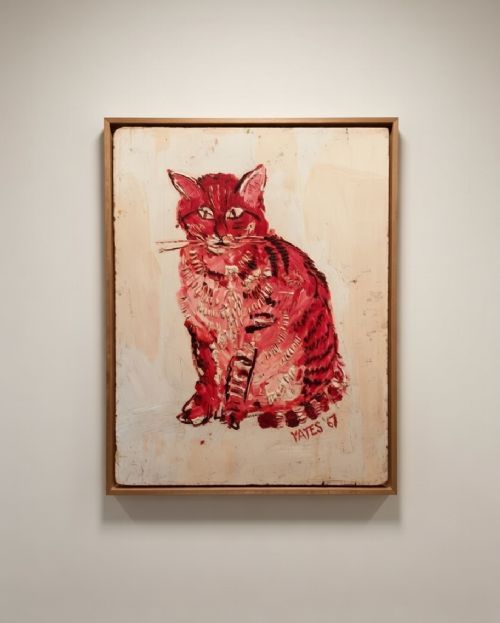
Vintage Naive Art Painting
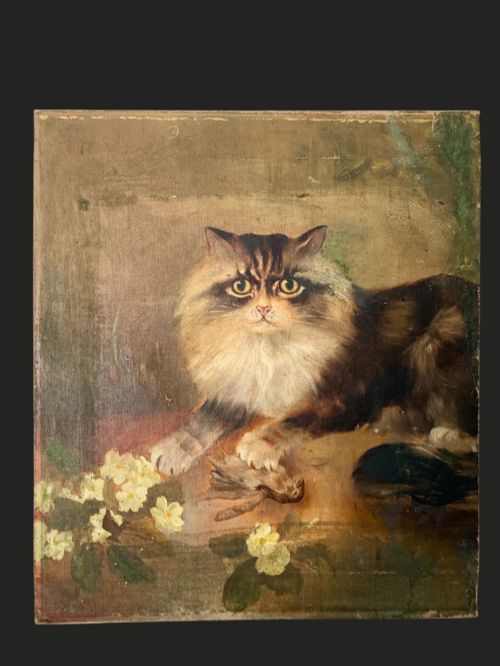
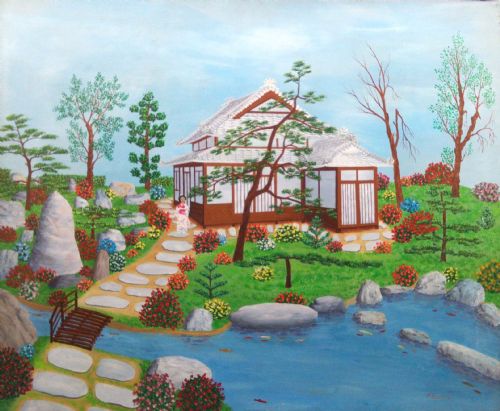
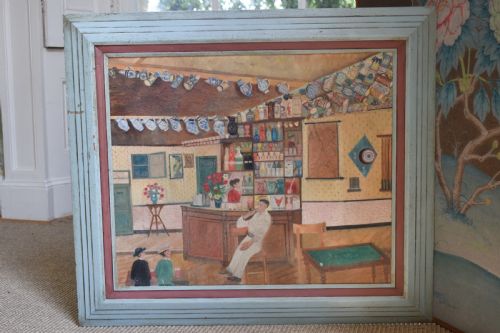
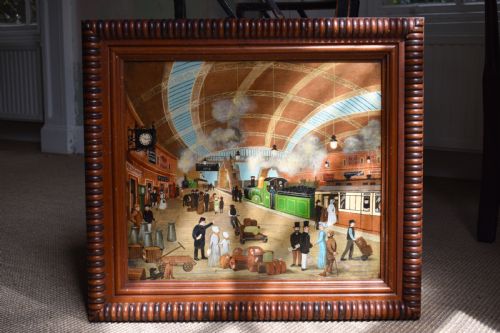
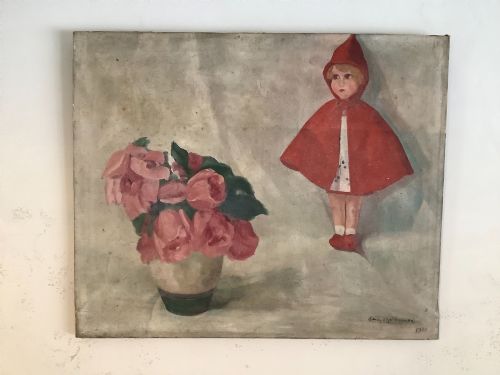
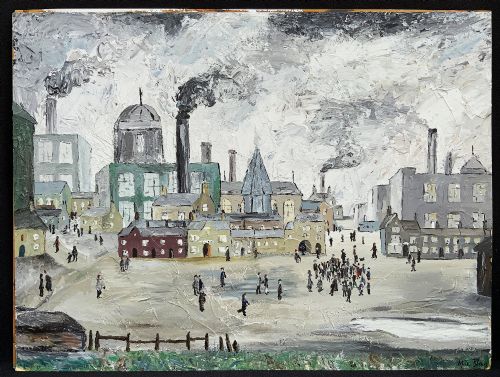
A vintage naive art painting brings direct, untutored vision to a wall, recording subjects from domestic pets to industrial townscapes.
Vintage Naive Art Painting
When you search for a vintage naive art painting, you encounter works created outside formal academic training, often dating from the nineteenth century through the mid-twentieth century. The style relies on personal perspective rather than traditional rules of proportion and linear perspective, giving the subjects an immediate and honest presence.
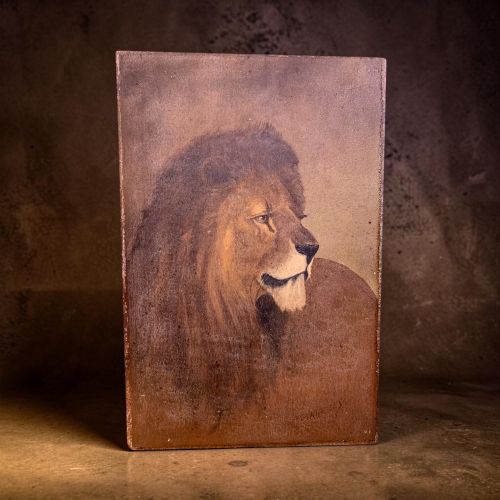
The selections on this page span British, American, and European schools, capturing subjects ranging from rural street scenes and bar interiors to animal portraits and industrial landscapes. Painters often rendered local scenes, family pets, and agricultural life with a distinct disregard for academic convention.
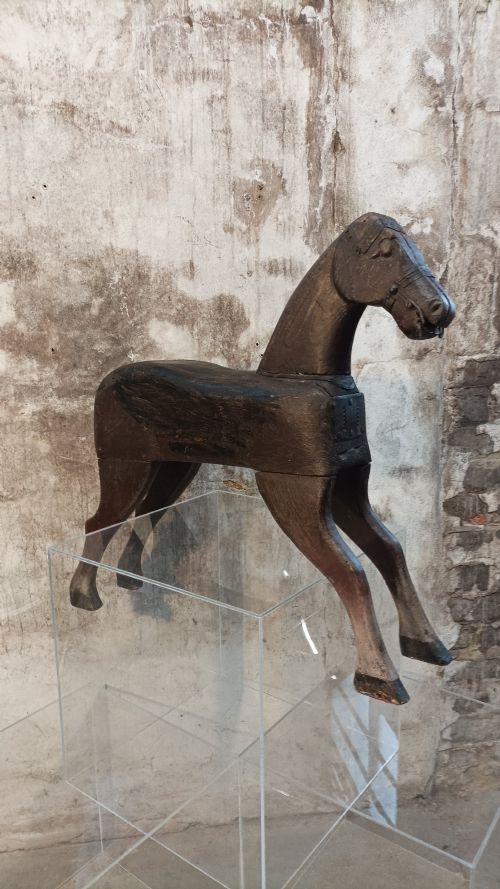
Alongside canvas and board paintings, the groupings include related sculptural objects such as painted wooden horses and carved figures, expanding the definition of the genre into three dimensions. These works offer a direct window into domestic and regional life across different decades.
Distinguishing quality in naive works
Quality rests on the strength of the composition and the conviction of the brushwork, where an artist's deliberate handling of form compensates for a lack of formal perspective. Stronger examples command attention through their confident use of colour and engaging narrative detail.
Condition plays a role, particularly the stability of the paint layer on wood and canvas, alongside the survival of original framing or surface patination that respects the age of the piece.
The inventory includes British Folk Art, American Folk Art, and European naive schools alongside sculptural rocking horses.
J Brown·Fred Yates·E H Windred·John Vine of Colchester·Irene Lagut
The Vintage Naive Art Painting Glossary
- Naive art
- Artwork created by a person without formal training in the classical techniques of perspective and proportion. It is characterised by a childlike simplicity and directness of expression.
- Folk art
- Traditional cultural expression created within a community, encompassing paintings, sculptures, and everyday items made by self-taught makers. It reflects regional traditions and local materials.
- Oil on board
- A painting technique where oil paint is applied to a rigid wooden or cardboard panel rather than stretched canvas. This surface was common for smaller, portable works.
- Outsider artist
- A creator working completely outside the mainstream art world and established cultural norms. Their work often develops in isolation from contemporary artistic trends.
- Provenance
- The documented history of ownership of an artwork, tracing its path from the maker or initial collection to the present day. It helps establish authenticity and origin.
Vintage Naive Art Painting: Frequently Asked Questions
What defines a naive painting?
A naive painting is created by an artist without formal academic training, resulting in works that ignore strict rules of perspective and anatomical proportion. Instead, they rely on personal observation and direct emotional expression.
This lack of academic polish gives the subjects an honest, unpretentious character that appeals strongly to collectors of folk art and vernacular history.
How do I date a naive painting?
Dating relies on examining the physical support, such as the type of wood board or canvas weave, alongside any visible signatures, dates, or framing materials. Stylistic clues in clothing, architecture, and technology depicted in the scene also offer reliable periods.
Comparing the brushwork and subject matter to known works by documented naive painters or regional schools helps narrow down the decade of creation.
Where were these paintings displayed?
Historically, these works hung in domestic spaces, country houses, local pubs, and regional businesses rather than grand galleries. They recorded everyday surroundings, local characters, and beloved animals for ordinary people.
Today, they suit modern interiors seeking character, texture, and a sense of history without the formality of traditional academic art.
Are frames original to the pieces?
Many paintings retain frames appropriate to their period, though framing often changed over decades of ownership as styles shifted. An older frame with matching wear and patination adds to the historical integrity of the artwork.
Inspect the joinery and finish of the frame to determine whether it has lived with the painting for its entire existence or represents a later pairing.