




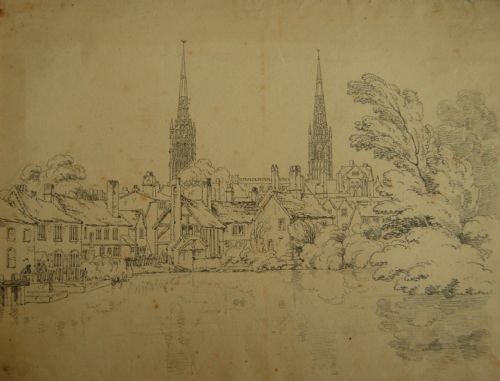
Pencil Landscape Artwork
These pencil landscape artwork pieces capture quiet views and distant places drawn by hand on paper.
Pencil Landscape Artwork
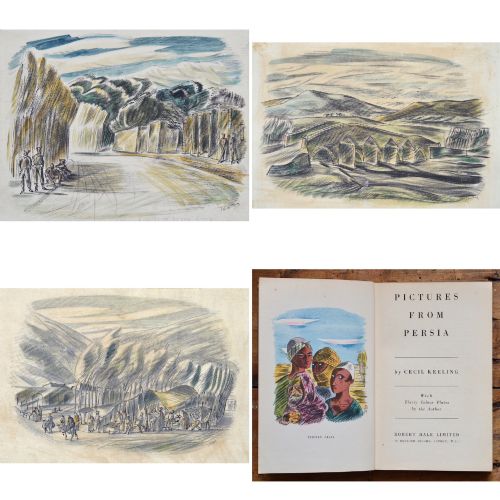
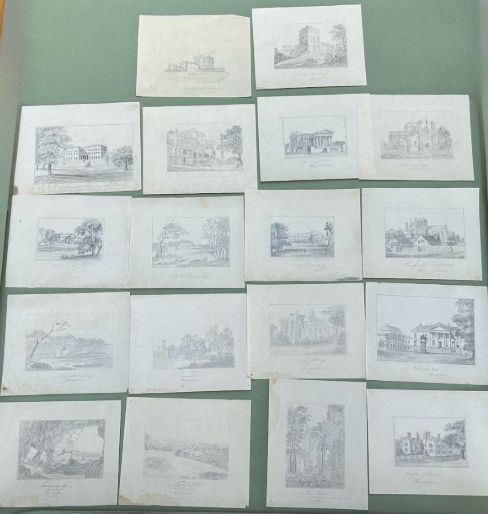
When you search for pencil landscape artwork, you are looking at original drawings that capture scenery, buildings and natural views through graphite and wash on paper. These pieces range from early nineteenth century architectural studies and Hampshire landscape sketches to twentieth century British townscapes and wartime drawings.
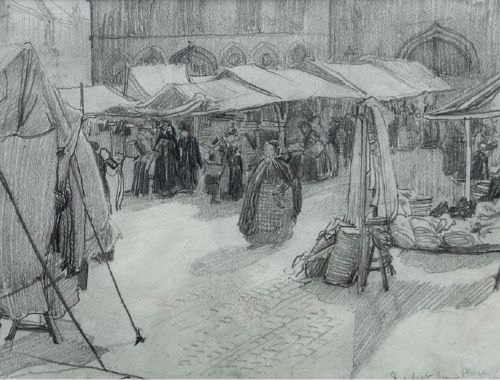
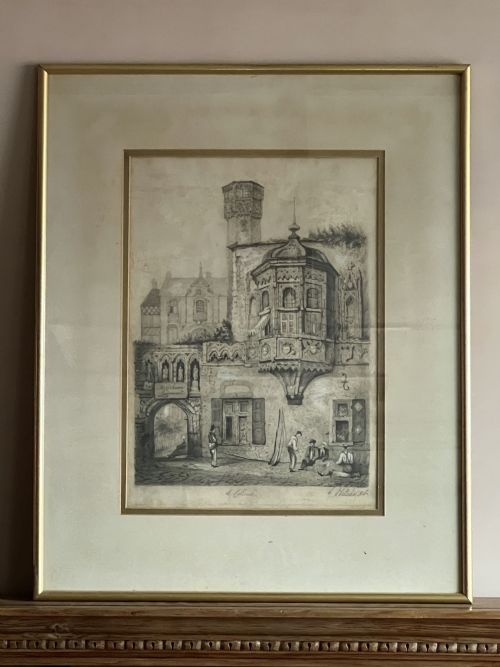
The works you meet on this page span several periods, including Edwardian pieces, works from the eighteen hundreds, and mid twentieth century creations. Artists recorded scenes across Britain and continental locations such as Bruges, Coblentz, Dublin and Arles using simple drawing tools.
How they were made
Makers drew these scenes using graphite and coloured pencil on paper, often combining pencil lines with ink and watercolour washes to add depth and tone. Many works are framed behind glass in gilt wood frames that protect the delicate paper surface.
Artists worked directly on paper during travels or in studios, capturing fine architectural details and natural light through careful shading and precise strokes. The combination of pencil with watercolour and wash created varied textures across both small sketches and finished drawings.
Listings feature works created across multiple decades, spanning the nineteenth century, Edwardian period, and nineteen thirties and forties.
What varies in quality
The distinction between ordinary sketches and finer works lies in the sureness of the line and the precision of the perspective. Stronger pieces show a confident handling of graphite and wash that brings depth to buildings and landscapes.
Condition and provenance also shape the standing of a drawing, with signed works, detailed architectural studies, and pieces linked to specific publications or notable artists holding distinct visual interest.
Cecil Keeling·Henry Percy Huggill·J W Hogley·William Russell Flint·Sir Francis Leggatt Chantrey·Fred Lawson·Irene Lagut·Henry Edridge
The Pencil Landscape Artwork Glossary
- Graphite
- A form of carbon used in pencils to create marks ranging from soft dark lines to hard pale grey strokes. It forms the primary medium for linear drawing.
- Wash
- A thin, transparent layer of diluted ink or watercolour applied across paper to create tonal depth and shadow behind pencil lines.
- Watercolour
- A paint made from pigment suspended in a water soluble vehicle, frequently used alongside pencil and ink in topographical drawings.
- Edwardian
- Pertaining to the reign of King Edward VII, spanning the early twentieth century up to nineteen ten, noted for particular artistic styles.
- Gilt wood
- Wood that has been covered with a thin layer of gold leaf or gold paint, commonly used for traditional picture frames.
Pencil Landscape Artwork: Frequently Asked Questions
What periods do these drawings come from?
The works span from the early nineteenth century through the Edwardian era and into the nineteen forties. You will find pieces reflecting both nineteenth century European traditions and mid twentieth century British art.
Dates are recorded where the evidence provides them, ranging from eighteen hundred sketches to wartime drawings from nineteen forty one.
How are these artworks usually framed?
Many drawings are presented in traditional frames featuring glass and gilt wood surrounds. These materials serve to protect the fragile paper surface from dust and handling.
Original framing often reflects the period in which the drawing was created or later mid century presentation choices.
What materials did the artists use?
Artists relied primarily on pencil, graphite and coloured pencil applied to paper supports. Many pieces also incorporate ink and watercolour washes to build up tones and colours.
Some works combine mixed media techniques, particularly in mid twentieth century pieces that layer pencil with watercolour and wash.
Where do the landscape subjects come from?
The subjects include British locations such as Hampshire, Lincoln, Coventry and Bainbridge. Other works depict continental European scenes in places like Bruges, Coblentz, Dublin and Arles.
These compositions range from rural landscape views and wooded scenes to specific townscapes and architectural studies.