

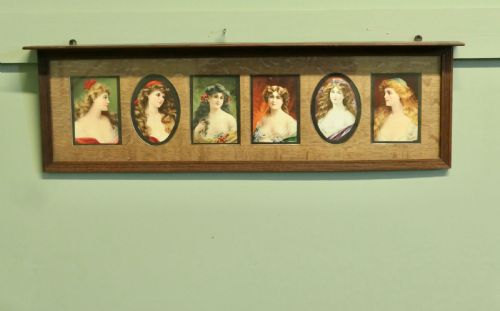


Vintage Miniature Wall Art
Vintage miniature wall art brings intimate portraits and intricate scenes into small spaces, offering collectors a glimpse into past centuries through delicate craftsmanship.
Vintage Miniature Wall Art
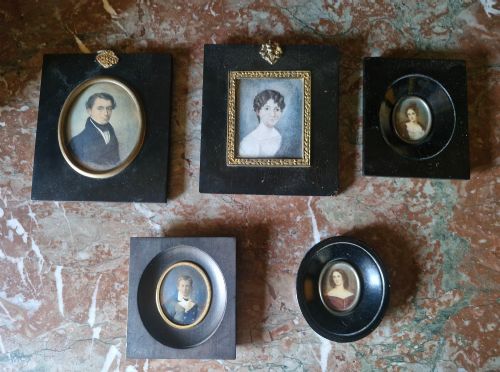
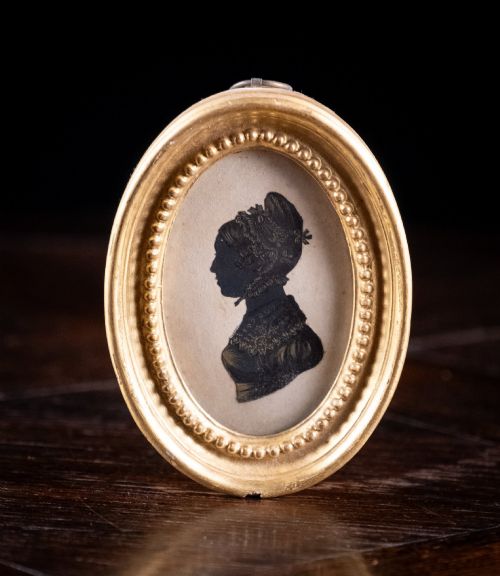
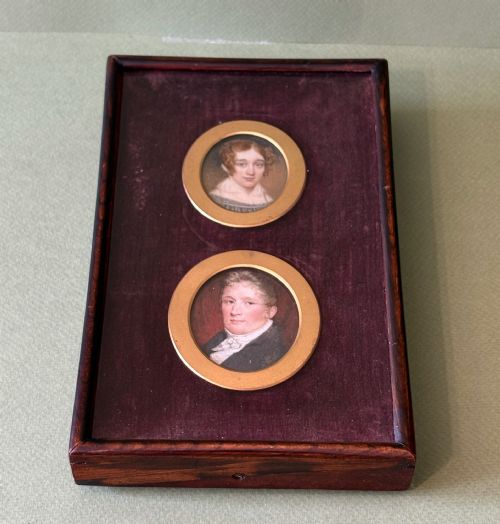
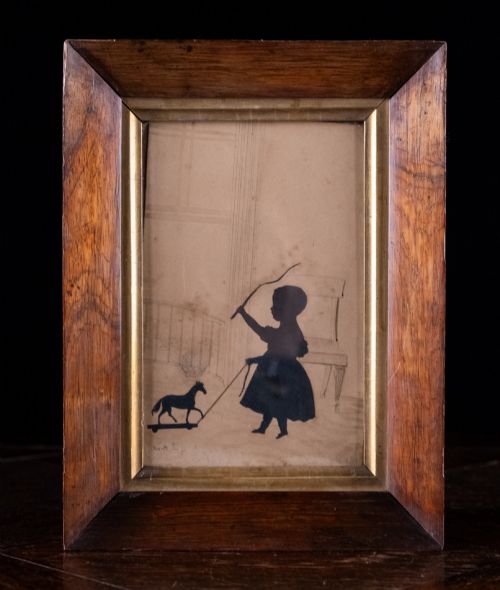
Vintage miniature wall art comprises small-scale framed pieces, ranging from painted portraits and silhouettes to delicate watercolours and gouache studies. These works span periods such as the Georgian, Regency, and Victorian eras, bringing domestic scaled detail to interior spaces.
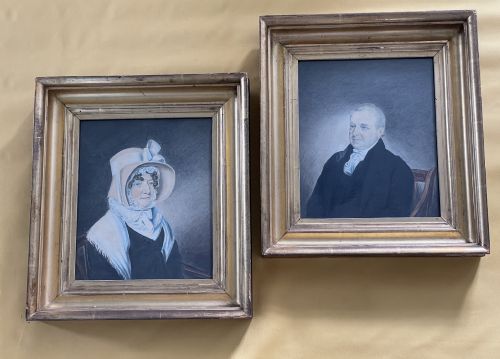
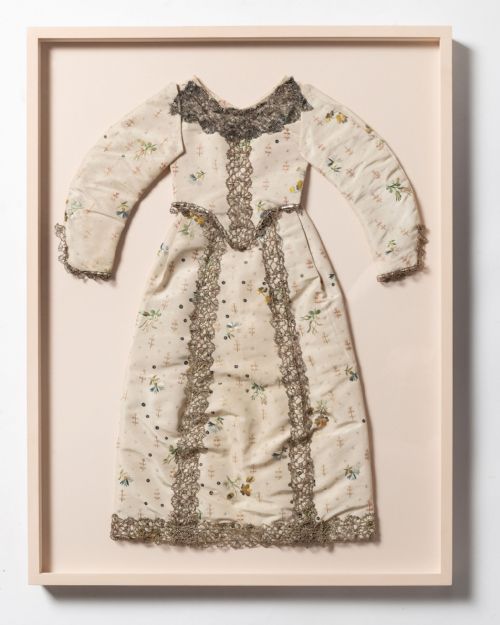
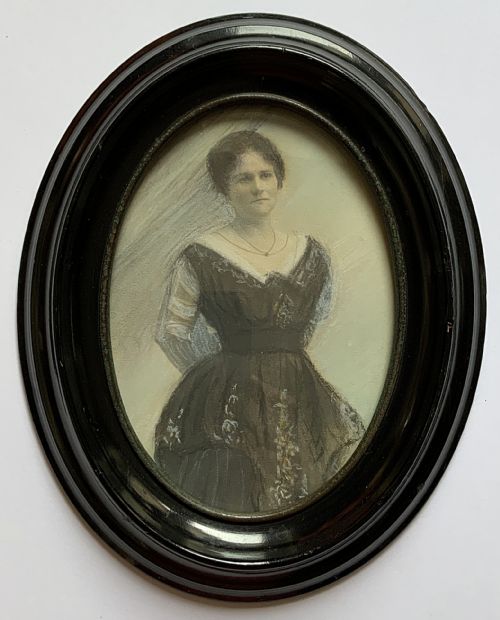
Buyers most frequently encounter painted miniature portraits on paper, card, or ivory, alongside silhouette profiles and small framed textiles or prints. These works often appear in pairs or sets, framed in ebonised wood, gilt wood, or brass.
The selection ranges from early portrait miniatures to American folk art pieces, Indian gouache paintings, and European still lifes. Each piece offers a concentrated study in scale, demanding close inspection rather than distant admiration.
Materials and Methods
Makers utilised fine supports including paper, card, ivory, and silk, applying watercolour, ink, gouache, or oil paint with exceptional precision. The use of plumbago and pastel also appears across portraiture.
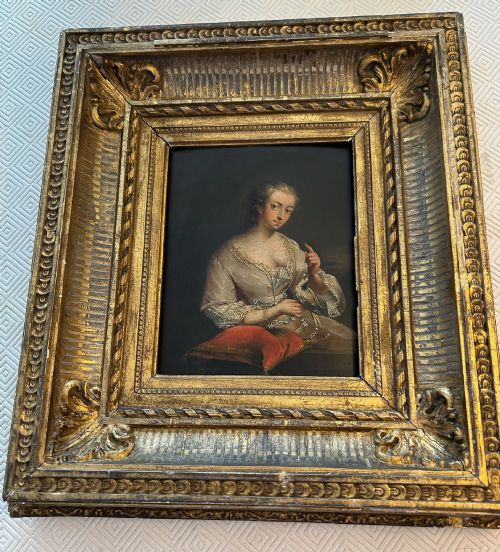
Frames play a structural and aesthetic role, constructed from ebonised wood, rosewood, brass, and gilt wood, sometimes housing convex glass to protect the delicate surface beneath. Certain examples utilise specialised wall shelving to display multiple mounted works together.
Evaluating Quality and Execution
The distinction between ordinary and exceptional pieces lies in the precision of the brushwork and the psychological depth captured in portraiture. Finer examples display meticulous control of light and expression despite the microscopic scale.
Original framing and mounting contribute significantly to the integrity of a piece. Period frames matched correctly to the artwork elevate the object, while poorly matched modern replacements diminish the historical context.
Augustin Edouart·John Smith of Edinburgh·Del Buono
The Vintage Miniature Wall Art Glossary
- Silhouette
- A solid shape of a person or object, usually shown in profile and painted in black or cut from paper. These profiles gained popularity during the 18th and 19th centuries.
- Plumbago
- A drawing executed in graphite, taking its name from the Latin word for lead ore. Artists used this medium for highly detailed monochrome portrait miniatures.
- Gouache
- An opaque water-based paint that allows for rich, matte colour application. It frequently appears in Indian and European miniature paintings from the 18th and 19th centuries.
- Ebonised wood
- Timber treated to resemble ebony, a dense dark wood. It provides a stark, contrasting border that accentuates the delicate tones of miniature portraits.
Vintage Miniature Wall Art: Frequently Asked Questions
How were miniature portraits displayed?
Owners typically hung these small works in intimate spaces such as boudoirs or private studies, grouping multiple pieces together on a wall. Some were designed to be carried or kept in cases before finding a permanent place on display.
Today, collectors often arrange pairs or sets of silhouettes and watercolours in tight groupings to create a focal point in a hallway or above a mantelpiece.
What materials are used in miniature paintings?
Artists painted on delicate surfaces such as paper, card, ivory, and prepared panel, utilising watercolour, oil, gouache, and ink. The support material often dictates the texture and luminosity of the finished image.
Protective elements usually include glass and tightly fitted wooden or brass frames, which shield the fragile pigments from dust and moisture over the centuries.
How do I date a silhouette portrait?
Dating relies heavily on the style of dress, hair styling, and the framing materials associated with specific periods like the Regency or Victorian eras. Examining the back of the frame can also reveal period handwriting or trade labels.
Costume details provide the most reliable clues, as fashion changes strictly tracked the decades from the 18th century onward.
Are these pieces fragile?
Due to their age and delicate media like watercolour and paper, these items require careful handling and protection from direct sunlight. Ultraviolet light can fade pigments significantly over time.
Displaying them away from direct heat sources and bright windows ensures the preservation of the delicate paint and paper supports.