



Vintage Milk Jug Pottery
These vintage milk jug pottery pieces are ceramic vessels from past centuries shaped for table service and prized for their traditional forms and decoration.
Vintage Milk Jug Pottery
When you search for vintage milk jug pottery, you encounter a range of functional vessels spanning the eighteenth, nineteenth, and early twentieth centuries. These pieces encompass creamers, cream jugs, and pitchers originating from English, Welsh, and French kilns.
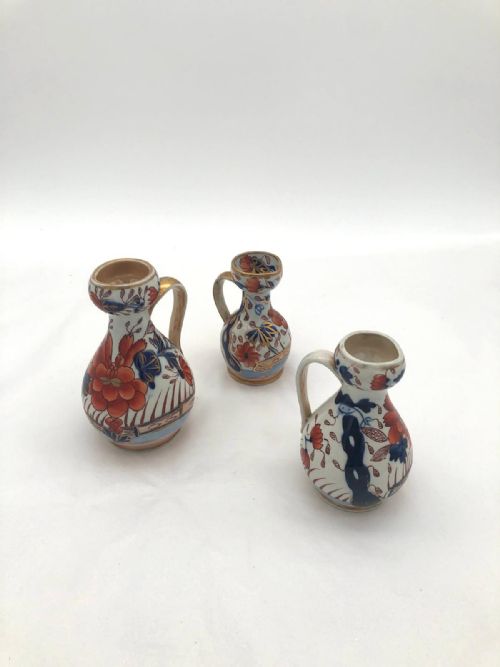
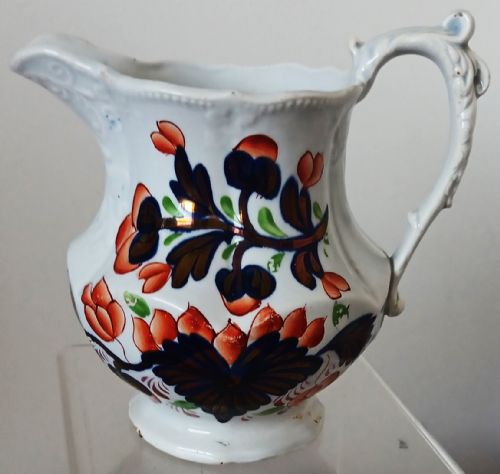
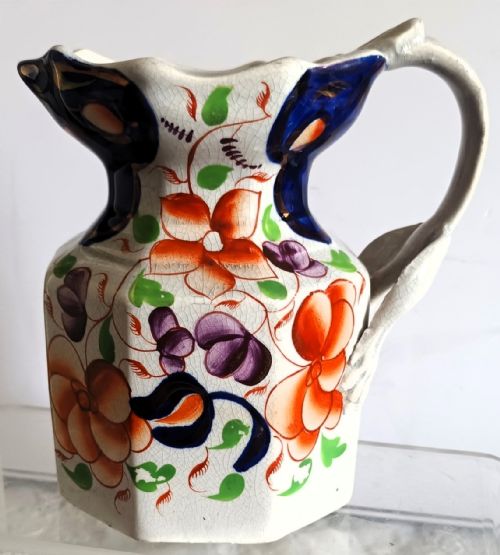
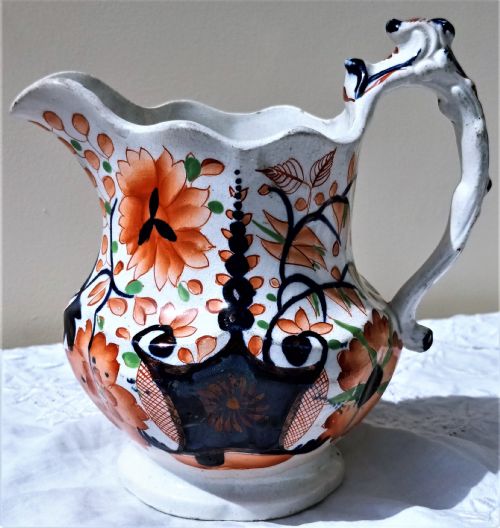
Most examples date from the Victorian and Georgian periods, showcasing hand-painted motifs, transfer printing, and lustrous glazes. Buyers find both utilitarian items and decorative tablewares designed for milk and cream service.
How they were made
Potters shaped these vessels using earthenware, ironstone, pearlware, and creamware bodies, often building them on a potter's wheel or casting them in moulds. Finished bodies received specialised glazes before undergoing kiln firing to set the ceramic structure.
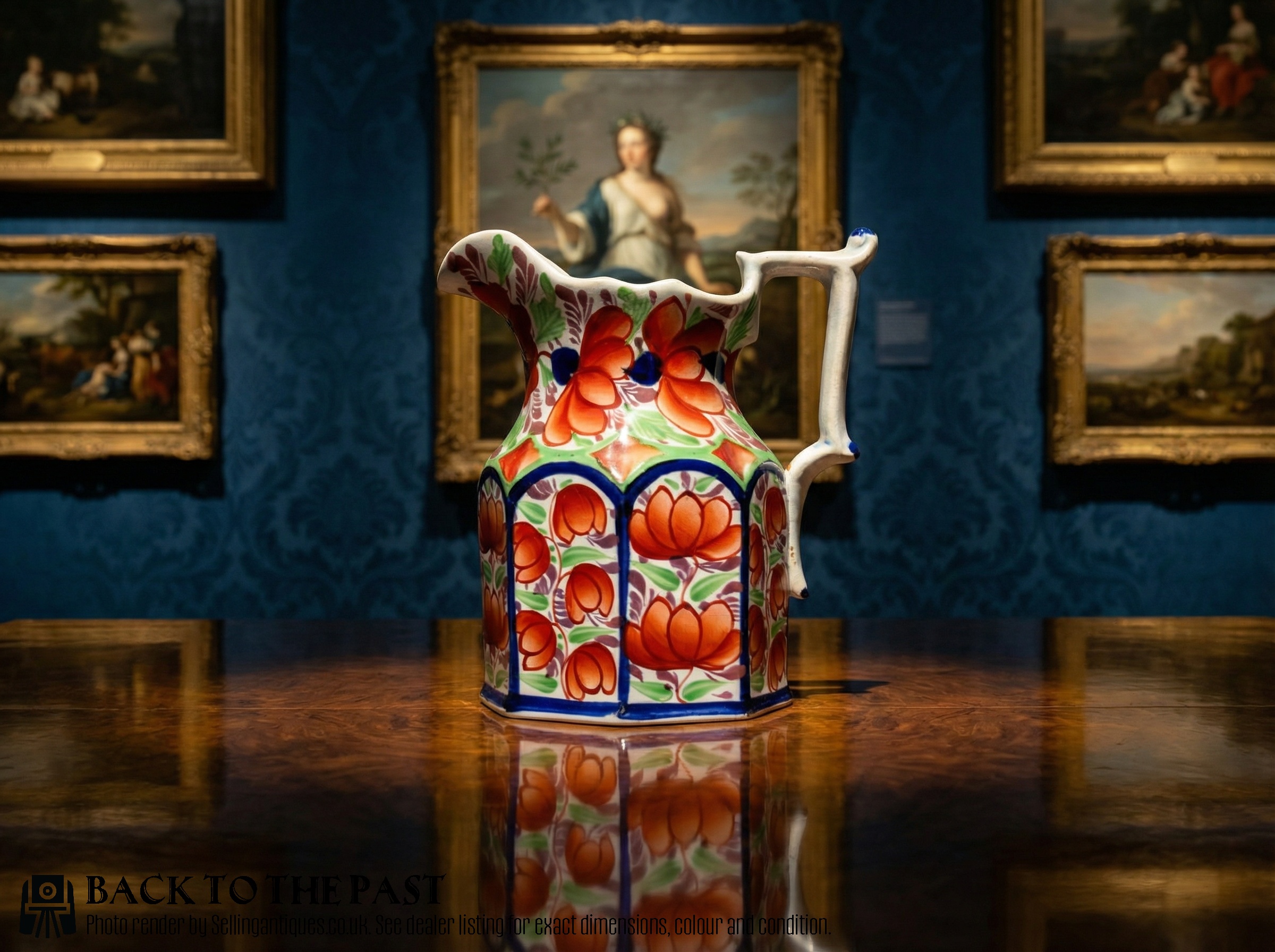
Decoration relied on hand painting, enamel application, and purple transfer printing to render floral patterns, oriental scenes, and architectural subjects. Specialised techniques like lustre glazing imparted metallic sheens across surfaces.
Vintage Milk Jug Pottery Retail Price Guide 2026
Typical asking prices for vintage milk jug pottery among the pieces listed under this phrase on Sellingantiques today, from the lower quarter to the upper quarter. They describe what is for sale here now, not the wider market.
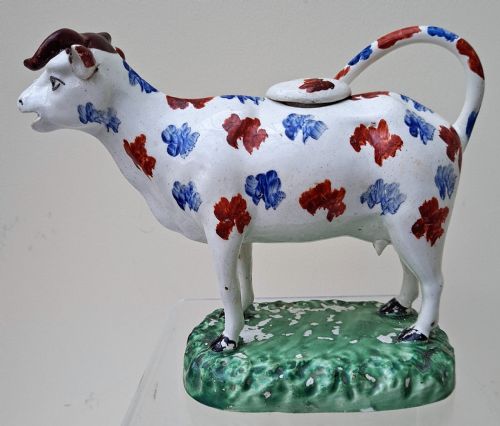
Cow creamers invite milk to be poured directly from a ceramic bovine's mouth.
What varies in quality
The refinement of the ceramic body and the crispness of moulded details set individual pieces apart. Ironstone and porcelain examples generally exhibit greater structural durability than standard earthenware bodies.
The execution of painted or transferred decoration dictates visual appeal, with hand-painted Gaudy Welsh motifs and detailed botanical prints commanding attention. Graduated sets and unusual figural forms like cow creamers represent higher specialisation.
Mason's Ironstone·Livesley Powell and Co·Copeland Spode·Leeds Pottery·Herculaneum
The Vintage Milk Jug Pottery Glossary
- Ironstone
- A durable type of heavy earthenware patented in the nineteenth century. It resists chipping better than traditional soft-paste pottery.
- Pearlware
- A refined earthenware developed in the late eighteenth century featuring a bluish-white glaze. It bridges the gap between creamware and later white earthenwares.
- Creamware
- A light-coloured refined earthenware perfected in Yorkshire during the eighteenth century. Its warm yellowish glaze defined early tablewares.
- Lustreware
- Pottery decorated with a metallic film that produces an iridescent shine. Makers applied copper, silver, or gold solutions before firing.
- Cow creamer
- A hollow ceramic vessel in the shape of a cow, designed to pour milk or cream from its mouth. These whimsical pieces date largely to the Georgian and Victorian eras.
Vintage Milk Jug Pottery: Frequently Asked Questions
How do I date an old ceramic jug?
Examine the base material, glaze characteristics, and any makers' marks stamped or painted underneath. Creamware points toward the eighteenth century, while ironstone and Gaudy Welsh patterns typically indicate the nineteenth century.
Compare the potting technique and decoration style against known regional outputs from Staffordshire, Wales, or France. Wear patterns and crazing in the glaze also offer clues to age.
What is a cow creamer?
A cow creamer is a ceramic pitcher moulded in the shape of a cow, with an opening on the back for filling and a pouring spout at the mouth. Staffordshire and Welsh potteries produced these novelty items during the Georgian and Victorian periods.
Collectors prize them for their folk art appeal and sculptural form. They served a practical function on the tea table while adding a touch of rustic charm.
How do I tell pearlware from creamware?
Creamware displays a warm, pale yellow or ivory tint in the glaze, particularly pooling in crevices and handles. Pearlware uses a small amount of cobalt in the glaze to create a bluish-white appearance that mimics Chinese porcelain.
Looking at the body colour where the glaze has worn thin helps reveal the underlying paste. Pearlware dates predominantly from the late eighteenth to the mid-nineteenth century.