

Vintage Military Painting
A vintage military painting captures the visual record of service, conflict and regiment through portraits, campaign scenes and maritime works spanning multiple centuries.
Vintage Military Painting
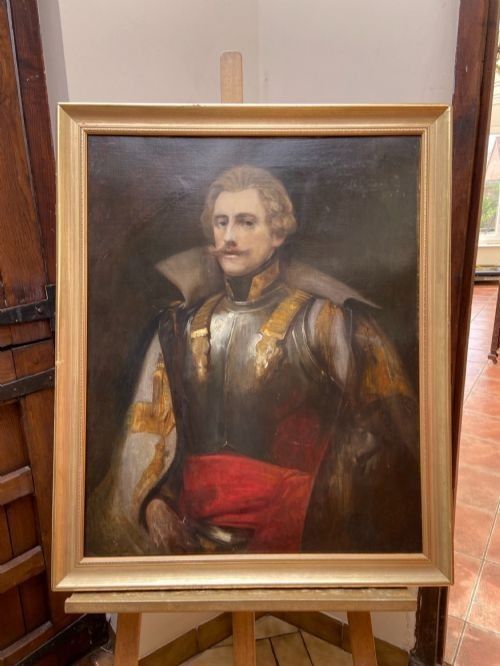
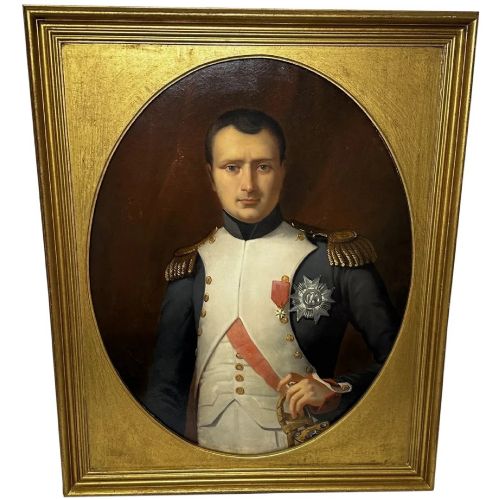
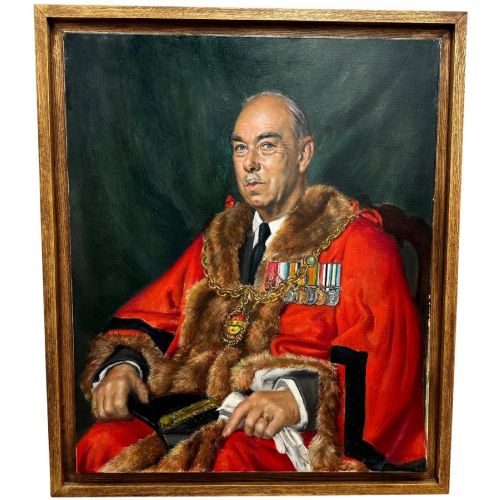
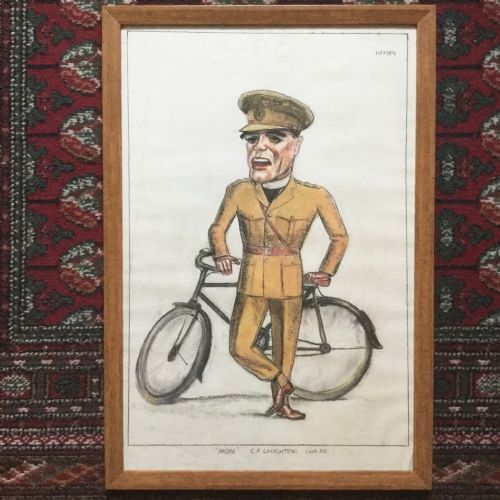
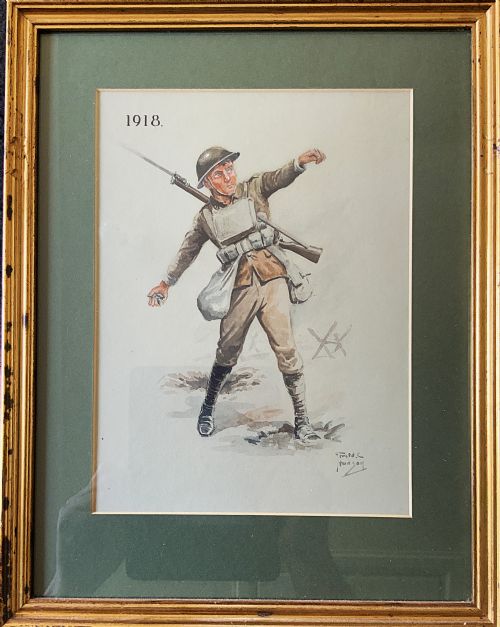
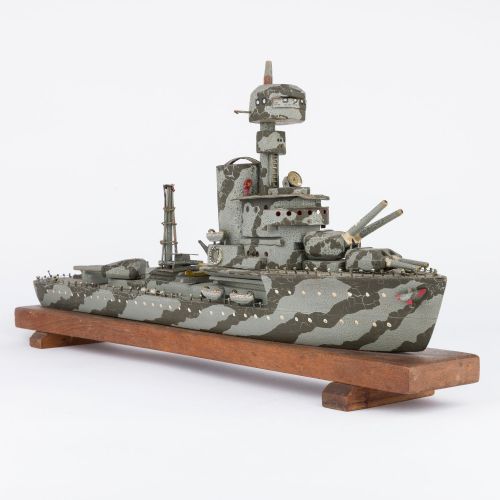
When you search for a vintage military painting, you encounter works ranging from formal officer portraits and wartime sketches to depictions of battleships and aircraft. The selection spans the nineteenth century through the mid-twentieth century, encompassing Edwardian outputs and wartime productions.
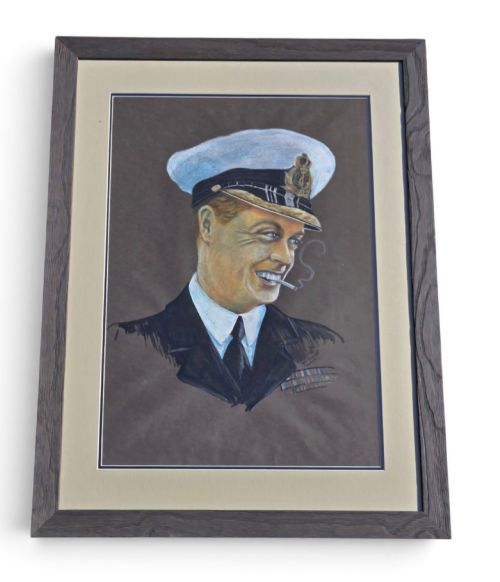
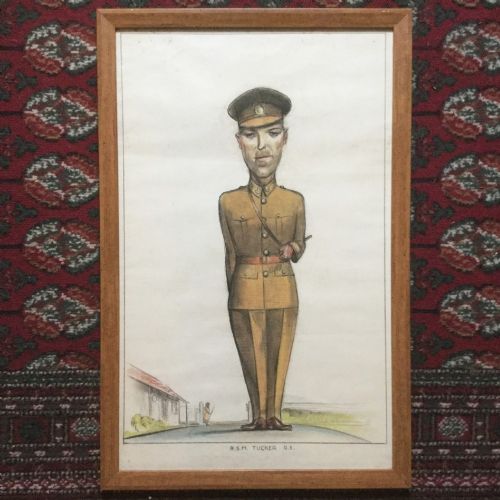
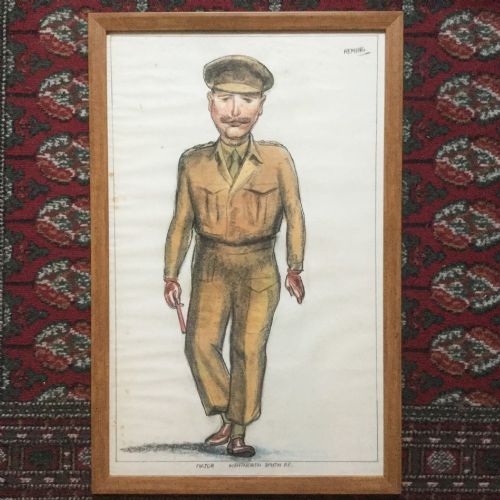
Portraits of officers, guardsmen and generals dominate alongside works recording specific historical conflicts and military personnel. These pieces appear in mediums such as oil on canvas, watercolour and pastel, framed for display on interior walls.
Materials and technique
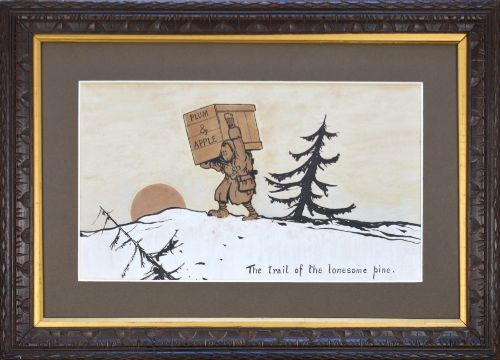
Artists utilise canvas, wood panels and paper supports for their compositions, applying oil paint, watercolour, gouache and pastel. Oil on canvas works provide deep colour saturation and durable surfaces, while works on paper utilise wash and pastel for rapid sketching during campaigns.
Frames of wood and glass protect the delicate watercolour and pastel sketches produced during wartime eras. The physical construction combines traditional fine art framing with utilitarian boards and panels suited to military subjects.
Vintage Military Painting Retail Price Guide 2026
Typical asking prices for vintage military painting among the pieces listed under this phrase on Sellingantiques today, from the lower quarter to the upper quarter. They describe what is for sale here now, not the wider market.
Listings feature works executed in oil on canvas, watercolour, pastel and gouache across the nineteenth and twentieth centuries.
Judging quality
Quality rests upon the precision of the draughtsmanship and the psychological depth captured in portraits of military personnel. Masterly brushwork on canvas distinguishes fine artistic output from standard regimental records.
The preservation of the pigment, canvas and supporting frame determines the integrity of the piece over time. Works exhibiting clear provenance and named subjects command greater attention from collectors.
Bruce Bairnsfather·Bernard Hailstone·Herskind·Dion Pears·Edith Alice Simkins·John A Houston·Jean Sobieski·Baruch Shalom Oskotsky
The Vintage Military Painting Glossary
- Gouache
- An opaque watercolour paint consisting of pigment, water, and a binding agent such as gum arabic. This medium dries to a matte finish and provides dense colour blocks.
- Pastel
- A dry painting medium in the form of a stick, consisting of pure powdered pigment and a binder. Artists utilise pastel for rapid portrait sketches on paper.
- Watercolour
- A painting method in which the paints are made of pigments suspended in a water-based solution. It creates translucent washes on paper supports.
- Provenance
- The chronology of the ownership, custody or location of a historical piece. Clear records establish the authenticity and historical context of military artworks.
Vintage Military Painting: Frequently Asked Questions
What subjects appear in these paintings?
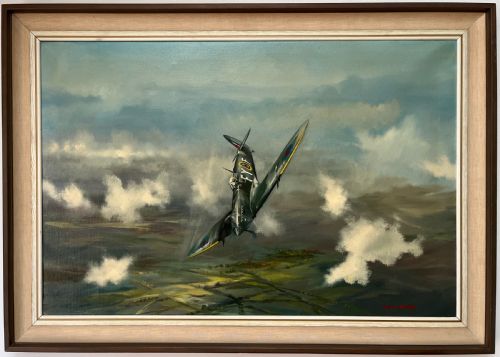
The artworks depict military personnel, including generals, captains, guardsmen and ordinary soldiers from various regiments. Scenes also feature naval battleships, aircraft such as Spitfires, and campaign environments.
Portraits range from formal commissions of high-ranking officers to rapid wartime sketches capturing individual servicemen during periods of active duty.
How should I display a vintage military painting?
Display these works on interior walls away from direct sunlight to protect delicate watercolours, pastels and oil pigments from fading. Secure appropriate wooden framing to support heavier canvases and panels.
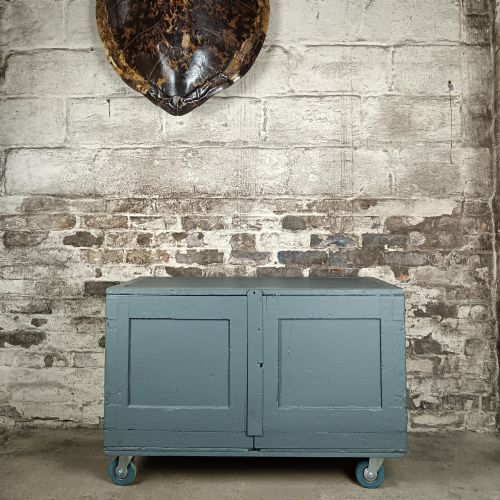
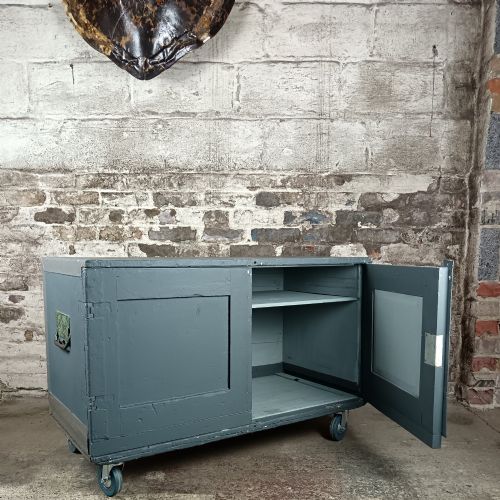
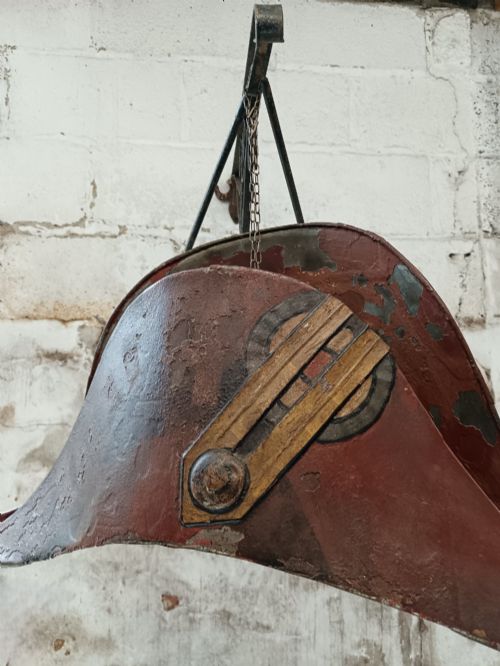
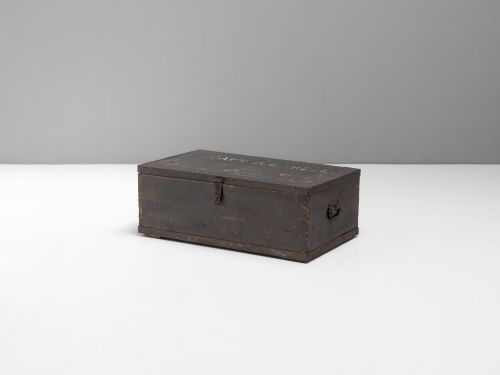
Pairing these artworks with period campaign furniture or nautical items enhances their historical context within a room.
What periods do these paintings represent?
The collection spans multiple eras, beginning with nineteenth-century pieces and nineteenth-century military styles. Edwardian works and twentieth-century wartime productions feature prominently.
Pieces also date through the nineteen-twenties, thirties, forties and fifties, reflecting both peacetime commissions and active conflict documentation.
Are these works signed by artists?
Many pieces feature visible signatures, inscriptions or documentation identifying the creator and the subject. Portrait sitters often include named officers, mayors and historical commanders.
Inscribed dates and regimental details frequently accompany the signatures, providing precise context for the creation of the artwork.