



Vintage Metal Kettle
These vintage metal kettle pieces bring warmth and utility to a room, spanning periods from the Georgian era through to the mid-century.
Vintage Metal Kettle
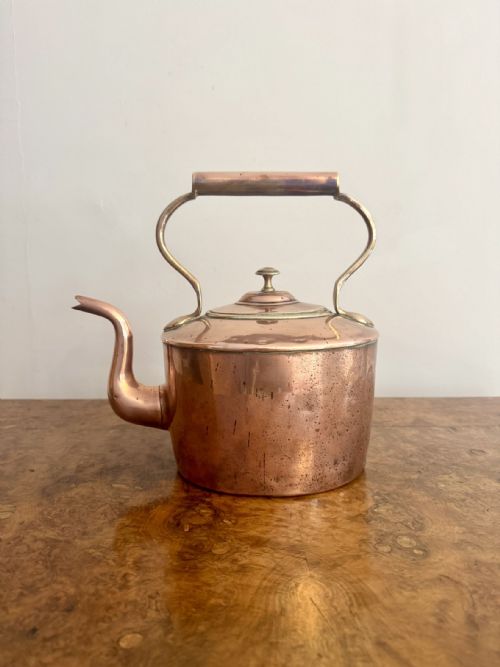
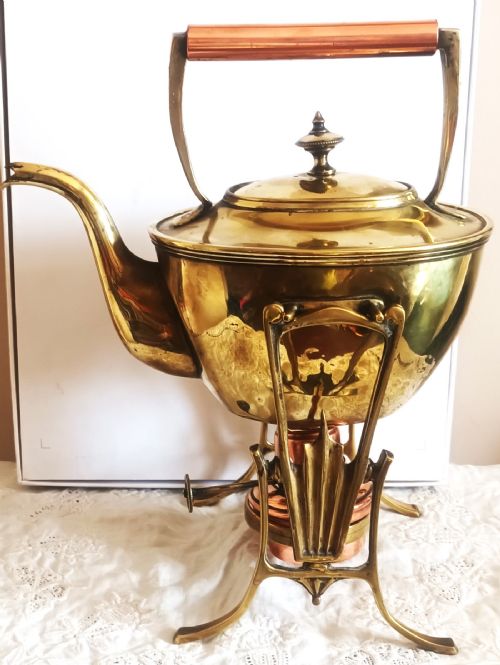
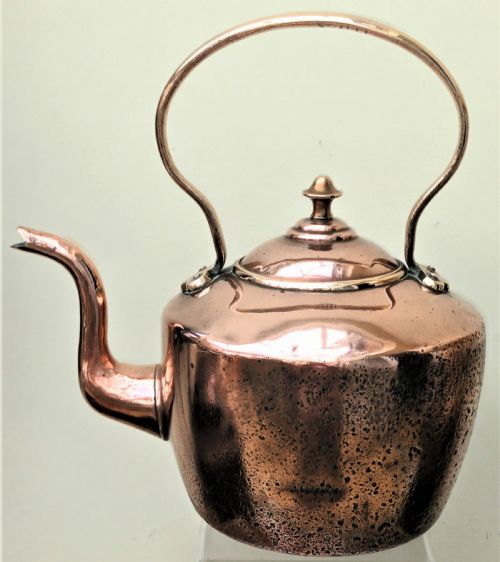
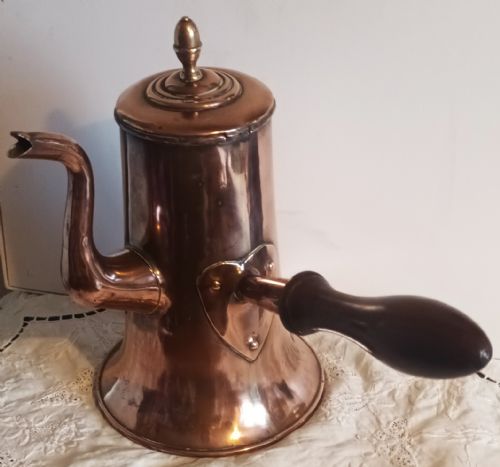
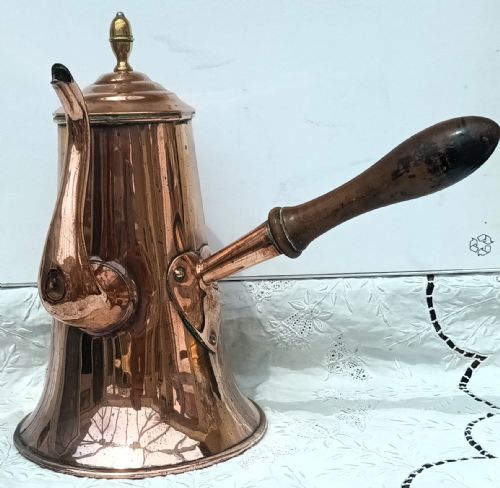
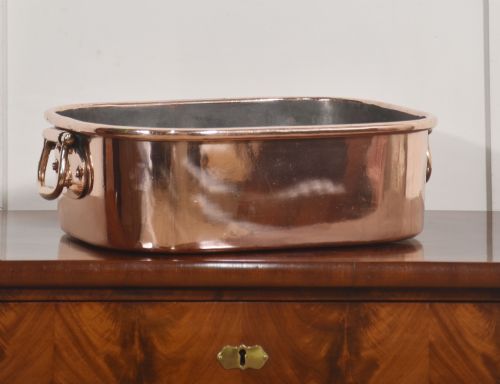
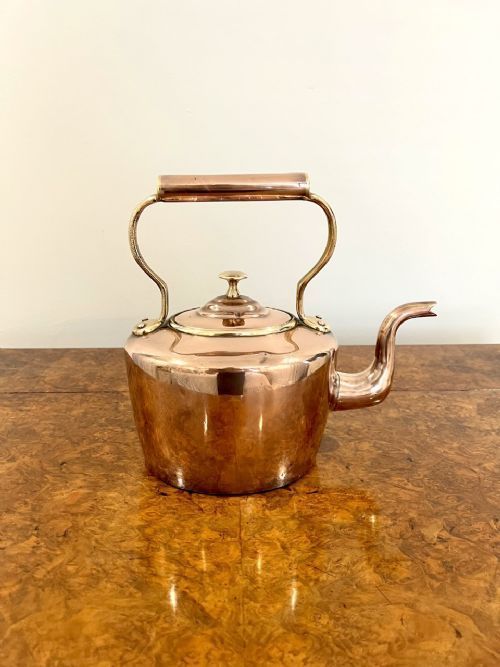
When you search for a vintage metal kettle, you encounter pieces designed for hearth and table use, originating across the Georgian, Victorian, Edwardian, and Arts and Crafts periods. The selection here leans heavily towards copper and brass tea vessels, spirit kettles with stands, and samovars.
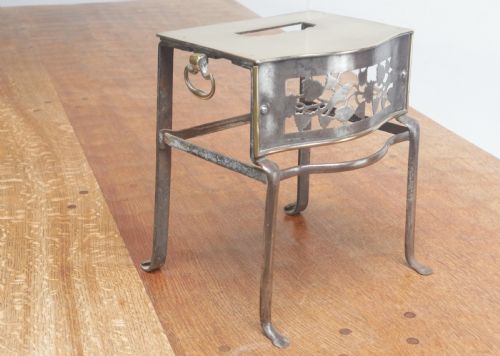
You also find related fireplace and serving accessories such as steel footmen, trivets, and coffee pots. Most examples originate from English workshops, alongside items from the Meiji period and the Middle East.
The domestic forms range from small daily-use vessels to large lidded pots and elaborate tea urns. Each piece reflects the utility and social rituals of its respective century.
Materials and construction
The primary metals shaping these objects are copper and brass, often paired with steel, iron, and occasionally bronze or ebonised wood for handles and fittings. Makers utilised sheet metal working techniques, hammering and joining bodies together to withstand daily heating.
Handles frequently incorporate insulated materials like wood to protect hands from heat during use. Stands and spirit burners involve more intricate metalwork, combining cast components with wrought iron or brass.
Listings feature copper and brass predominantly, alongside iron, steel, bronze, and ebonised wood across the 18th, 19th, and 20th centuries.
Assessing craftsmanship and finish
Quality in these vessels reveals itself in the weight of the metal and the precision of the seams and joints. Finer examples display careful hand-hammering and well-fitted lids that sit flush against the body.
Design complexity also separates standard utilitarian wares from superior pieces, particularly in items incorporating stands, burners, or decorative brass and bronze mounts. Maker attribution and restrained decorative detail often elevate the standing of a vessel.
William Soutter & Sons·Walker & Hall·Kibundo
The Vintage Metal Kettle Glossary
- Spirit kettle
- A tea kettle mounted on a metal stand above a small spirit burner. This setup kept the water hot at the tea table.
- Samovar
- A heated metal container traditionally used to boil and heat water for tea. These often feature a spigot near the base.
- Footman
- A metal stand placed in front of a fireplace to keep dishes warm. They are typically fashioned from brass and steel.
- Trivet
- A small metal support used to elevate a kettle or pot near a hearth. They feature legs and a flat top surface.
- Tetsubin
- A traditional Japanese cast iron kettle used for boiling water. They often feature textured body designs and fixed handles.
Vintage Metal Kettle: Frequently Asked Questions
How do I date a copper kettle?
Dating relies on construction methods, handle attachments, and stylistic markers associated with periods like George III or Victorian.
Hand-dovetailed seams and simpler mounting brackets typically point to earlier Georgian manufacture, while later Victorian pieces often show more standardised machine-rolled edges and heavier brass castings.
Can I use these kettles on a stove?
Most antique metal kettles are best suited for display rather than daily modern hob use.
Heating older soldered seams can compromise the structure, and many feature delicate interiors or spirit burner bases not intended for direct modern cooker heat.
What is the difference between a samovar and a kettle?
A kettle is designed to be heated over a fire or burner and poured directly.
A samovar is a larger urn equipped with an internal heating tube or a spirit burner underneath, featuring a tap at the base to dispense hot water.
How should I clean a brass or copper kettle?
Gentle washing with warm soapy water and a soft cloth removes everyday dust and grime safely.
Harsh chemical polishes strip away the natural patination that accumulates over centuries, which many collectors prefer to preserve.