
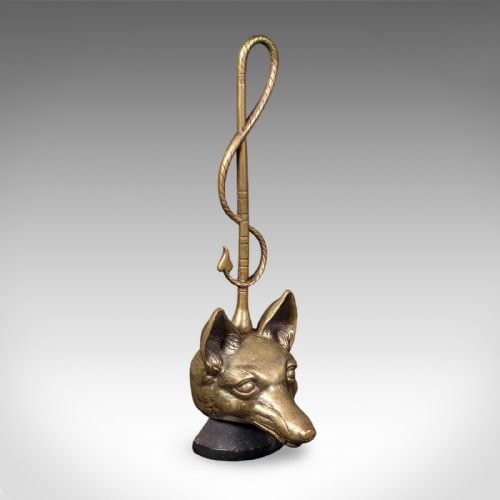


Vintage Metal Door Stop
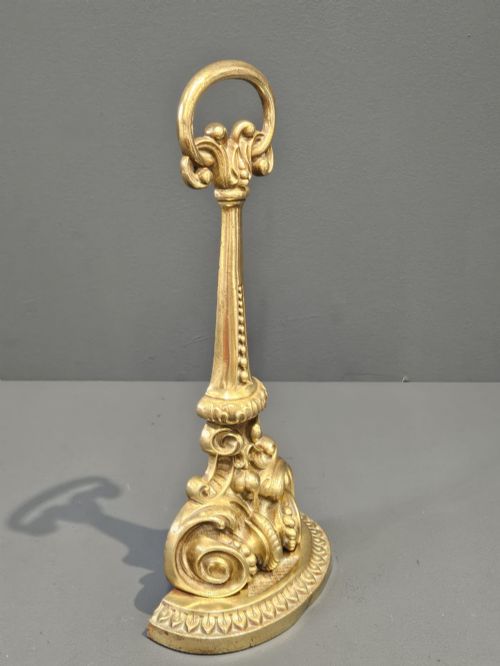
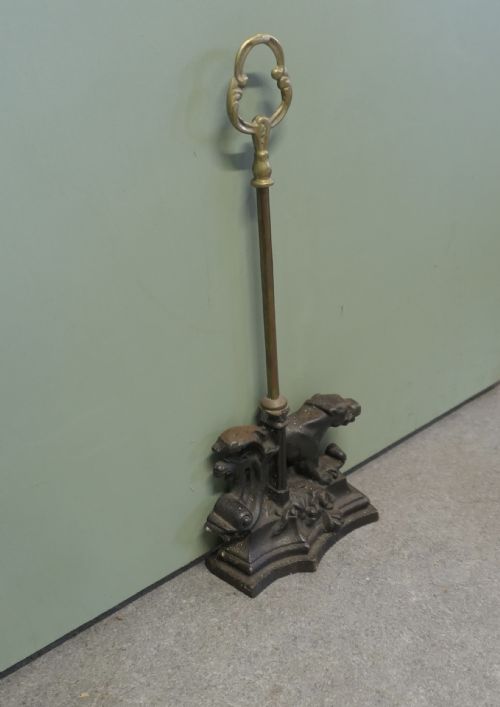
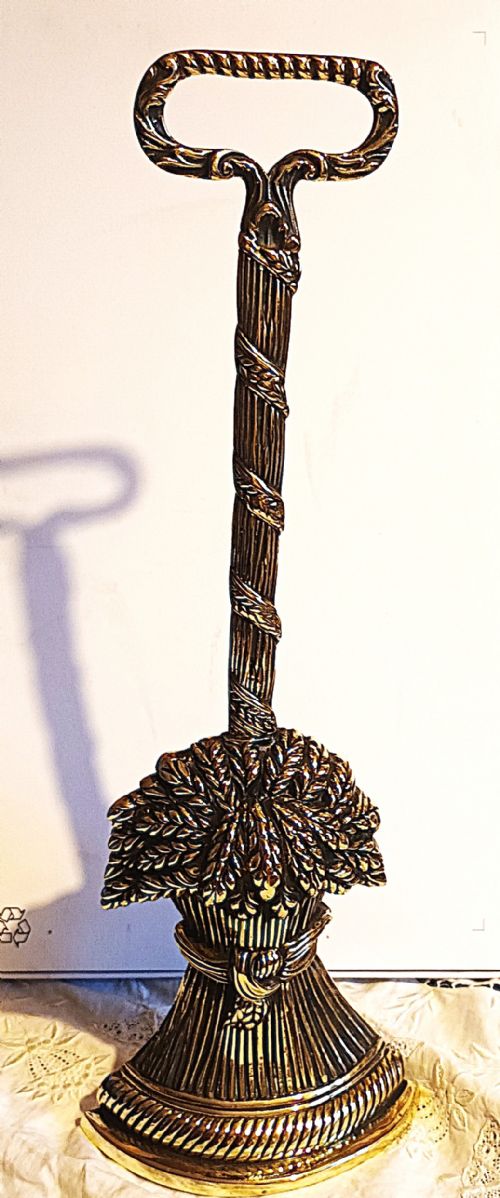
These vintage metal door stops are heavy functional ornaments designed to hold heavy doors open with distinct character.
Vintage Metal Door Stop
A vintage metal door stop is a substantial weight designed to keep heavy interior doors from swinging shut. The selection centres on nineteenth century and Victorian examples alongside Georgian, Regency, and Edwardian pieces.
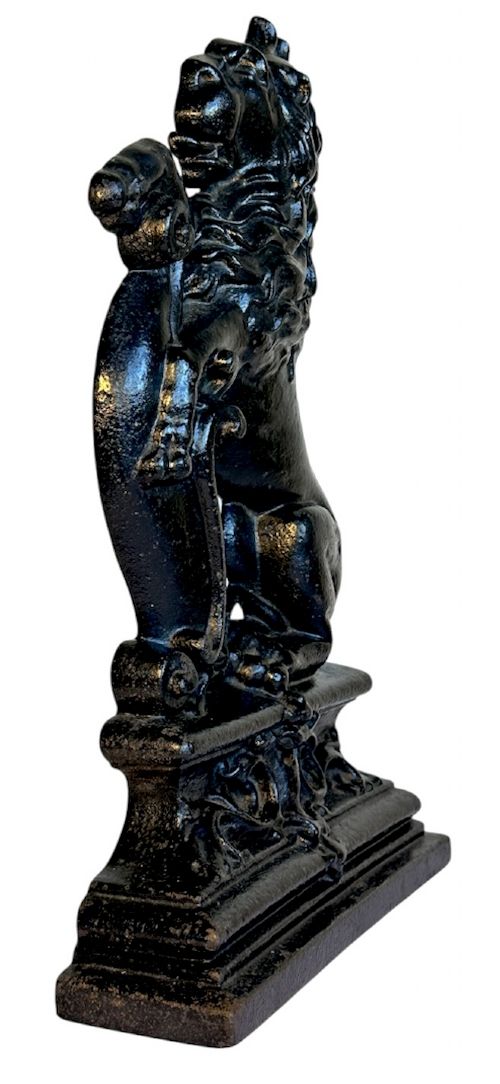
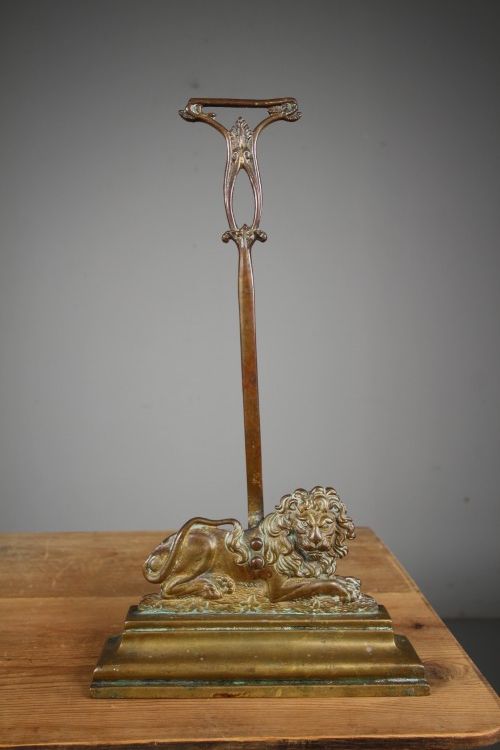
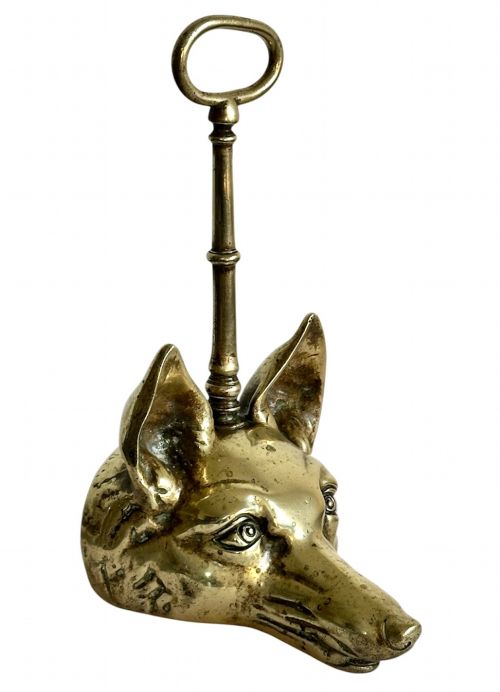
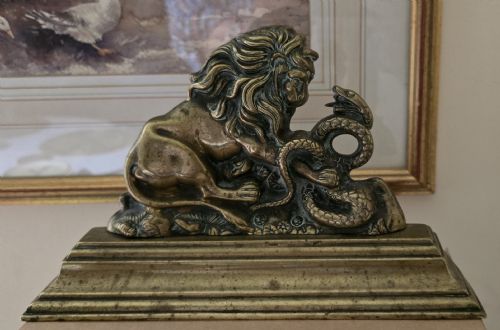
The most common forms encountered here are figurative door porters and doorstops modelled as animals and characters. Lions, foxes, horses, dogs, and figures such as Mr Punch appear frequently in cast iron and brass.
Materials and casting methods
These items are produced primarily through metal casting utilising cast iron, brass, cast brass, and bronze. Some examples incorporate lead for added heft while others retain original painted finishes.
The manufacturing process involves pouring molten metal into sand or metal moulds to achieve detailed figurative shapes. Surface finishing ranges from polished brass to painted cast iron details.
Animal forms dominate the selection, with lions, foxes, horses, and spaniels appearing alongside human figures.
Distinctions in quality and execution
The preservation of original painted surfaces or patination dictates the desirability of an item. Stronger casting lines and refined proportion elevate certain figures above simpler utilitarian weights.
Tonks
The Vintage Metal Door Stop Glossary
- Door porter
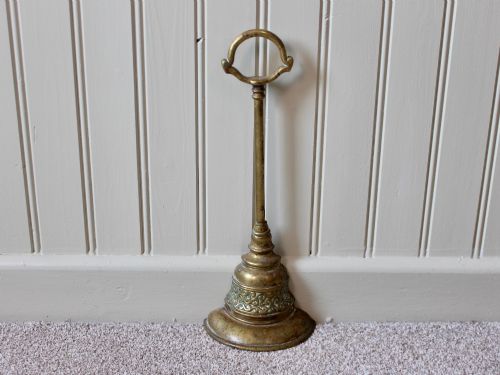
- A heavy vertical doorstop often fitted with a handle at the top for carrying from room to room. These tall brass or iron weights were designed to manage heavy interior doors in large houses.
- Figural
- Representing a human or animal form rather than an abstract geometric shape. Many nineteenth century examples take the shape of lions, dogs, or characters.
- Cast iron
- An iron-carbon alloy poured into moulds to create rigid, heavy objects. It provides the necessary mass to hold doors securely.
- Cast brass
- An alloy of copper and brass shaped by pouring into a mould. This material takes a bright polish and lends a decorative warmth to interiors.
- Patina
- The surface sheen and colour acquired by metal over decades of handling and exposure. It indicates age and authentic wear.
Vintage Metal Door Stop: Frequently Asked Questions
How heavy are these door stops?
These pieces are cast from heavy metals like iron and brass, giving them significant weight. They are specifically built to hold open heavy interior doors without sliding.
Their substantial mass ensures that even thick wooden doors remain securely in place against drafts.
Where should I place a door porter?
Door porters work best in principal rooms with high ceilings and heavy doors where traditional wedges fall short. Their height and handle make them easy to reposition as needed.
They sit upright against the base of the door, serving as both a functional tool and a decorative floor ornament.
How do I care for cast brass?
Cast brass requires minimal maintenance beyond occasional dusting with a soft cloth. Avoid using harsh chemical cleaners that strip away the historical patina.
Leaving the surface untouched preserves the aged appearance valued by collectors and enthusiasts.
How do I identify Victorian pieces?
Victorian examples often feature robust cast iron or brass forms depicting popular animals, heraldic lions, or character figures like Mr Punch. Construction methods show heavier sand casting techniques typical of the nineteenth century.
Comparing the style of the casting and the specific character motifs helps distinguish nineteenth century work from later reproductions.