
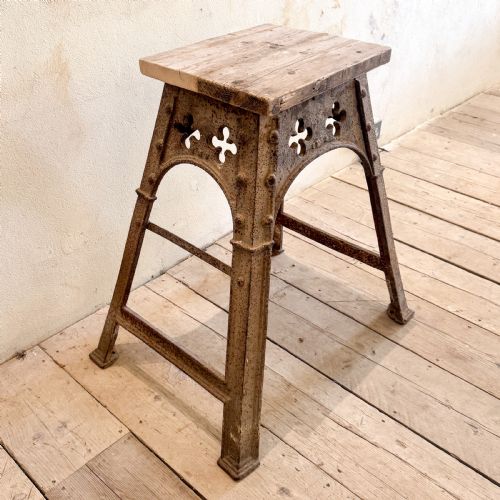
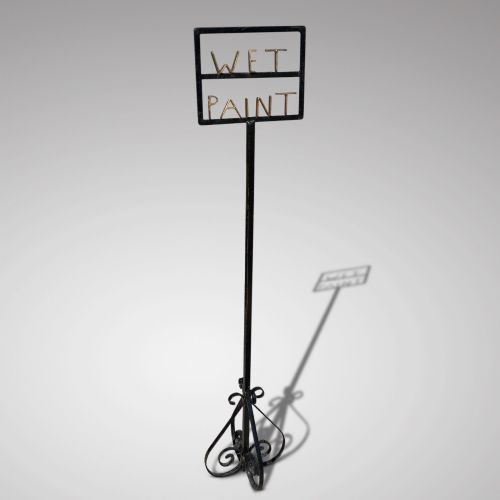


Vintage Metal Display Stand
These vintage metal display stand pieces offer robust functional support and decorative presence, drawing collectors through their diverse historical forms.
Vintage Metal Display Stand
When you search for a vintage metal display stand, you encounter a varied selection of utilitarian and decorative objects spanning the nineteenth and twentieth centuries. The inventory encompasses plant stands, bakers racks, shelving units, and specialised display items created in diverse stylistic idioms.
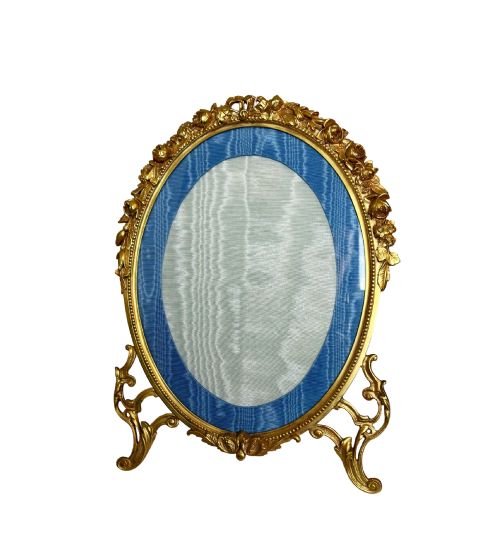
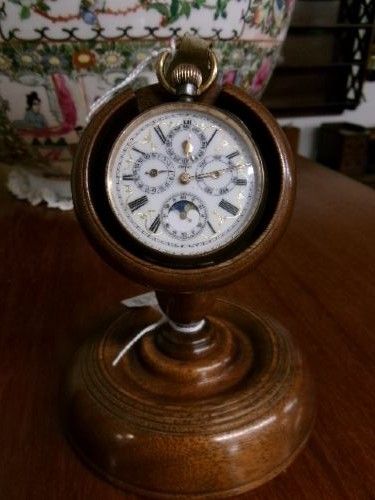
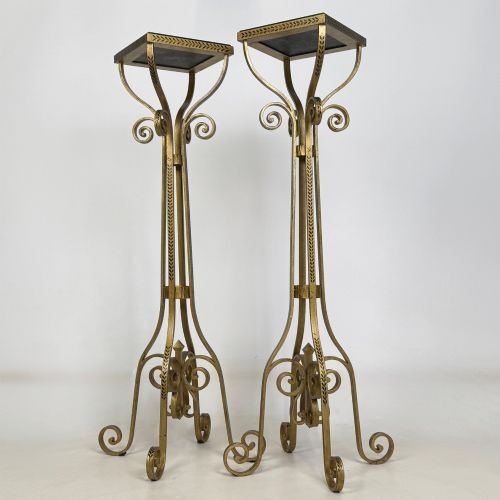
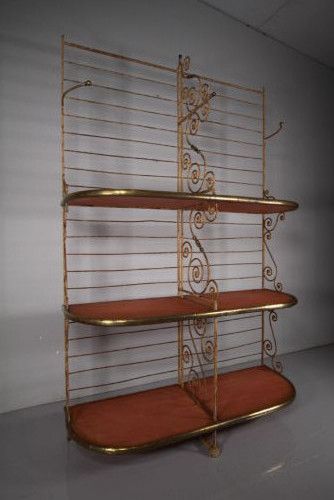
Victorian and Edwardian pieces dominate the selection, often taking the form of tiered plant stands, pot stands, or bakers racks constructed from robust iron. Alongside these functional items, smaller tabletop objects such as picture frames, pocket watches, and pedestals appear with regularity.
Styles range widely from industrial and French Country to ornate Victorian scrollwork and Art Deco geometric designs. This mixture reflects the broad utilitarian applications metals found in domestic, commercial, and shop display environments.
How they were made
Makers utilised cast iron, wrought iron, and brass as the primary structural materials for these stands, frequently combining them with secondary elements like marble, glass, and enamel. Wrought iron components display hand-forged scrollwork and riveting, whereas cast iron pieces utilise intricate mouldings to achieve repetitive decorative patterns.
Surface treatments play a defining role in the construction of these metal objects, ranging from applied paint and enamel to gilt bronze and gun metal finishes. Structural joinery relies on traditional methods such as riveting and bolting to ensure stability under heavy loads like plants or baked goods.
A solitary Vickers Wellington aircraft model sits among the ironwork, proving that display stands can hold miniature bombers just as easily as ferns.
What varies in quality
The degree of refinement in the metalwork significantly dictates the overall standing of a piece, distinguishing mass-produced commercial items from finely worked artisanal creations. Superior examples feature carefully hand-chiseled bronze, intricate scroll-work, and robust structural integrity that withstands decades of use.
Material combination also alters the caliber of the object, particularly where high-grade marble tops, inserted onyx, or detailed cloisonne enamel enhance simpler metal frames. The preservation of original surface finishes, whether early paint, gilt, or weathered patina, marks the distinction between altered items and those retaining their authentic character.
The Vintage Metal Display Stand Glossary
- Bakers rack
- A tall multi-tiered metal shelving unit historically used in European bakeries for cooling bread and pastries. These robust iron structures are now repurposed for interior display and storage.
- Wrought iron
- Iron that has been heated and shaped with hand tools by a blacksmith. This material allows for flexible scroll-work and strong structural joins.
- Cast iron
- Iron poured into a mould to create rigid decorative or structural shapes. It permits detailed repetitive patterns common in nineteenth-century garden and plant stands.
- Jardinere stand
- A tall decorative pedestal or holder specifically designed to elevate potted plants or floral arrangements. They frequently incorporate brass, cast iron, or ceramic elements.
- Etagere
- A piece of furniture consisting of a set of open shelves for displaying small objects. Metal versions often feature inlaid marquetry and gilt frames.
Vintage Metal Display Stand: Frequently Asked Questions
How are bakers racks used today?
These tall iron units serve as versatile shelving in kitchens, living rooms, and conservatories for books, plants, and tableware. Their open structure provides generous storage without dominating the surrounding floor space.
Historically built for commercial trade, their robust construction allows them to bear substantial weight while maintaining an airy architectural profile in domestic interiors.
What materials are common in plant stands?
Cast iron and wrought iron predominate in nineteenth-century examples, offering the weather resistance needed for garden use as well as domestic display. Brass and marble also appear in more refined interior pedestals from the Edwardian era.
These varied combinations allow the stands to support heavy pots securely while introducing contrasting textures of polished stone and patinated metal.
Can these stands be used outdoors?
Many iron and cast metal stands originated for garden or conservatory use, making them naturally suited to sheltered outdoor placement. However, protecting delicate finishes or painted surfaces from prolonged moisture prevents excessive corrosion.
Checking the existing condition of the metal and any protective coatings ensures the piece remains stable and visually appealing in exterior settings.