


Vintage Metal Dinner Gong
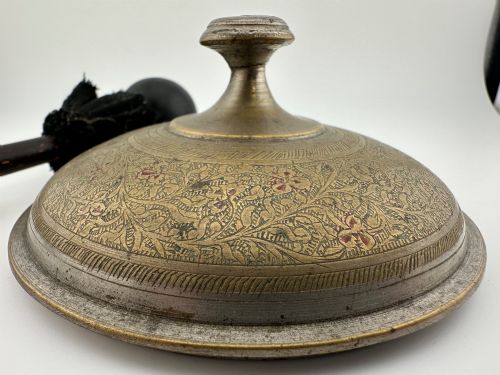
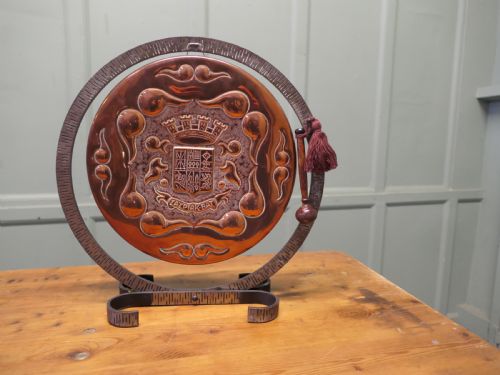
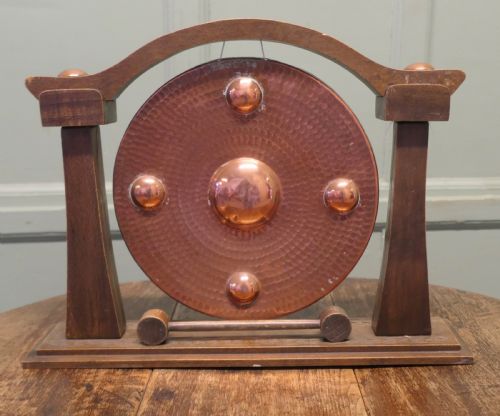
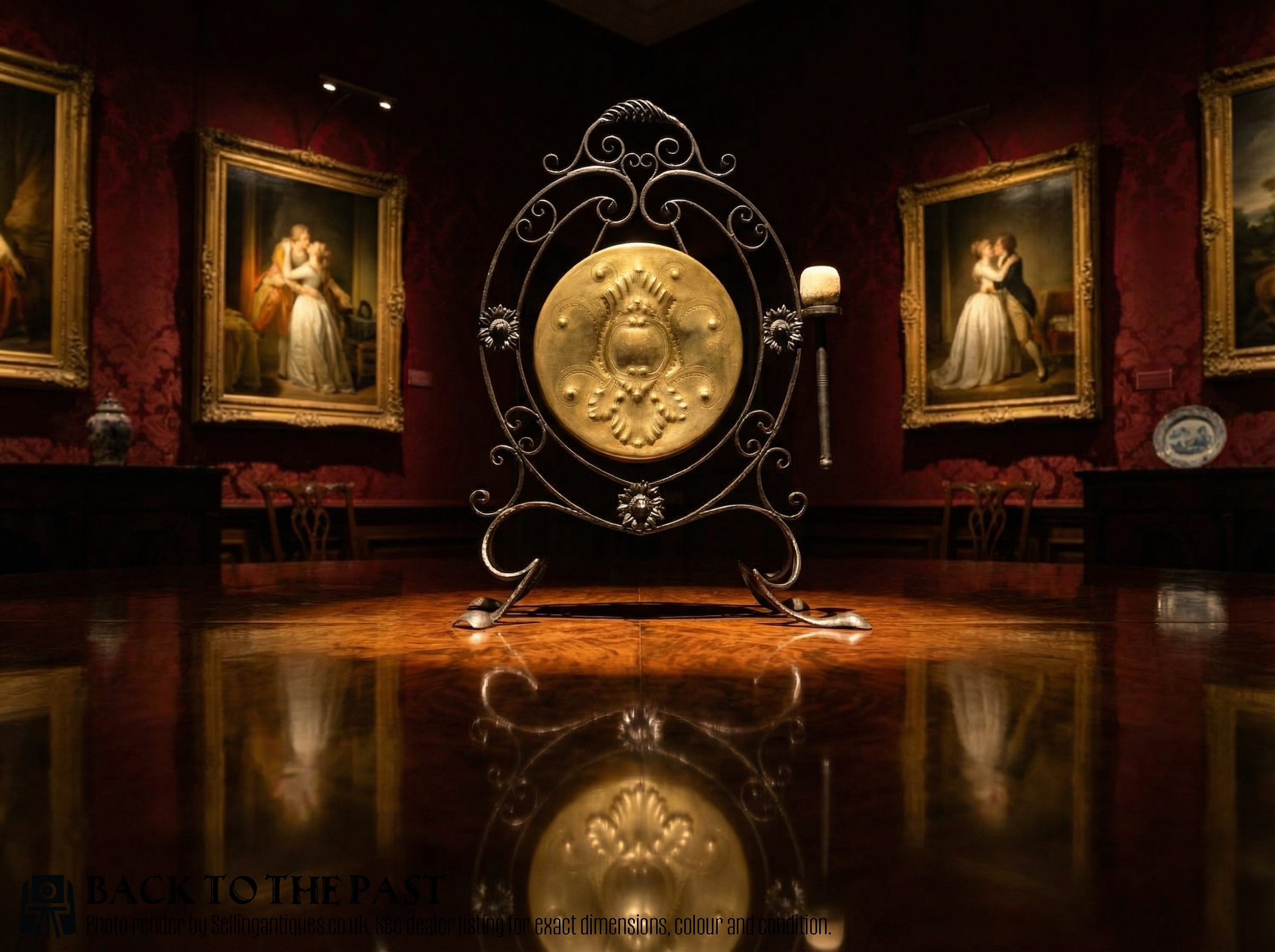
These vintage metal dinner gong pieces bring a clear, resonant tone to the hall and a striking Victorian presence to any room.
Vintage Metal Dinner Gong
When you search for a vintage metal dinner gong, you find striking instruments designed to summon household members to meals in grand style. Most examples on this page date from the nineteenth century, spanning Victorian, Aesthetic Movement, and Arts and Crafts designs.
Makers of the period utilised various metals suspended within supportive frames of oak, wrought iron, or cow horn. These pieces survive as functional decorative objects reflecting late nineteenth century domestic habits.
How they were made
Makers fashioned the striking plates from brass, copper, silver plate, bronze, and cast iron, often employing hand hammering techniques to shape the metal. These plates create the resonant sound when struck with a mallet.
Support structures combine turned or carved oak and wrought iron with the metal components. Some pieces incorporate organic materials like cow horn alongside silver plated mountings to achieve distinctive Victorian and Arts and Crafts forms.
Listings show nineteenth century pieces combining brass, copper, and silver plate with carved oak and wrought iron frames.
What varies in quality
The distinction between standard and superior pieces lies in the ambition of the framing and the decorative detail of the metalwork. Hand hammered copper and carved oak frames show greater artisan input than plain cast iron versions.
Design movements also influence the character of the object, with Aesthetic Movement and Art Nouveau examples displaying more intricate styling than utilitarian forms. The quality of the silver plating and the resonance of the metal plate determine the overall success of the piece.
The Vintage Metal Dinner Gong Glossary
- Table Gong
- A small striking instrument designed to sit upon a table or sideboard rather than hang from a wall. These compact pieces often feature decorative metal plates mounted in brass or wooden stands.
- Wall Gong
- A striking instrument suspended from a fixed bracket mounted directly onto a wall. These units utilise the hanging space to display decorative frames made of wrought iron or carved wood.
- Aesthetic Movement
- A late nineteenth century design style emphasising visual beauty over narrative or moral content. Pieces from this movement often feature refined metalwork and stylised motifs.
- Arts and Crafts
- A design movement valuing traditional craftsmanship and visible hand working techniques. Objects in this style display honest construction using materials like copper and oak.
- Silver Plate
- A thin layer of silver applied to a base metal such as copper or brass. This finish provides the bright appearance of solid silver while utilising more accessible underlying materials.
Vintage Metal Dinner Gong: Frequently Asked Questions
How do you sound a dinner gong?
You strike the metal plate firmly in the centre using a dedicated wooden or padded mallet to produce a clear, resonant tone that carries through the house.
Avoid using excessive force or metal implements, as these can dent the brass or copper plate and alter the purity of the sound.
How do you date a metal gong?
You examine the style of the framing, such as Aesthetic Movement or Art Nouveau motifs, alongside the manufacturing methods visible on the metal plate. Hand hammered textures and specific mounting hardware often point to nineteenth century origins.
Victorian pieces frequently combine carved oak with silver plate or brass, reflecting the prevailing domestic tastes of the period.
Are wall gongs heavy?
Many wall gongs carry significant weight due to their dense metal plates and solid oak or wrought iron supporting frames. Secure wall fixings into solid masonry or wall studs are essential to support the load safely.
Checking the stability of the hanging bracket ensures the suspended gong remains secure when struck.