




Antique Table Gong Stand
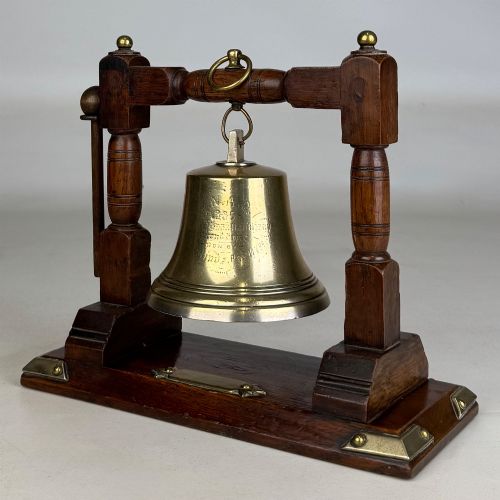
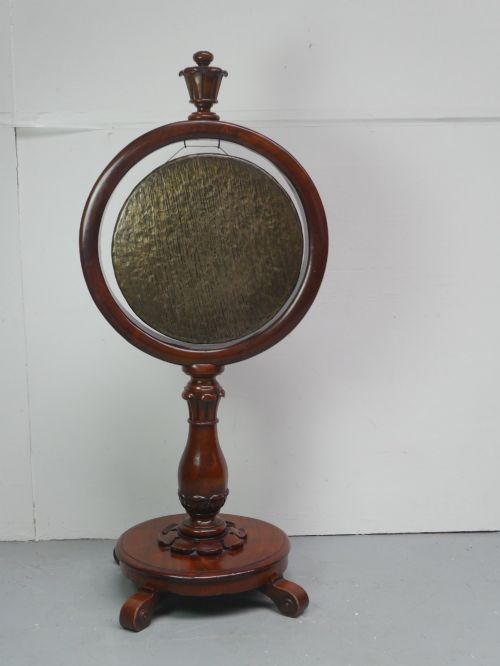
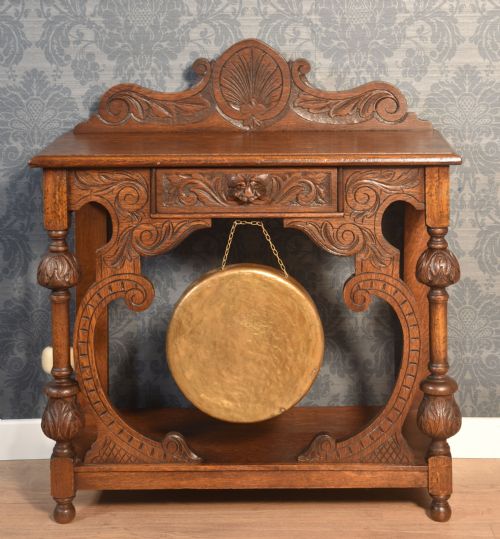
These antique table gong stand pieces are striking domestic call instruments combining heavy metal bells with carved wooden frames.
Antique Table Gong Stand
An antique table gong stand is a decorative and functional furnishing designed to support a suspended metal bell or gong upon a table or hall surface. When you search for an antique table gong stand, you encounter a variety of forms ranging from domestic dinner summoners to oriental temple bells.
While some listings present complete matching sets with their original strikers, others feature individual carved stands or suspended brass bells originating from distinct cultural traditions. The selection includes domestic British country house dining gongs alongside Chinese export carvings and Japanese-influenced tea ceremony items.
Materials and construction methods
The construction of these stands relies heavily on traditional cabinetmaking techniques using hardwoods such as oak, mahogany, and walnut. Woodworkers shaped these timbers through detailed carving, joinery, and turning to support the weight and resonance of the suspended metal.
Metal components comprise cast brass, bronze, silver plate, and occasionally iron, shaped by casting and hammering to achieve a clear acoustic tone. Supporting elements utilise cord to suspend the bell from the frame, allowing the metal to vibrate freely without dampening the sound.
The listings here combine nineteenth-century pieces with Edwardian items and 1930s Chinese export goods, uniting brass, oak, and silver plate.
Distinguishing quality in stands and gongs
Quality in these pieces is determined by the depth and precision of the woodwork carving, particularly on Chinese dragon motifs or Edwardian scrollwork. Superior examples display crisp detail and sturdy joinery that maintains structural integrity under the repeated kinetic impact of a striker.
The acoustic properties of the metal bell or gong separate ordinary utilitarian pieces from finer decorative works. Heavier brass and bronze castings with uniform wall thickness produce a sustained, resonant tone rather than a dull thud.
The Antique Table Gong Stand Glossary
- Dinner Gong
- A large suspended bell or metal plate struck with a mallet to summon household members to a meal. They gained significant popularity in large country houses during the Victorian and Edwardian periods.
- Art Nouveau
- An international style of art and architecture prominent around nineteen hundred, characterised by asymmetrical organic lines and floral motifs. This aesthetic influenced the mounting brackets and frames of contemporary gongs.
- Edwardian
- Pertaining to the reign of King Edward VII, noted for lighter domestic furniture forms and refined decorative details. Pieces from this era often combine polished oak with bright brass fittings.
- Glockenspiel
- A percussion instrument composed of tuned metal bars struck with mallets, occasionally found housed in wooden table cases. These share similar construction principles with traditional suspended gongs.
Antique Table Gong Stand: Frequently Asked Questions
How were table gongs originally used?
These gongs served primarily as domestic signals to announce dinner times or summon servants within larger households. Guests and family members responded to the resonant tone echoing through the hallways.
Over time, they transitioned from utilitarian communication devices into decorative ornaments displayed prominently on hall tables or sideboards.
What woods are typical for these stands?
Cabinetmakers utilised sturdy hardwoods capable of supporting hanging metal weights without warping. Oak and walnut appear frequently in British domestic pieces.
Oriental and export variations often feature heavily carved exotic hardwoods depicting dragons or floral motifs.
How do I date an Edwardian gong?
Edwardian pieces generally date from the first decade of the twentieth century and often incorporate bright brass fittings with polished oak frames. Stylistic cues include clean Edwardian proportions combined with Arts and Crafts simplicity.
Matching hallmarks, registry numbers, or characteristic maker methods can sometimes narrow down the exact decade of manufacture.
Can I polish the brass bell?
Cleaning depends entirely on personal preference regarding patination and historical surface preservation. Many collectors prefer to retain the aged, darkened oxidation accumulated over a century.
If polishing is desired, use a mild non-abrasive metal cleaner designed specifically for antique brass to avoid removing fine surface detail.