





Vintage Metal Casket
These vintage metal casket pieces range from sturdy nineteenth-century strongboxes to delicate trinket containers designed for dressing tables.
Vintage Metal Casket
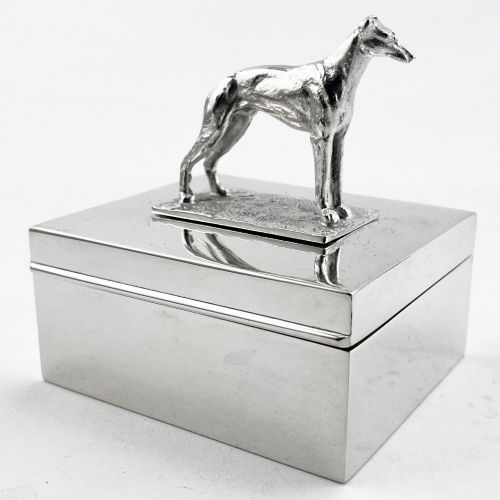
A vintage metal casket covers a broad spectrum of small decorative containers, jewellery boxes, and strongboxes fashioned from materials such as brass, bronze, copper, and silverplate. Buyers searching for a vintage metal casket will encounter diverse forms ranging from nineteenth-century trinket boxes to early twentieth-century Arts and Crafts desk pieces.
Materials and construction methods
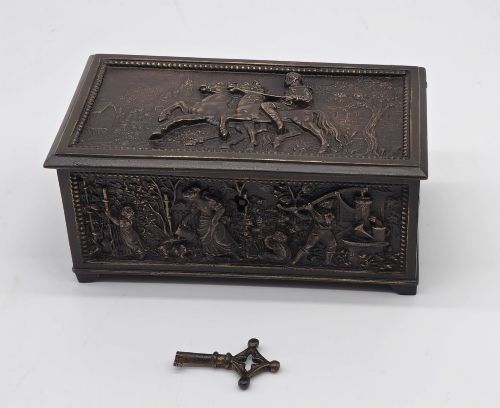
Construction relies heavily on casting and metal-beating techniques, with bronze, brass, and copper appearing frequently across the inventory. Artisans employed repoussé work to hammer detailed relief designs into the metal surface.
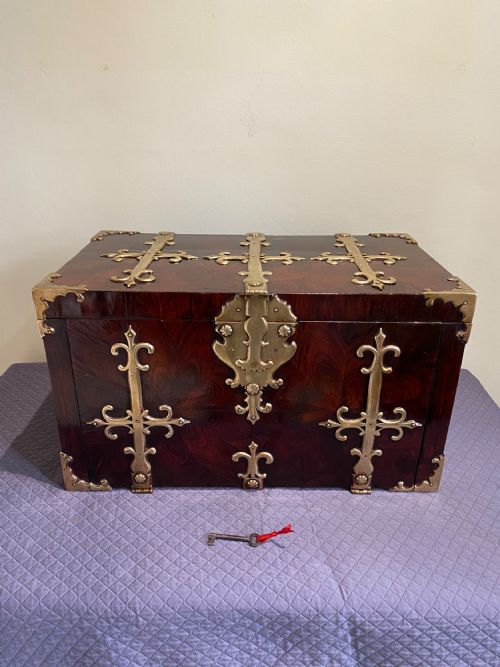
Many boxes incorporate glass panels or enamel inserts alongside the primary metal structure to enhance the visual depth of the piece. Wood foundations are often wrapped in metal sheeting or bound with decorative metal straps.
Vintage Metal Casket Retail Price Guide 2026
Typical asking prices for vintage metal casket among the pieces listed under this phrase on Sellingantiques today, from the lower quarter to the upper quarter. They describe what is for sale here now, not the wider market.
Listings feature items spanning the eighteenth, nineteenth, and early twentieth centuries, constructed from brass, bronze, copper, and wood.
Assessing quality in metal containers
Quality rests upon the crispness of the casting and the depth of hand-worked detail in repoussé and engraved elements. Superior pieces display careful finishing to interior linings and hinges rather than mass-produced uniformity.
The choice of materials also dictates the standard of the item, with solid bronze or heavy cast metals generally representing finer craftsmanship than thin silverplate over base metals.
S Theeman·Liberty and Co·William Morris
The Vintage Metal Casket Glossary
- Repoussé
- A metalworking technique where the artisan hammers the metal from the reverse side to form a raised design on the front. This method creates tactile, highly decorative surface relief on copper and pewter boxes.
- Ormolu
- Gilded bronze used predominantly in decorative hardware and mounts during the eighteenth and nineteenth centuries. The rich gold-coloured finish brings warmth and brilliance to small French trinket boxes.
- Coffer
- A chest or strongbox traditionally used for storing valuables, often heavily reinforced with metal bands. Smaller iterations emulate this fortified architectural form for domestic use.
- Art Nouveau
- A design movement characterised by flowing, organic lines inspired by natural forms. Caskets from this period frequently feature stylised plant motifs and sinuous bronze mounts.
Vintage Metal Casket: Frequently Asked Questions
What were antique metal caskets used for?
These boxes served primarily to secure jewellery, trinkets, letters, and tobacco in domestic settings. Strongboxes and heavy caskets also held currency and important household documents.
Over time, their roles shifted from purely utilitarian storage to prominent display items on dressing tables and mantelpieces.
How do I date a metal casket?
Dating relies on identifying the prevailing artistic style, such as the sinuous curves of Art Nouveau or the hand-hammered surfaces of the Arts and Crafts movement. Material choices and construction methods also provide clear chronological markers.
Examining locks, hinges, and interior fabric linings helps narrow down the manufacturing decade further.
How should I clean a vintage metal box?
Maintenance depends entirely on the specific metal, as bronze, copper, and silverplate require different approaches to preserve their finish. Gentle dusting with a soft cloth is generally sufficient for daily care.
Avoid harsh chemical dips or aggressive metal polishes that strip away desirable historical patinas accumulated over the decades.
Are these caskets suitable for daily use?
Sturdier brass and iron strongboxes easily withstand regular handling and everyday storage duties. More delicate glass and ormolu trinket boxes demand a gentler touch to protect fragile corners and inset panels.
Checking the condition of the original hinges and clasps ensures the box functions safely.