





Vintage Mercury Glass
Vintage mercury glass encompasses silvered vessels, mirrors, and lighting pieces that reflect light through distinctive double-walled or silver-coated plates.
Vintage Mercury Glass
When searching for vintage mercury glass, buyers encounter a selection spanning large kugel ornaments, pendant lights, and mirrors with silvered plates. The items on this page bring together decorative glassware and functional mirrors featuring silvered glass.
The objects originate from nineteenth-century and early twentieth-century periods, showing how silvering techniques were applied to decorative items and wall mirrors. Pendant lights and large balls dominate the specialised glassware options available.
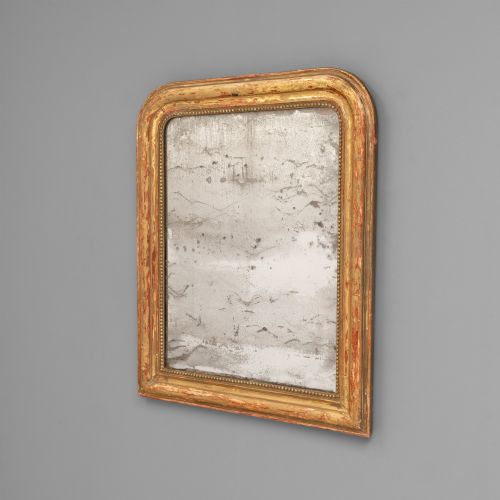
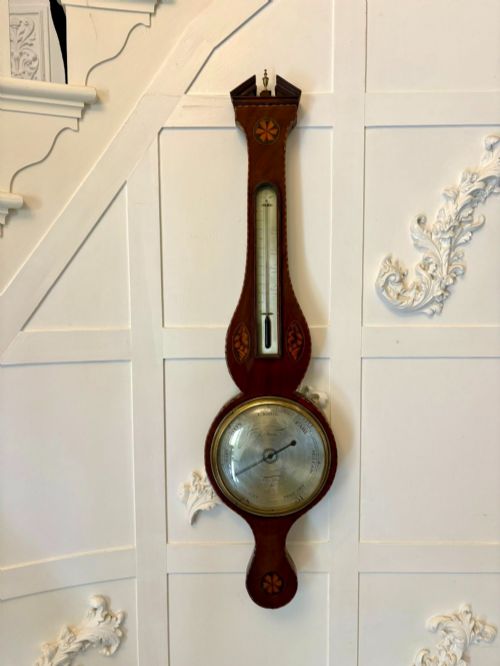
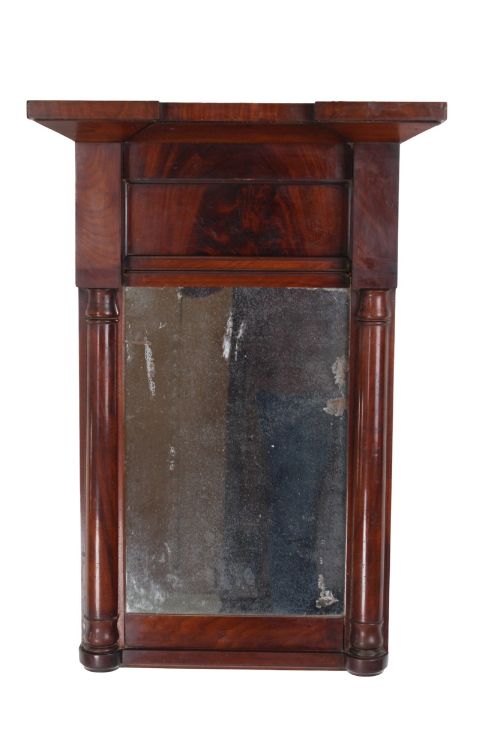
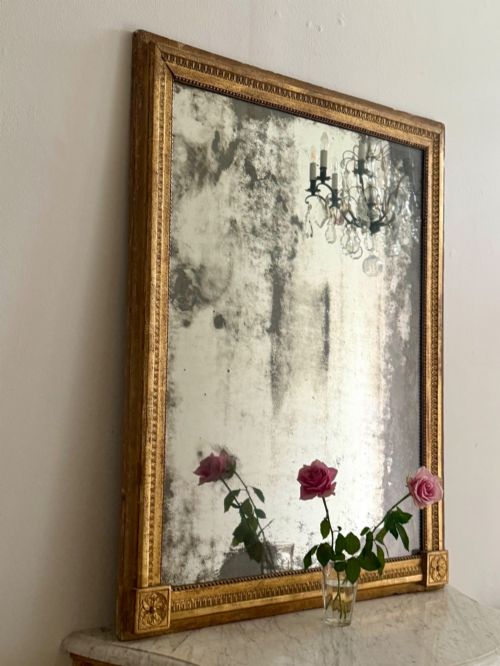
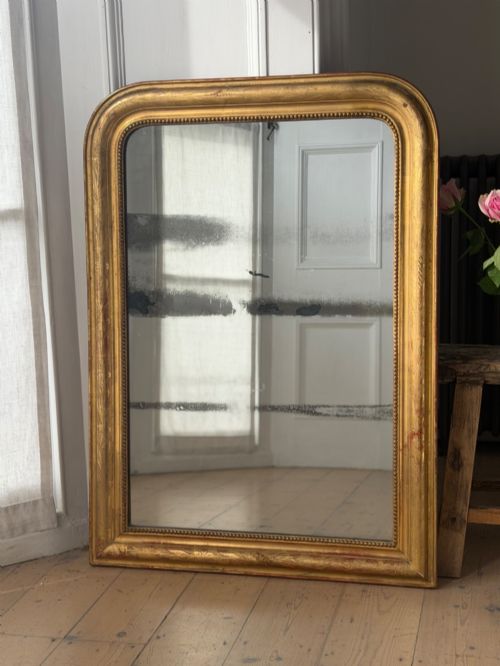
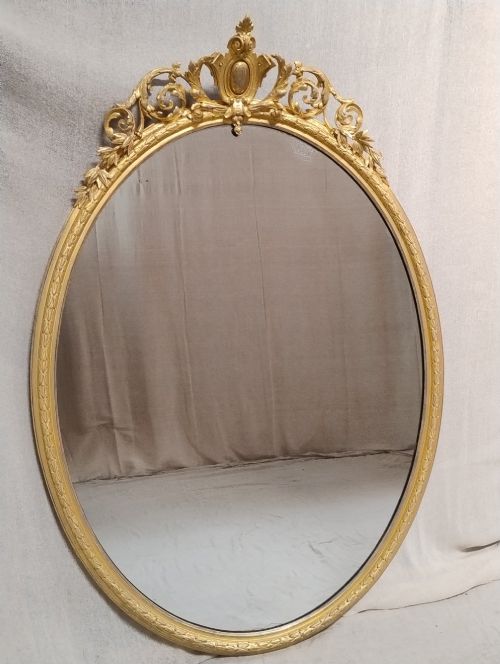
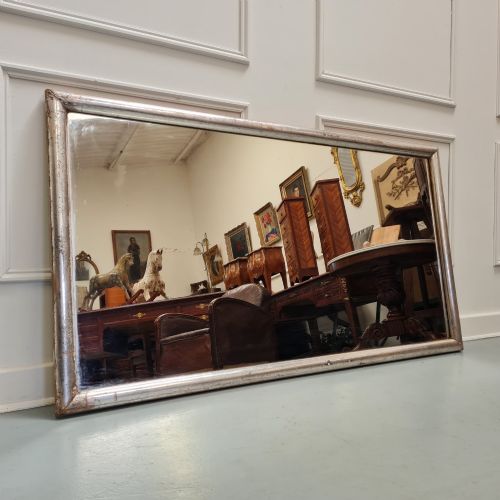
Mirrors form a major component of this category, often combining silvered mercury plate with giltwood, brass, or mahogany frames from Georgian and Victorian eras. These pieces display the characteristic dark speckling known as foxing across the reflective surface.
Materials and construction methods
Makers produced vintage mercury glass by blowing double-walled glass vessels and introducing a liquid silvering solution through a pontil hole, which was then sealed to trap the reflective coating inside. This method created a deep, lustrous sheen without utilising actual mercury.
Mirrors utilised flat glass plates coated with a reflective metal amalgam behind the glass, secured within frames made from mahogany, rosewood, brass, or carved giltwood. These framed plates relied on traditional cabinetmaking and gilding techniques standard to the eighteenth and nineteenth centuries.
Early glass blowers sealed their secret silvering mixtures inside double walls, trapping centuries of reflections behind a tiny glass nipple.
Determining quality in these items
Quality rests upon the preservation of the original silvered coating and the clarity of the reflective effect. Pieces maintaining an even, undisturbed silver lining command greater attention than those with extensive flaking.
For framed mercury glass mirrors, the craftsmanship of the surrounding mahogany, rosewood, or giltwood frame dictates the standard. Fine joinery, crisp carved detail, and original mercury plates distinguish superior examples from standard production.
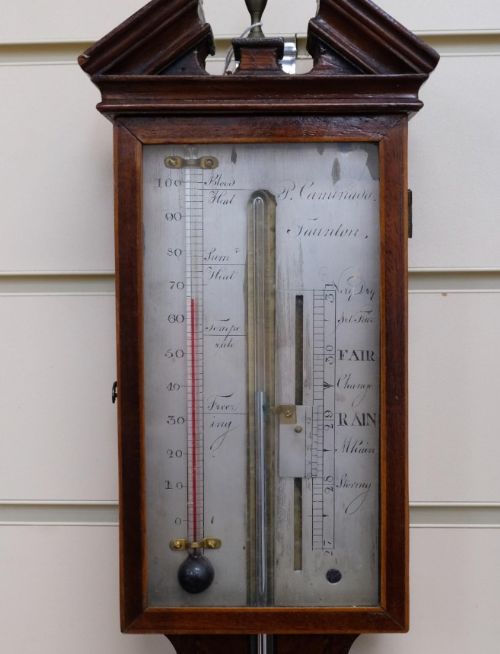
P. Caminada·B. Besozzi·Negretti and Zambra·Blunt·Samuel Marti et Cie·Ganthony·AD Mougin·Molton·Fagioli·Bate
The Vintage Mercury Glass Glossary
- Mercury glass
- Blown double-walled glass coated on the interior with a silvering mixture. It creates a reflective, mirror-like appearance.
- Foxing
- Age-related dark spots and speckling that develop on old mirror plates. This oxidation process occurs naturally within the silvered layer over decades.
- Kugel
- A heavy glass Christmas ornament or decorative sphere produced in nineteenth-century Germany. These heavy balls often feature a cap and ring for hanging.
- Mercury plate
- A flat glass mirror made using a tin and mercury amalgam technique common before nineteenth-century silvering processes. It yields a warm, deep reflection.
- Pendant light
- A hanging light fixture suspended from a cord, chain, or metal rod. In this category, the shades consist of silvered mirrored glass.
Vintage Mercury Glass: Frequently Asked Questions
What is vintage mercury glass?
Vintage mercury glass refers to blown glass items with a silvered inner lining, creating a reflective surface. Despite the name, manufacturers used a silver compound rather than actual mercury.
These pieces include decorative spheres, pendant lights, and mirror plates produced during the nineteenth and early twentieth centuries.
How do I care for mercury glass?
Clean mercury glass gently with a soft, dry cloth to remove dust. Avoid chemical cleaners or moisture, which can penetrate seals and damage the interior silvering.
Keep pieces out of direct sunlight to protect the fragile silvered coating from accelerated degradation over time.
Does mercury glass contain real mercury?
Most items described as vintage mercury glass actually utilise a silver nitrate or similar solution poured between double-walled glass. True mercury amalgamation was largely restricted to older flat mirror plates.
Makers sealed the small hole used to introduce the liquid, trapping the reflective layer safely inside the glass walls.
How can I date mercury glass mirrors?
Dating relies on examining the frame style, wood type, and the characteristics of the glass plate itself. Georgian and Victorian frames show distinct joinery and decorative motifs.
Natural foxing and irregularities in the silvered plate indicate older manufacture, typically pointing to the eighteenth or nineteenth century.