




Vintage Merchant Chest
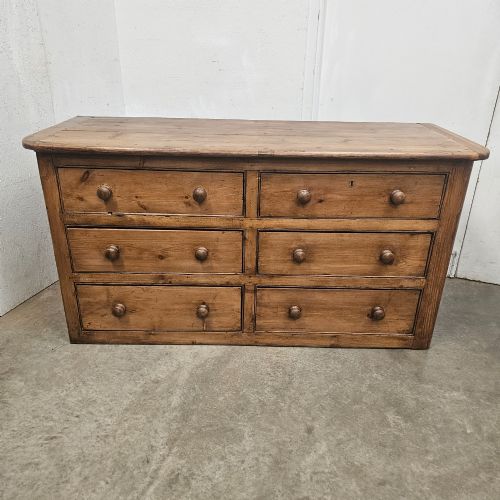
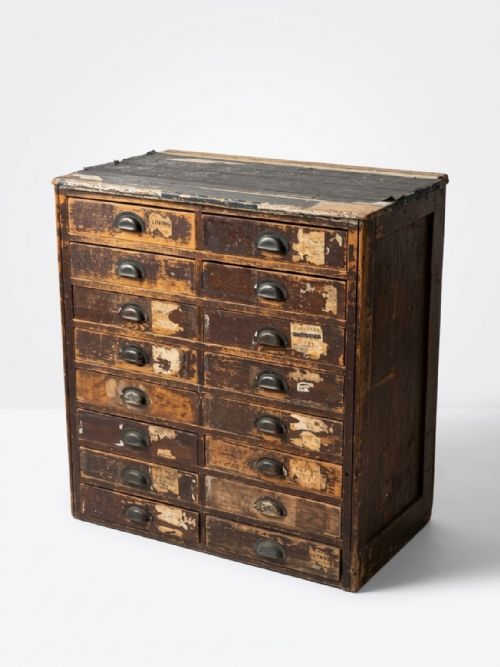
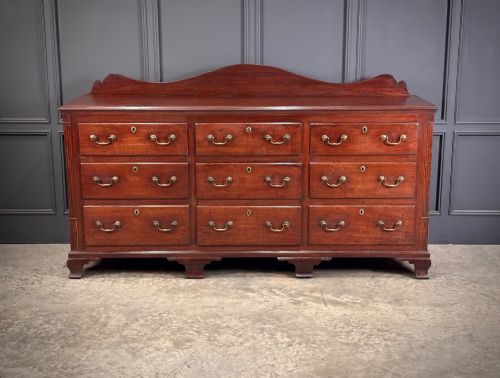
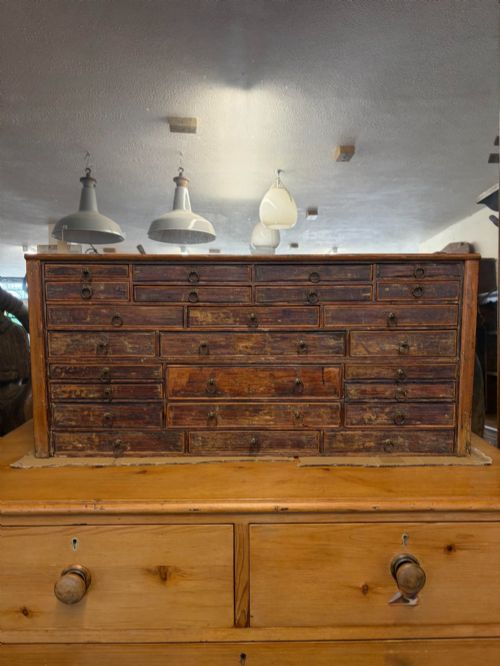
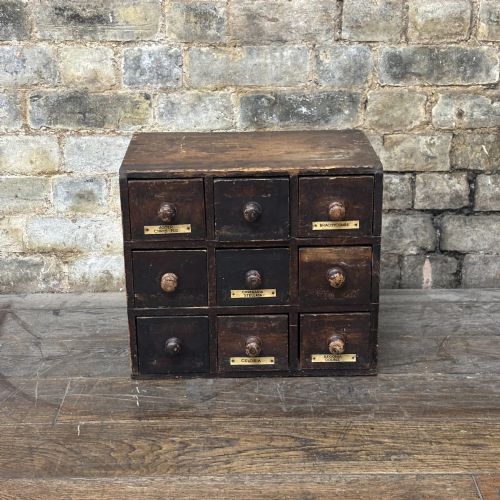
A vintage merchant chest brings utility and presence into a room, offering banks of small drawers and deep compartments built for trade.
Vintage Merchant Chest
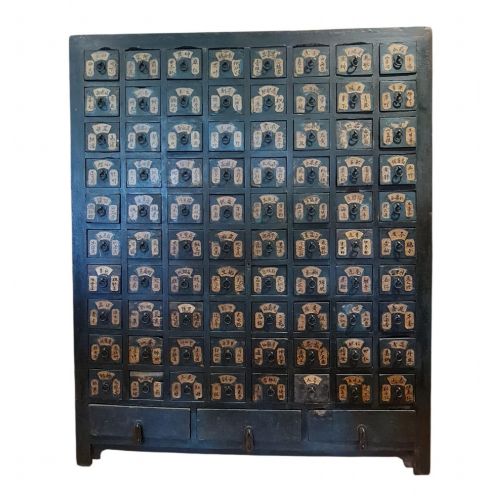
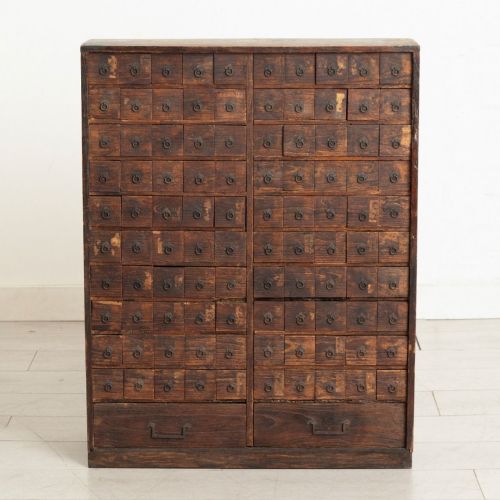
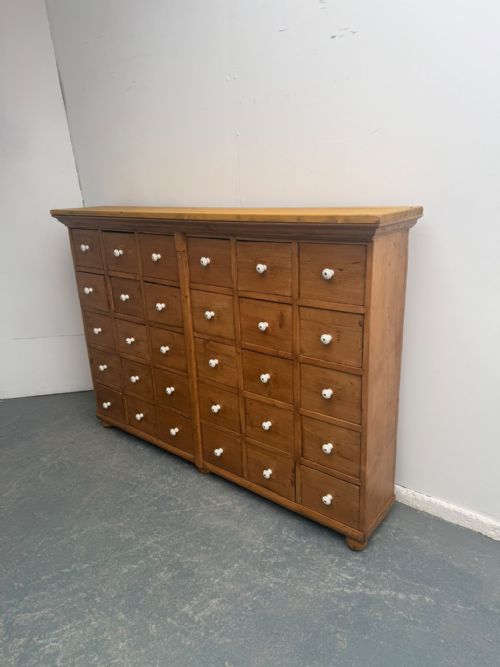
A vintage merchant chest encompasses multi-drawer banks, apothecary cabinets, drapers' counters, and traditional tansu forms designed for storage and commerce. Buyers seeking this phrase encounter pieces ranging from large mahogany and pine shop fittings to Japanese keyaki and elm tansu chests.
The selection on this page leans heavily toward 19th-century workshop and retail furniture, alongside Edwardian office units and maritime trunks. These items were originally made for specific trades, such as chemists, drapers, florists, and merchants who required systematic organisation.
Forms vary from towering banks of twenty-five or more drawers to heavy iron-banded trunks and low kitchen tansu. Pine, mahogany, teak, and elm dominate the construction, reflecting the global origins of trade furniture from England, France, Hungary, China, and Japan.
How they were made
Construction relies heavily on sturdy timbers such as pine, mahogany, teak, elm, and keyaki, selected for their durability in commercial environments. Workshops joined these woods using traditional methods capable of withstanding the daily friction of dozens of sliding drawers.
Iron and brass hardware, including strap bands, drop handles, and corner plates, reinforce the structural integrity of heavy trunks and travel chests. Surfaces display varying finishes, from polished walnut and rosewood to painted pine surfaces and original sign-writing.
Japanese tansu construction utilises distinct regional joinery traditions, incorporating sliding panels, subtle locking mechanisms, and occasionally wheels for mobility. Apothecary and shop fittings feature dense grids of small drawers, each requiring precise internal framing to function smoothly.
Listings feature woods including pine, mahogany, teak, elm, walnut, rosewood, and keyaki across various centuries.
What varies in quality
Quality rests in the integrity of the original construction and the survival of secondary details like maker stamps, paint finishes, and hardware. Pieces retaining their original brass or iron fittings and untouched sign-writing hold greater documentary interest than heavily restored examples.
The complexity and scale of the drawer configuration dictate the calibre of the piece, particularly in apothecary cabinets and multi-drawer banks. Smooth operation across numerous small drawers indicates superior initial craftsmanship and careful subsequent upkeep.
Material selection marks the distinction between utilitarian workshop pine and high-status furnishings in polished mahogany, walnut, or keyaki. Regional provenance and traceable commercial origins add further distinction to individual cabinets.
Luxmore's of Ilfracombe·Smiths Agricultural
The Vintage Merchant Chest Glossary
- Tansu
- A traditional Japanese mobile storage chest built primarily for domestic or commercial use. These pieces often feature iron mounts and specialised internal compartments.
- Bank of drawers
- A large cabinetry unit containing a high density of small drawers designed for organising inventory, seeds, or medicines in a retail setting.
- Apothecary cabinet
- A specialist storage unit featuring numerous small compartments intended for herbs, powders, and medical ingredients. They are prized for their intricate grid facades.
- Keyaki
- Japanese zelkova wood, known for its dense grain and durability, frequently used in the construction of high-grade tansu chests.
- Draper's counter
- A long retail display and storage fixture fitted with shallow drawers for textiles, ribbons, and haberdashery. These units often feature glazed tops or panelled fronts.
Vintage Merchant Chest: Frequently Asked Questions
What were merchant chests used for?
Merchant chests served as functional storage systems for businesses, holding everything from dry goods and textiles to apothecary supplies and hardware. Retailers utilised them behind counters to keep small items sorted and accessible during daily trade.
Larger trunks travelled on ships or across land routes to protect valuable merchandise in transit. Over time, their utility shifted from commercial back-rooms to domestic interiors where their numerous drawers remain practical.
How do I identify a Japanese tansu?
Japanese tansu chests are distinguished by their traditional joinery, sliding panels, and distinctive iron or copper hardware corner plates. They often employ native timbers like keyaki or elm and are categorized by regional styles such as kitchen mizuya or wheeled kuruma-dansu.
These pieces were constructed without nails in traditional configurations to accommodate seasonal humidity changes in Japan. Their modular appearance sets them apart from European cabinet-making traditions of the same era.
Are shop fittings suitable for home use?
Shop fittings and multi-drawer banks offer exceptional storage capacity for modern homes, fitting neatly into kitchens, studies, or hallways. Their numerous shallow or deep compartments make them ideal for organising stationery, collections, or kitchen utensils.
The substantial depth and linear presence of these pieces also provide functional surface area for display. Placing them in a domestic setting requires measuring clearances, as many shop banks were built for large commercial rooms.
How do I care for polished wood and painted finishes?
Polished hardwood surfaces benefit from occasional waxing to nourish the timber and maintain a soft sheen without building up residue. Painted shop fittings require gentle dusting and protection from direct sunlight to prevent the historic paint layers from flaking.
Avoid using harsh chemical cleaners or excessive moisture on antique timber and sign-written surfaces. Allowing the wood to acclimate to a stable indoor humidity level preserves both the structure and the finish.