
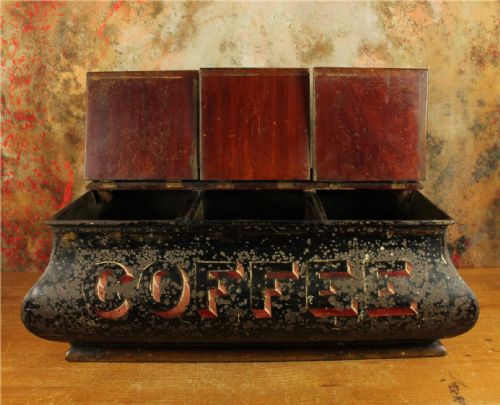


Victorian Shop Counter Chest
A victorian shop counter chest is a utilitarian commercial bank of drawers or cabinet built to hold small stock.
Victorian Shop Counter Chest
A victorian shop counter chest serves as a functional piece of commercial furniture designed for late nineteenth and early twentieth century retail trades. These items encompass banks of drawers, haberdashery cabinets, apothecary boxes, and specialised shop fittings intended for daily merchant use.
The selections available here span diverse commercial forms including chemist fittings, drapers drawer units, and multi-drawer painted Hungarian pine storage banks. Most examples date from the Victorian period through to the early decades of the twentieth century, reflecting practical mercantile origins.
Buyers encountering these items will find both polished hardwoods and painted softwoods configured for desktop or counter placement. Each piece retains the distinct structural footprint dictated by its original trade function, from watchmaker storage to sewing cotton display.
How they were made
Construction relies heavily on durable timbers such as pine and mahogany, often paired with secondary woods and joined for heavy commercial endurance. Painted finishes in white, cream, light green, or indigo frequently cover pine bodies, while walnut and mahogany surfaces receive a polished finish.
Hardware details incorporate brass and iron pulls, handles, and label frames necessary for frequent daily stock retrieval in busy shops. Glazed doors and panels appear on display cases and haberdashery units to allow merchandise inspection while protecting small wares.
Listings feature pine, mahogany, walnut, and iron, spanning the nineteenth and early twentieth centuries.
What varies in quality
Quality shifts according to the scale and complexity of the drawer configuration, distinguishing simple four-drawer chests from massive multi-drawer banks. The survival of original paint surfaces or polished timber patination dictates the visual character of each commercial survivor.
Construction integrity rests on the original commercial fittings, manufacturer labelling, and the retention of period hardware such as brass pulls and glass panels. Specialised trade origin, such as designated chemist or watchmaker provenance, elevates the archival interest of the piece.
Chadwick’s Sewing Cottons·Manoah Rhodes & Sons Ltd·Ermen & Roby
The Victorian Shop Counter Chest Glossary
- Bank of drawers
- A multi-drawer storage unit designed for holding large quantities of small items in a retail or workshop setting. These configurations often feature dozens of uniform small drawers.
- Haberdashery cabinet
- A glass-fronted or multi-drawer display unit used in drapery and sewing shops to merchandise cottons, ribbons, and small sewing accessories. They allow customers to view wares while keeping stock organised.
- Shop fitting
- Custom or modular furniture built specifically for commercial interiors rather than domestic use. These pieces are engineered for heavy daily handling in retail environments.
- Toleware
- Painted or japanned metalware produced for domestic or commercial storage purposes. Triple compartment boxes of this type served trade or kitchen utility.
- Apothecary box
- A specialised container or small chest designed to hold medicinal ingredients, bottles, or compounding equipment. They often feature secure lids, internal partitions, or graduated drawers.
Victorian Shop Counter Chest: Frequently Asked Questions
What is a victorian shop counter chest?
A victorian shop counter chest is a trade furniture piece built to hold merchandise, tools, or medicines behind a retail counter. These sturdy units range from multi-drawer pine banks to glass-fronted display cases.
Built for heavy commercial use, they combine practical storage with utilitarian design suited to nineteenth-century merchants and tradespeople.
How were these chests used originally?
Merchants used them to sort, store, and display small retail goods such as sewing cottons, watch parts, and apothecary items. Each trade required specific drawer sizes and compartment layouts to keep stock accessible.
Chemists, drapers, and watchmakers relied on these drawer banks to serve customers efficiently across the counter.
How do I fit one into a modern room?
These chests function well as storage units in kitchens, studies, or hallways where small items require organisation. Their numerous drawers make them practical for sorting documents, craft supplies, or collections.
Placing them on existing tables or utilising larger floor-standing banks as focal points allows the commercial history to integrate into a modern interior.