
Vintage Mechanical Horology
Vintage mechanical horology brings together pocket watches, carriage clocks and wristwatches driven by springs and gears from the Victorian era to the mid-century.
Vintage Mechanical Horology
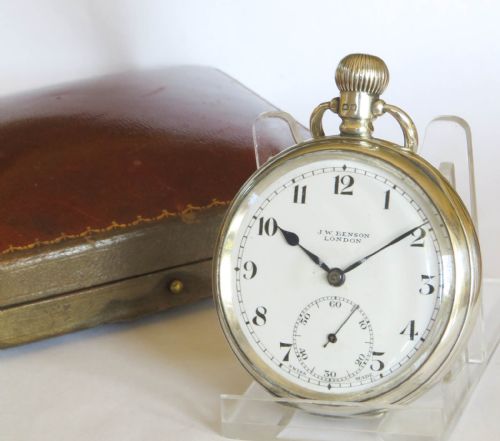
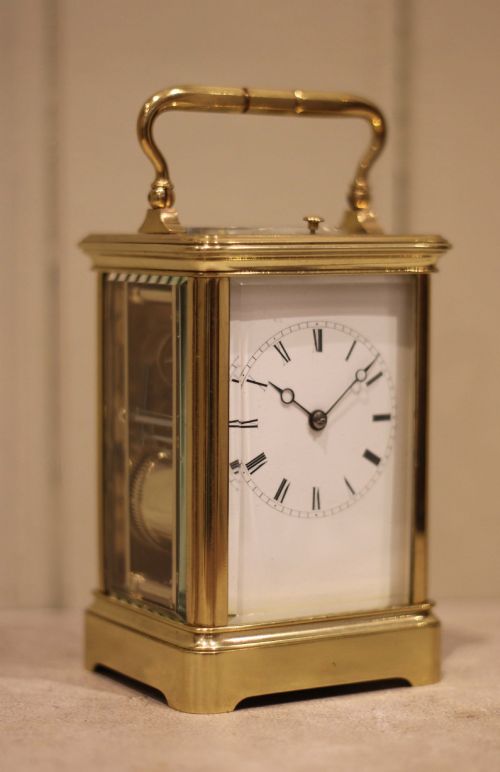
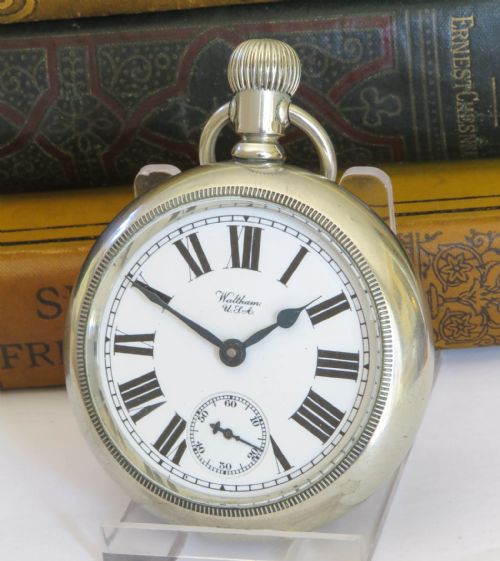
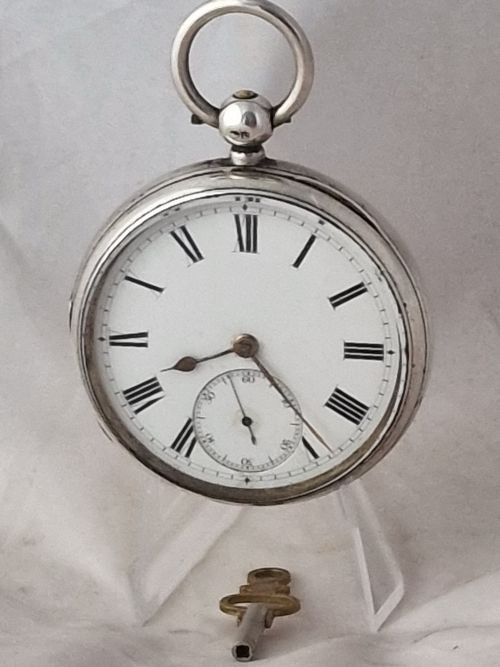
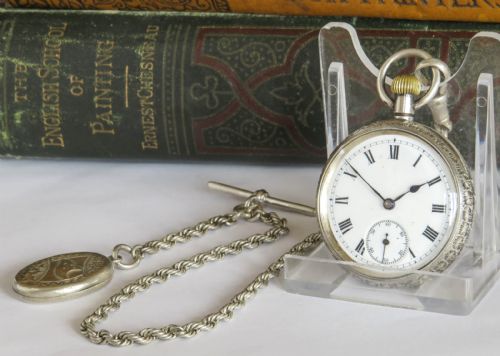
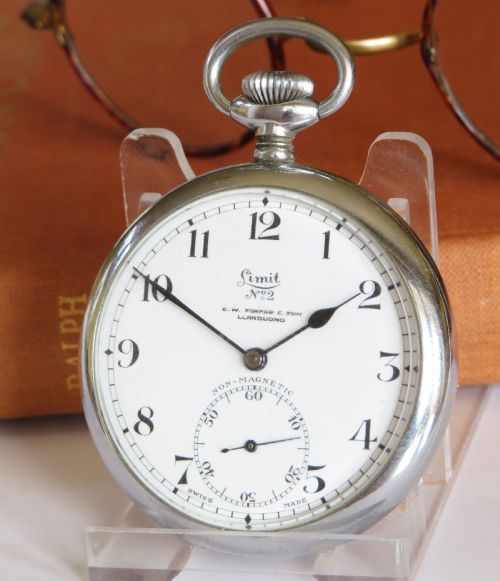
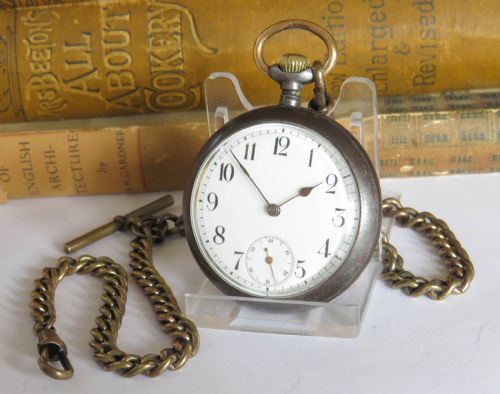
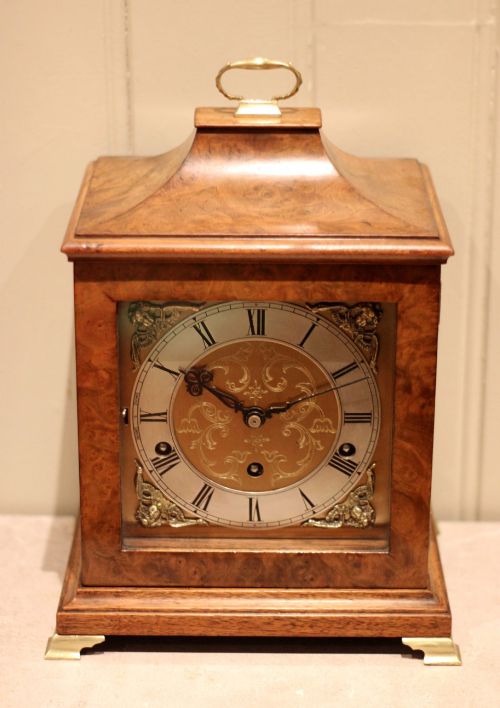
Vintage mechanical horology covers portable and domestic timepieces operated by complex gear trains, escapements and mainsprings rather than quartz movements or electricity. When browsing vintage mechanical horology, a buyer encounters everything from pocket watches in silver and gunmetal to heavy brass carriage clocks and bracket clocks housed in burr walnut.
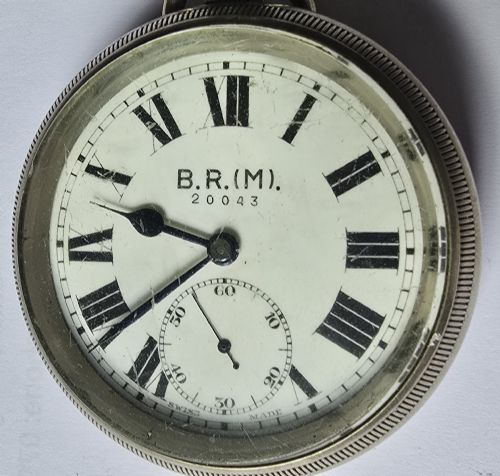
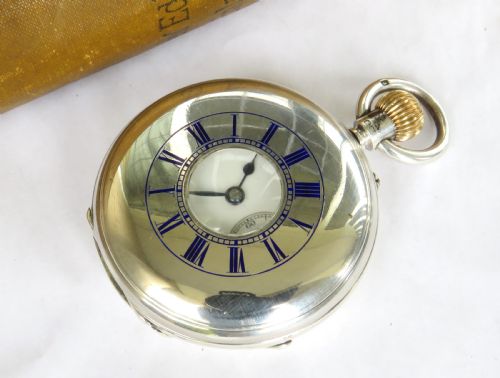
The selections span distinct periods ranging from Victorian pieces and Edwardian designs through Art Deco creations to mid-century modern wristwatches. Pocket watches dominate the offerings, often accompanied by silver albert chains, half hunter cases and railway markings, alongside striking mantle clocks and skeleton clocks.
Origins vary across English workshops, Swiss makers and French carriage clock houses, reflecting the international nature of horological production. The forms vary from utilitarian railway timekeepers to decorative domestic pieces designed for travel or the mantelpiece.
Materials and construction
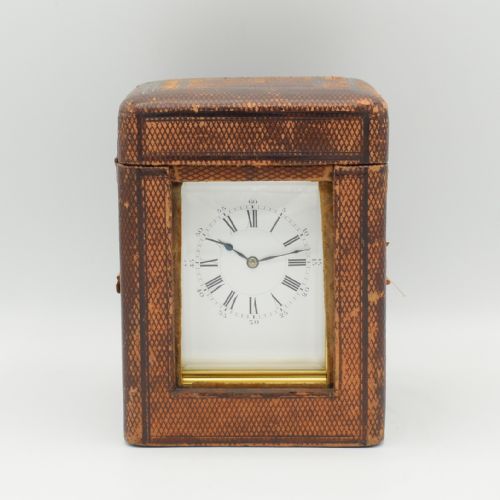
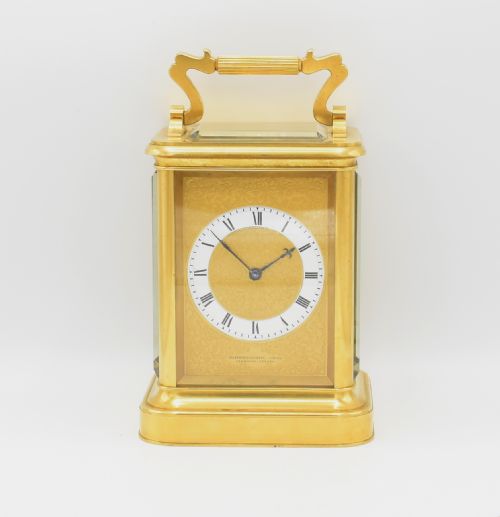
Makers utilised robust metals such as brass, steel, gunmetal and solid silver alongside precious gold for cases, framing internal movements with glass crystals protecting enamel or metal dials. Carriage clocks rely heavily on bevelled glass panels set in heavy brass frames, allowing visibility of the escapement within.
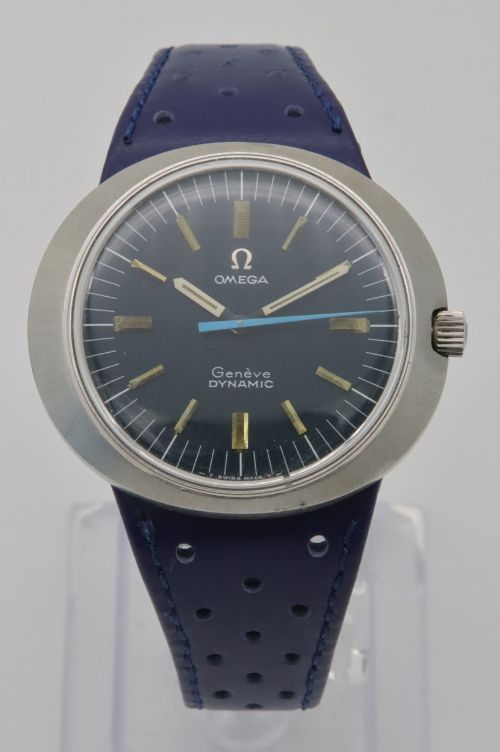
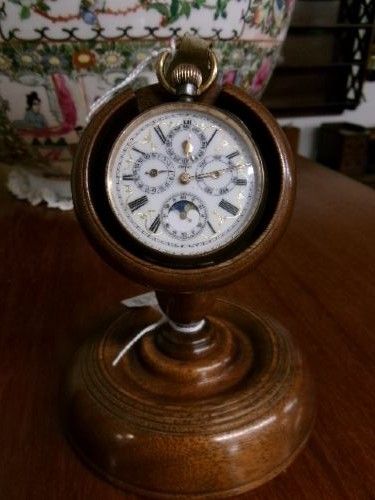
Pocket watches and wristwatches employ fitted metal cases, sometimes featuring leather straps or metal bracelets, with specialised complications like moonphase displays, calendar functions and chronograph mechanisms integrated into the gear plates.
The listings span from the Victorian period through Edwardian and Art Deco eras to the mid-century modern period, using materials like silver, brass, glass and enamel.
Distinctions in quality
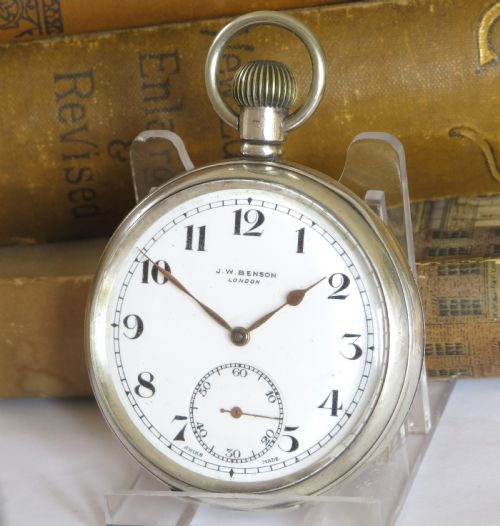
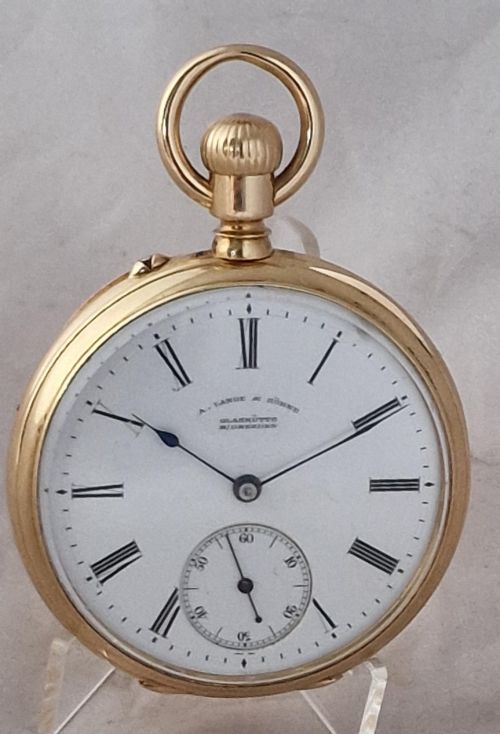
Quality rests in the precision of the movement and the integrity of the housing, where finer pieces exhibit high jewel counts, adjusted escapements and crisp enamel dials free of hairline cracks. Maker reputation dictates standing, with firms like Omega, Waltham, Lange & Sohne and J W Benson representing high standards of finishing.
The presence of original fitted travel cases, matching boxes, or specialised complications such as quarter striking and repeating mechanisms elevate a piece above standard domestic timekeepers. Consistency in materials, such as heavy silver or 18ct gold cases rather than plated alternatives, defines the upper tier.
J W Benson·Waltham·Henri Jacot·Mappin & Webb·Lange & Sohne·Omega
The Vintage Mechanical Horology Glossary
- Carriage clock
- A portable spring-driven clock with a handle, originally designed for travel during the nineteenth century. These pieces usually feature brass frames with glass panels.
- Half hunter pocket watch
- A pocket watch with a case cover featuring a glass or open centre circle, allowing the user to read the hands without opening the outer lid.
- Fusee
- A conical pulley used in older mechanical watches and clocks to equalize the diminishing power of the mainspring as it unwinds. This mechanism ensures more consistent timekeeping.
- Skeleton clock
- A clock designed with open plates and bridges to reveal the entire gear train and movement workings. These display pieces highlight the mechanical complexity of the inner components.
- Escapement
- The mechanism in a watch or clock that controls the release of power from the gear train, giving the characteristic ticking sound. It converts rotational force into impulses.
Vintage Mechanical Horology: Frequently Asked Questions
How do I wind a mechanical pocket watch?
Wind the crown at the top of the pocket watch gently in a clockwise direction until resistance is felt. Stop immediately to avoid over-winding and damaging the mainspring.
Most vintage pocket watches require winding daily or every eight days depending on the specific movement type. Handle the crown carefully to preserve the internal gears.
What is a fusee movement in a watch?
A fusee movement uses a conical pulley and chain to regulate the power delivered from the mainspring to the escapement. As the spring loses tension, the chain moves to a wider part of the cone.
This clever engineering maintains equal torque throughout the power reserve. It results in more accurate timekeeping across the winding cycle.
How do I tell an Edwardian watch from a Victorian one?
Victorian timepieces often feature ornate engraving, heavy silver construction and robust utilitarian designs associated with the nineteenth century. Hallmarks inside the case provide exact assay dates for British silver.
Edwardian pieces tend to display cleaner lines influenced by early twentieth-century transitions. Stylistic shifts in numerals and case shapes mark the progression between these eras.
Can I wear a vintage wristwatch every day?
Many vintage wristwatches function well for regular wear provided they receive proper servicing and care. Avoiding water exposure and sharp impacts protects the vintage mechanical movement.
Manual wind and automatic watches from the mid-century handle daily use capably. Regular oiling of the pivots ensures the longevity of the gears.