
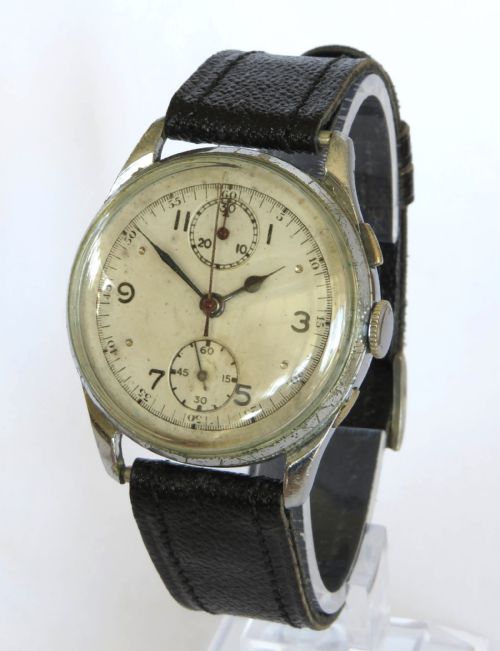
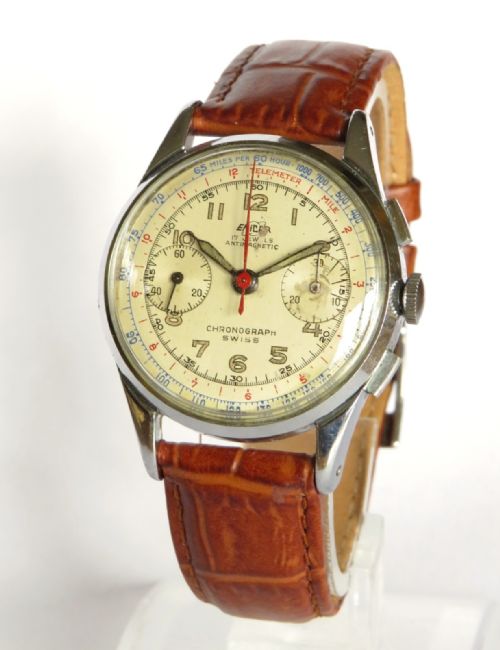


Vintage Mechanical Chronograph
A vintage mechanical chronograph is a precision timekeeper equipped with stopwatch functions, prized for complex gear trains and enduring utilitarian design.
Vintage Mechanical Chronograph
A vintage mechanical chronograph brings together complex gear trains and stopwatch functions housed within traditional wristwatch or pocket watch formats. These timepieces record elapsed intervals alongside standard hours and minutes through manual wind or self-winding movements.
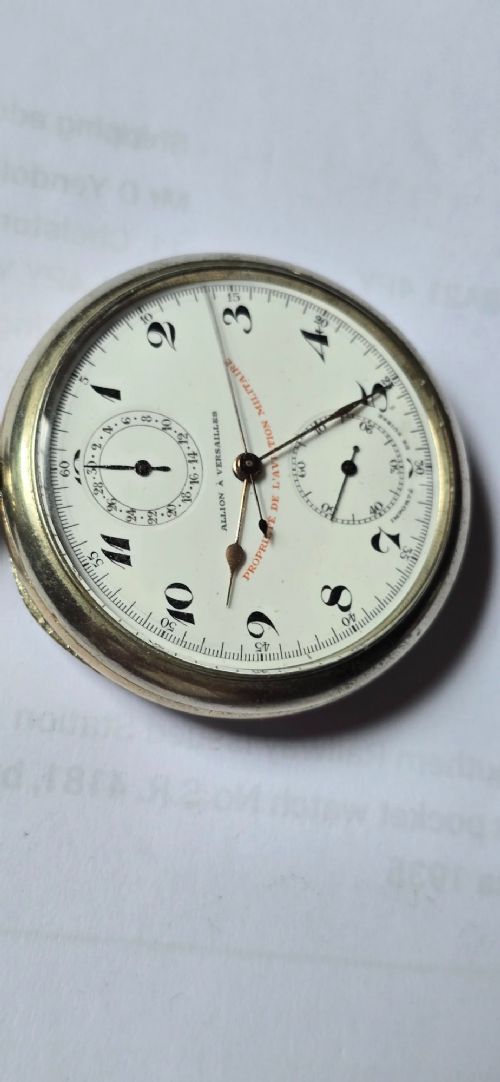
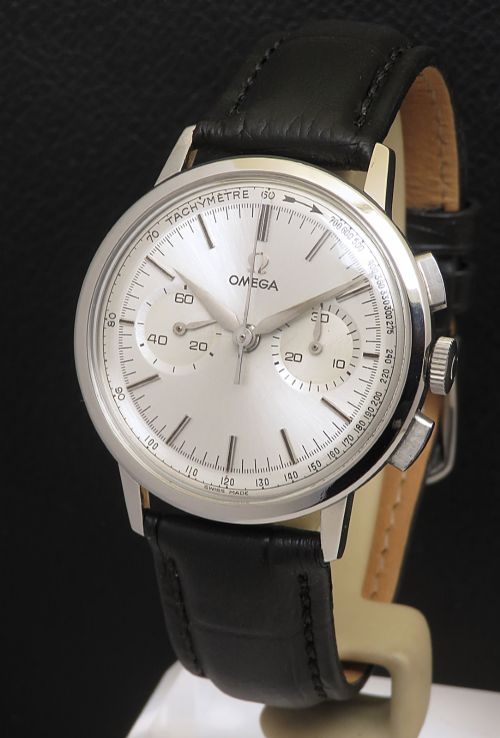
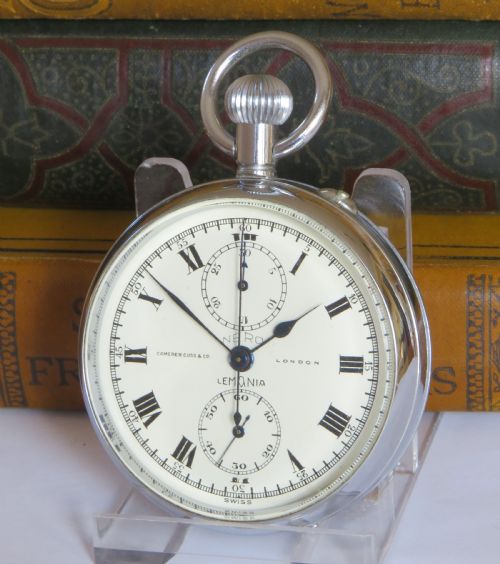
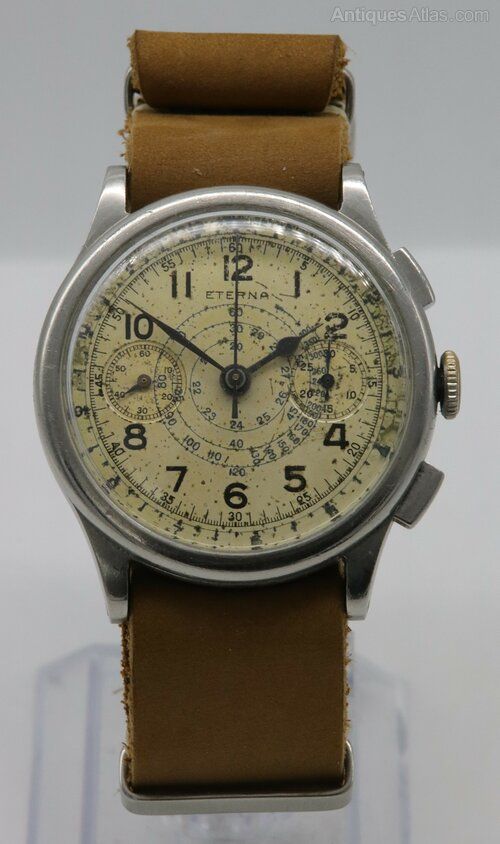
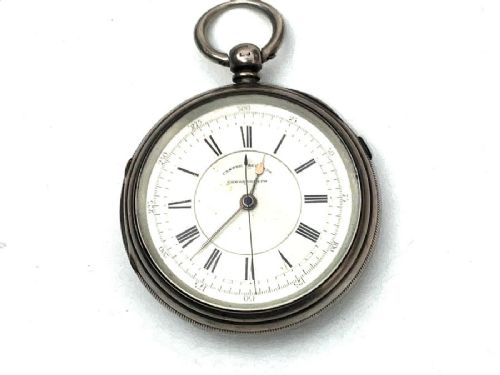
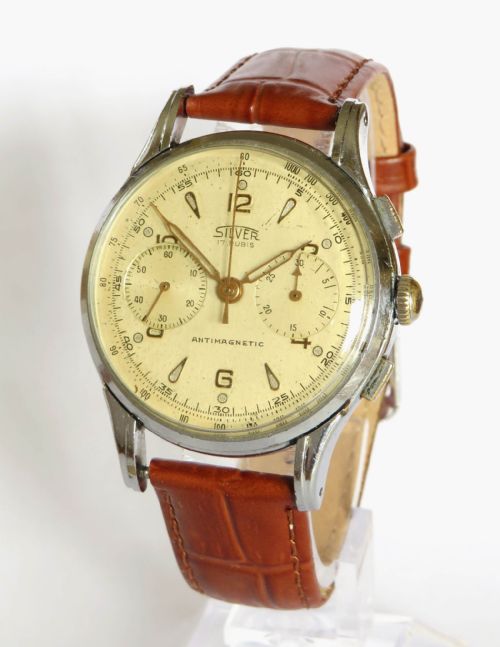
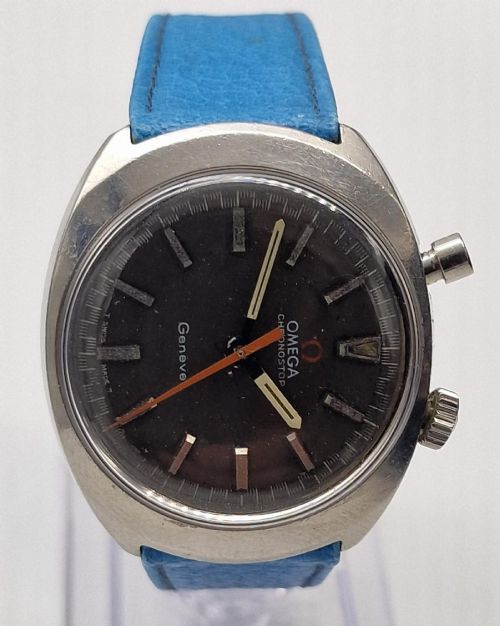
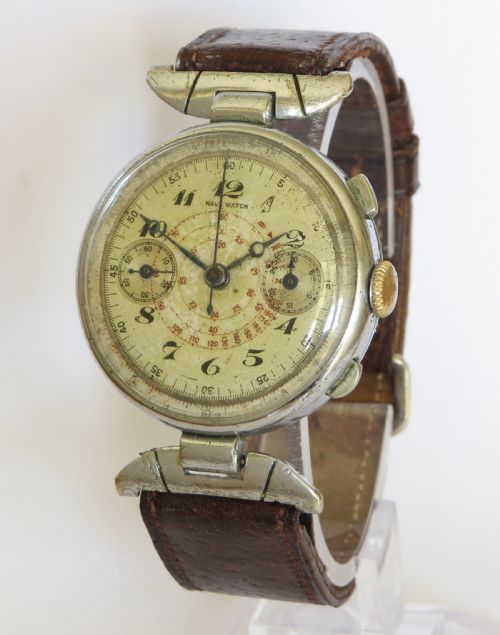
The pieces on this page span the late nineteenth century through the late twentieth century, encompassing Victorian pocket watches, aviation wristwatches from the 1930s and 1940s, and mid-century sports models. Wristwatches dominate the selection, appearing alongside pocket watch formats.
Makers represented range from Swiss houses like Breitling, Omega, and Eterna to specialist movement suppliers and retailers. Materials span stainless steel, gold plate, and solid gold, paired with leather straps or fitted metal chains.
Materials and construction
Cases utilise stainless steel, gold plate, enamel, and solid gold, protecting delicate internal mechanisms from dust and moisture. Dials feature printed or applied markers beneath glass or acrylic crystals, often complemented by subsidiary registers for timing.
Movements rely on complex brass gear trains, jewelled pivots, and steel springs assembled by hand. Mechanical calibres such as Landeron and Venus drive the chronograph complications, engaging column wheels or cams to start, stop, and reset the central sweep hands.
Naval artillery officers once timed gunnery trajectories using pocket watches issued to the Kriegsmarine during the Second World War.
Factors of quality
Quality rests in the complexity and finishing of the movement calibre, from basic cam-switching mechanisms to column-wheel chronographs and split-second rattrapante complications. Finer examples display meticulous bevelling on bridges and higher jewel counts for reduced friction.
Case preservation and dial originality heavily influence the standing of a piece. Crisp case geometry, legible enamel or metal dials, and correct signed components distinguish superior examples from heavily polished or restored alternatives.
Omega·Guinand·Lemania·Eterna·Antoremi·Hahn Landeron·Venus·Enicar·Breitling·Invicta·Mappin·Fludo·Benrus·Chronographe Suisse·Mundus
The Vintage Mechanical Chronograph Glossary
- Chronograph
- A watch with a display for telling time and a separate independent sweep second hand that can be started, stopped, and returned to zero for measuring intervals. This complication defines the entire category.
- Calibre
- The specific manufacturer's designation for a watch movement model. Collectors use this to identify the internal architecture and origin of the mechanism.
- Column wheel
- A rotating pillared cylinder that coordinates the start, stop, and reset functions of a traditional chronograph. It represents a more complex and desirable form of movement control than a stamped metal cam.
- Panda dial
- A watch face featuring a light-coloured background with contrasting dark subsidiary registers. The layout resembles the face of a panda and gained popularity during the mid-century sports watch era.
- Rattrapante
- A complex pocket watch or wristwatch movement featuring two overlapping stopwatch hands, enabling the measurement of intermediate splits while the primary hand continues running.
Vintage Mechanical Chronograph: Frequently Asked Questions
How do I wind a mechanical chronograph?
Wind the crown clockwise between your thumb and forefinger until you feel gentle resistance, stopping before the spring over-tensions. Avoid overwinding, as this can strain the internal mainspring.
For daily wear, wind the watch at approximately the same time each morning to maintain consistent tension and timekeeping accuracy.
Can I wear my vintage chronograph daily?
Many models were built for active daily use, but vintage mechanisms lack modern shock protection and water resistance gaskets. Care must be taken around moisture and impacts.
Rotating the piece into a collection and avoiding strenuous physical activity while wearing it will preserve the delicate internal gears.
What is a triple date chronograph?
A triple date chronograph displays the day of the week, the month, and the date alongside the standard time and stopwatch functions. These complications are usually arranged via subsidiary dials and apertures on the face.
Adjustments to the calendar displays should be avoided during specific night hours when the internal date-changing gears are already engaged.
How do I tell a pocket watch from a wristwatch period?
Pocket watches from the nineteenth and early twentieth centuries feature pendant bows for chains and larger case diameters designed for waistcoat pockets. Wristwatches emerged later with soldered or integrated strap lugs.
Movement sizes and dial layouts also shifted as makers transitioned from pocket watch calibres to smaller wrist-worn formats during the 1920s and 1930s.