


Vintage Swiss Chronograph Watch
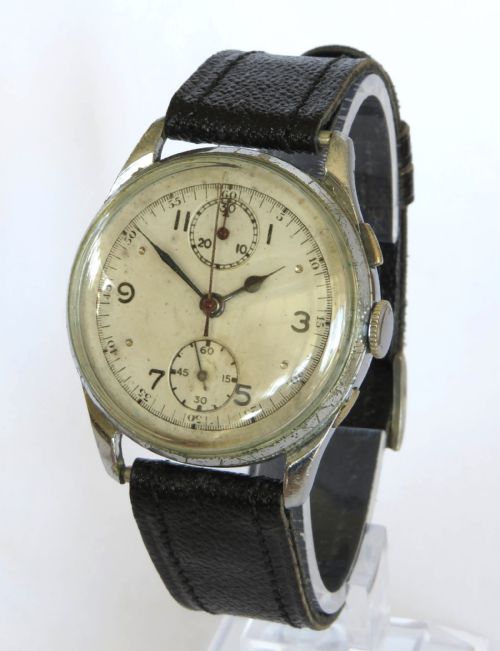
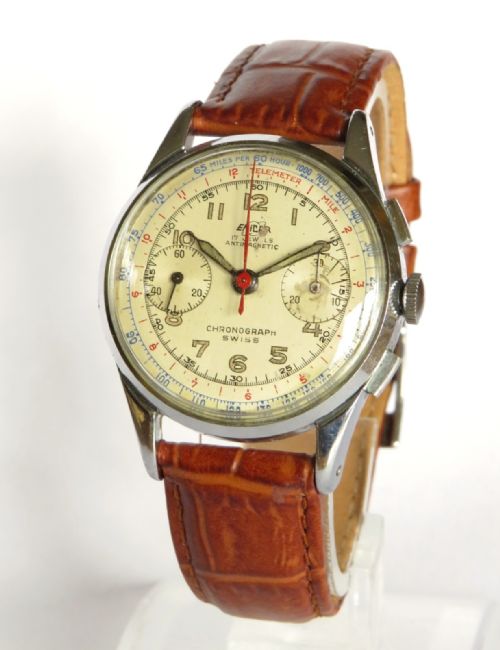
A vintage swiss chronograph watch combines precision timekeeping with stopwatch functions, offering buyers a tangible piece of mid-century mechanical mastery.
Vintage Swiss Chronograph Watch
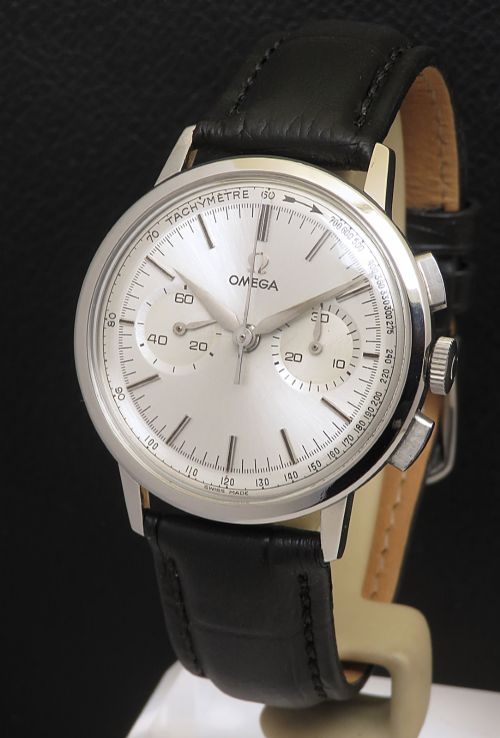
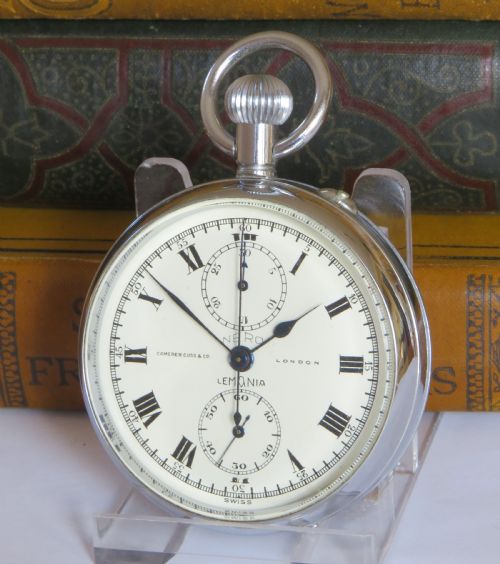
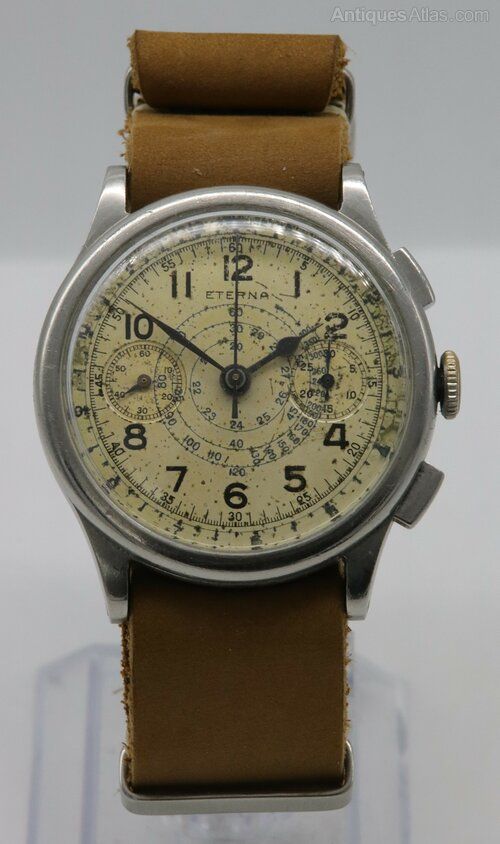
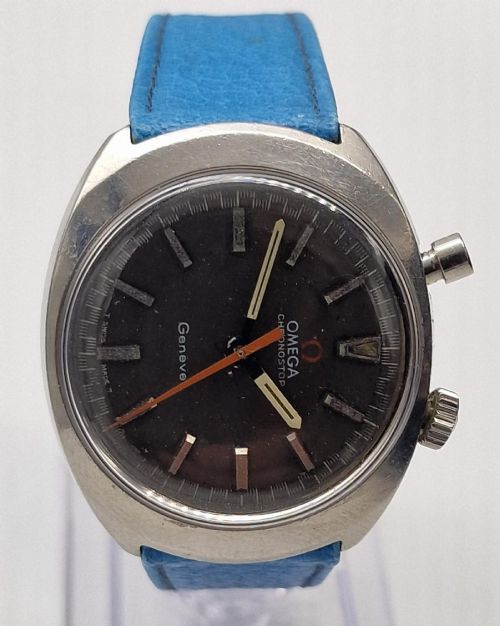
When you search for a vintage swiss chronograph watch, you encounter wristwatches and pocket watches spanning from the nineteenth century through the 1960s. These timepieces incorporate complication movements designed to measure elapsed time alongside standard hours and minutes.
The selections on this page lean heavily toward mid-century wristwatch forms, featuring styles such as Art Deco, Mid-Century Modern, and aviation-inspired dials. Pocket watch formats also appear, represented by silver and gold cases from earlier decades.
What varies in quality
The distinction between tiers rests upon the sophistication of the movement and the complexity of the dial layout. Simple two-register faces sit apart from pieces featuring triple calendar complications, moonphase displays, or split-second rattrapante mechanisms.
Material choice and maker reputation further differentiate the pieces, moving from standard steel casings to gold-plated or solid gold housings signed by notable Swiss firms.
Listings span periods from the 19th century through the 1960s, featuring materials such as stainless steel, gold plate, glass, acrylic, enamel, and silver.
Omega·Guinand·Lemania·Eterna·Venus·Enicar·Breitling·Invicta·Fludo·Miramar·Benrus·Chronographe Suisse·Mundus·Heuer
The Vintage Swiss Chronograph Watch Glossary
- Panda dial
- A watch dial featuring a light-coloured background with contrasting dark subsidiary registers. This layout resembles the face of a panda.
- Rattrapante
- A complex split-second chronograph mechanism utilising two superimposed hands. One hand can be stopped to measure an intermediate time while the other continues.
- Triple calendar
- A watch complication that displays the day of the week, the month, and the date alongside standard timekeeping.
- Manual wind
- A mechanical watch movement that requires the wearer to manually turn the crown to tension the mainspring.
Vintage Swiss Chronograph Watch: Frequently Asked Questions
How do I wind a manual chronograph?
Turn the crown gently clockwise until you feel resistance, taking care not to over-wind the mainspring.
This action powers the movement and enables both the timekeeping and stopwatch functions to operate correctly.
Can I wear my vintage watch daily?
Many examples are robust enough for regular wear, provided you avoid water exposure and heavy impacts.
Their mechanical movements benefit from periodic servicing to ensure ongoing precision.
What is a sub-dial used for?
Subsidiary dials on the main face track seconds, elapsed minutes, or hours for the stopwatch feature.
They allow the watch to record shorter time spans without interfering with the primary time display.
How do I identify the production decade?
Stylistic cues such as dial typography, case geometry, and movement calibres point toward specific manufacturing eras.
Mid-century examples often display distinct aviation or minimalist design influences characteristic of the 1940s through the 1960s.