






Vintage Mechanical Alarm Clock
A vintage mechanical alarm clock combines reliable timekeeping with distinct period design, offering both practical utility and tactile charm for the modern interior.
Vintage Mechanical Alarm Clock
A vintage mechanical alarm clock is a portable timekeeper designed to wake the sleeper through spring-driven mechanisms rather than electricity. When you search for this phrase, you encounter pieces spanning the Victorian era through the mid-century, with Art Deco examples predominating.
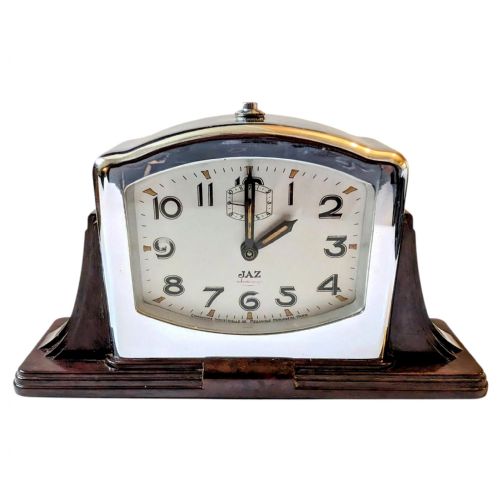
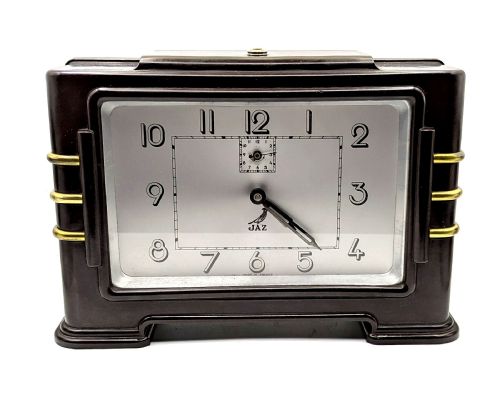
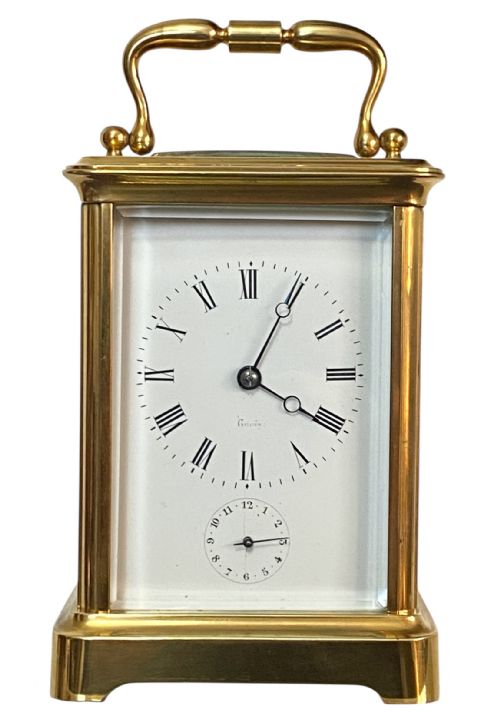
The selection ranges from robust brass carriage clocks with built-in alarms to streamline Bakelite desk clocks and chrome travel pieces. French and Swiss workshops produced many of the finer iterations, utilising heavy glass panels and enamel dials.
Domestic table clocks and miniature bedside models appear frequently across these listings. Each type reflects the technological and aesthetic priorities of its decade, from ornate 19th-century Gothic Revival cases to sleek 1930s modernist designs.
How they were made
These clocks rely on heavy brass movements enclosed within metal, glass, or stone housings. Brass and gilt bronze provide structural integrity for carriage mechanisms, while chrome plating and polished Bakelite define the later Art Deco items.
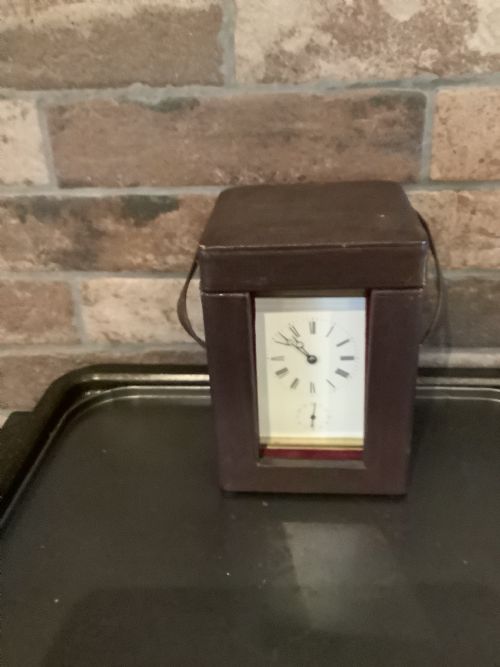
Dials often feature enamel finishes with precise painted numerals protected behind bevelled glass panes. Travel and desk versions frequently incorporate stitched leather cases to safeguard the metal exteriors during transit.
Periods represented range from Victorian Gothic Revival and 19th-century French pieces through 1930s Art Deco streamline designs.
What varies in quality
Quality in these timepieces rests upon the complexity of the internal movement and the integrity of the housing materials. Examples featuring multiple complications, such as repeater functions or strike mechanisms, represent a higher tier of horological execution.
The finish of the exterior materials also distinguishes individual pieces. Heavy gilt brass, unblemished enamel dials, and intact original leather cases elevate an item above standard utility models.
Jaz, France·Harrods of London·Jaeger LeCoultre·Drocourt·Hunt & Roskell·Bayard
The Vintage Mechanical Alarm Clock Glossary
- Carriage clock
- A small, portable spring-driven clock with a handle, originally designed for officers travelling during the 19th century. Many incorporate built-in alarm functions.
- Bakelite
- An early synthetic phenol formaldehyde resin used extensively for Art Deco clock housings. Its rich colour and smooth lustre define 1930s design.
- Sonnerie
- A striking clock mechanism that sounds the hours and quarters automatically. A petite sonnerie strikes the hours and passing quarters on demand or automatically.
- Repeater
- A mechanism that repeats the last struck hour or quarter when a button or lever is pressed. This complication is typical of finer 19th-century carriage clocks.
Vintage Mechanical Alarm Clock: Frequently Asked Questions
How do I wind a mechanical alarm clock?
Most models feature separate keys or butterfly keys attached to the back for the time train and the alarm spring. Turn them clockwise until you feel firm resistance, taking care not to overwind.
Ensure you stop winding the moment tension increases to prevent snapping the internal mainsprings.
Can I use a vintage alarm clock daily?
These clocks were built for daily domestic service and function reliably when properly maintained. Regular running keeps the brass gears and oil circulating correctly.
For optimal longevity, consult a professional clockmaker for periodic cleaning and servicing every few years.
What is the difference between a carriage clock and a desk clock?
Carriage clocks traditionally feature a rectangular brass case with a folding handle on top and glass viewing panels on all sides. They were engineered for portability and robust travel use.
Desk and mantel clocks are generally stationary objects designed for domestic interiors, utilising materials like Bakelite, marble, or chrome.