


Vintage Masons Porcelain
These vintage masons porcelain pieces bring bold colour and heavy-bodied utility to a table, offering rich patterns that define early industrial ceramics.
Vintage Masons Porcelain
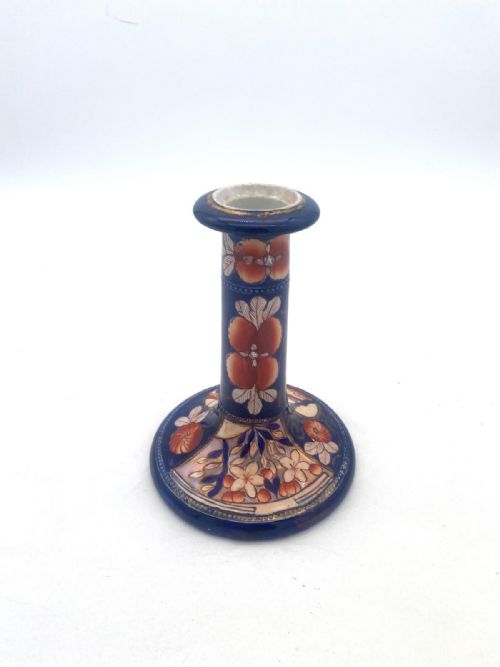
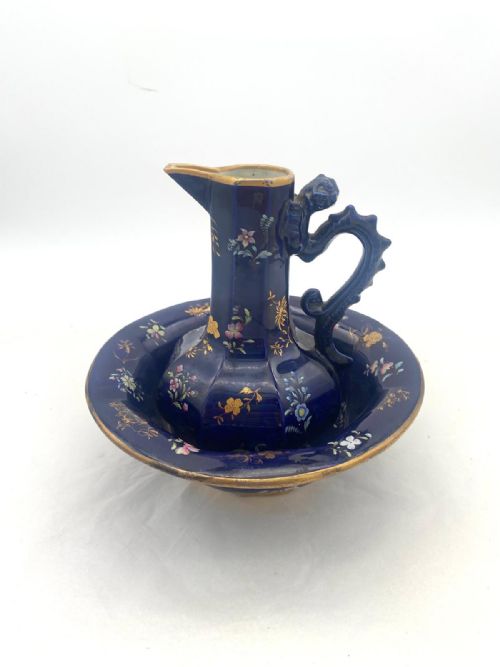
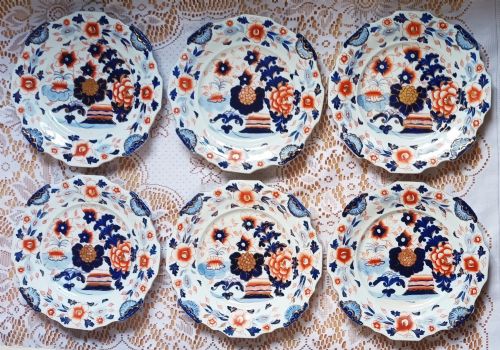
Most items you meet here display transfer-printed and hand-painted motifs rooted in traditional eastern designs, notably the Imari palette and Chinoiserie styles. Forms range from miniature hydra jugs and comports to large chargers and complete jug and basin sets.
Pieces span several distinct design movements, including Regency, Victorian, and English Regency aesthetics. The assortment relies heavily on ironstone bodies that give each vessel substantial weight and durability.
How they were made
Makers utilised a durable ironstone ceramic body, fired at high temperatures to withstand heavy domestic service while maintaining a fine porcelain-like finish. This dense ceramic serves as a heavy base for applied glaze and vibrant enamel colours.
Artisans applied detailed patterns using hand-painted enamels and underglaze printing, often finishing specific motifs with applied gold leaf. These decorative layers were fired repeatedly to bind the colours permanently to the glazed ceramic surface.
Several pieces depict cheerful blue pheasants and exotic birds frozen mid-stride, bringing Victorian wildlife directly to the dining table.
What varies in quality
The precision of the hand-painted enamel work and the crispness of the transfer-printed outlines dictate the visual distinction of each piece. Finer examples display meticulous brushwork on complex motifs like exotic birds and schoolhouse patterns.
The integrity of the glaze and the preservation of the applied gold leaf determine the lasting presence of the vessel. Heavier potting and well-balanced forms also indicate superior manufacturing standards within ironstone production.
The Vintage Masons Porcelain Glossary
- Ironstone
- A patented ceramic body developed to mimic true porcelain while offering superior strength and weight. This dense material forms the heavy base of most nineteenth-century tableware.
- Imari
- A decorative style inspired by Japanese export wares, featuring a distinct palette of cobalt blue, iron red, and gold leaf. It appears frequently on nineteenth-century plates and pot pourri jars.
- Chinoiserie
- European interpretations of Chinese artistic motifs, depicting imaginary landscapes, pavilions, and exotic figures. Artisans applied these designs to chargers, plates, and vases.
- Comport
- A raised dish or bowl traditionally used for serving fruit or sweets at the dining table. These elevated vessels stand on a central foot or pedestal.
- Porringer
- A small, shallow bowl with one or two horizontal handles, historically used for porridges or broths. This domestic form appears occasionally in ironstone china.
Vintage Masons Porcelain: Frequently Asked Questions
What is ironstone china?
Ironstone is a dense, durable ceramic body patented in the nineteenth century to provide an affordable and sturdy alternative to imported oriental porcelain.
It combines refined clay with slag of iron, resulting in a heavy fabric that accepts glazes and enamels exceptionally well.
How do I date these pieces?
Dating relies on identifying specific decorative patterns, backstamps, and the stylistic markers of periods such as the Georgian, Regency, and Victorian eras.
Examining the weight of the ceramic body and the vibrancy of the enamel colours also helps place a vessel within the nineteenth century.
What are Imari patterns?
Imari patterns draw inspiration from traditional Japanese export wares, characteristically utilising a striking combination of deep cobalt blue, rusty iron red, and gilded highlights.
Potters applied this vibrant decorative scheme extensively across nineteenth-century plates, jugs, and decorative vessels.
How do I care for ironstone?
These robust ceramic items require gentle hand washing with mild soap to protect their historical glazes and delicate hand-painted enamel details.
Avoiding harsh detergents and abrasive scrubbers preserves the gold leaf and prevents unnecessary wear on the painted surfaces.