


Vintage Maritime Portrait
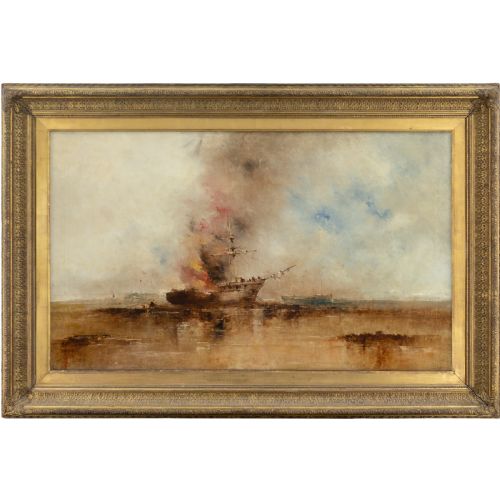
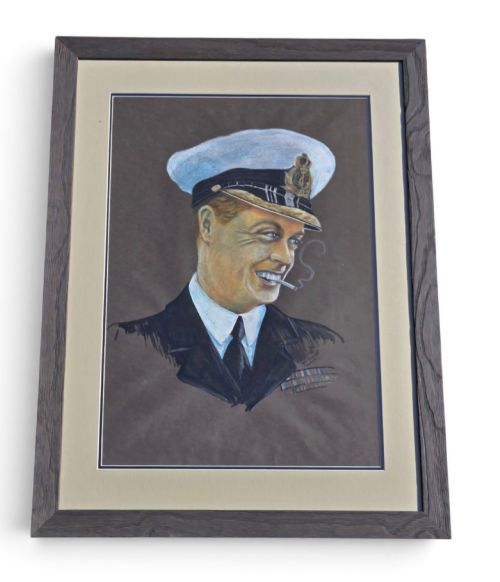
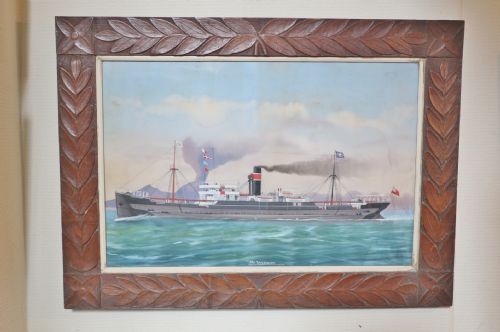
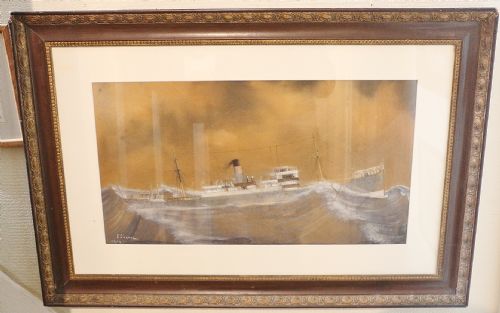
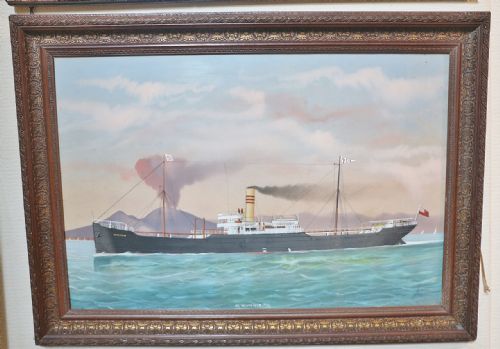
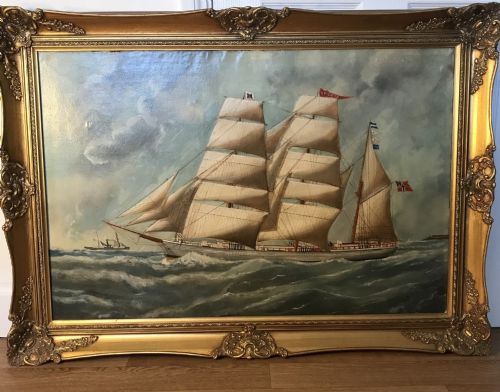
When you search for a vintage maritime portrait, you are looking at oil paintings, watercolours and photographs capturing specific vessels and the people who sailed them from the nineteenth and early twentieth centuries.
Vintage Maritime Portrait
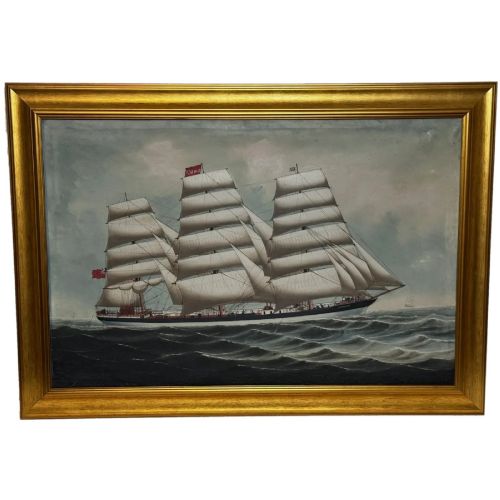
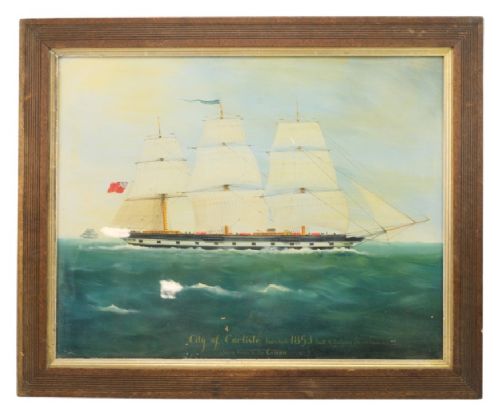
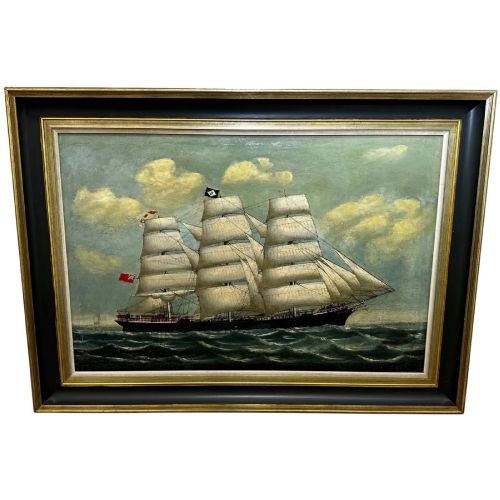
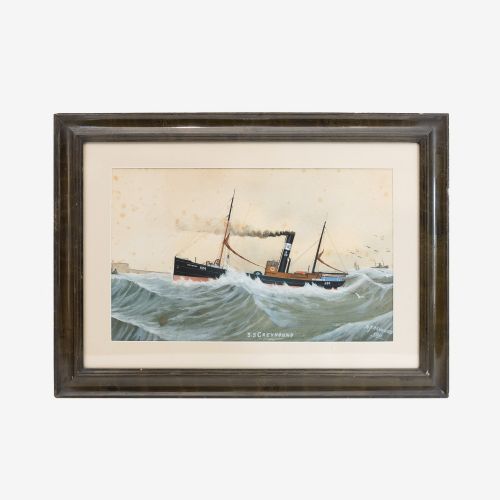
A vintage maritime portrait records individual ships, naval officers, merchant captains and fisherfolk across the Victorian and Edwardian periods. On this page, you will frequently meet steamships, clippers and three-masted schooners rendered in oil or watercolour, often named with precise locations and dates.
The material record spans canvas, wood, paper and glass, reflecting the commercial and naval hubs where these works were produced. Pierhead paintings and named ship portraits dominate the selection, capturing a working marine world through contemporary observation.
Assessing Quality
Quality rests on the precision of the vessel's rigging, hull construction and historical accuracy, which separates detailed studio works from simpler naive renderings. The handling of water, light and atmospheric pressure in the surrounding sea distinguishes the most accomplished hands.
Provenance and legible inscriptions identifying the ship, captain or artist elevate a piece from a generic marine scene to a documented historical record.
A shipwrecked Saint Bernard dog makes an unexpected appearance among the steamships and stately clippers.
Reginald Arthur Borstel·Vincenzo D’Esposito·Alexander Harwood·Joseph Heard·Johan Jens Neumann
The Vintage Maritime Portrait Glossary
- Pierhead painting
- A genre of ship portraiture typically executed by local artists at major ports to sell to sailors and ship owners. These works prioritise accurate depictions of named vessels, often shown entering or leaving harbour.
- Barque
- A sailing vessel with three or more masts having the fore and mainmasts square-rigged and the mizzenmast fore-and-aft rigged. This configuration was common for nineteenth-century ocean-going cargo transport.
- Gouache
- An opaque water-based medium that provides denser, flatter colour than transparent watercolour. It was frequently utilised for crisp maritime illustrations and detailed flag displays.
- West Indiaman
- A merchant ship built for trade between Europe and the West Indies. These vessels were heavily armed and constructed for speed and capacity.
Vintage Maritime Portrait: Frequently Asked Questions
What is a ship portrait?
A ship portrait is a specialised painting or drawing commissioned to record a specific vessel with technical accuracy. These works emphasise the rigging, hull and name of the ship, often shown in defined coastal waters or heavy seas.
Unlike general seascapes, the primary subject is a named commercial, naval or passenger vessel. They served as a point of pride for captains, owners and crew members.
How do I date a maritime painting?
Dating relies on the vessel type, riggings, naval architecture and costume details depicted in the artwork. Steamships, ironclads and specific three-masted schooners correspond to distinct technological eras.
Signatures, inscriptions on the reverse, and framing materials also offer concrete clues. Victorian and Edwardian works often feature contemporary notations naming the ship and location.
Where were pierhead paintings made?
Pierhead paintings were produced in busy ports and coastal trading hubs across Europe, Asia and the Americas. Local artists set up near the docks to cater directly to visiting sailors and shipping company agents.
These pictures recorded the exact vessels operating in specific harbours, making them vital records of nineteenth-century maritime commerce.
How should I display maritime art?
Maritime art suits spaces with stable humidity away from direct sunlight to protect historic oil paints and paper watercolours. Original oak frames should be preserved where possible to maintain the period context of the piece.
Ensure wall fixings can support heavier wooden panels and framed canvases safely. Proper lighting enhances the fine details of rigging and coastal waves.