
Vintage Marble Top
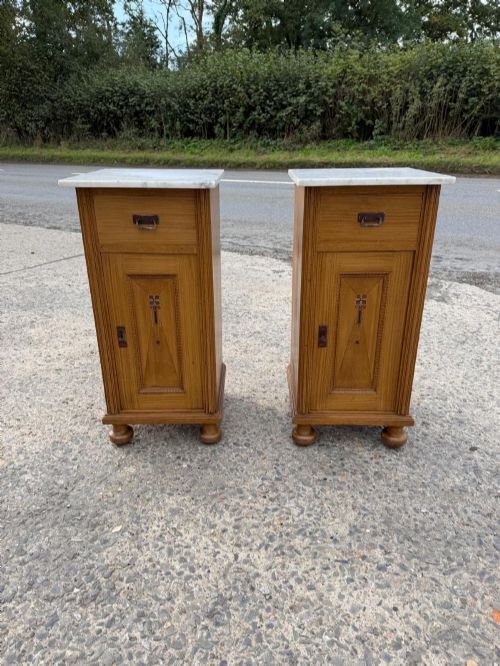
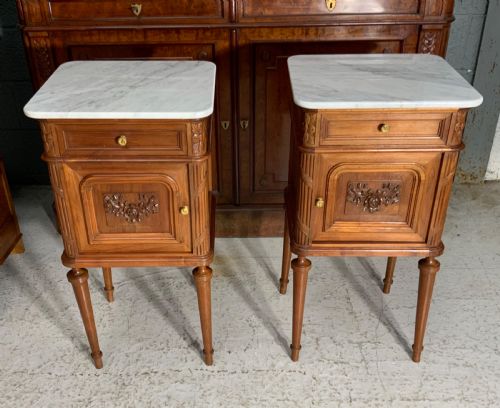
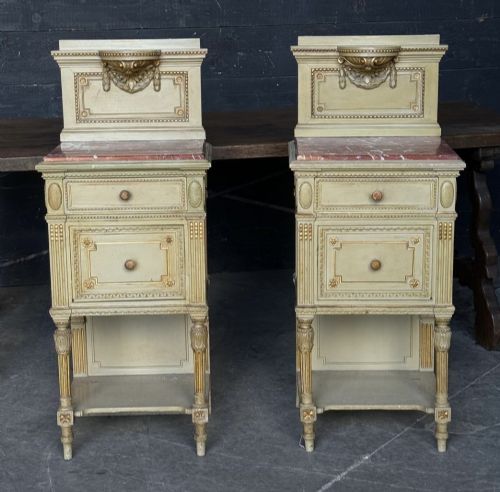
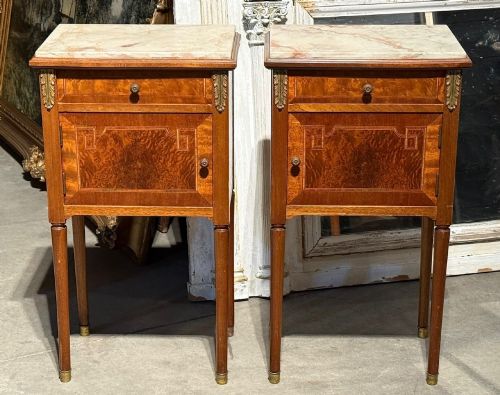
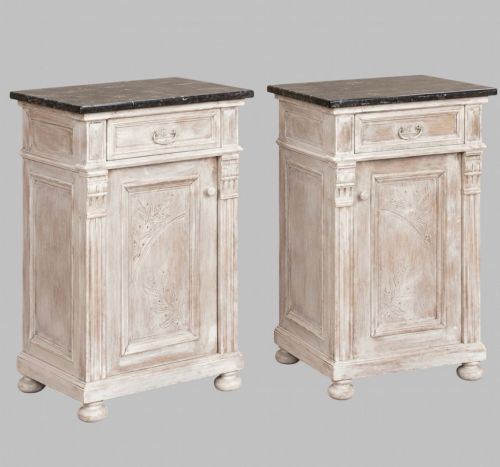
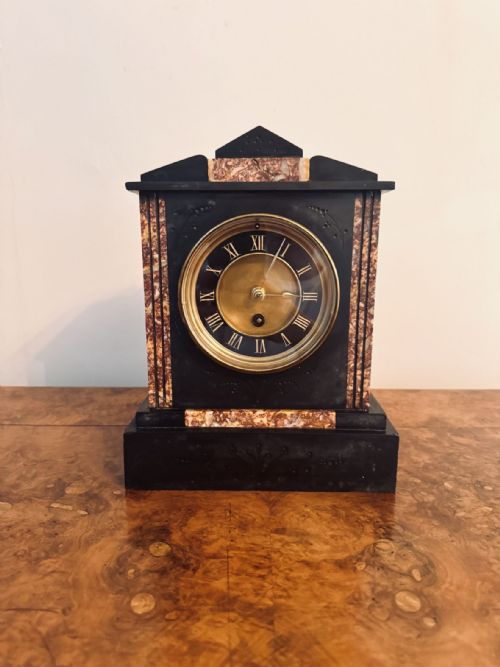
Vintage marble top pieces bring cool stone surfaces and rich timbers together across commodes, washstands, and bedside cabinets.
Vintage Marble Top
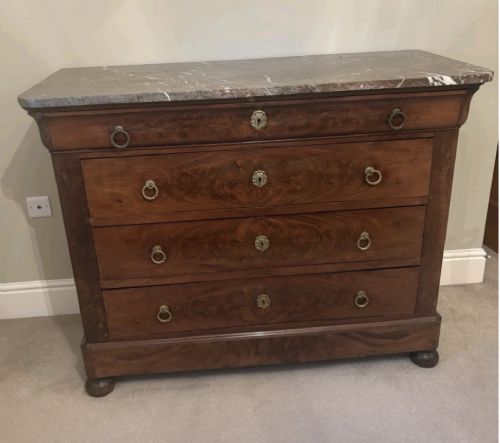
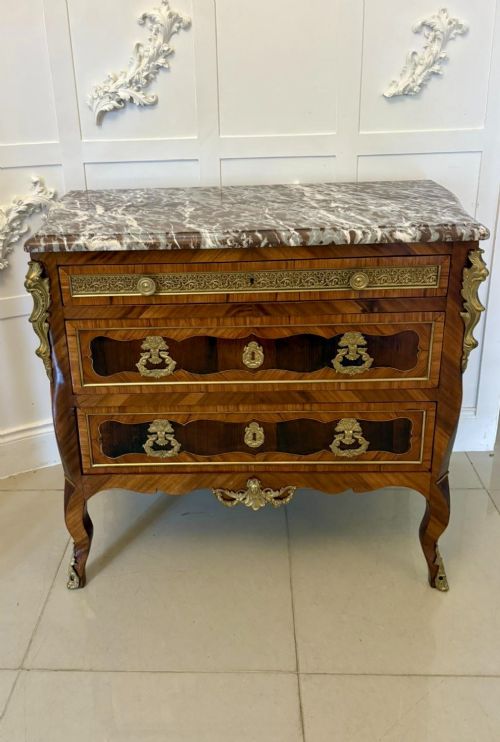
When searching for vintage marble top, you encounter utilitarian and decorative furniture built to combine a solid stone slab with timber framing. These items span periods from the mid nineteenth century through the Edwardian era and into the nineteen thirties, drawing heavily upon French cabinetmaking traditions.
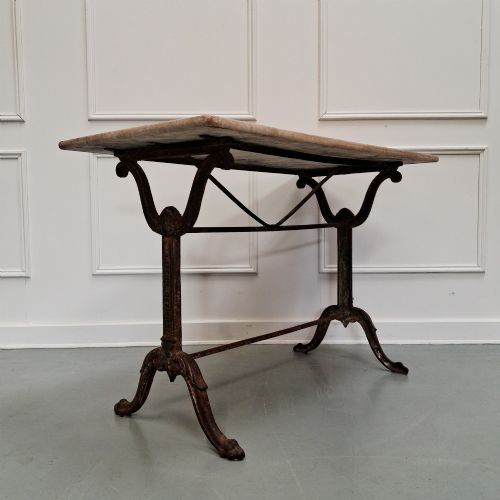
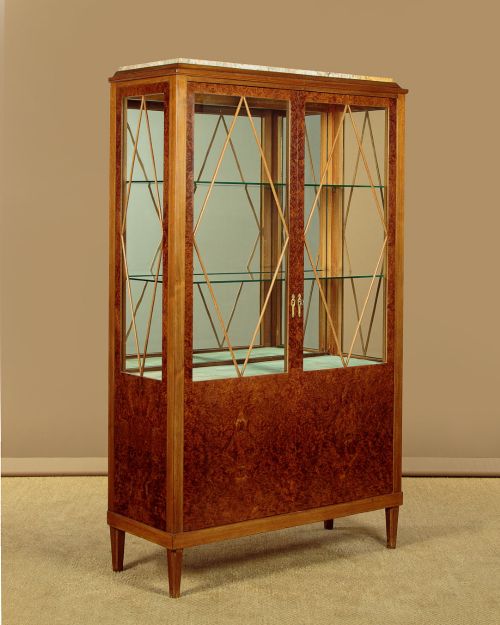
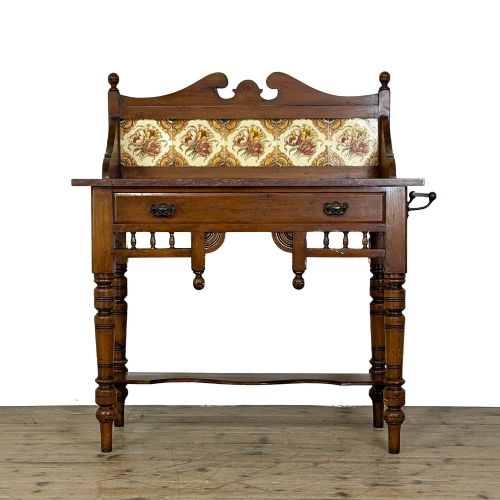
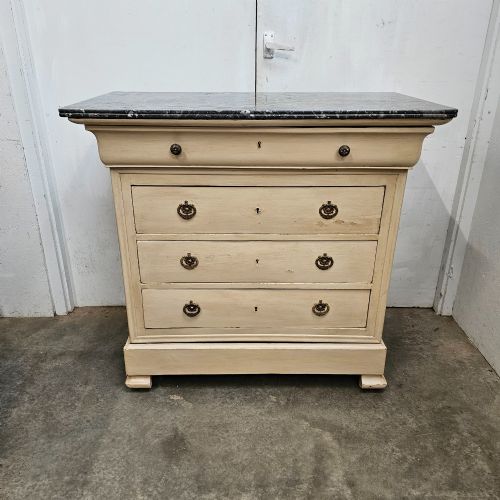
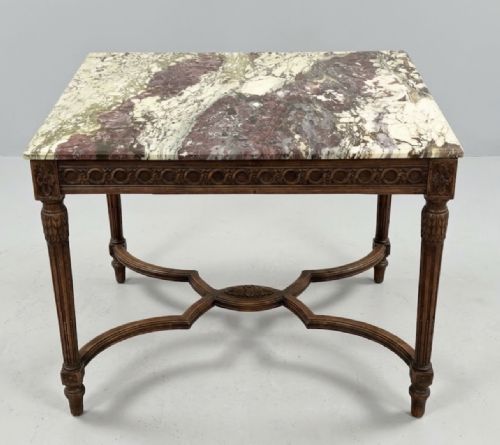
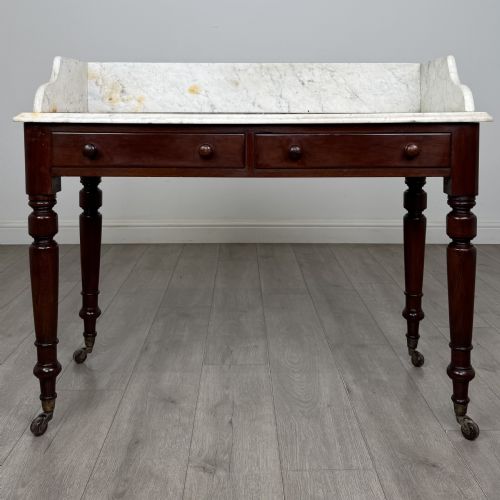
The most common forms on this page are bedside cabinets, washstands, and commodes or chests of drawers. You will also meet occasional tables, lamp tables, display cabinets, and console tables fitted with stone surfaces.
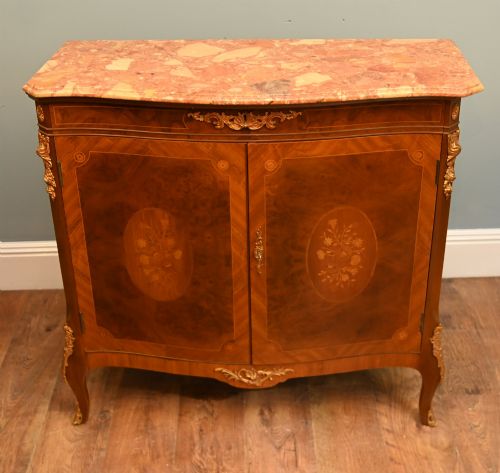
Many examples adhere to revival styles such as Louis Quinze, Louis Seize, and Henri Deux, utilising woods like mahogany, walnut, kingwood, rosewood, and satinwood alongside brass or ormolu mounts.
How they were made
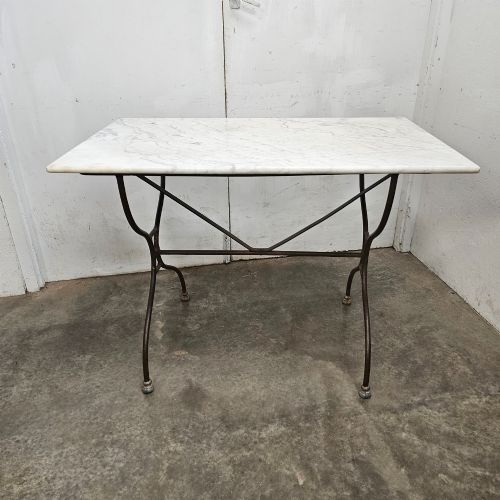
Makers set thick slabs of polished marble into rebated timber tops to create durable, water-resistant surfaces for washing and serving. The stone varieties range from standard white variants to decorative coloured marbles like Breccia Medicea violetta and Verde.
Cabinets and chests utilise structural carcases of mahogany, walnut, or oak, often finished with intricate marquetry, amboyna, or kingwood veneers. Gilt bronze, brass, or ormolu mounts frame corners and legs, whilst wrought iron supports appear on specific console and cafe tables.
Some nineteenth century washstands still hide their original ceramic basins beneath the heavy stone lids.
What varies in quality
Quality reveals itself in the harmony between the stone slab and the timber carcase below it. Superior pieces feature carefully selected marble edges that match the precise contours of the wooden frame, rather than generic slabs dropped onto unrelated bases.
The finesse of the cabinetmaking distinguishes standard utilitarian pieces from exceptional commissions. Finely cast ormolu mounts, precise marquetry inlay, and carefully figured walnut or kingwood veneers indicate workshops operating at a higher level of craftsmanship.
Jacques Birckle·Epstein·Walker And Sons
The Vintage Marble Top Glossary
- Commode
- A low chest of drawers or cabinet, frequently fitted with a marble top. These pieces often feature serpentine fronts and decorative wood veneers.
- Ormolu
- Gilt bronze mounts applied to furniture for decoration. This technique was widely utilised on French cabinets and commodes.
- Marquetry
- Patterns created on furniture surfaces using thin pieces of wood veneer. It appears on revival cabinets and commodes.
- Enfilade
- A long sideboard or cabinet with a series of doors. These pieces often incorporate heavy carved oak framing beneath a marble slab.
- Gueridon
- A small French occasional table designed for lamps or decorative objects. They frequently stand on single central pillars or tripod bases.
Vintage Marble Top: Frequently Asked Questions
How do I clean a vintage marble top?
Wipe the stone surface using a soft cloth dampened with warm water and a neutral soap. Avoid acidic cleaners or vinegar, which etch polished marble.
Dry the slab thoroughly afterwards to prevent water spots from forming on the porous mineral structure.
Were marble tops fixed to the furniture?
Most vintage marble tops rest by their own weight within a rebated wooden frame on top of the carcase. This heavy loose-fitting design allowed easier transport of the cabinet.
Some larger commodes or washstands utilise pinned or secured slabs, but lifting the stone often reveals simple gravity placement.
How do I date a marble top commode?
Examine the construction methods of the drawers, timber framing, and secondary woods inside the carcase. Hand-cut dovetails and native mahogany linings typically point towards nineteenth-century production.
Stylistic cues such as Louis XV revival curves or Edwardian satinwood inlays help narrow down the decade of manufacture.
Can I place these pieces in a bathroom?
Marble washstands and small cabinets function well in bathrooms due to their water-resistant stone surfaces. Ensure high humidity levels are managed to protect the underlying wooden carcase from warping.
Treat the timber surfaces with appropriate waxes to guard against moisture in damp environments.