

Vintage Marble Table Lamps
Vintage marble table lamps bring substance and texture to an interior, combining classical stone bases with period metalwork.
Vintage Marble Table Lamps
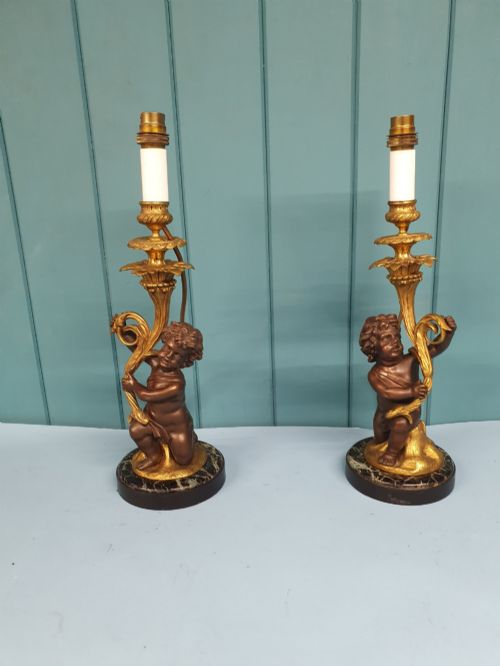
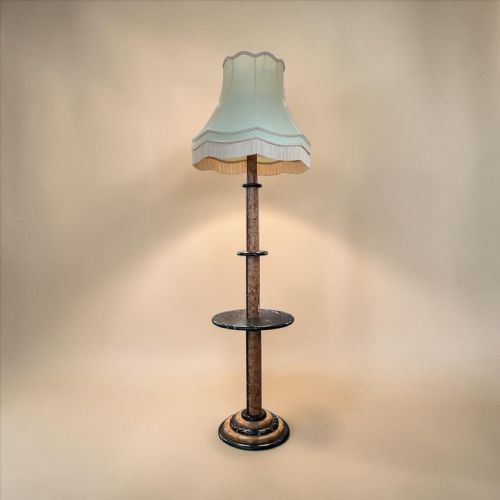
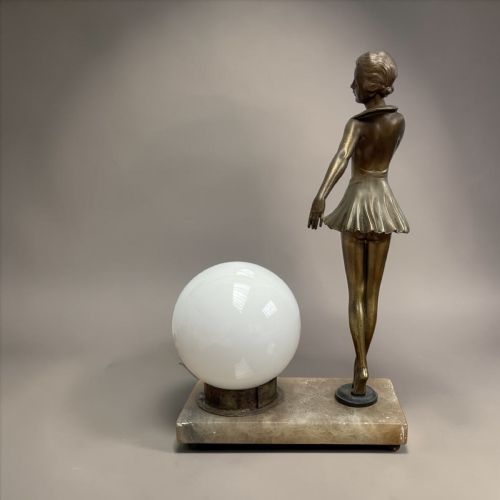
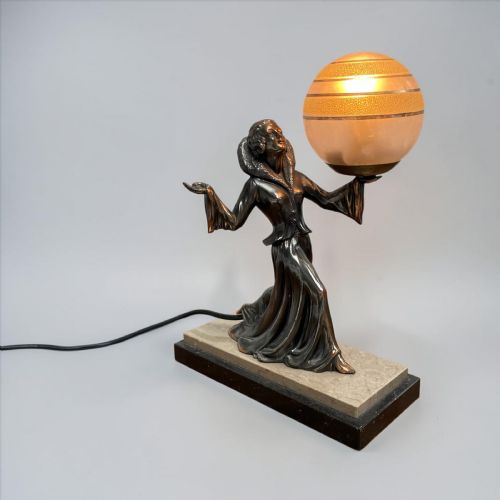
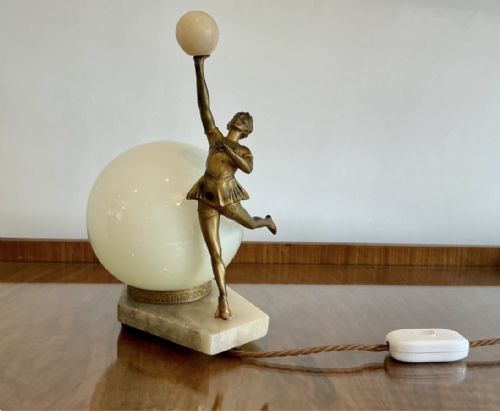
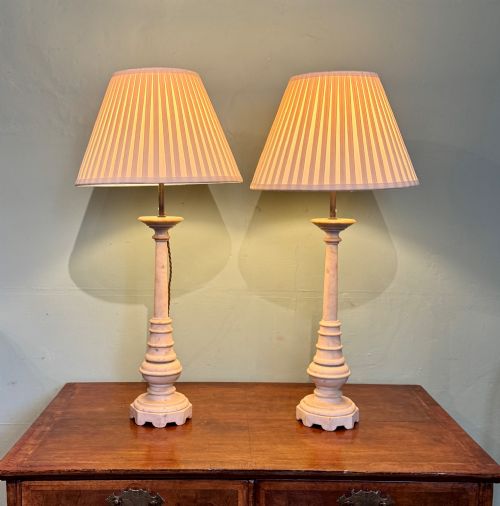
Vintage marble table lamps encompass lighting fixtures grounded in natural stone, appearing across periods from the nineteenth century through the Art Deco era of the nineteen-thirties. Buyers seeking vintage marble table lamps encounter designs ranging from straightforward neoclassical columns to figurative French novelty pieces featuring dogs, parrots, and ladies.
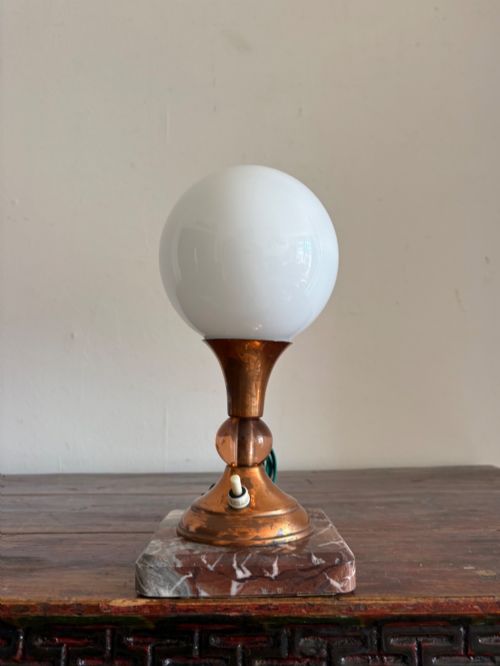
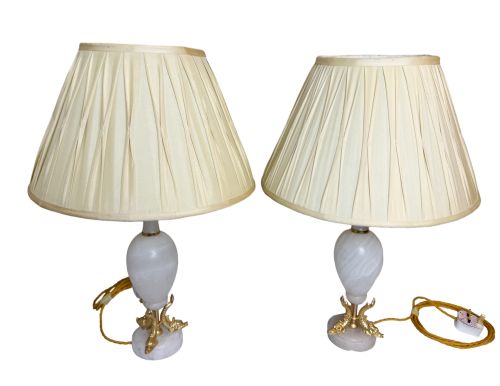
The selection includes urn lamps, standard lamps, and compact bedside forms originating predominantly from Britain and France. Many surviving examples pair solid or veined marble bases with contrasting metal mounts, capturing the aesthetic shifts of Edwardian and interwar design.
Materials and construction
Makers utilised solid marble, alabaster, and onyx for the structural bases, frequently turning or carving the stone into urn, column, or geometric forms. These stone elements were combined with cast brass, ormolu, gilt bronze, copper, and spelter components.
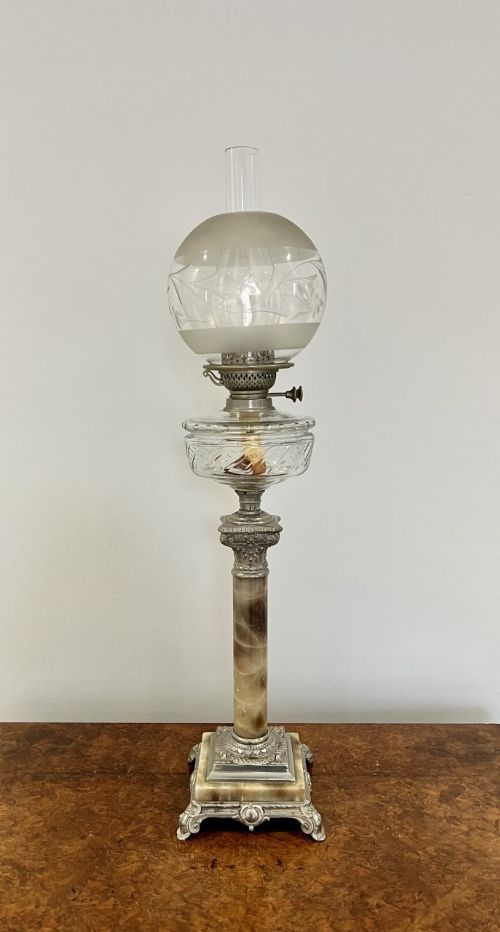
Wiring and electrical fittings were integrated into existing oil lamp conversions or built as dedicated electric lamps during the late nineteenth and early twentieth centuries. Decorative accents such as opaline glass shades, fabric elements, and cast metal trims completed the assembly.
Periods recorded stretch from the Victorian era through Edwardian designs to nineteen-thirties Art Deco.
Assessing quality and execution
Quality rests upon the grade and weight of the stone used for the base, alongside the precision of the metal casting. Superior pieces display crisp chiselling on gilt bronze and ormolu mounts, with well-fitted components rather than crude joins.
The artistic merit of figural elements, such as spelter or bronze animals and human figures, distinguishes standard production from finer studio work. Original patination on the metal parts and undamaged stone edges further indicate superior preservation.
The Vintage Marble Table Lamps Glossary
- Ormolu
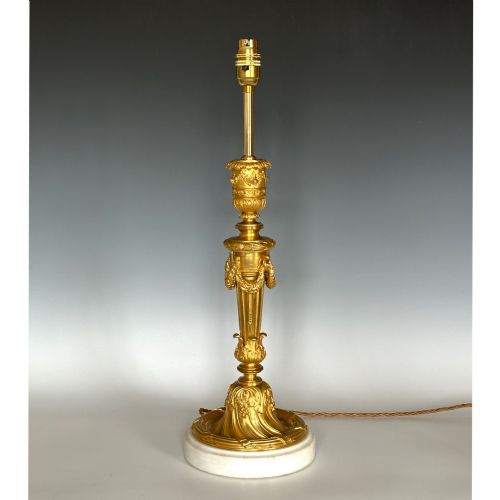
- Gilded brass or bronze applied to furniture and lighting mounts. This decorative technique was favoured in French neoclassical and Louis XVI style pieces.
- Alabaster
- A fine-grained, translucent stone used for carved lamp bases. It allows light to diffuse softly when near an illuminated bulb.
- Spelter
- An alloy of zinc and other metals used as a cheaper alternative to bronze. It frequently appears in figural mood lamps from the Art Deco period.
- Onyx
- A banded variety of chalcedony quartz utilised for decorative lamp bodies. Its natural layering creates distinctive horizontal patterns in the stone.
- Guéridon
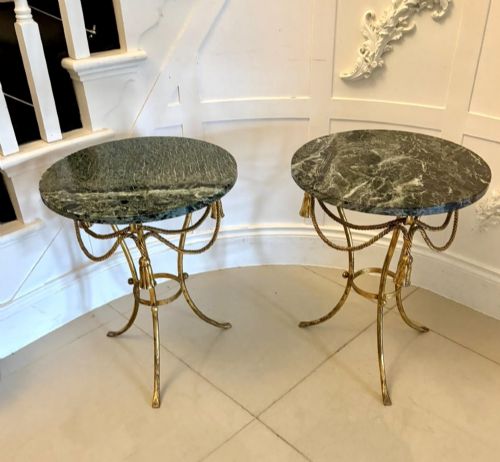
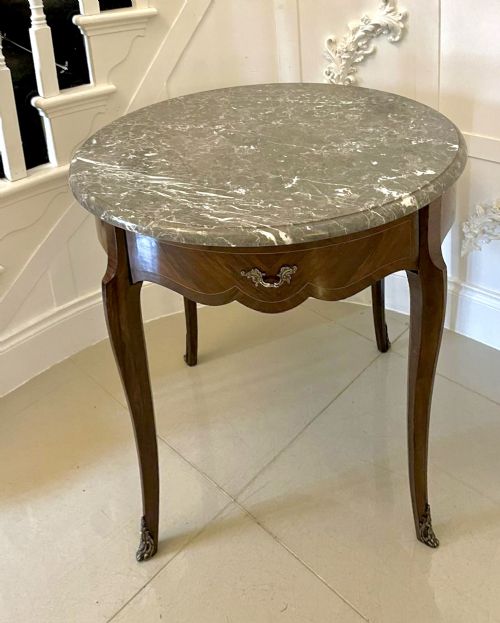
- A small French round table that often shares design characteristics with monumental lamp bases. These items occasionally double in function within period interiors.
Vintage Marble Table Lamps: Frequently Asked Questions
How do I date a marble lamp?
Dating relies on stylistic markers, such as neoclassical columns pointing to the nineteenth century or geometric forms indicating the nineteen-thirties. Examining the wiring, switches, and manufacturing techniques provides further chronological clues.
Makers often utilised specific metals and casting methods popular during particular reigns or design movements. Comparing the joinery and base construction with dated furniture helps narrow down the decade of production.
Are these lamps difficult to rewire?
Most vintage lamps accommodate modern electrical standards with standard rewiring procedures carried out by a qualified professional. Accessing the internal channel through the stone base allows new cord to be threaded safely.
Original brass socket components can often be retained while updating the internal wiring for daily use. Professional testing ensures the heavy stone and metal structure remains electrically safe.
How should I clean a marble base?
Maintenance requires a soft, dry cloth to remove dust from the stone and metal surfaces without moisture. Harsh chemical cleaners risk damaging the polished marble or stripping the gilt finish from bronze mounts.
Specialist stone soap diluted in water can be used sparingly on stubborn marks, provided the liquid is dried immediately. Metal components benefit from avoiding abrasive polishes that wear away historic patination.
What styles are most common?
French Neoclassical, Louis XVI style, and Art Deco represent the dominant aesthetic categories found among these lighting pieces. Edwardian classical revivals also appear frequently in British collections.
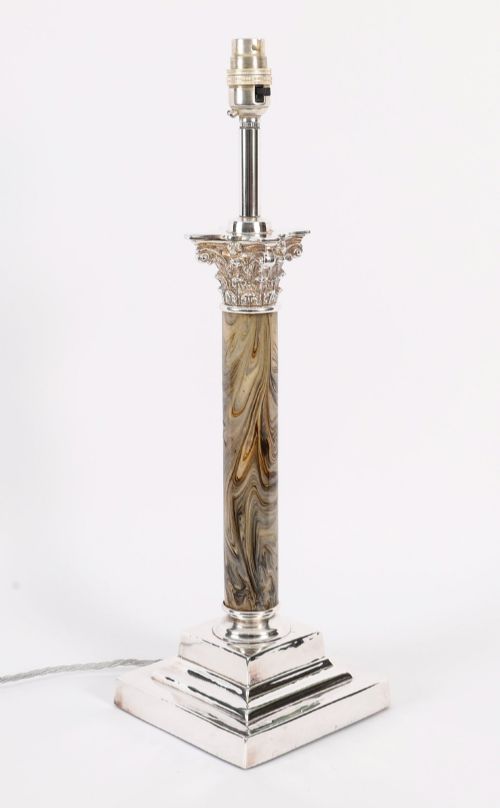
Art Deco examples often feature figural subjects like animals or stylised human forms paired with contrasting marble bases. Neoclassical pieces lean towards architectural columns, urns, and Corinthian capitals.