

Vintage Mantle Glass
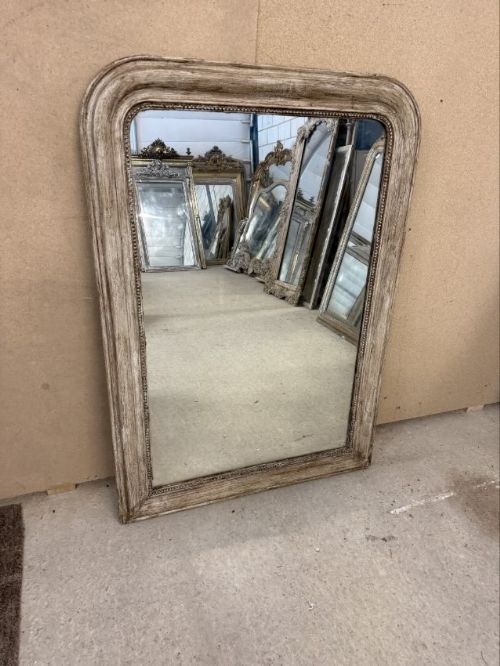
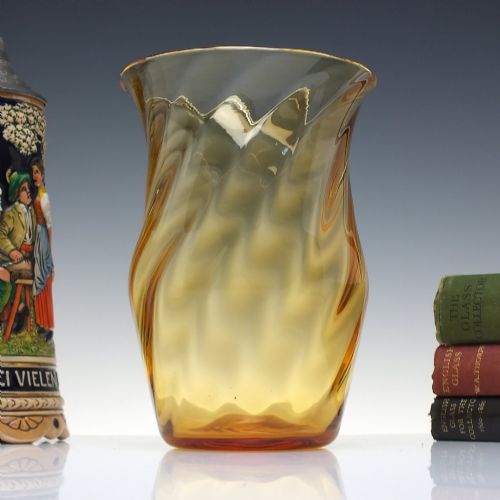
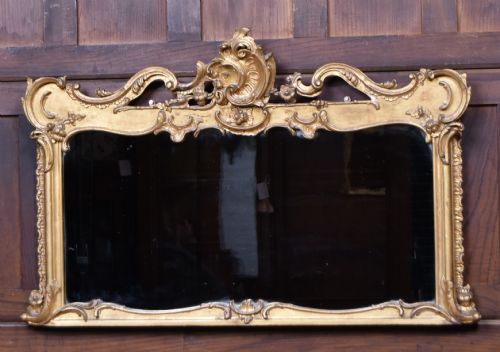
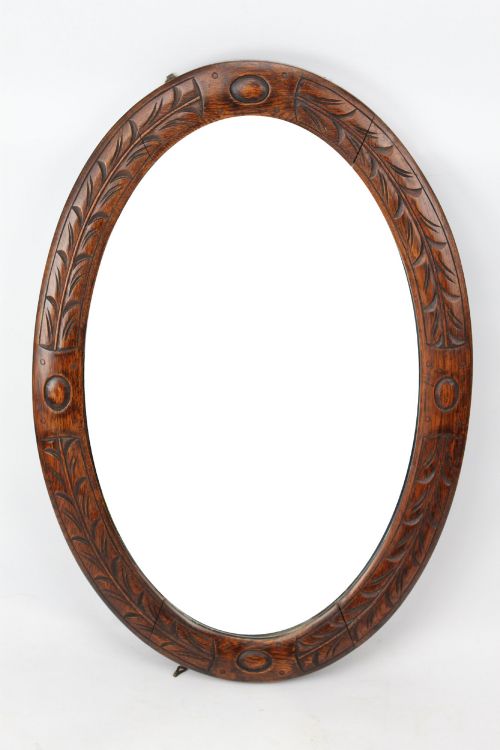
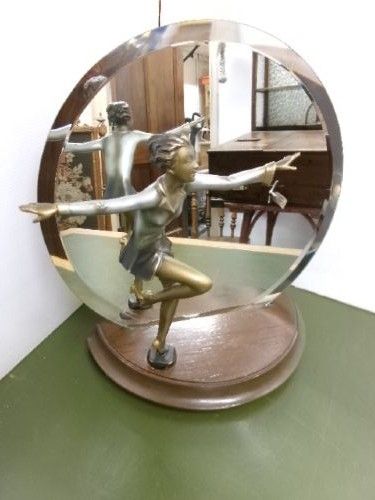
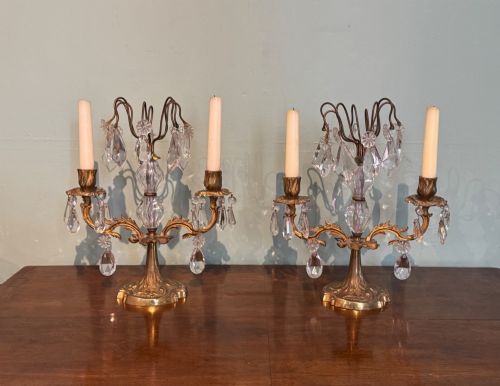
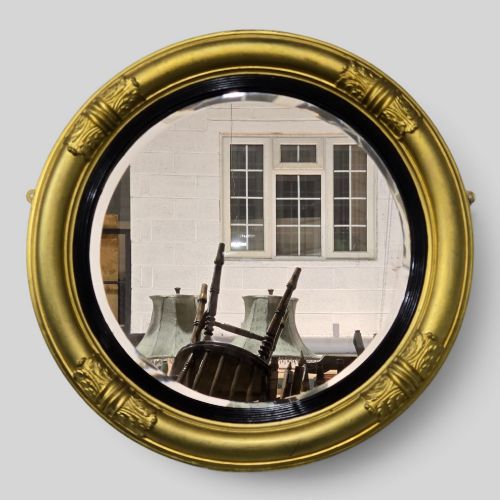
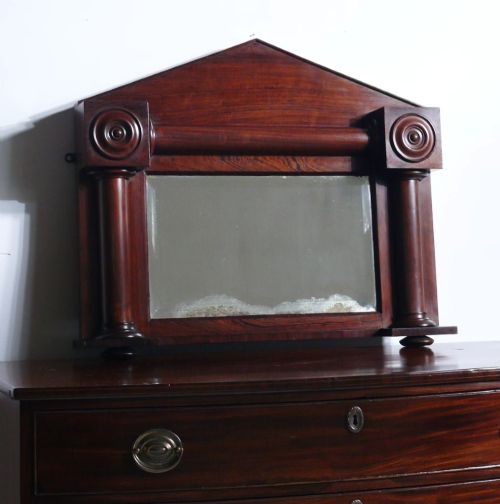
These vintage mantle glass selections encompass period mirrors, timepieces and decorative glass, offering authentic historic character for interior placement.
Vintage Mantle Glass
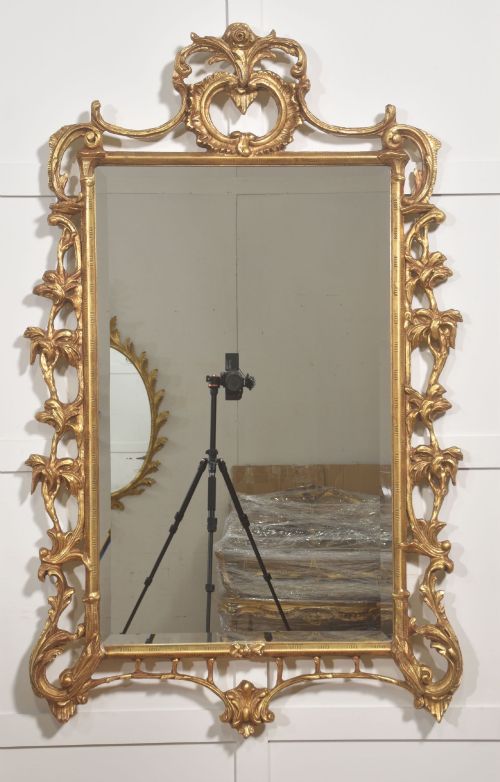
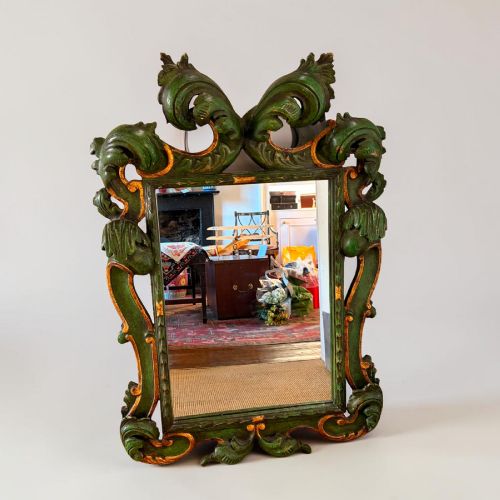
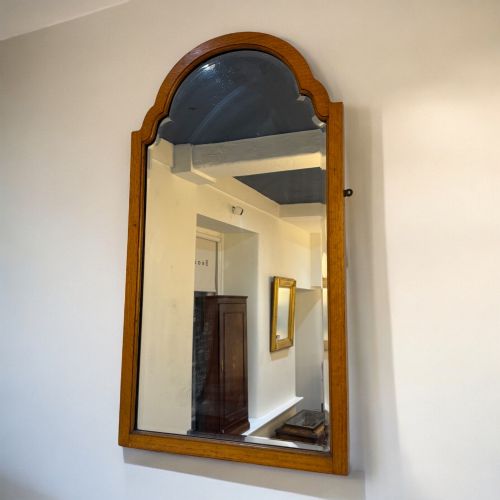
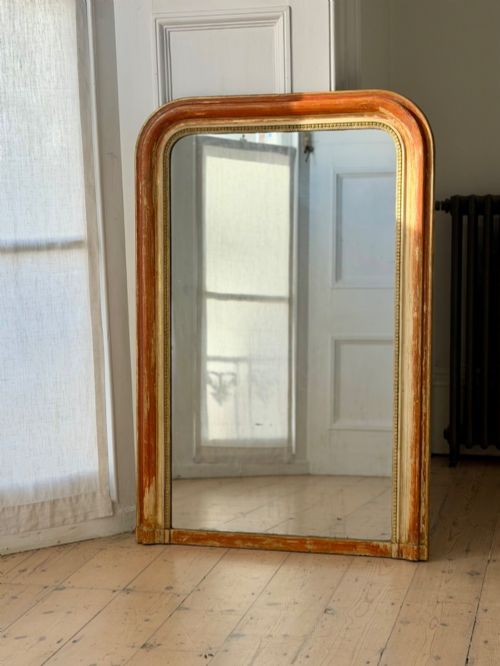
Originating from English, French, and Italian workshops, these items reflect specific historic periods including the Victorian, Edwardian, and Regency eras. Oak, walnut, and carved giltwood frame the mirror glass, while brass and marble form the housing for timepieces.
Materials and construction methods
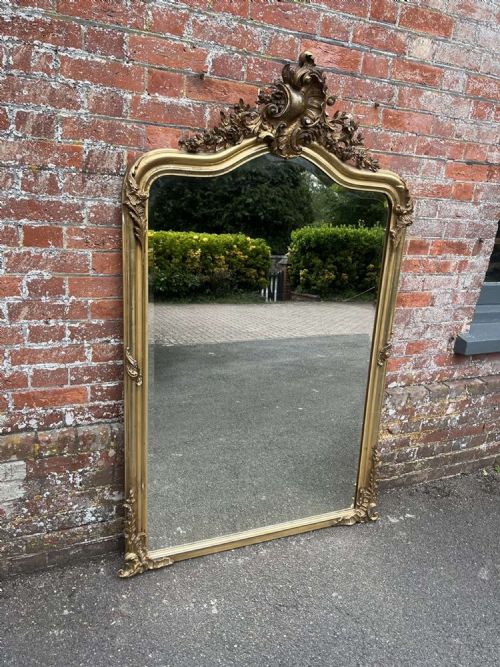
Carpenters and gilders utilised carved wood, gesso, and gold leaf to construct ornate mirror frames in rococo and louis philippe styles. Brass, bronze, and copper frequently form the structural cases for mechanical carriage clocks and mantel clocks.
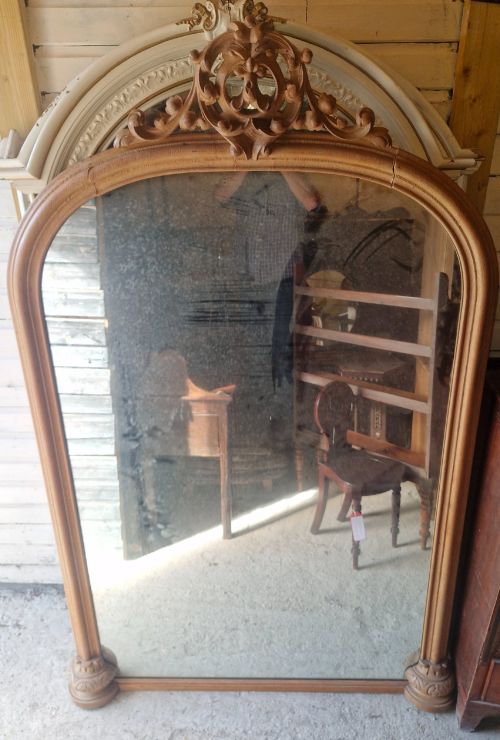
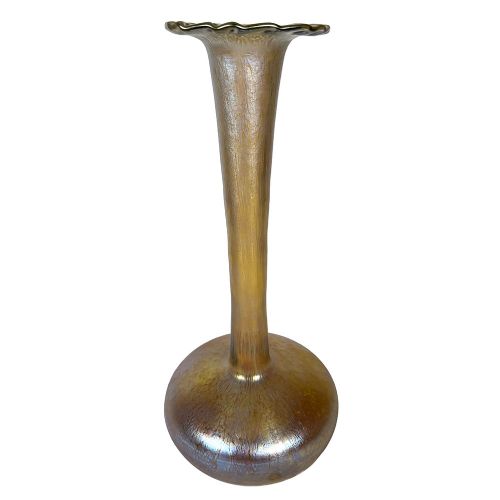
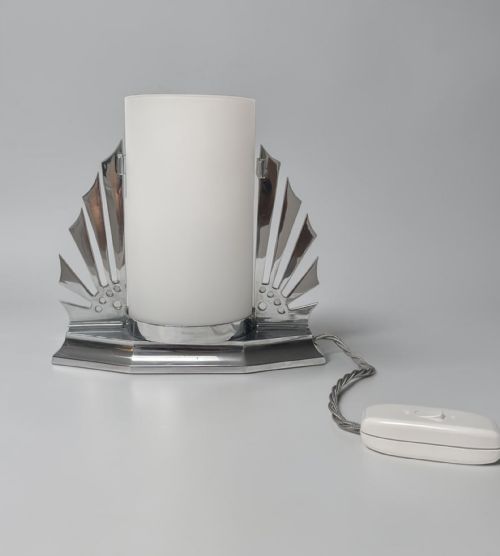
Glassmakers applied techniques involving cut glass, enamel, and iridescent treatments to produce decorative vases and candle lamps. Early examples incorporated mercury glass within mirror plates, while later pieces utilised standard bevelled glass.
Vintage Mantle Glass Retail Price Guide 2026
Typical asking prices for vintage mantle glass among the pieces listed under this phrase on Sellingantiques today, from the lower quarter to the upper quarter. They describe what is for sale here now, not the wider market.
Listings feature items spanning the eighteenth century to the mid-twentieth century, incorporating brass, oak, giltwood, and enamel materials.
Distinctions in craftsmanship
The degree of hand-carving depth in wooden and gesso frames separates standard production from finer decorative pieces. Crisp detailing in giltwood embellishments and the preservation of original mercury glass indicate higher execution.
Horological items demonstrate quality through the complexity of mechanical movements, such as repeater functions and signed clockmaker plates. Material selection, including solid walnut or brass housing versus lesser alloys, dictates the endurance of each piece.
Loetz·Smiths Clockmakers·Richard Winter of Chieveley·Maurice and Marcel Moulin Favre Bulle·John Morley·Duverdrey and Bloquel
The Vintage Mantle Glass Glossary
- Overmantel mirror
- A large mirror designed to hang specifically above a fireplace mantelpiece. These typically span a horizontal format to complement the architectural width of a hearth.
- Carriage clock
- A small, portable spring-driven clock equipped with a carrying handle, originally designed for travel during the nineteenth century. Many feature brass cases with glass panels revealing the escapement.
- Mercury glass
- A double-walled blown glass filled with a silvering mixture through a pontil hole, then sealed, producing a reflective mirror-like coating. It was popular during the mid-nineteenth century.
- Gesso
- A plaster-like material applied to carved wooden frames to provide a smooth base for subsequent gilding. Craftsmen model intricate relief patterns directly into this compound.
- Torsion clock
- A clock regulated by a pendulum that rotates continuously in alternating directions rather than swinging back and forth. These often operate for long periods on a single winding.
Vintage Mantle Glass: Frequently Asked Questions
How do I style a mantle glass mirror?
Place an overmantel mirror centrally on the wall directly above the fireplace surround to reflect light and anchor the room's proportions. Pair the glass with matching candlesticks or small decorative objects positioned on the mantel shelf.
Ensure the width of the mirror aligns harmoniously with the fireplace opening below rather than exceeding the mantel ledge. Secure heavy wooden and gesso frames directly to wall studs using appropriate hardware.
What is a carriage clock?
A carriage clock is a portable timepiece housed in a brass and glass case, developed in the nineteenth century for officers and travellers. They operate using a spring platform escapement rather than a hanging pendulum.
Collectors value these clocks for their mechanical complexity and visible gear trains. Many include striking mechanisms or alarm functions.
How do I identify a Victorian mirror?
Victorian mirrors often display heavy carved wooden frames, deep gesso ornamentation, or restrained architectural mouldings in oak and walnut. Examine the reverse of the frame for hand-cut screws and aged timber patination.
Earlier nineteenth-century pieces may contain mercury glass with characteristic clouding or dark speckling behind the plate. Rococo revival and arched top designs predominate within this period.
Can antique clocks still keep time?
Many antique mechanical clocks function accurately provided they have received professional servicing and cleaning of their brass gear trains. Spring-driven and weight-driven movements require periodic adjustment to maintain precision.
Consult a horologist to inspect the escapement and mainsprings before running an antique clock continuously. Proper winding habits prevent undue stress on vintage components.