



1930s Flower Vase
A 1930s flower vase brings geometric lines and rich coloured glass to a room, offering a functional piece of the Art Deco period.
1930s Flower Vase
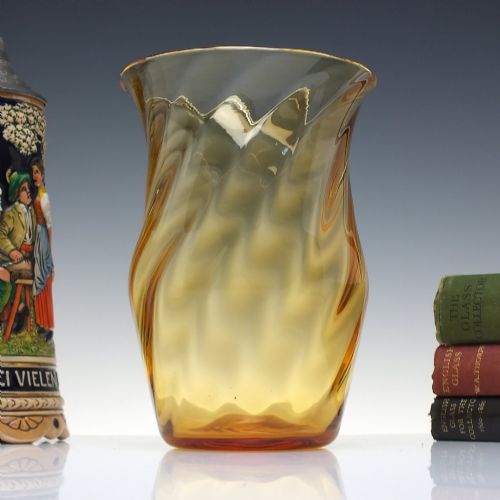
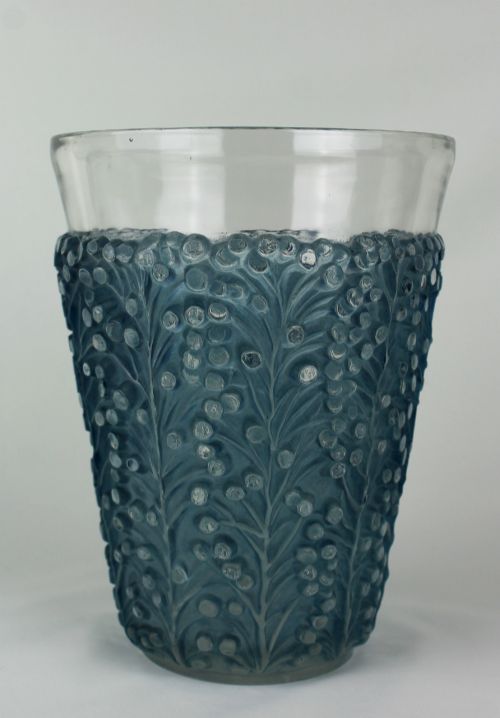
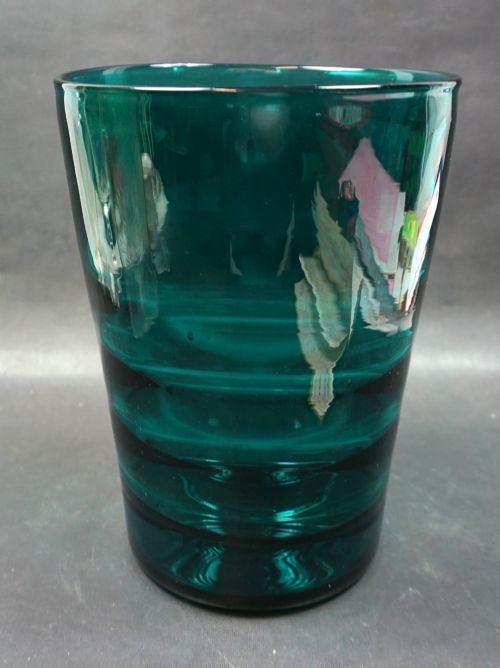
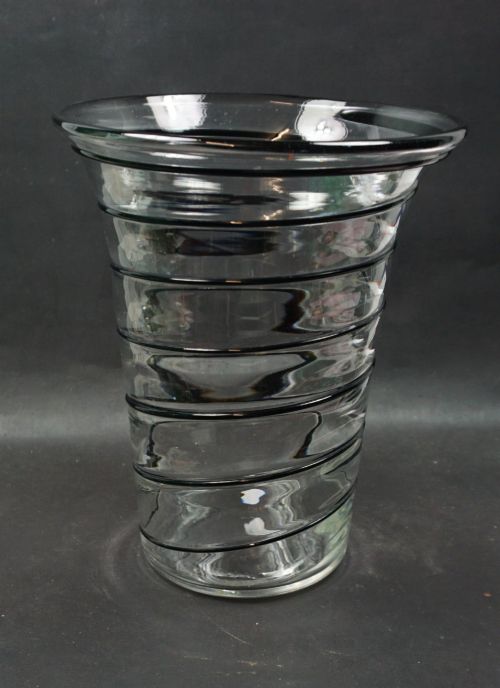
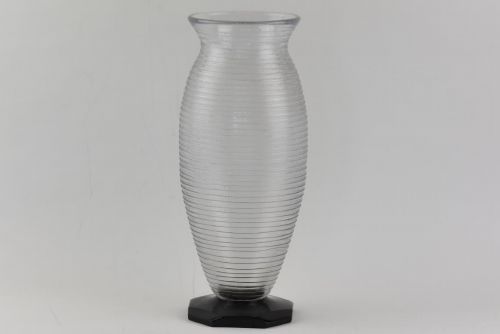
When searching for a 1930s flower vase, collectors encounter diverse glass vessels alongside occasional ceramics, paintings, and metalwork created during the interwar period. The primary focus rests on moulded, pressed, and blown glass objects designed to hold blooms or function as table centrepieces.
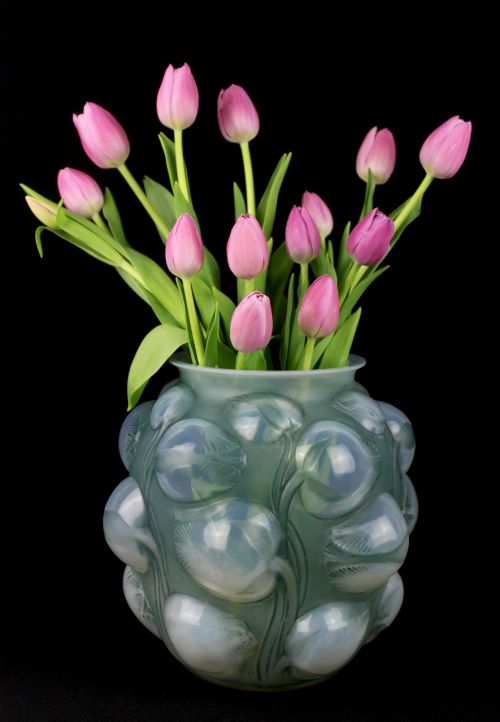
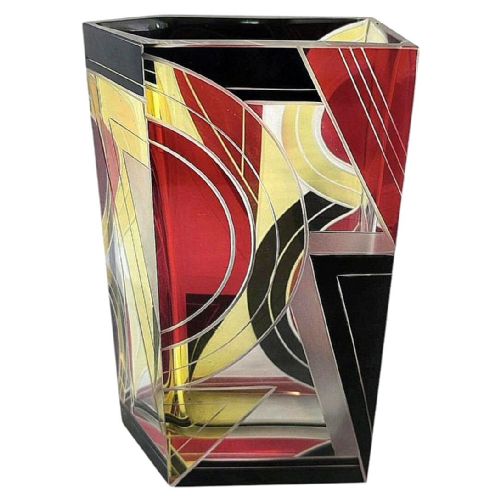
Most items meeting this description belong to the Art Deco style, displaying characteristic geometric patterns, stylised florals, or clean architectural silhouettes. European glassworks from Britain, France, and Belgium dominate the selection, alongside notable enamelled pieces originating from Czech workshops.
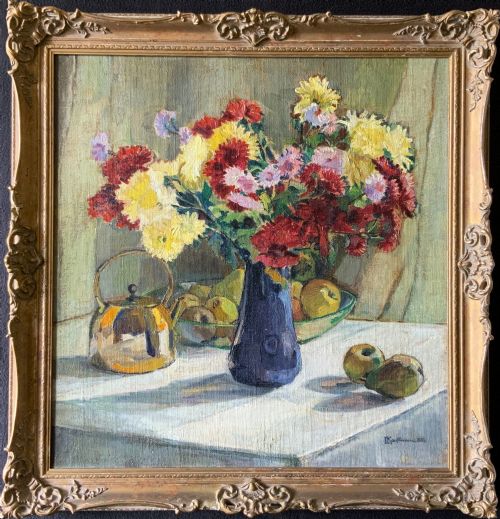
Buyers also encounter related floral still-life paintings and silver table vessels from the same decades, though glass remains the central material associated with the phrase.
Materials and Technique
Glassmakers utilised various methods including mould-blowing, pressing, and overlay techniques to build depth of colour in lead crystal, frosted glass, and opalescent bodies. Many vessels received acid-etching or cold-painting with opaque black and coloured enamels to accentuate sharp linear motifs.
Beyond glass, workshops employed polished chrome plating over metal bases and ceramic bodies finished with tube-lined glazes. Artisans combined these fabrication steps to achieve the characteristic high-contrast visual texture seen across the period.
1930s Flower Vase Retail Price Guide 2026
Typical asking prices for 1930s flower vase among the pieces listed under this phrase on Sellingantiques today, from the lower quarter to the upper quarter. They describe what is for sale here now, not the wider market.
Listings feature glass, enamel, and chrome items produced across the 1920s, 1930s, and 1940s.
Assessing Quality
Quality in these pieces depends upon the crispness of the moulded relief and the precision of the surface decoration, whether hand-applied enamel or acid-etched geometric bands. Superior examples display substantial weight in the glass and harmonious proportions that balance the decorative scheme.
Attribution to a named designer or documented factory elevates a piece, as does the complexity of coloured glass layers or opalescent effects. Lesser examples show simpler forms with basic casting or minimal surface embellishment.
René Lalique·Karl Palda·Charles Graffart·Val St Lambert·Charlotte Rhead·Keith Murray·Beldray Ltd·Stevens & Williams
The 1930s Flower Vase Glossary
- Art Deco
- A design style spanning the 1920s and 1930s characterised by streamlined geometric shapes, stylised motifs, and modern industrial materials. It replaced the flowing curves of Art Nouveau with symmetry and clean angles.
- Opalescent glass
- A type of glass that displays milky, translucent qualities with shifting blue or amber tones when viewed in changing light. This effect was achieved by adding specific chemical agents to the molten batch before moulding.
- Over crystal
- A technique where a layer of coloured glass is cased over a clear or contrasting crystal base, then partially cut or etched away to reveal the under-layer. This method creates strong visual contrast in multi-toned vessels.
- Epergne
- A tabletop centrepiece ornament consisting of a central bowl fitted with multiple arms or smaller detachable vases for holding flowers. These multi-part items were popular for formal dining settings during the period.
1930s Flower Vase: Frequently Asked Questions
What styles define a 1930s flower vase?
These pieces predominantly follow the Art Deco style, featuring strong vertical lines, geometric patterns, and stylised floral motifs. Makers utilised streamlined shapes that reflected industrial design trends of the interwar era.
Alongside strict geometry, softer moulded glass designs incorporating naturalistic plant and animal forms appear frequently, particularly within French opalescent production.
How do I identify glass types from this period?
Examine the weight and optical properties of the vessel under natural light. Heavy lead crystal and frosted or opalescent glass indicate high-grade interwar manufacturing techniques.
Surface treatments such as acid-etched geometric banding or hand-applied enamel decoration provide further clues to period production methods.
Were these vessels used daily or kept for display?
Many households utilised these robust glass and ceramic pieces for holding fresh flowers during formal dinners and everyday dining. Sturdy construction allowed them to function practically while serving as decorative table centrepieces.
Heavily enamelled or delicate opalescent items likely spent more time on mantelpieces and sideboards as ornamental objects.
Where were these vases manufactured?
Production centred in established European glassmaking regions, notably Britain, France, Belgium, and Bohemia. Major factories and independent workshops in these areas exported diverse decorative goods internationally.
Specific national styles emerged, such as colourful enamelled vessels from Czech workshops and luxury moulded glass from French studios.