





Vintage Mantel Vase
These vintage mantel vase items are decorative vessels designed for display on a fireplace shelf, bringing period charm and colour to a room.
Vintage Mantel Vase
When a buyer searches for a vintage mantel vase, they encounter an array of decorative vessels and urns originating from the nineteenth and early twentieth centuries. These pieces span Victorian, Edwardian, Art Nouveau and Art Deco periods, offering diverse shapes designed to sit atop a fireplace.
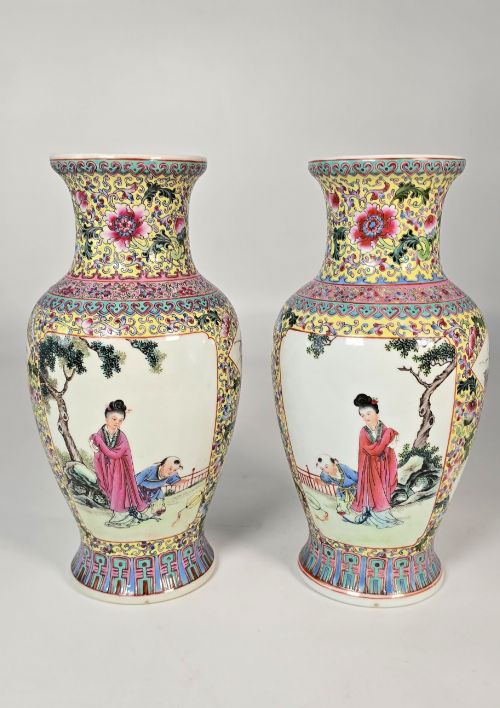
Buyers often find matching pairs intended to balance the mantelpiece symmetrically, alongside garnitures and individual decorative pieces. These items incorporate hand-painted floral motifs, raised enamel, gold leaf and chased decorations.
Materials and Construction
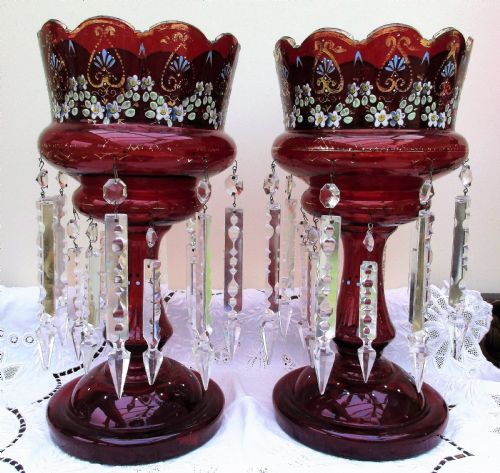
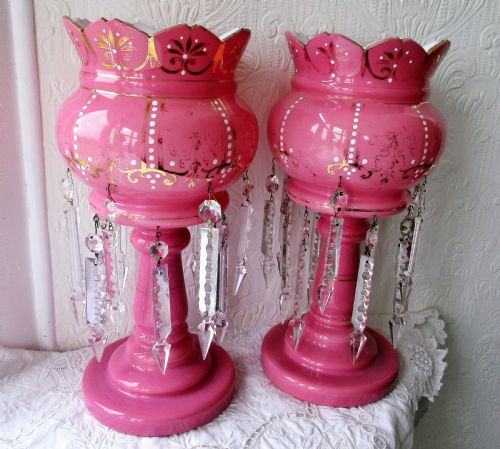
Glass and porcelain dominate the material evidence, shaped through blowing, moulding and casting before undergoing hand-painting or enamelling. Makers utilised ruby, green and pink glass for lustres, often pairing them with crystal drops.
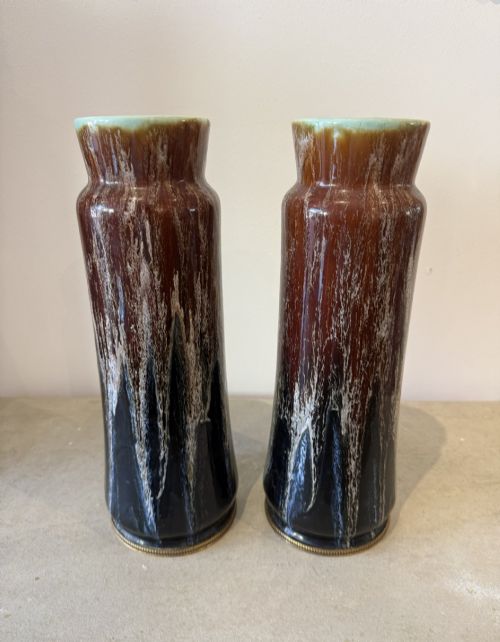
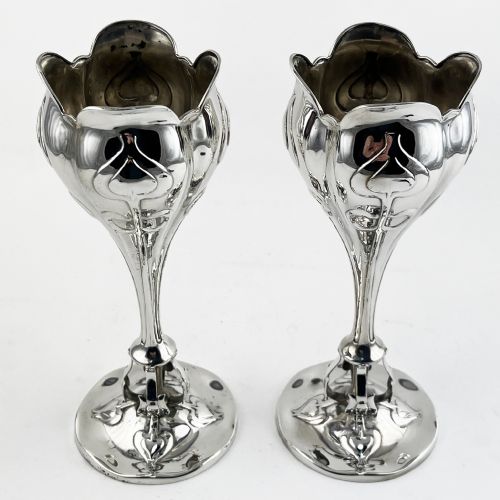
Metal pieces combine brass, copper, bronze and sterling silver, frequently employing chased floral decoration or silver plating. Ceramic works encompass earthenware, bisque and terracotta, finished with cobalt and polychrome glazes.
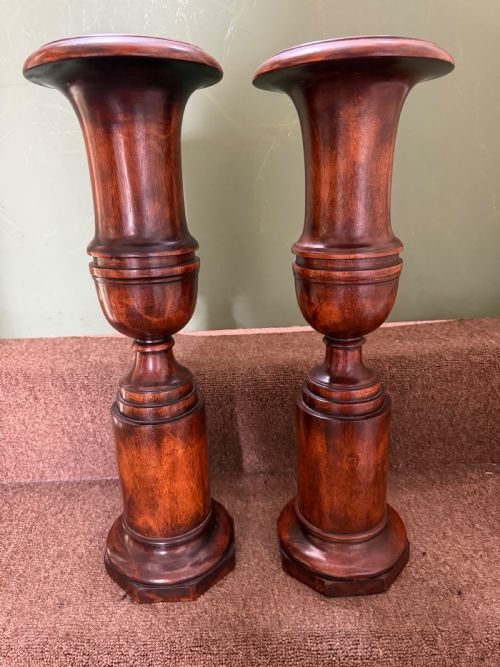
Turned walnut and marble feature among the structural materials, demonstrating precision woodworking and stone-cutting techniques. Artisans applied gold leaf and hand-painted details to enhance the visual depth of the surfaces.
Some nineteenth-century mantel ornaments were designed specifically to hold twisted spills of newspaper used for lighting tobacco pipes.
Distinctions in Quality
The distinction between standard production and top-tier pieces rests upon the precision of the hand-painting and the crispness of the modelling. Signed works by recognised makers demonstrate superior artistic execution in the brushwork and detail.
Material composition and weight dictate much of the structural integrity, where heavy cut crystal, substantial bronze castings and fine porcelain body pastes command greater respect. The preservation of original surface treatments, such as gold leaf and enamel, remains central to the overall standard.
Boch Freres·Robert T Lallement·Royal Worcester·Royal Doulton·Meissen·Wedgwood
The Vintage Mantel Vase Glossary
- Mantel lustre
- A decorative glass or porcelain vase hung with cut glass pendants designed to reflect candlelight. They typically appear in pairs on a fireplace.
- Spill vase
- A small upright container originally made to hold slender spills of paper used for lighting fires or pipes. These objects often feature floral hand-painting.
- Campana urn
- A classical bell-shaped vessel with a flared rim and footed base, derived from ancient Roman bronze and marble prototypes. Grand Tour examples are cast in bronze.
- Cloisonne
- A decorative metalwork technique where enamel paste is applied within compartments created by soldered wire fillets. The piece is then fired and polished.
- Bisque
- Unglazed ceramic porcelain that has been fired once, presenting a matte, tactile surface resembling marble. It is frequently utilised for figurative ornaments.
Vintage Mantel Vase: Frequently Asked Questions
Where do I place a mantel vase?
These vessels suit placement on a fireplace mantelpiece, sideboard or console table where their decorative forms can be appreciated.
Pairs work effectively when arranged symmetrically to frame a central mirror or clock set.
How do I care for antique glass lustres?
Gentle dusting with a soft, dry cloth preserves the fragile glass surfaces and hanging crystal drops.
Avoid immersion in water, particularly where gilt decoration or enamel work is present on the piece.
What is the difference between an urn and a vase?
Urns generally feature a stemmed base and a more enclosed body, often echoing classical architectural forms used for display.
Vases tend to have wider openings intended for holding flowers, though many decorative examples serve purely as ornamental objects.
How do I identify Art Nouveau pieces?
Art Nouveau items display organic, flowing lines inspired by natural forms, plant stems and asymmetrical curves.
They frequently utilise bronze, silver or ceramic materials with stylised floral motifs characteristic of the early twentieth century.