


Vintage Makeup Mirror
A vintage makeup mirror brings morning routine into focus, offering period charm and practical reflection through brass, wood, and glass.
Vintage Makeup Mirror
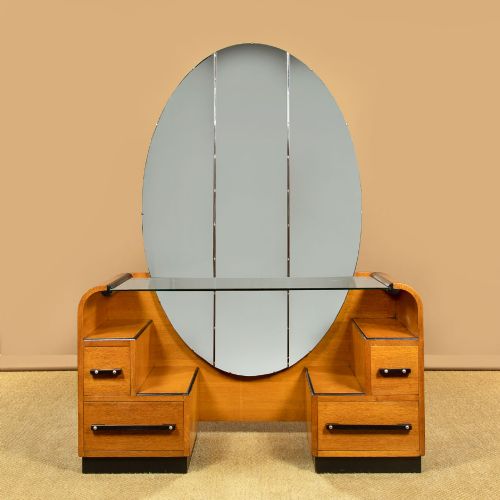
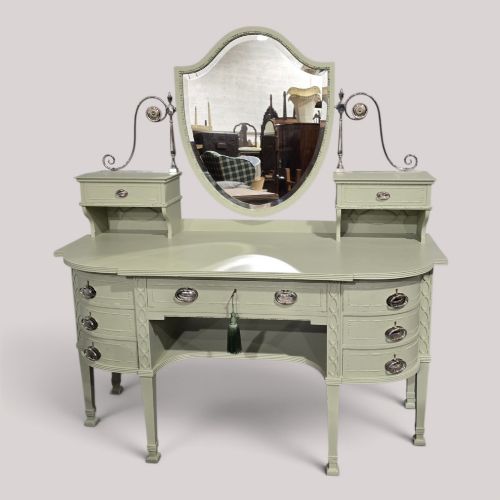
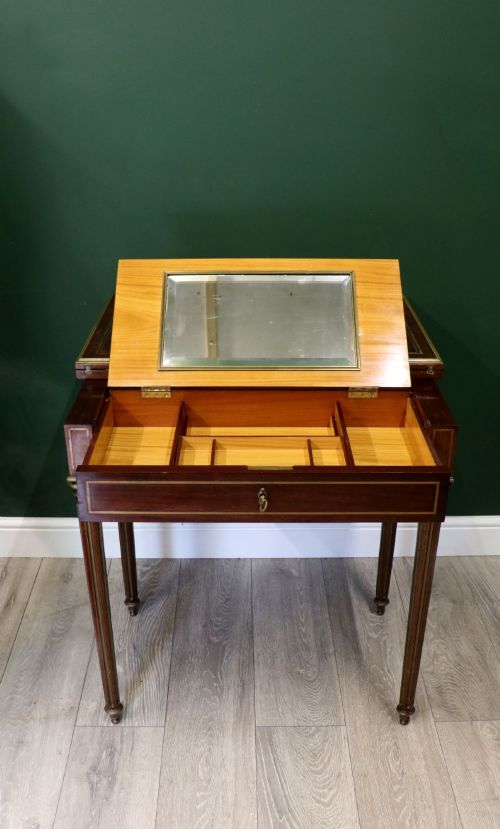
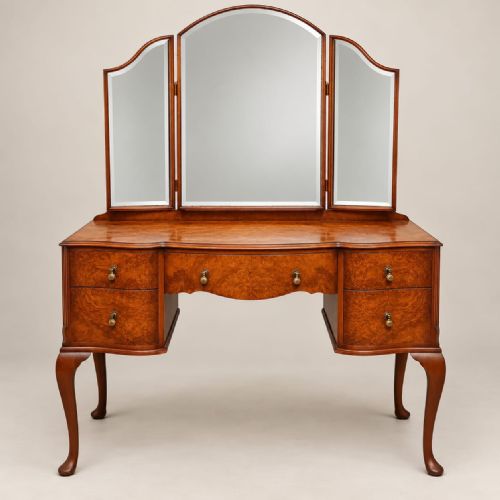
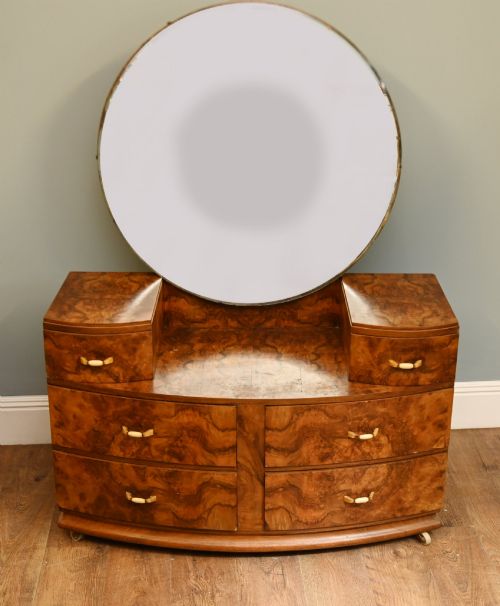
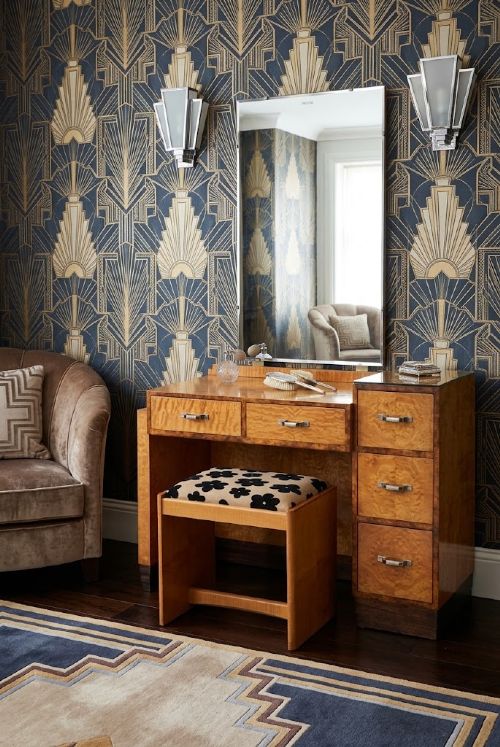
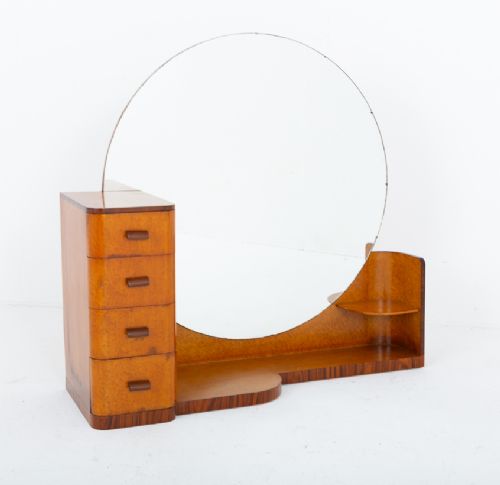
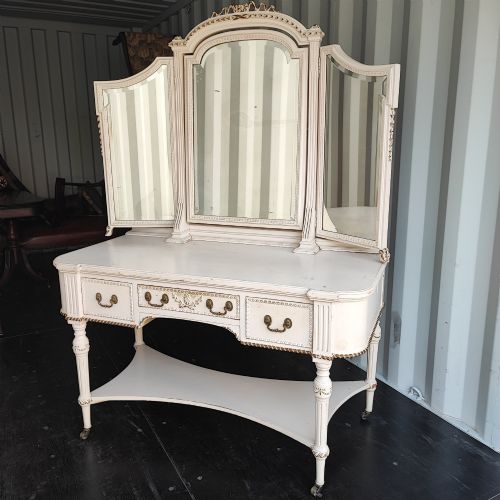
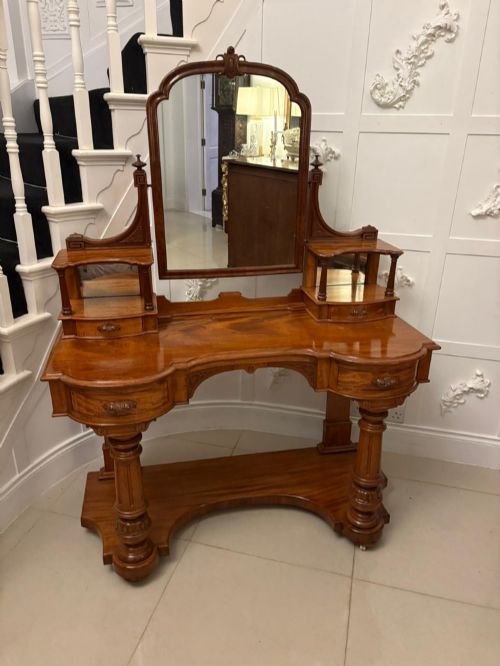
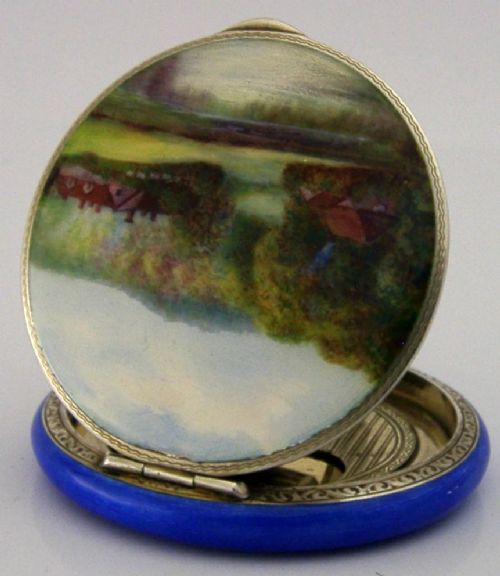
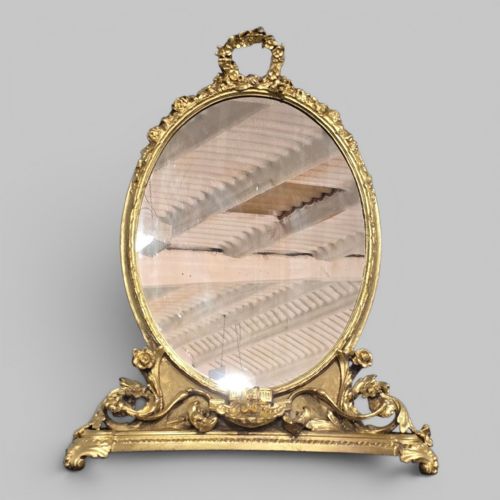
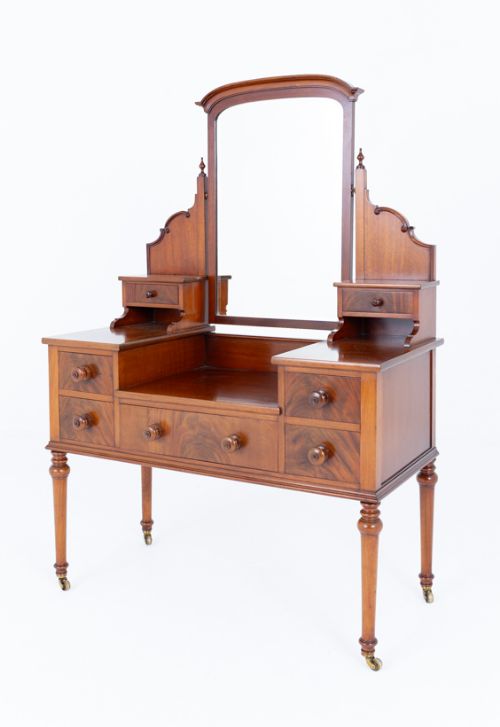
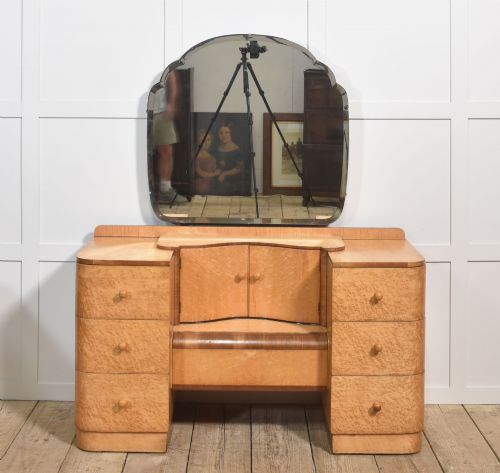
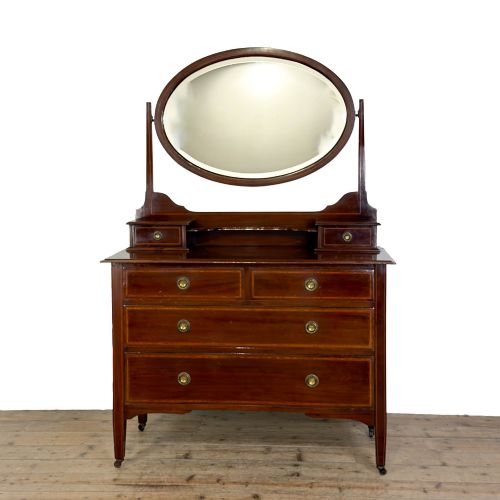
A vintage makeup mirror appears in various guises across this selection, ranging from tabletop vanity glasses and tri-fold brass frames to the fixed or pivoting mirrors attached to dressing tables of the nineteenth and twentieth centuries. Buyers seeking this phrase typically encounter dressing tables with integral mirrors, compact cases with interior glass, and standalone easel mirrors originating from periods such as the Victorian, Edwardian, and Art Deco eras.
The materials span mahogany, walnut, burr walnut, maple, and brass, often paired with mirror glass and decorative enamel. Pieces from the 1930s frequently display the geometric lines of Art Deco design, while earlier nineteenth-century examples lean towards figured woods and carved mahogany frames. Originating from English, French, and Italian workshops, these items serve both a functional toilette role and a decorative purpose in a modern bedroom.
Materials and Construction Methods
Cabinet makers constructed dressing tables and mirror frames using solid and veneered hardwoods, notably mahogany, walnut, satinwood, and maple. Burr walnut and figured maple provide distinctive grain patterns on surfaces, while brass and silver form the structure of smaller compacts and easel mirrors.
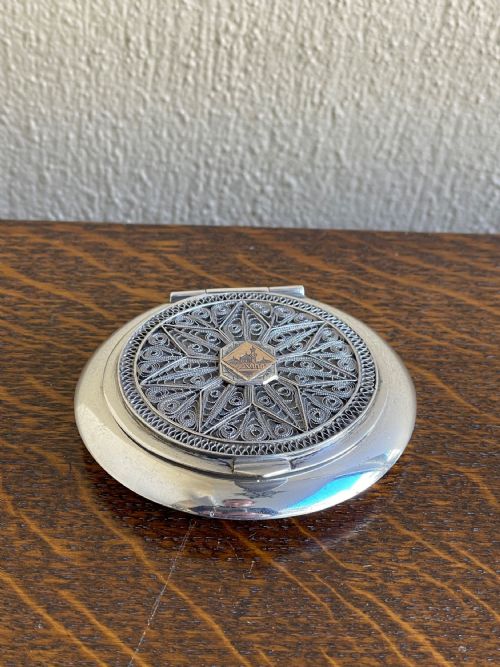
Makers applied clear polishes and lacquers to accentuate wood figures, and incorporated hand-painted enamel or filigree work on metal compact lids. Glass plates were silvered and set securely into carved wooden frames or hinged metal mounts to allow tilting.
Vintage Makeup Mirror Retail Price Guide 2026
Typical asking prices for vintage makeup mirror among the pieces listed under this phrase on Sellingantiques today, from the lower quarter to the upper quarter. They describe what is for sale here now, not the wider market.
Listings feature dressing tables and mirrors spanning the Victorian, Edwardian, and Art Deco periods, constructed in mahogany, walnut, oak, and brass.
Distinctions in Quality and Execution
Quality rests in the selection of timber veneers, such as figured and burr walnut, and the precision of cabinet joinery like dovetail drawers and stable mirror frames. Superior examples display balanced proportions, original bevelled mirror glass, and intact metalwork without replacement parts.
Finer compacts and vanity cases demonstrate skilled hand-painting, well-preserved enamel panels, and secure closures, whereas lesser pieces show wear to the reflective silvering, replacement mirror glass, or mismatched hardware.
Maurice Adams·Evans·Giuliano Spinelli·Cartier·Richard Hudnut·Harry and Lou Epstein
The Vintage Makeup Mirror Glossary
- Burr walnut
- A figured wood veneer taken from the wart or burl of a walnut tree, prized for its swirling grain patterns on Art Deco and Victorian dressing tables.
- Easel mirror
- A tabletop mirror supported by a hinged prop at the back, allowing the glass angle to be adjusted for grooming.
- Powder compact
- A small handheld metal case containing a mirror and a compartment for face powder, often decorated with enamel or gemstones.
- Tri-fold mirror
- A three-panel mirror arrangement where the outer wings angle inward, enabling the user to see profile reflections during a toilette.
- Vanity case
- A portable container designed to hold cosmetics, brushes, and mirrors, popular in mid-twentieth-century dressing routines.
Vintage Makeup Mirror: Frequently Asked Questions
How do I date a vintage makeup mirror?
Dating relies on stylistic clues, construction methods, and materials present in the frame or associated dressing table. Art Deco pieces from the 1930s typically show geometric symmetry and use burr walnut or maple, whereas Victorian examples feature darker carved mahogany and heavier proportions.
Hardware, screw types, and the method of silvering behind the glass also offer chronological markers. Comparing the piece to documented designs from periods like the Edwardian era helps narrow down the decade of manufacture.
Can I replace the mirror glass safely?
Replacing damaged or heavily foxed mirror glass is possible, though retaining original glass preserves the historic integrity of the piece. When replacement is necessary, select glass that matches the thickness and bevel style of the original frame.
Professional glaziers can mount new glass securely into antique brass or wooden frames without altering the surrounding structure. Ensure the backing matches traditional assembly methods to protect the frame.
What is the difference between a vanity table and a dressing table?
Historically, dressing tables and vanity tables share the primary function of grooming and makeup application, often incorporating drawers for storage and an attached or matching mirror. The terms are frequently used interchangeably in descriptions of twentieth-century bedroom furniture.
Design variations depend more on the period style, such as Georgian kneehole layouts or Art Deco pedestal forms, rather than a strict functional distinction between vanity and dressing furniture.
How should I care for wood and brass on these pieces?
Maintain wooden surfaces by applying a traditional beeswax polish sparingly and buffing with a soft cloth to nourish the grain without buildup. Avoid placing antique mirrors in direct sunlight or damp environments to prevent veneer lifting and silvering degradation.
Clean brass mounts and metal compacts gently with a dry or slightly damp cloth, avoiding harsh chemical brass cleaners that strip patination or damage adjacent enamel work.