


Vintage Mahogany Plinth
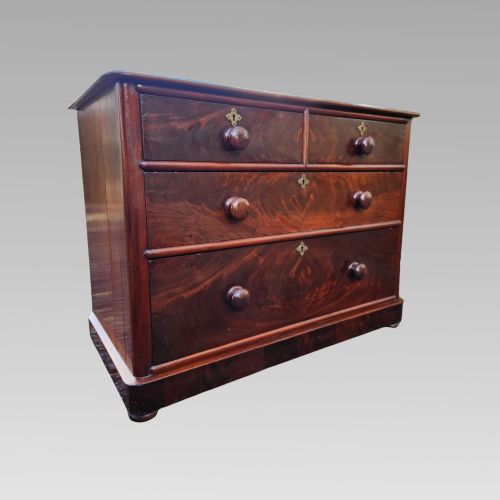
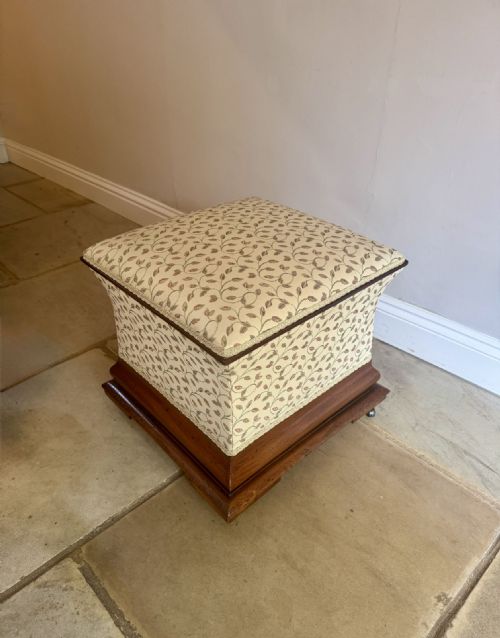
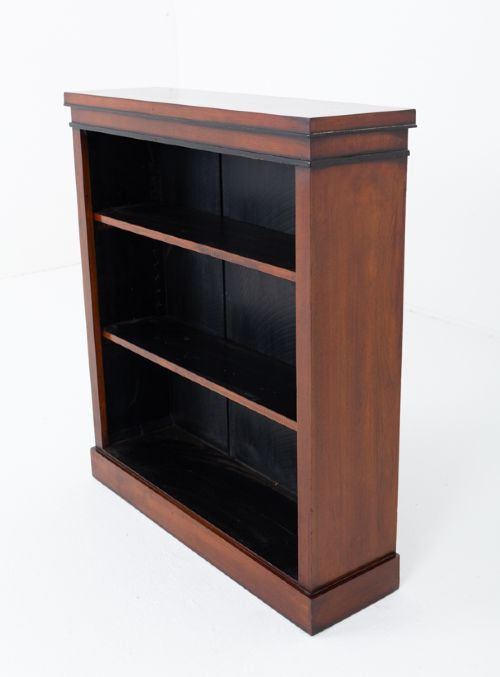
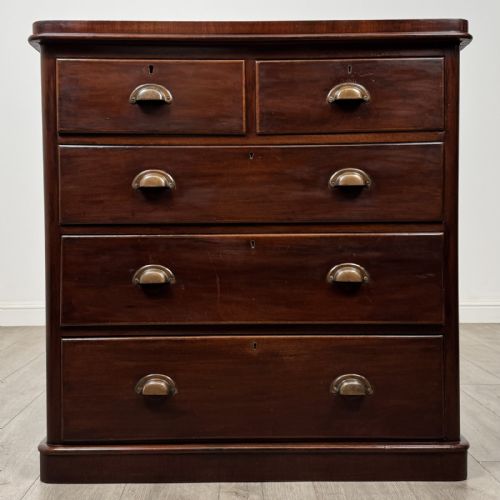
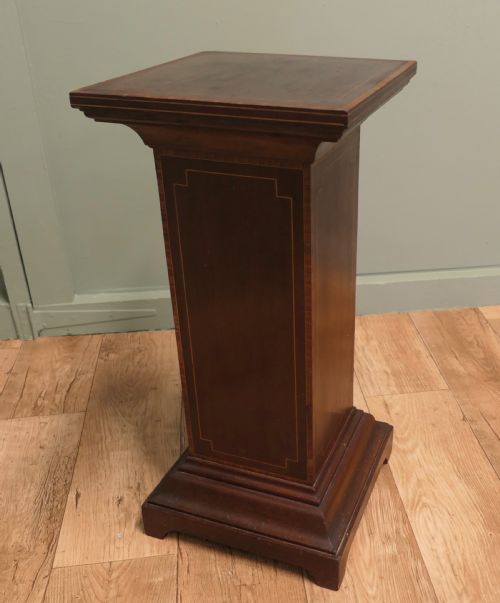
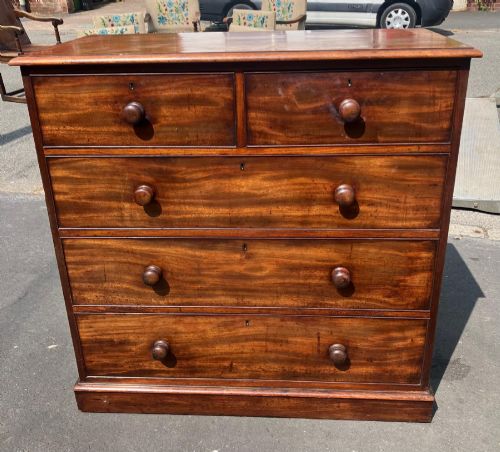
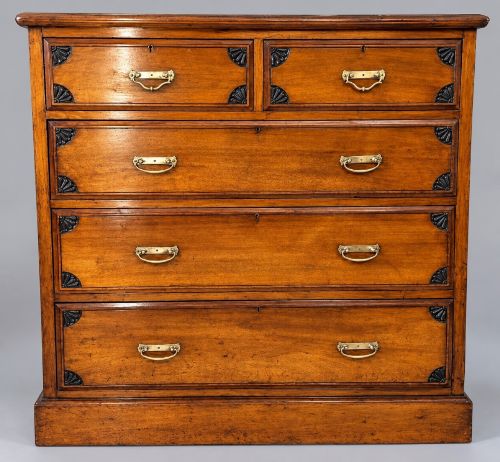
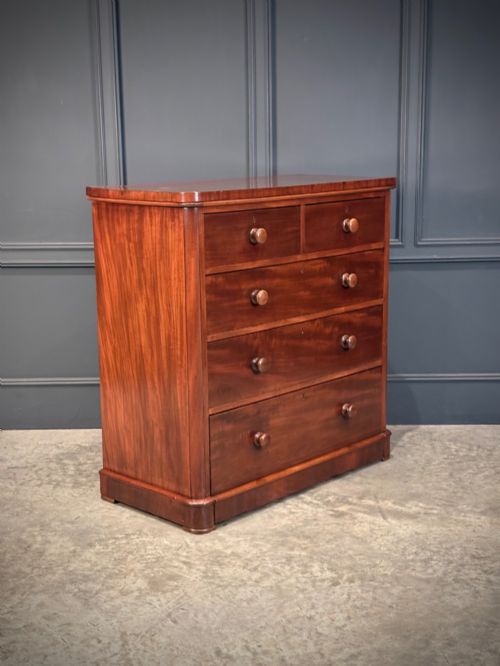
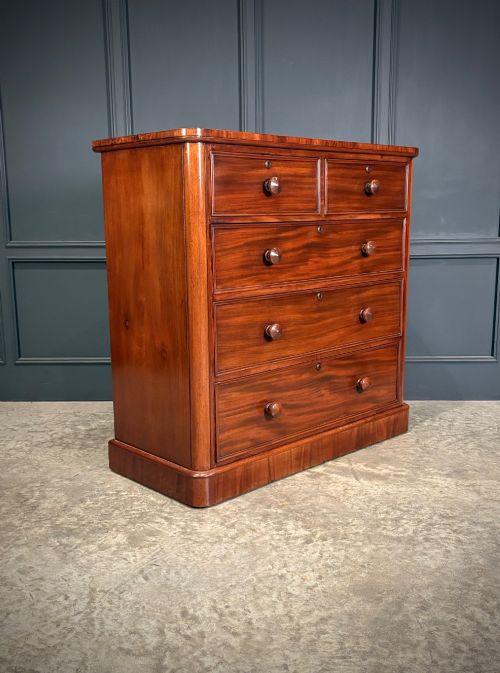
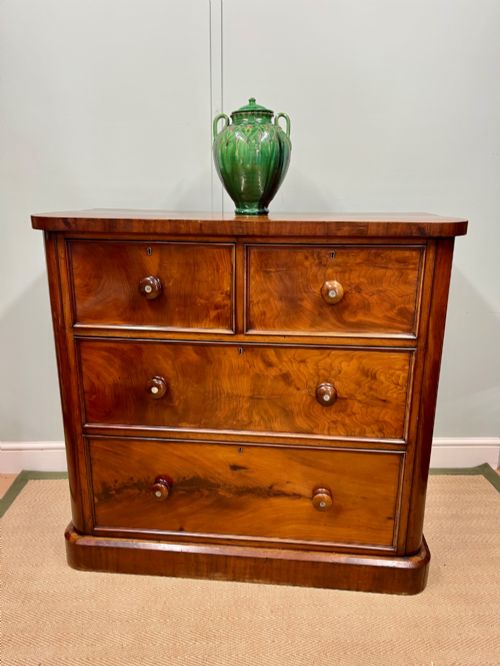
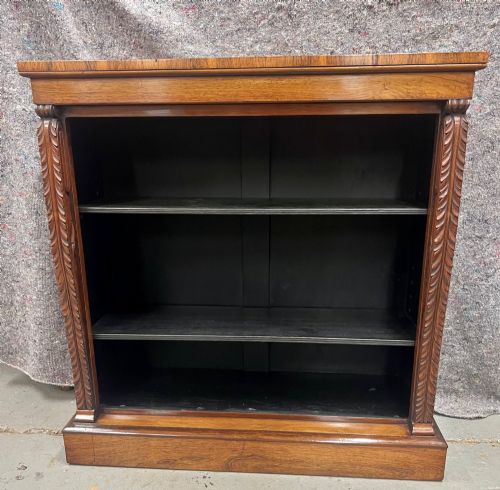
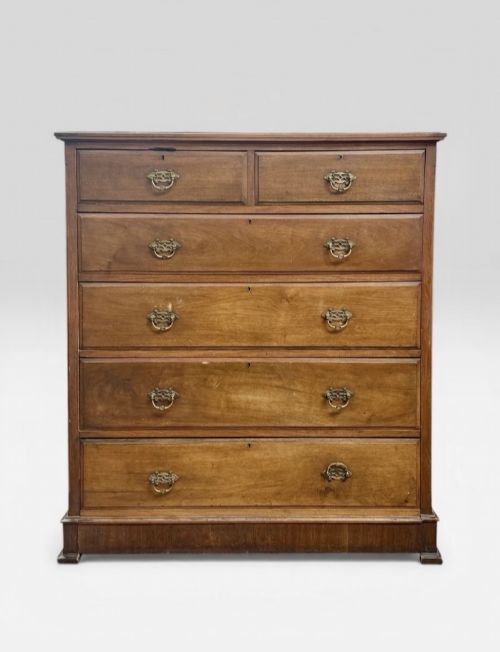
A vintage mahogany plinth elevates display pieces and sculpture with rich timber grain and solid nineteenth-century construction.
Vintage Mahogany Plinth
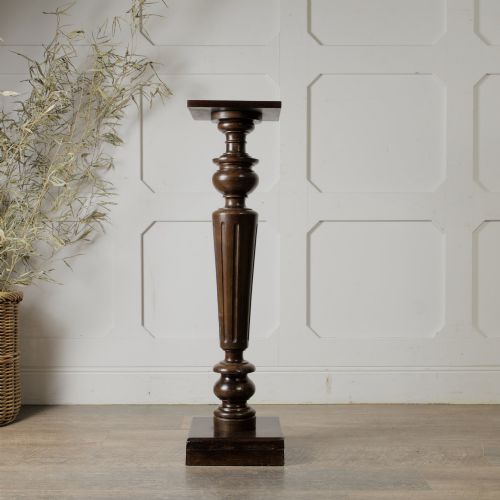
A vintage mahogany plinth provides a sturdy, elevated stage for displaying decorative objects, sculpture, and ornaments within traditional interiors. When exploring this selection, buyers encounter architectural columns, turned stands, and display pedestals dating from the nineteenth and early twentieth centuries.
The assortment primarily spans Victorian, Edwardian, and early twentieth-century periods, showcasing various heights and column designs. While the search centres on plinths, related pedestal forms and architectural stands frequently appear across these historical eras.
Materials and construction methods
Craftsmen built these stands predominantly using solid mahogany and mahogany veneer over secondary timbers, often incorporating carved details and turned woodwork. Certain examples feature contrasting materials such as marble tops or brass accents to enhance the structural design.
Joinery techniques from the nineteenth and early twentieth centuries ensure stability for supporting heavy decorative items. Timber surfaces received traditional finishes that highlight the natural depth and grain variations inherent in the wood.
Vintage Mahogany Plinth Retail Price Guide 2026
Typical asking prices for vintage mahogany plinth among the pieces listed under this phrase on Sellingantiques today, from the lower quarter to the upper quarter. They describe what is for sale here now, not the wider market.
Some nineteenth-century pedestals conceal secret compartments inside their carved wooden columns.
Distinguishing quality in mahogany supports
The standard of timber selection largely defines the upper tier of these pieces, particularly where richly figured flame mahogany or uniform grain is evident. Superior examples display crisp carving, balanced proportions, and solid weight that ensure stability when bearing heavy objects.
Construction integrity and the crispness of turned or carved elements separate workshop production from simpler utilitarian stands. The depth of the timber finish and the preservation of original surfaces also influence the overall character of the piece.
The Vintage Mahogany Plinth Glossary
- Flame mahogany
- A veneer figure resembling flickering flames, created by cutting across the branch junction of the tree. This decorative grain pattern appears frequently on higher-grade nineteenth-century furniture.
- Pedestal
- An architectural support or base used to elevate a statue, vase, or urn. These structures take cylindrical, square, or column forms in Victorian and Edwardian interiors.
- Turned wood
- Wood shaped on a lathe by rotating the material against cutting tools to create symmetrical columns, legs, or spindle supports. This method appears widely on nineteenth-century stands and pedestals.
- Veneer
- A thin layer of superior timber applied over a secondary wood base to provide a decorative exterior surface. Cabinet makers utilised this technique extensively across the Victorian period.
Vintage Mahogany Plinth: Frequently Asked Questions
What is a vintage mahogany plinth used for?
These pieces serve as decorative pedestals to display sculptures, urns, and heavy ornamental objects at eye level. They function as architectural focal points within traditional rooms.
Collectors also utilise them as standalone display furniture to highlight specific decorative arts.
How do I date a mahogany pedestal?
Dating relies on examining the timber species, construction joinery, and the prevailing decorative style of the period. Victorian and Edwardian examples show distinct turning patterns and finishing techniques.
Comparing the core materials and surface wear helps place the piece within the nineteenth or early twentieth century.
Are these plinths strong enough for heavy items?
Most solid wood and column designs provide substantial weight-bearing capacity for heavy sculptures or decorative vases. Solid construction ensures stability when placed on firm flooring.
Checking the base footprint and material thickness helps confirm suitability for heavier display objects.
How do I care for mahogany surfaces?
Maintenance involves dusting with a soft, dry cloth and avoiding placement near direct heat sources or strong sunlight. Periodic application of appropriate wax polish helps nourish the timber grain.
Keeping humidity levels stable prevents the wood and any veneer from drying or cracking over time.