



Vintage Mahogany Desk Slope
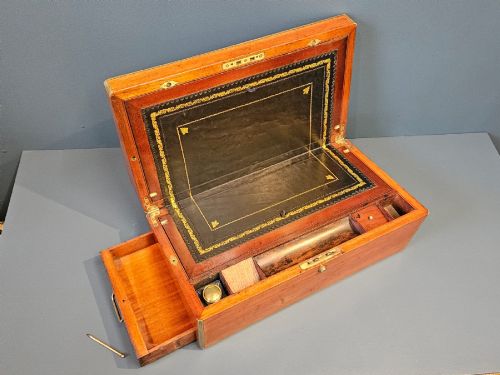
A vintage mahogany desk slope is a portable or fitted writing box offering a slanted surface, built for correspondence and prized for timber grain and brasswork.
Vintage Mahogany Desk Slope
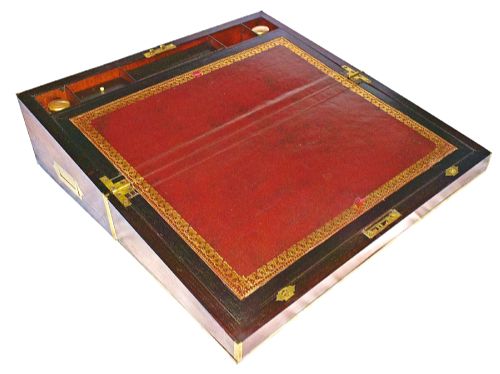
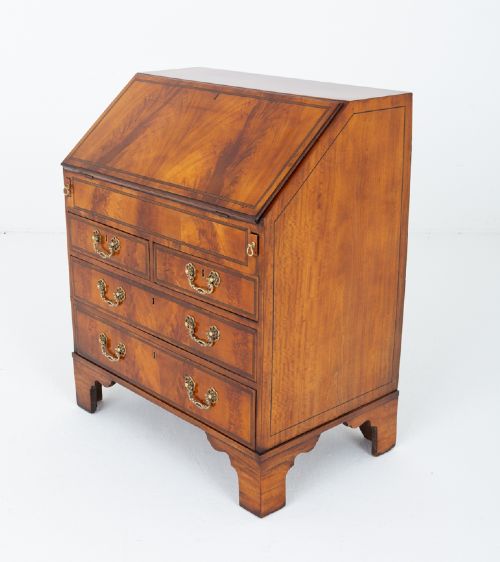
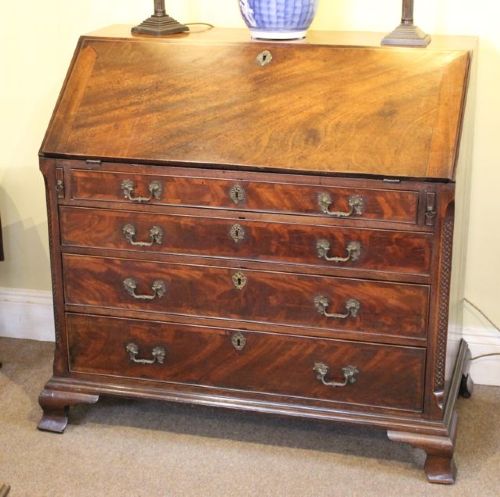
A vintage mahogany desk slope encompasses portable writing boxes, campaign writing boxes, and larger bureau forms designed for correspondence and document storage. Pieces originate across the eighteenth, nineteenth, and early twentieth centuries, spanning periods from the Georgian era through to Edwardian times.
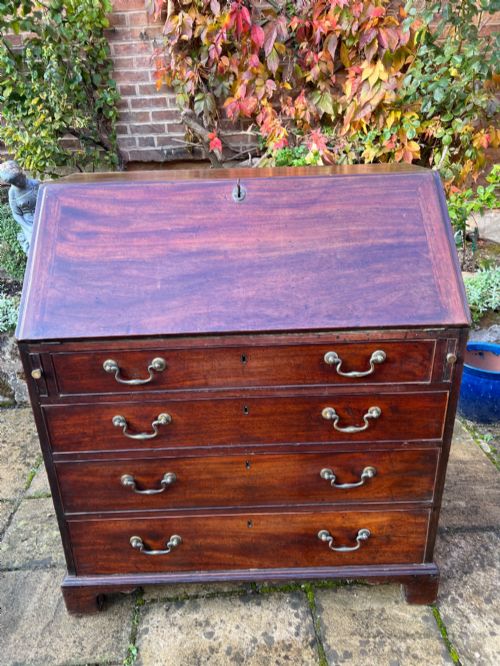
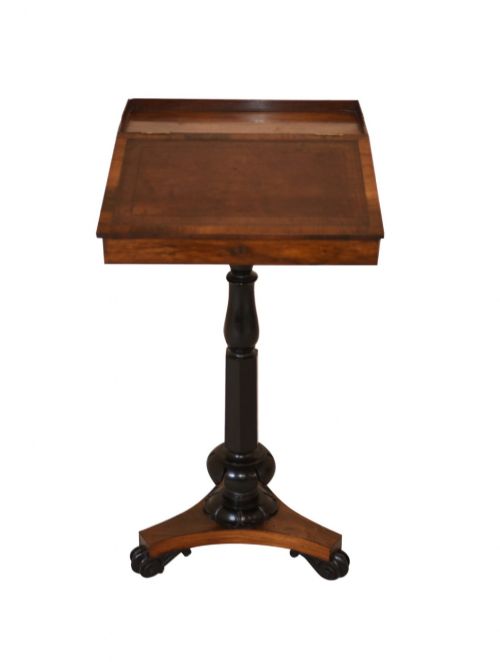
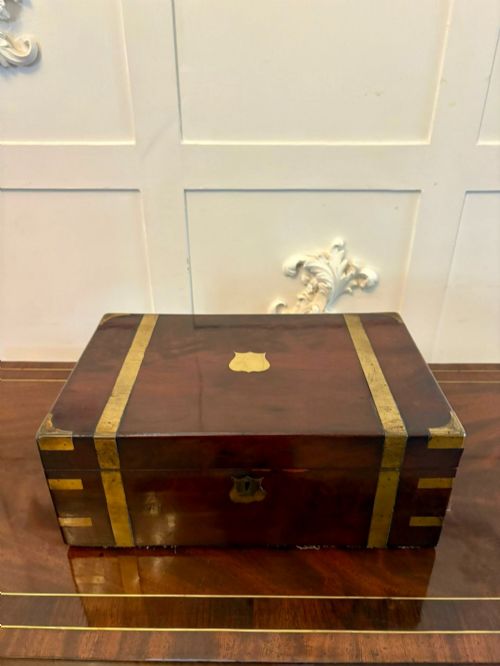
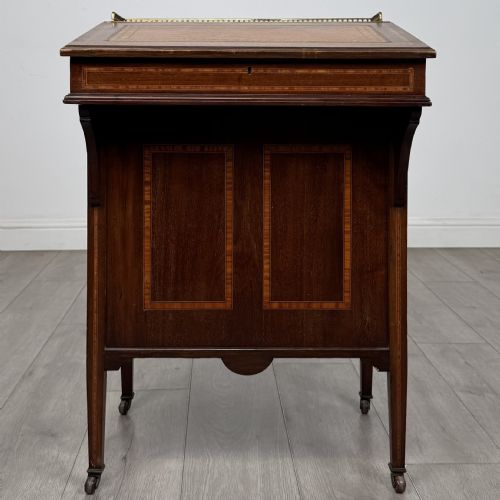
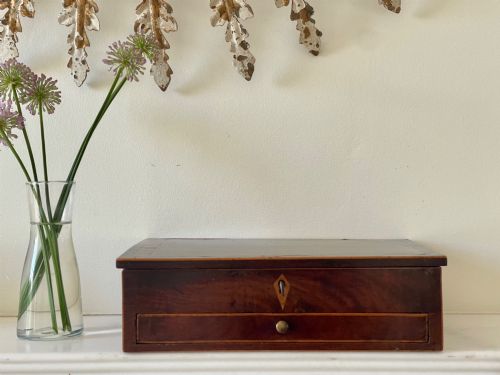
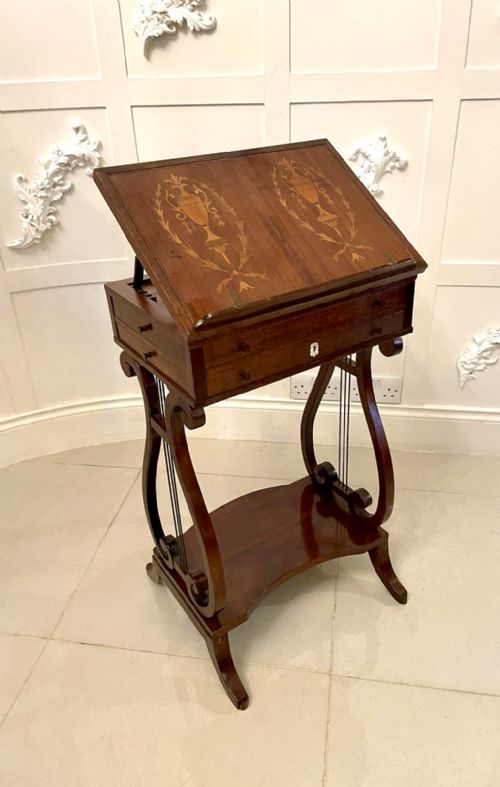
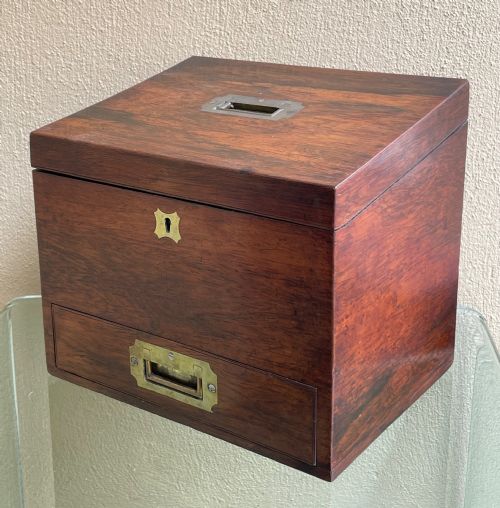
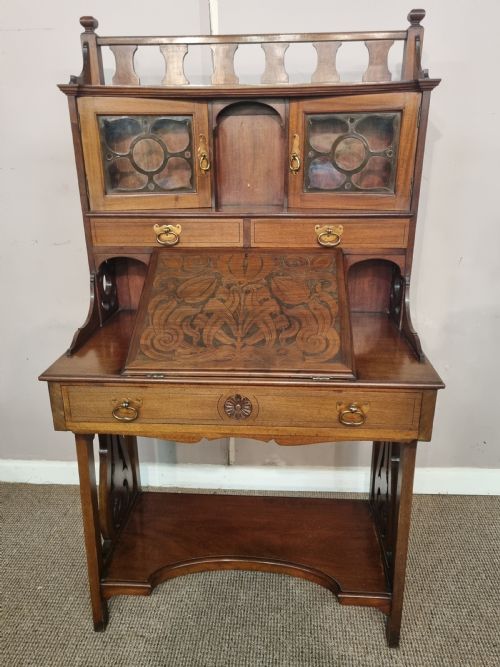
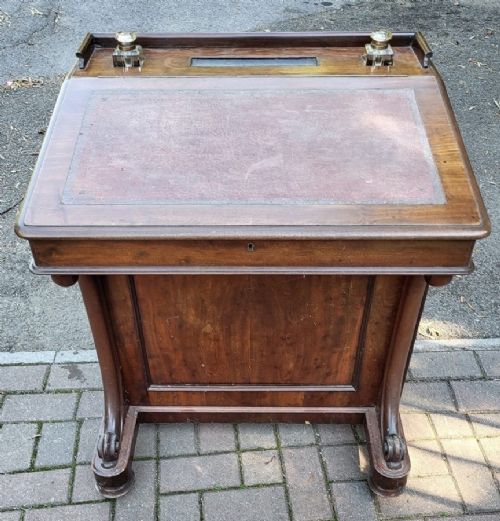
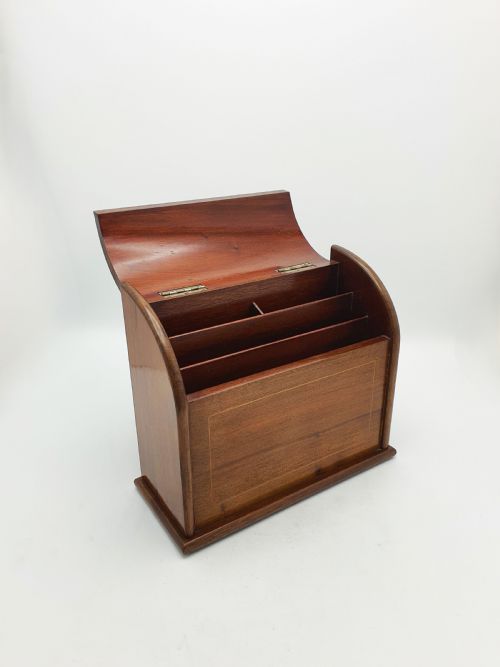
The version most commonly met on this page is the hinged wooden writing box constructed from mahogany, often fitted with brass banding or internal compartments. Alongside these portable examples, buyers frequently encounter standing bureau bookcases and Davenport writing desks sharing the same primary timber.
Materials and Construction Methods
Makers built these pieces primarily using solid mahogany and figured veneers, selecting timber for deep natural grain patterns and rich reddish-brown colour. Cabinetmakers reinforced corners and edges with brass banding and corner plates, particularly on portable campaign boxes intended for travel.
Internal layouts frequently integrate satinwood inlay, glass inkwells, and leather writing surfaces, while secret compartments and fitted pen trays demonstrate precise internal carpentry. Structural assembly relies on traditional dovetail joints and brass hinges designed to withstand frequent opening and closure.
Vintage Mahogany Desk Slope Retail Price Guide 2026
Typical asking prices for vintage mahogany desk slope among the pieces listed under this phrase on Sellingantiques today, from the lower quarter to the upper quarter. They describe what is for sale here now, not the wider market.
Listings feature mahogany, satinwood, and oak timbers alongside leather writing inserts and brass hardware across Georgian to Edwardian periods.
Assessing the Quality of Construction and Materials
Quality rests upon the selection of the mahogany timber itself, where highly figured flame veneers and solid boards distinguish superior examples from plain or faux alternatives. The crispness of satinwood inlay and the weight of original brass fittings indicate the standard of workshop execution.
Internal complexity further separates standard boxes from finer pieces, marked by the presence of secret drawers, clever locking mechanisms, and undamaged leather writing surfaces. Intact fitted interiors with original glass and brass components retain greater integrity than those altered or restocked over time.
Gillows
The Vintage Mahogany Desk Slope Glossary
- Campaign writing slope
- A portable writing box reinforced with brass corners and flush handles, built for transport during military campaigns.
- Bureaux
- A writing desk featuring a sloping hinged lid that opens down to reveal internal pigeonholes and small drawers.
- Satinwood inlay
- Decorative contrasting wood veneer inserted into the primary mahogany surface to form geometric or floral patterns.
- Davenport
- A compact pedestal desk with a sloped writing surface, featuring side drawers accessed from a seated position.
- Secret compartment
- A concealed drawer or sliding panel within the interior layout designed to hide valuable items or private documents.
Vintage Mahogany Desk Slope: Frequently Asked Questions
What is a campaign writing slope?
A campaign writing slope is a portable wooden box fitted with brass corners and flush handles designed to protect correspondence equipment during military travel.
These pieces fold open to provide a slanted writing surface and often contain internal compartments for inkwells and pens.
How do I use a desk slope?
A desk slope is placed on a table or surface, and the hinged lid opens downward toward the user to create an inclined writing plane.
Inside, compartments store stationery, while the flat base supports paper and documents during writing.
How are Georgian and Victorian slopes different?
Georgian slopes tend to feature simpler lines with figured mahogany veneers and understated brass fittings, reflecting eighteenth-century cabinetmaking styles.
Victorian examples frequently incorporate heavier brass banding, campaign mounts, and more elaborate internal satinwood layouts.
What are secret compartments used for?
Secret compartments were built into writing slopes to safely store private letters, currency, or small valuables away from casual view.
Users access these hidden spaces by removing specific interior panels or operating concealed wooden latches.