

Vintage Mahogany Collector Cabinet
A vintage mahogany collector cabinet brings together disciplined timber work and the precise storage needed for specimens, medals or miniatures.
Vintage Mahogany Collector Cabinet
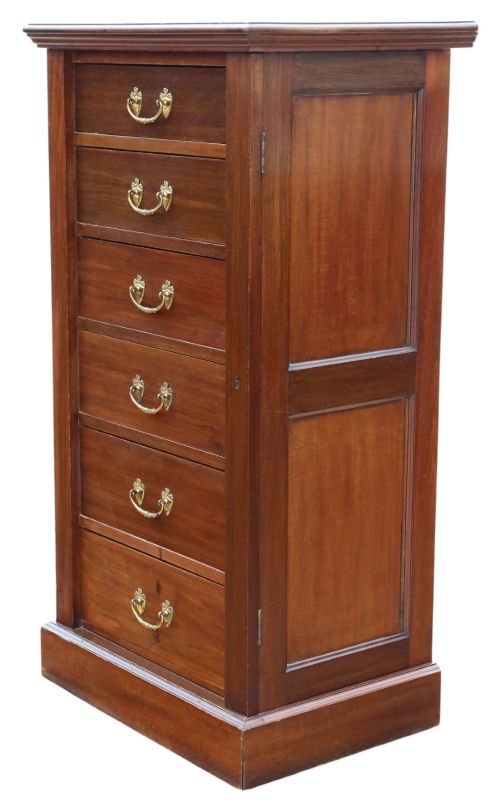
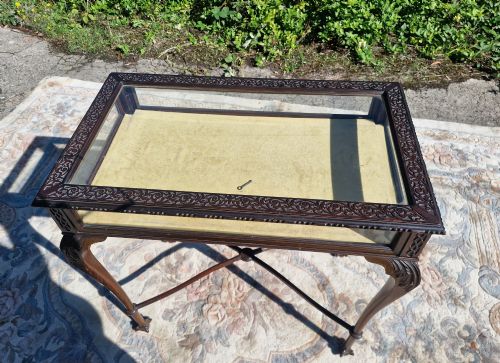
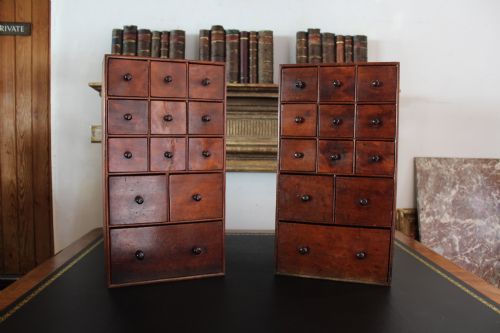
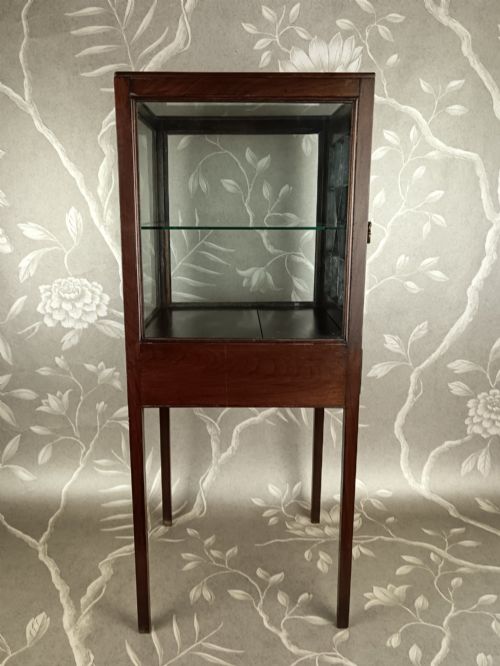
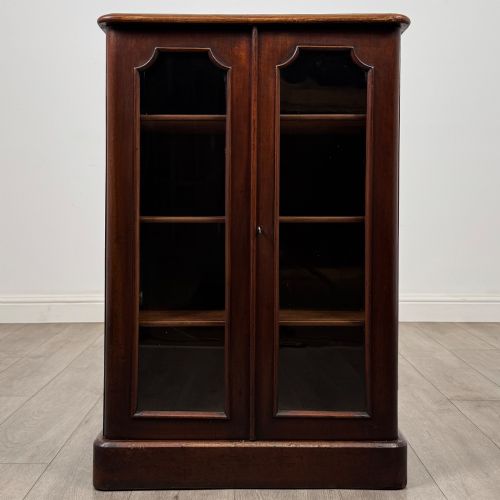
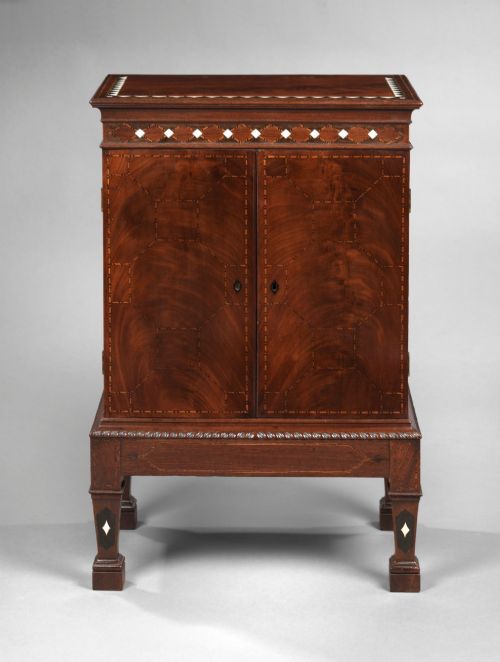
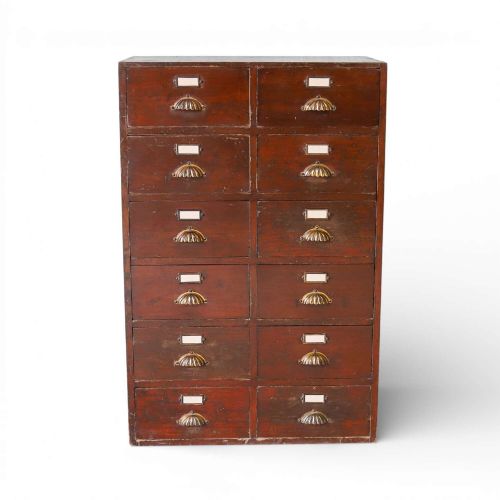
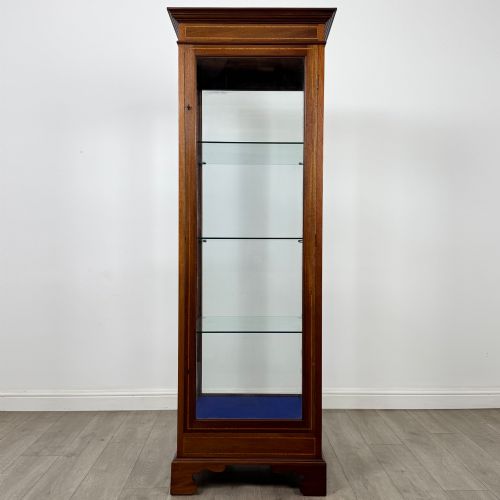
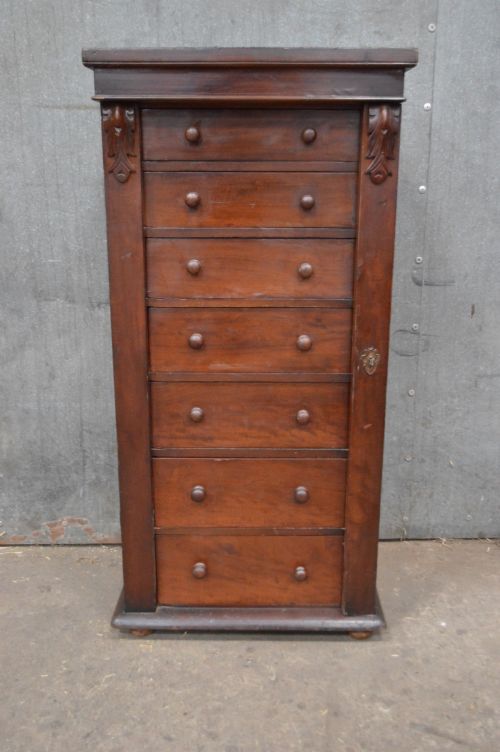
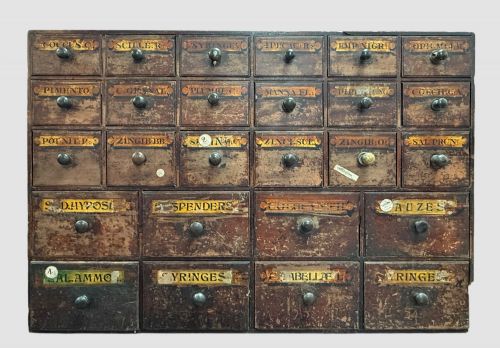
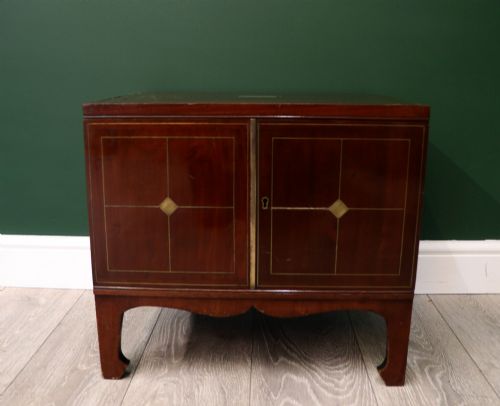
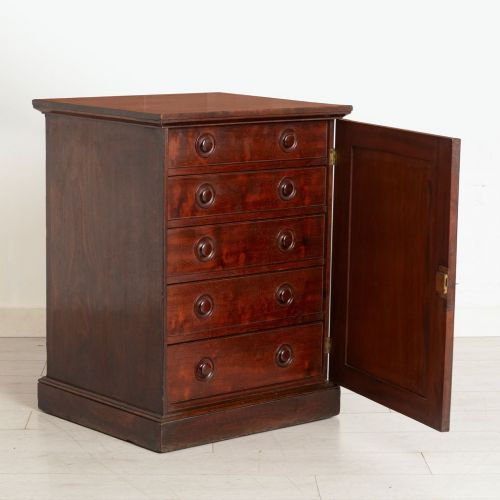
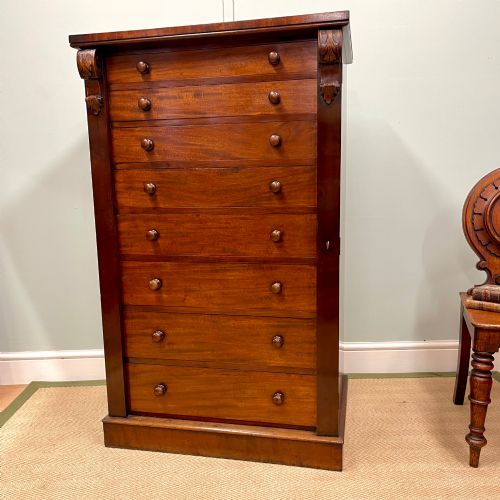
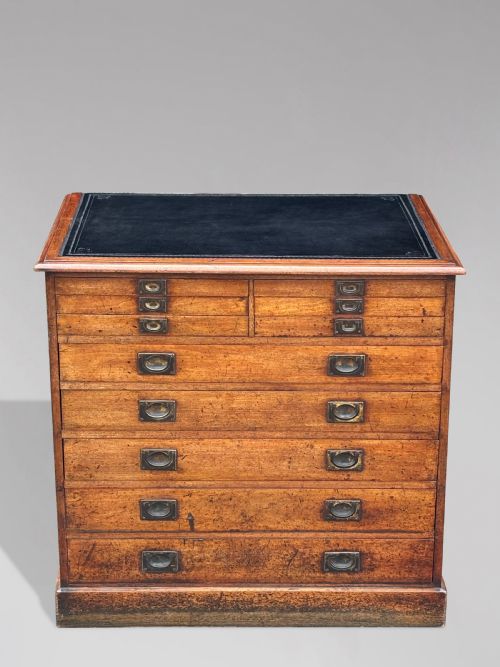
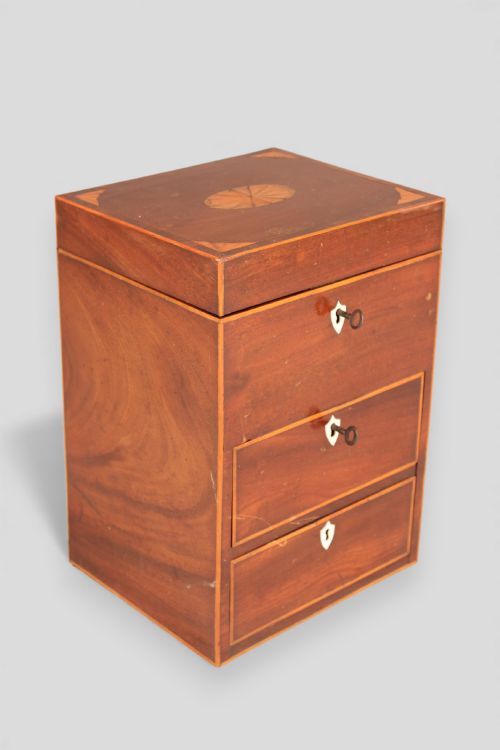
A vintage mahogany collector cabinet serves as a specialised receptacle for organising small objects, featuring multiple shallow drawers, glazed display sections or banks of interior trays. Buyers seeking a vintage mahogany collector cabinet encounter forms ranging from multi-drawer filing units and tabletop display cases to substantial apothecary chests and upright Wellington chests.
The pieces available span several eras, predominantly drawing on Victorian, Edwardian and Georgian design idioms alongside campaign styles and specific periods around nineteen ten and nineteen twenty. Cabinet makers constructed these items in solid mahogany and accented them with brass handles, glass panes, satinwood inlay and velvet or leather drawer linings.
Many examples reflect institutional, medical or scientific utility, such as apothecary chests, chemist cabinets and microscope slide storage units, while others cater to domestic display and bijouterie. These varied origins ensure that buyers find both tall freestanding shop cabinets and compact table-top versions suited to domestic interiors.
Distinctions in quality and execution
Quality rests heavily on the execution of the drawer construction and the scale of the piece, where units containing twenty or thirty fitted drawers demand exceptional joinery. Superior examples maintain original brass shell pulls, intact glass panels and functioning locking mechanisms with matching keys.
The handling of secondary timbers and inlay work also separates standard utilitarian storage from finer cabinet work attributed to specialised makers. Surface preservation plays a crucial role, with undisturbed patination and original interior velvet or leather linings marking the upper tier of surviving pieces.
Several cabinets retain original handwritten paper labels tucked inside tiny drawer slots to identify long-dispersed butterfly specimens.
Brady of Edmonton·Whytock and Reid of Edinburgh
The Vintage Mahogany Collector Cabinet Glossary
- Wellington chest
- A tall, narrow chest of drawers secured by a locking hinged side stile that fastens over the drawer edges. This specific form provides robust security for private papers or valuable specimens.
- Bijouterie table
- A glass-topped display table designed to showcase small decorative items, jewellery or curiosities. Edwardian examples often feature slender legs and inlaid mahogany framing.
- Campaign style
- Portable furniture constructed with recessed brass hardware, flush handles and reinforced corners to withstand frequent travel. These pieces prioritize rugged durability without sacrificing refined appearance.
- Vitrine
- An enclosed glass cabinet intended for the display of porcelain, glassware or natural history specimens. Georgian and Victorian versions maximise viewing area through slender timber framing.
- Apothecary chest
- A multi-drawer cabinet originally used in pharmacies and medical practices for storing medicines and herbs. They are prized today for their dense grids of small numbered drawers.
Vintage Mahogany Collector Cabinet: Frequently Asked Questions
What were collector cabinets originally used for?
These specialised cabinets housed natural history specimens, coins, medals, and botanical slides within their numerous shallow drawers. Naturalists and antiquarians relied on the compartmentalized design to protect delicate items from dust and light.
Over time, similar multi-drawer forms found use in pharmacies, shops, and offices for organising small inventories and medical supplies. Today, collectors repurpose them to display modern curiosities and personal collections in domestic settings.
How do I tell an Edwardian cabinet from a Georgian one?
Georgian pieces generally display heavier proportions, dense solid mahogany construction, and understated architectural mouldings reflecting classical furniture traditions. Edwardian versions often incorporate lighter inlay work, satinwood banding, and brighter interior fabrics suited to domestic display.
Examining the drawer linings, backboards, and secondary timbers helps clarify the period of manufacture when stylistic cues overlap. Hardware styles and construction tolerances also offer reliable clues to dating.
Are multi-drawer cabinets suitable for modern storage?
The numerous shallow drawers provide exceptional organisation for jewellery, stationery, art supplies, and small household items. Their structured internal grids keep small components separated and easily accessible.
Placing these cabinets in studies, hallways, or living rooms adds practical surface space alongside traditional aesthetic character. Care should be taken to monitor interior humidity levels if storing sensitive organic materials.
What is a Wellington chest?
A Wellington chest is a tall, narrow vertical stack of drawers secured by a hinged locking pilaster on one side. This locking bar swings across the drawer fronts and fastens with a key to secure all drawers simultaneously.
Originating in the nineteenth century, this form offered secure storage for valuables in bedrooms and dressing rooms. Their compact footprint makes them practical for modern rooms with limited floor space.
How should I care for mahogany and brass hardware?
Maintaining these pieces involves regular dusting with a soft, dry cloth and avoiding direct exposure to strong sunlight or heat sources. Natural wax polishes help preserve the finish of the mahogany timber without building up heavy residues.
Brass pulls and label holders benefit from minimal intervention to retain their natural aged patina rather than aggressive cleaning. Checking interior velvet or leather linings periodically ensures they remain free from moisture.