
Vintage Luxury Wristwatch
A vintage luxury wristwatch represents a tangible link to mid-century horology, offering buyers mechanical precision and timeless material weight.
Vintage Luxury Wristwatch
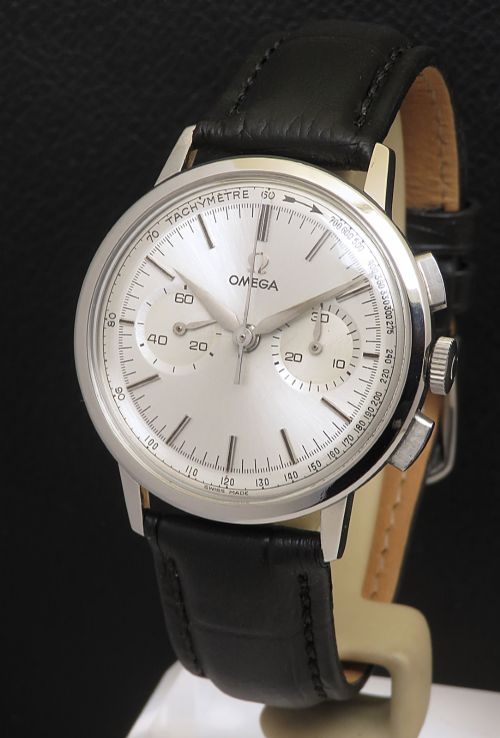
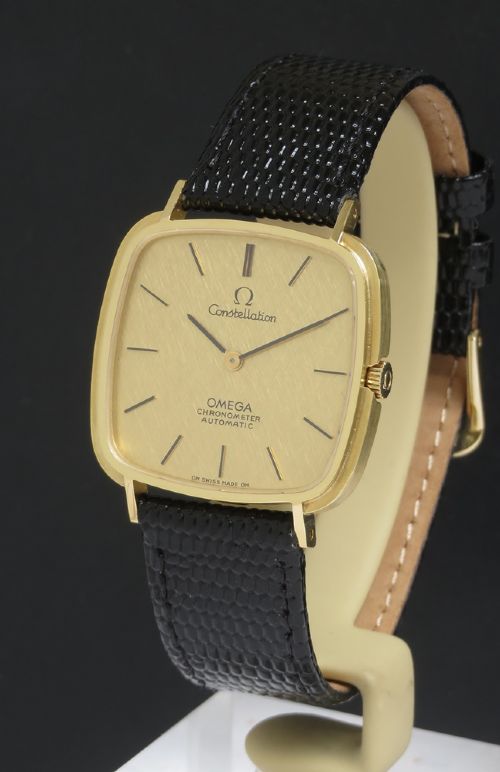
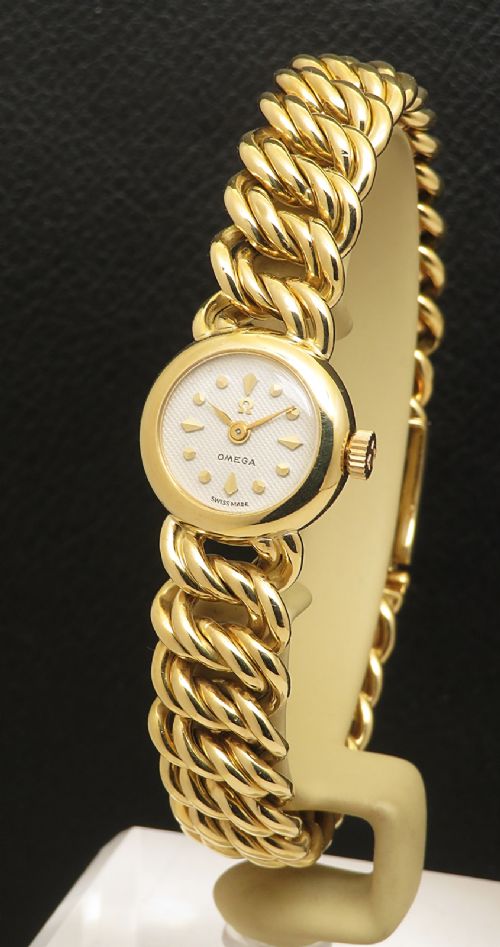
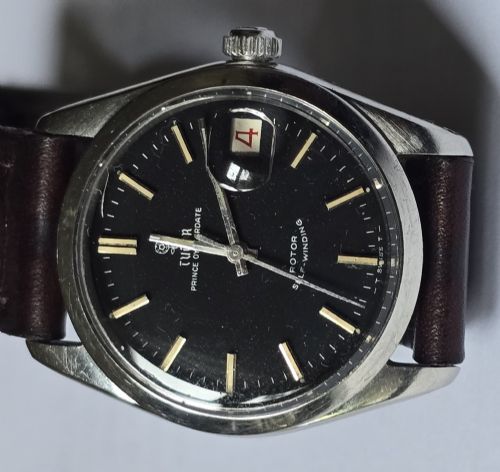
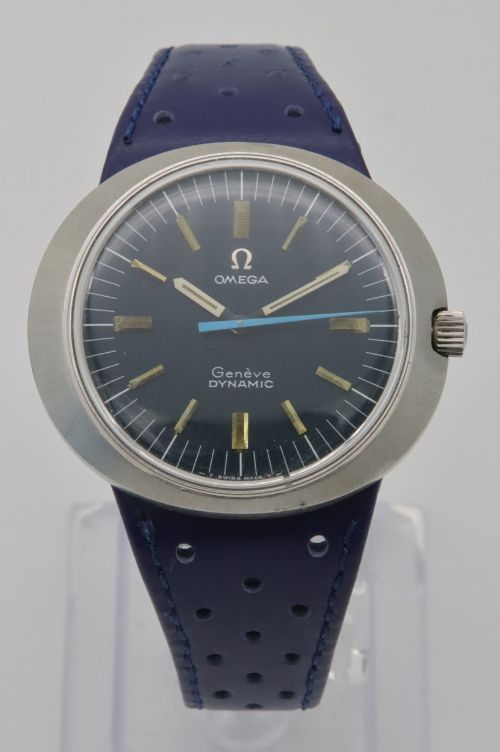
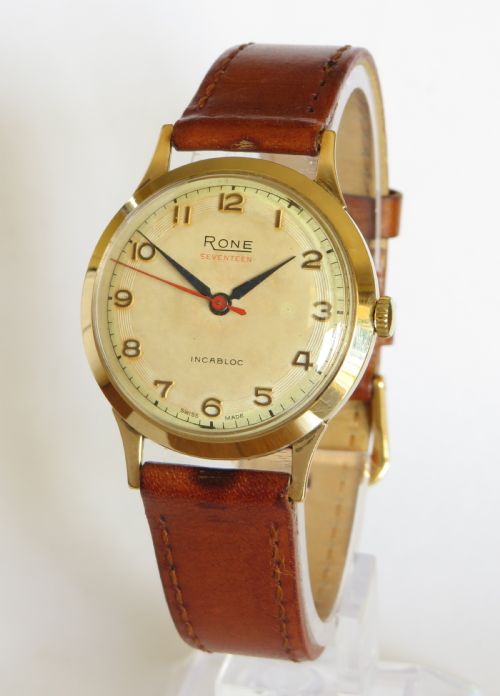
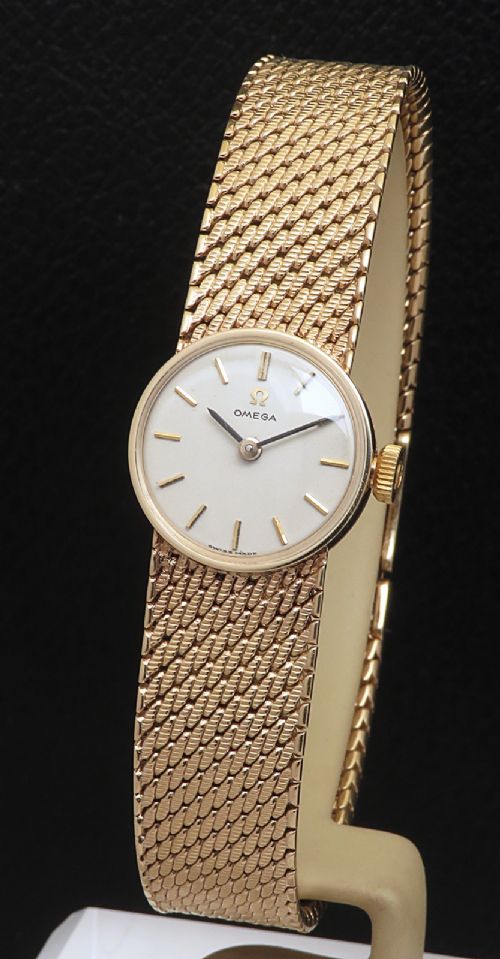
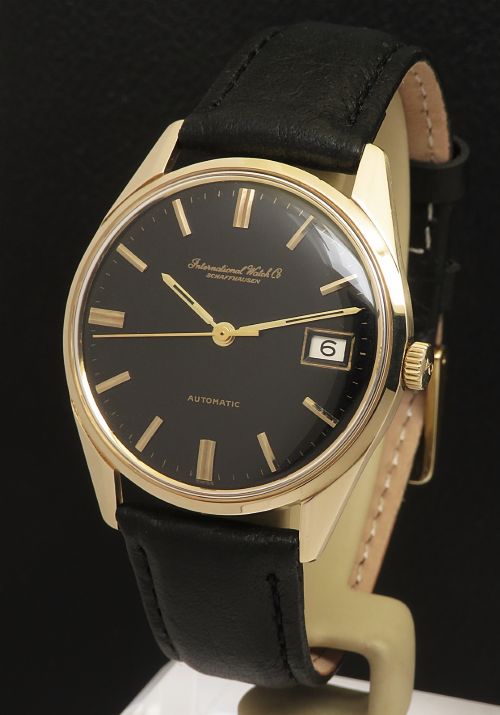
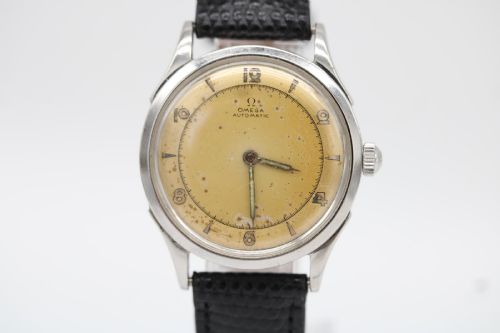
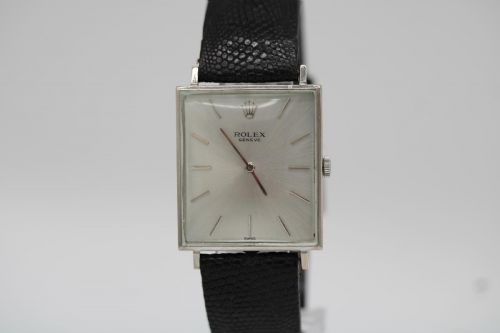
A vintage luxury wristwatch encompasses mechanical timepieces produced primarily across the mid-twentieth century, drawing from periods such as the nineteen-fifties, nineteen-sixties, and Art Deco eras. These objects manifest as robust gents chronographs, dress watches, and ornate ladies cocktail timepieces created by esteemed makers.
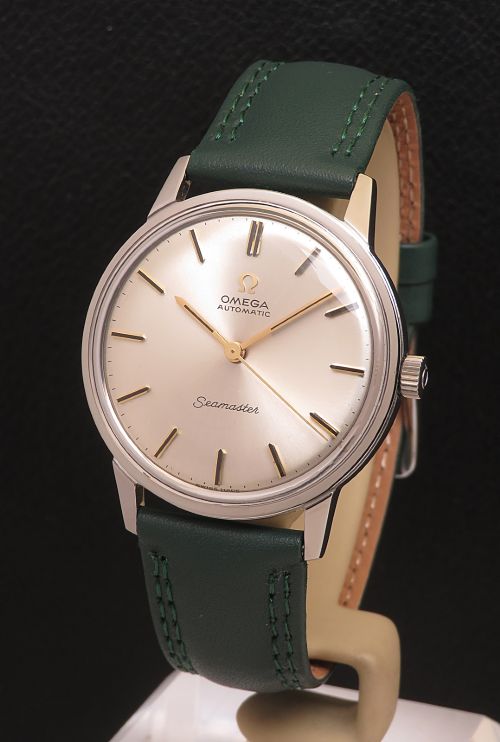
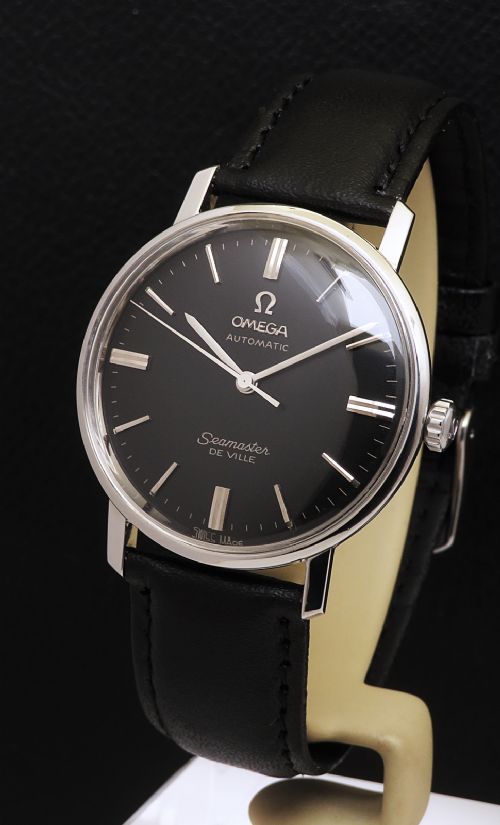
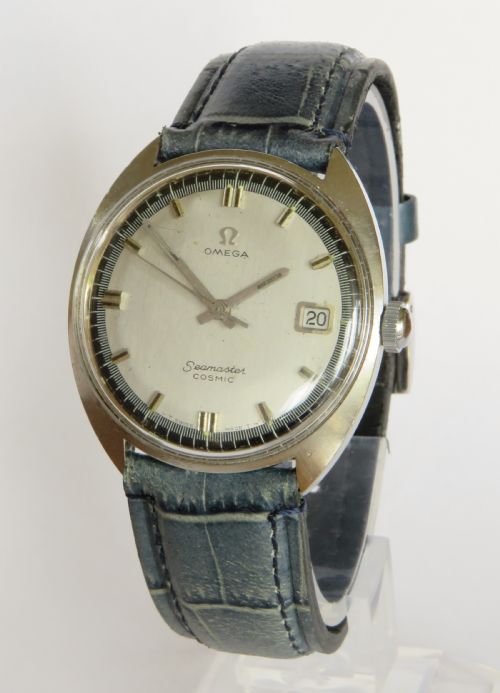
Buyers examining this selection encounter stainless steel daily wearers alongside substantial solid gold pieces, platinum dress items, and diamond-set evening accessories. The dominant forms reflect mid-century modern design sensibilities, merging functional utility with refined aesthetic restraint.
Materials and construction
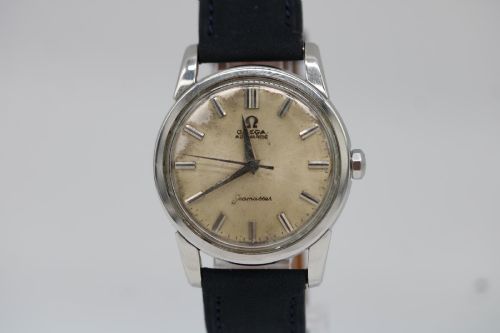
Horological production relies heavily on precious metals, including solid 9ct gold, 18ct white gold, and platinum, paired with durable stainless steel for utility models. These metal housings enclose complex mechanical movements featuring manual wind or automatic calibres.
Dials incorporate glass, acrylic crystals, and protective acrylic glass covers, whilst timepieces frequently utilise genuine leather straps. Gems such as diamonds enhance specific cocktail iterations, secured in precise metal settings.
Vintage Luxury Wristwatch Retail Price Guide 2026
Typical asking prices for vintage luxury wristwatch among the pieces listed under this phrase on Sellingantiques today, from the lower quarter to the upper quarter. They describe what is for sale here now, not the wider market.
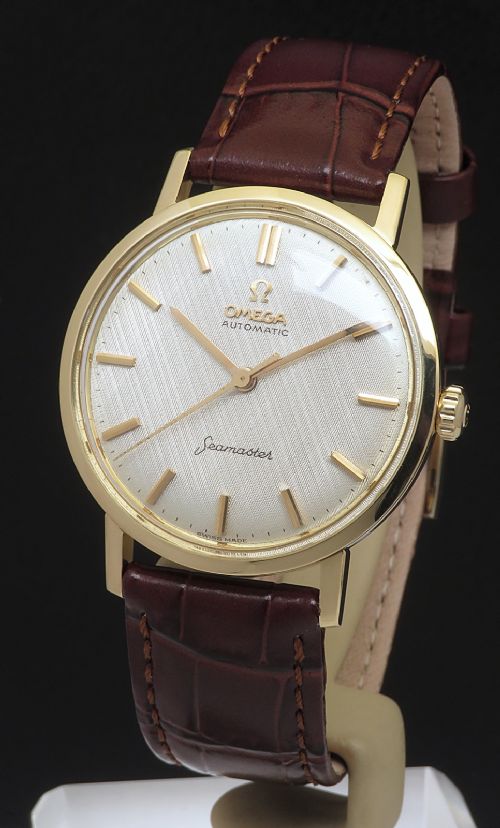
The object forms available range from robust chronographs and utility Seamaster models to delicate diamond-set cocktail watches.
Evaluating standard and preservation
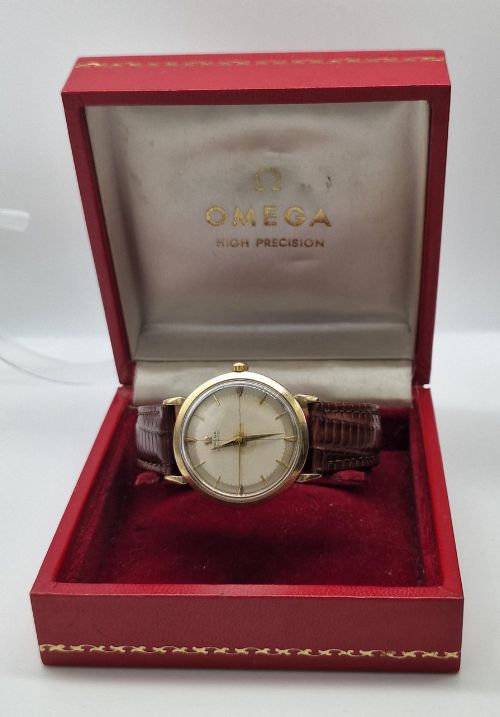
The zenith of the range is defined by original preservation, where factory components, untouched dials, and matching original boxes and papers remain intact. Such examples demonstrate superior metallurgical finishing and movement complexity, such as certified chronometer standards.
Lesser examples display compromised dials, replaced components, or heavy wear to gold-filled and solid metal cases. The distinction rests entirely upon factory integrity and the survival of documented provenance.
Omega·Rolex·Tudor·IWC·Bulova·Eterna·Tissot·Asprey·Movado·Longines
The Vintage Luxury Wristwatch Glossary
- Chronometer
- A high-precision watch capable of carrying movement officially certified for accuracy. These pieces undergo rigorous testing by independent observatories.
- Calibre
- The specific internal mechanical movement manufactured for a watch. Collectors reference these numbers to identify the exact generation and factory specification.
- Cocktail watch
- A small, decorative ladies timepiece designed primarily for evening wear. These objects often incorporate diamonds, platinum, or precious gold alongside delicate strap constructions.
- Bumper automatic
- An early self-winding mechanical movement where the rotor swings through a limited arc and bounces against springs. The wearer feels a distinct physical tap on the wrist as the mainspring winds.
- Gold-filled
- A material formed by bonding a layer of gold to a base metal core. This technique provides the visual weight of solid gold with greater durability.
Vintage Luxury Wristwatch: Frequently Asked Questions
What is a vintage luxury wristwatch?
A vintage luxury wristwatch is a mechanical timepiece produced during the mid-twentieth century by established watchmaking houses. These items combine precious materials like gold and platinum with intricate mechanical movements.
They serve as both functional accessories and collectible historical objects, reflecting the design trends of periods ranging from the nineteen-twenties to the nineteen-sixties.
How do manual wind and automatic watches differ?
Manual wind watches require the wearer to turn the crown by hand daily to tension the mainspring and power the movement. Automatic watches utilise an internal weighted rotor that winds the mainspring naturally through the movement of the wrist.
Both systems represent traditional mechanical horology, though automatics offer greater convenience for daily wear.
How should I care for a vintage watch?
Vintage timepieces require careful handling, protection from moisture, and regular servicing by a qualified horologist to maintain internal lubrication. Avoiding magnetic fields and extreme physical shocks preserves the delicate mechanical components.
Storing pieces in original boxes when not in use helps protect the exterior materials and glass or acrylic crystals.
How can I tell different periods apart?
Stylistic shifts and technological advancements delineate the eras, from the geometric lines and platinum settings of Art Deco pieces in the nineteen-thirties to the clean dials of mid-century modern designs. Movement types, such as bumper automatics from the nineteen-fifties or later high-beat calibres, provide chronological markers.
Case shapes, font styles on the dial, and material choices further confirm the manufacturing period.