
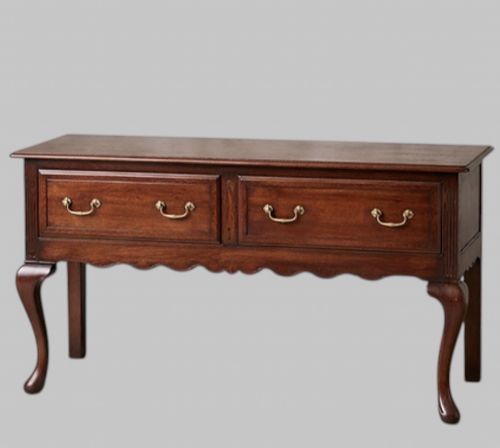


Vintage Lowboy Dresser
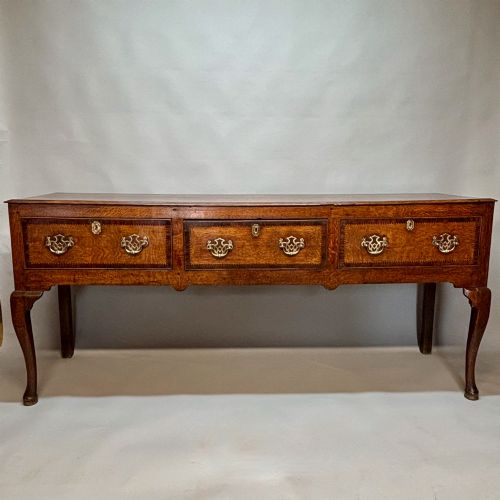
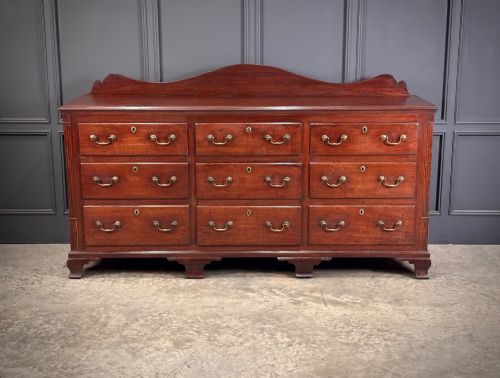
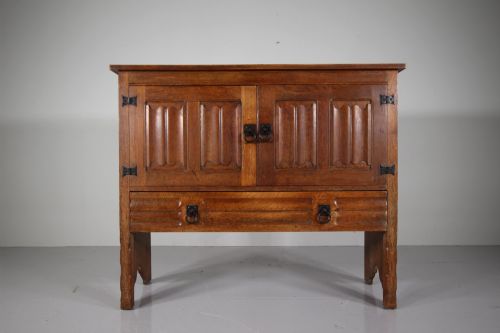
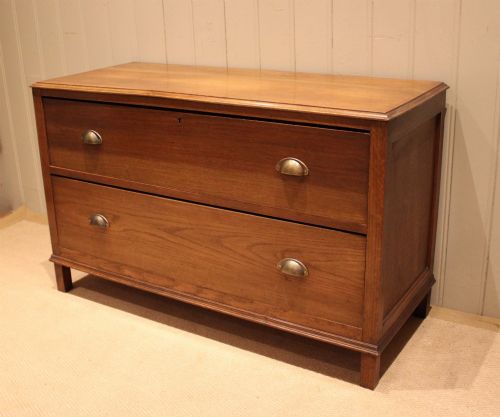
These vintage lowboy dresser options provide compact table-height drawer storage for your home, prized for their low profile and historic character.
Vintage Lowboy Dresser
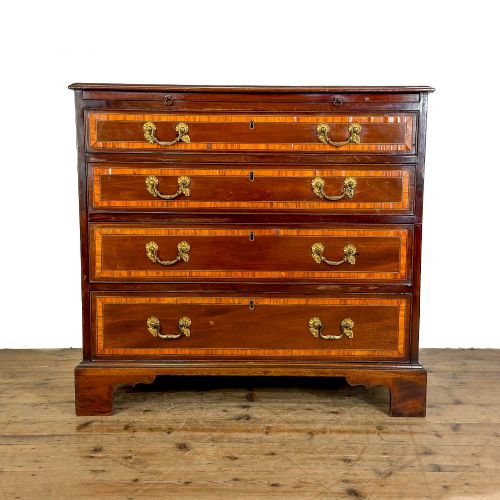
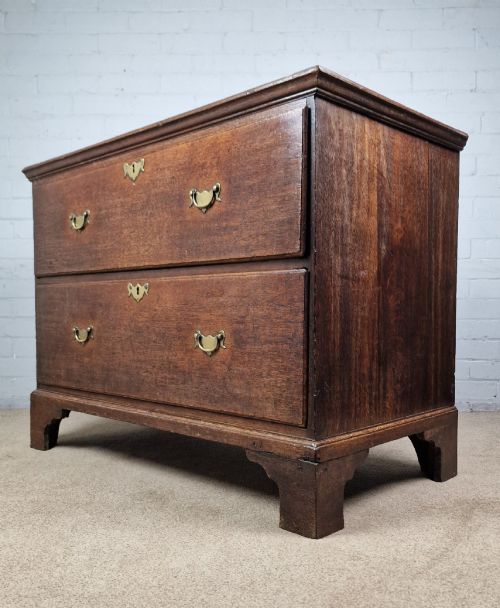
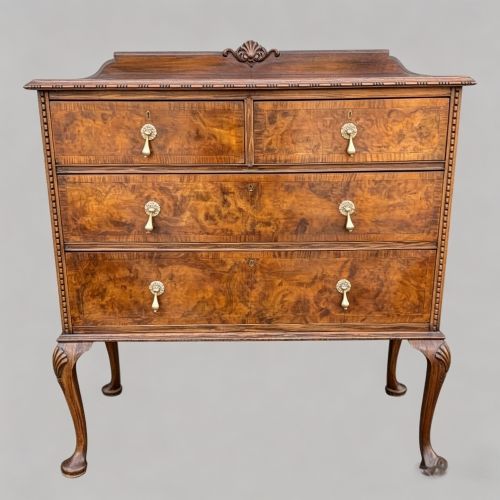
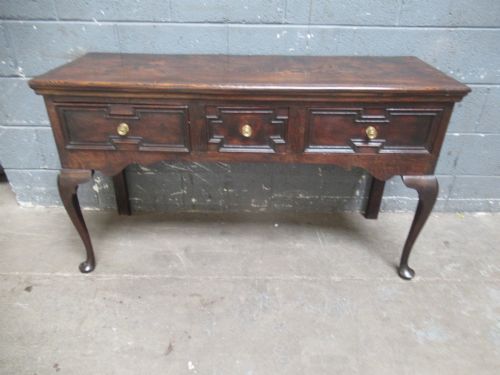
When you search for a vintage lowboy dresser, you are looking at low storage furniture, most frequently represented here by oak and mahogany dresser bases and chests of drawers. These pieces trace their origins across the eighteenth and nineteenth centuries, alongside revival pieces from the Edwardian era and the 1930s.
The most common forms you will meet on this page are low oak dresser bases and compact chests of drawers originating from English and French traditions. They span specific stylistic revivals including Queen Anne Style, Gothic Revival, and the Georgian taste, serving as functional sideboards or console tables.
Materials and construction
These pieces are constructed primarily from solid hardwoods such as oak and mahogany, with occasional use of burr walnut, fruitwood, and satinwood veneers. Cabinetmakers shaped these timbers by hand, joining panels and frames to create durable drawer banks and low bases.
Metal components such as brass handles and iron fittings complete the construction of the drawers, matching the structural timber choices of each period.
Listings feature solid oak and mahogany constructions alongside decorative burr walnut and satinwood veneers across the eighteenth and nineteenth centuries.
Judging quality in low furniture
The standard of a piece depends heavily on the selection of timber and the integrity of the cabinet work, distinguishing simpler utility furniture from finer domestic items. Grain selection in mahogany and oak, alongside the preservation of original brass hardware, elevates the finish of the piece.
Distinctions also arise in the subtlety of stylistic details, such as the execution of Georgian taste mouldings or French provincial carving, which set more ambitious workshop productions apart from plain vernacular items.
The Vintage Lowboy Dresser Glossary
- Dresser base
- A low freestanding table with drawers beneath the top surface, traditionally used for food preparation or serving. It offers convenient low-height storage.
- Lowboy
- A traditional term for a small low table with drawers, often styled as a miniature chest or a compact dresser base. It usually stands on relatively tall legs.
- Queen Anne Style
- A graceful furniture design characterised by cabriole legs and curved lines, originating in the early eighteenth century and revived later. It emphasises comfort and domestic refinement.
- Georgian Taste
- Furniture styling influenced by the classical proportions and ornamentation popular during the reigns of the first four Georges. It frequently employs mahogany and balanced drawer arrangements.
- Burr walnut
- A highly figured wood veneer taken from the burl growth of the walnut tree, prized for its swirling grain patterns. It adds decorative richness to cabinet surfaces.
Vintage Lowboy Dresser: Frequently Asked Questions
What is a lowboy dresser used for?
These low pieces serve primarily as functional sideboards, console tables, or compact chests of drawers within living areas and hallways. Their shallow depth and low profile allow them to fit into spaces where taller cabinetry would overwhelm the room.
Historically, they provided accessible surface space and drawer storage for household items, a function they continue to perform in modern homes today.
Are these pieces made of solid wood?
The listings show a prevalence of solid timbers, particularly oak and mahogany, used for the primary structures and drawer frames. Some decorative examples incorporate fine veneers such as burr walnut or satinwood laid over a secondary wood base.
Inspect the grain and edges to understand how the cabinetmaker utilised solid timber versus veneered surfaces during construction.
How do I fit a lowboy into a modern room?
A lowboy dresser works exceptionally well as a hallway console, a dining room sideboard, or a low bedroom storage unit. Its modest height keeps sightlines open and prevents the furniture from dominating smaller spaces.
Pair the warm tones of aged oak or mahogany with complementary lighting or mirrors to anchor the piece within your room scheme.