
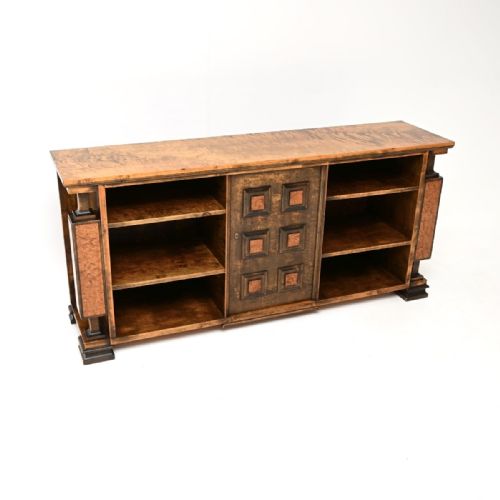
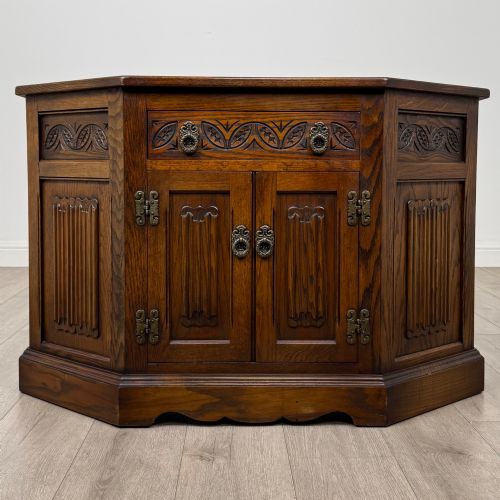
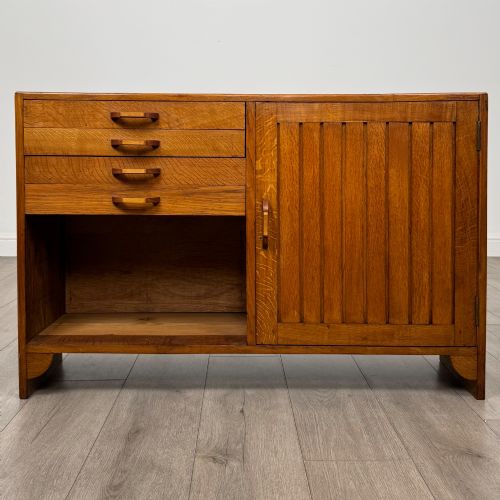
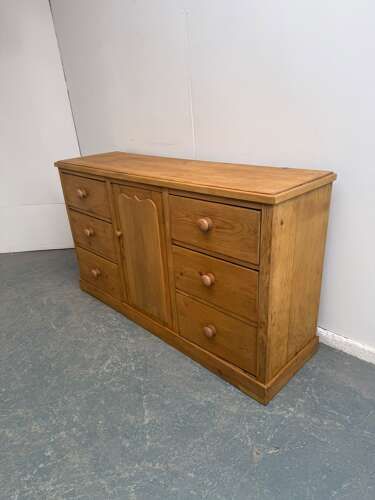
Vintage Low Sideboard
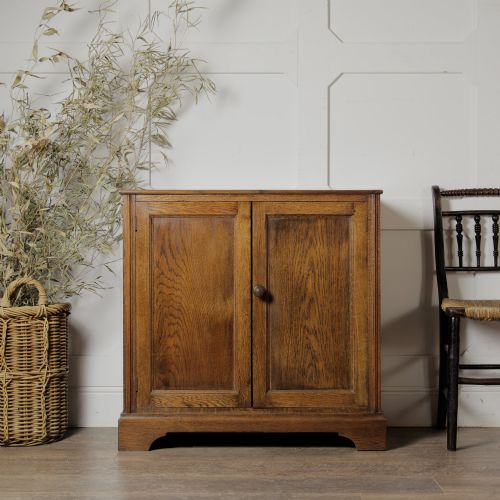
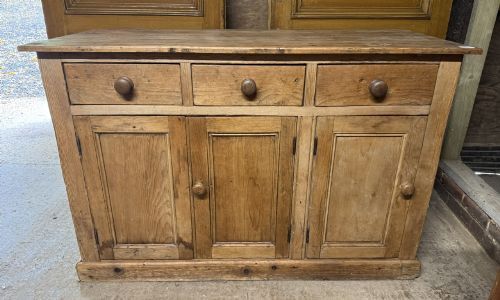
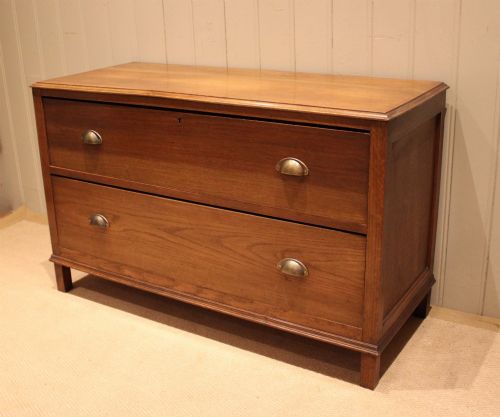
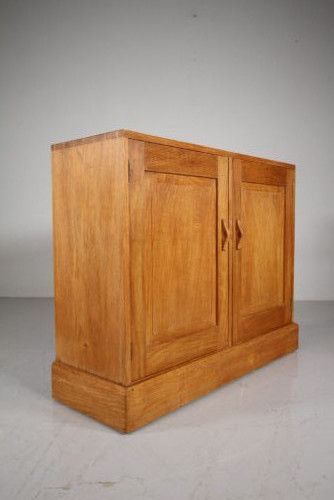
A vintage low sideboard brings practical storage and solid timber craftsmanship to a room without dominating the floor plan.
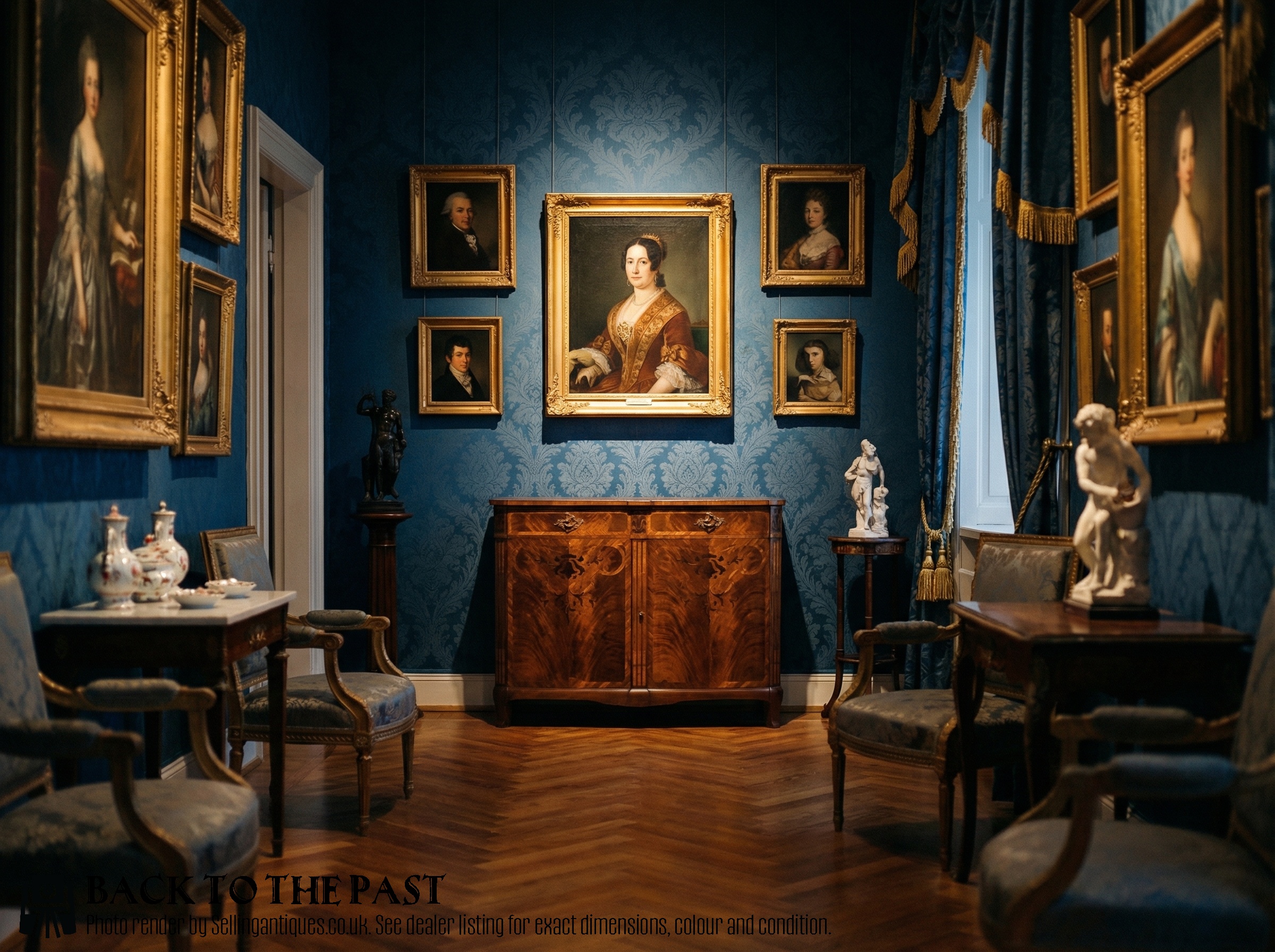
Vintage Low Sideboard
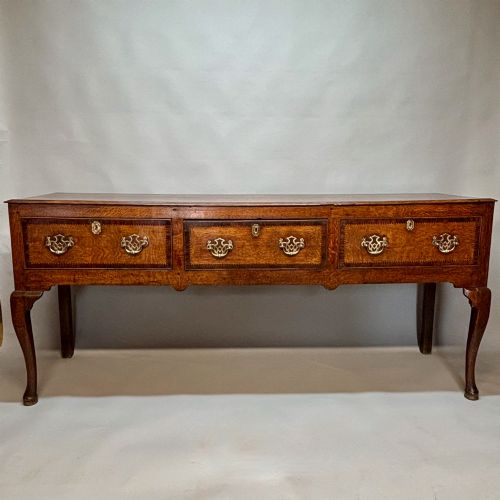
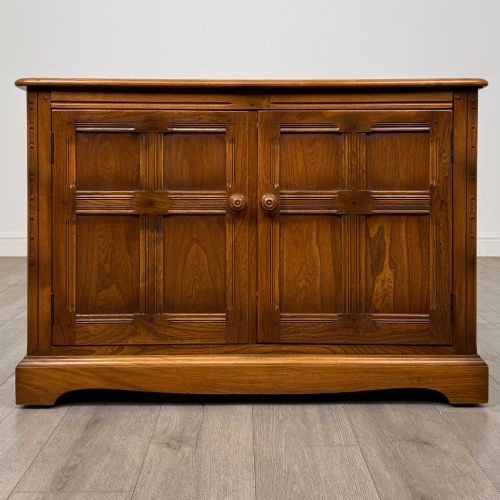
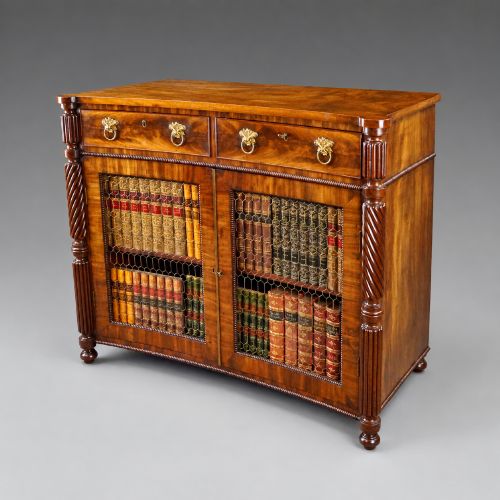
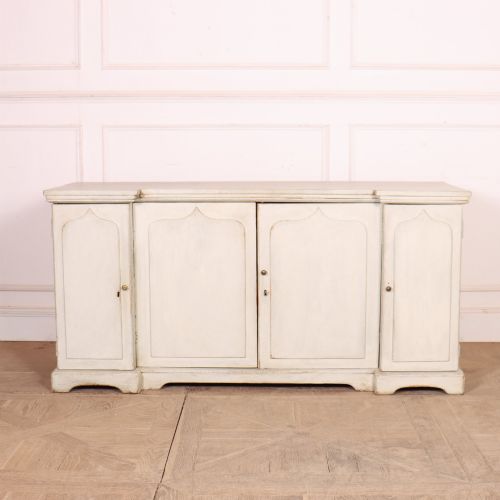
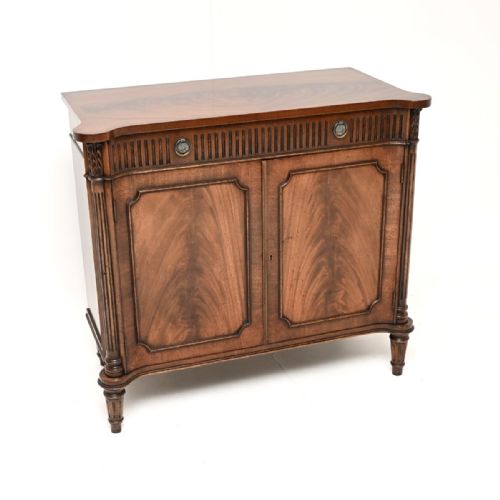
A vintage low sideboard covers a broad range of low-slung storage furniture, primarily dresser bases, side cabinets, and low cupboards. These pieces emerge from periods spanning the eighteenth century through to the nineteen-thirties, reflecting diverse regional workshops.
The selections available here rely heavily on early twentieth-century production, Edwardian designs, and nineteenth-century utility pieces. Buyers frequently encounter low oak cupboards, painted pine kitchen bases, and mahogany cabinets tailored for domestic storage.
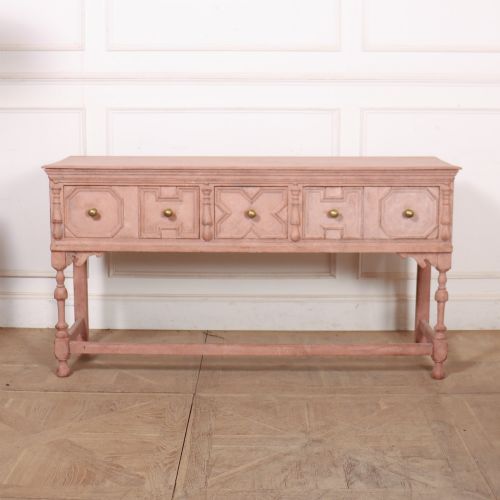
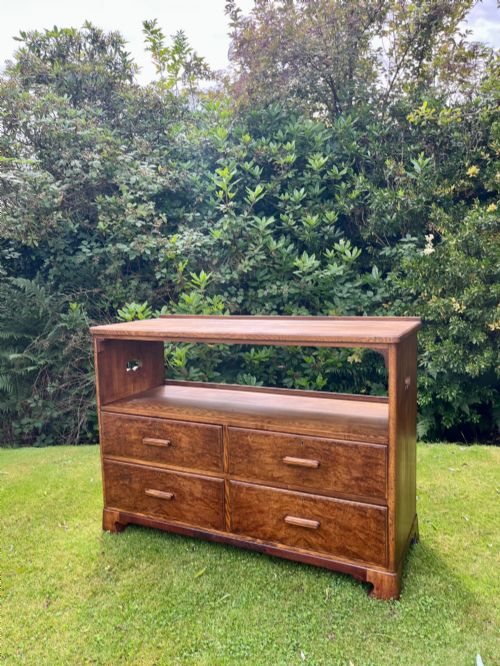
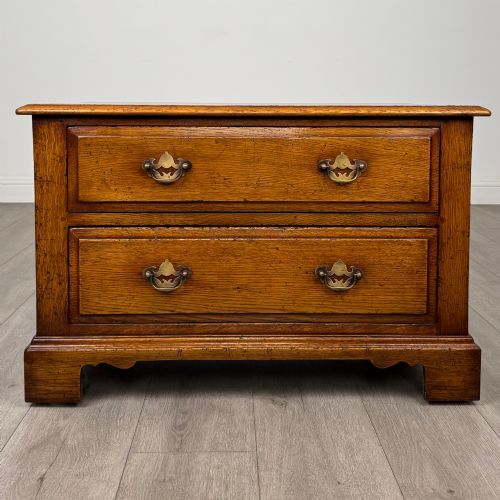
Forms vary from narrow side cabinets to broad breakfront dresser bases and low chests of drawers. Origin points stretch across English, French, Dutch, and Swedish workshops, incorporating regional woods and distinct construction methods.
Materials and construction
Makers relied extensively on solid hardwoods and softwoods, choosing oak, mahogany, walnut, and pine for their structural integrity and grain. Surface finishes range from traditional wax and French polish to original paint layers.
Joinery techniques prioritize durability, employing panelled doors, dovetailed drawer construction, and sturdy brass hardware. Carved details, linenfold panels, and geometric mouldings appear across specific styles like the Cotswold School and Art Deco.
Listings feature oak more frequently than any other material, spanning seventeenth-century styles, Edwardian golden oak, and solid 1920s designs.
Assessing quality and craftsmanship
Quality rests on the selection of timber and the integrity of the original construction rather than decorative excess. Superior examples feature well-figured grain, such as burr walnut or golden oak, and retain their original hardware and painted surfaces.
Proportion and utility define the better pieces in this range. Clean lines, smooth drawer action, and balanced proportions distinguish finer cabinet work from utilitarian storage built purely for function.
Whytock and Reid·Hille of London
The Vintage Low Sideboard Glossary
- Dresser base
- A low wooden storage unit featuring drawers and cupboards beneath a flat top surface, traditionally used in kitchens and dining rooms.
- Breakfront
- A cabinet or sideboard whose central section projects forward from the flanking outer sections, creating visual depth.
- Linenfold
- A style of wood carving that imitates folded linen, commonly seen on panels of early twentieth-century and Edwardian oak cupboards.
- Potboard
- An open slatted lower shelf fitted between the legs of a traditional dresser base, originally designed for storing pots and pans.
- Satin birch
- A pale, fine-grained timber often used in cabinet making for its luminous finish and decorative striped appearance.
Vintage Low Sideboard: Frequently Asked Questions
Where should I place a low sideboard?
These pieces suit dining rooms, hallways, and living spaces where low furniture preserves sightlines and wall space. Their proportions make them useful surfaces for lamps and display.
They also provide concealed storage for tableware, books, or household linens without crowding smaller rooms.
How do I care for a waxed wood finish?
Apply a natural beeswax periodically and buff with a soft cloth to maintain the lustre of the timber. Avoid placing these cabinets near direct heat sources or strong sunlight.
Regular dusting prevents particle build-up in carved details and mouldings. Moisture should be wiped away promptly to protect the grain.
What is the difference between a sideboard and a dresser base?
A dresser base typically originates from kitchen or pantry contexts, often featuring potboards or simpler plank construction. Sideboards evolved primarily for formal dining rooms to serve food and store silver.
Both categories overlap significantly in modern usage as versatile low storage furniture.
Are painted finishes original on these pieces?
Some pieces retain original nineteenth-century paint layers, particularly school cupboards and provincial kitchen furniture. Other items feature later decorative painted surfaces applied during restoration.
Examine the wear patterns around handles and edges to assess the age of the paint layer.