
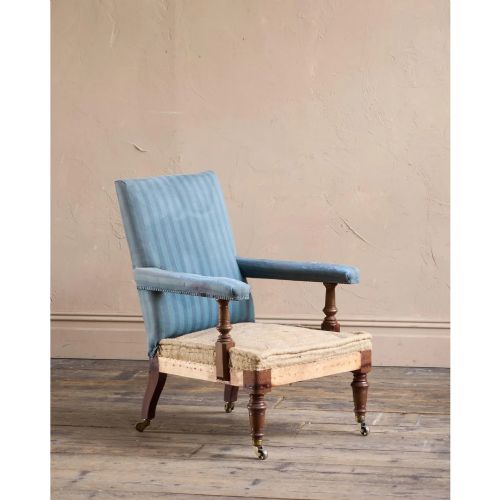
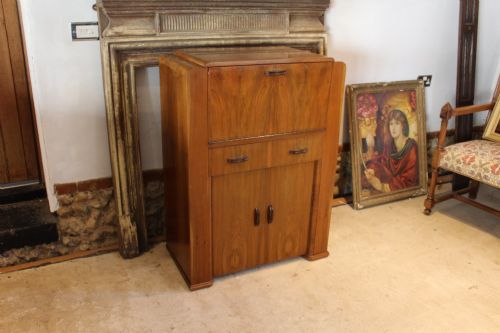
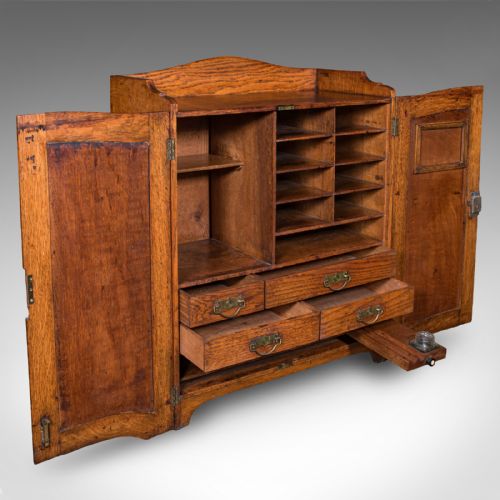
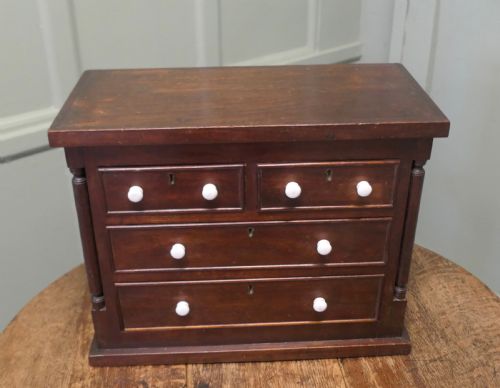


Antique Scottish Cabinet
An antique scottish cabinet brings solid timber and regional cabinet-making traditions into a room, offering both storage and historical character.
Antique Scottish Cabinet
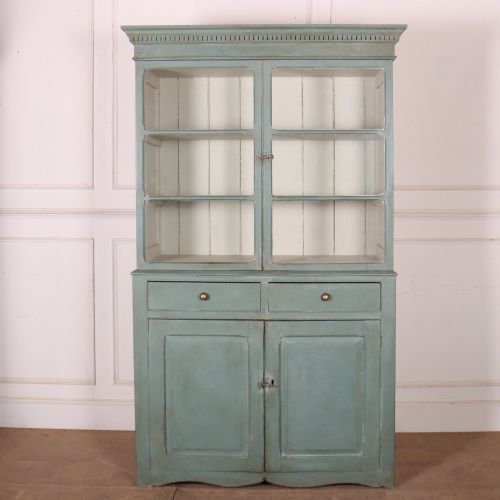
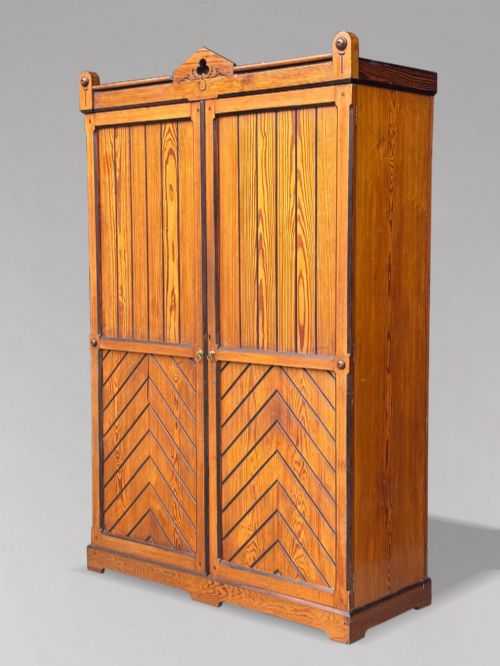
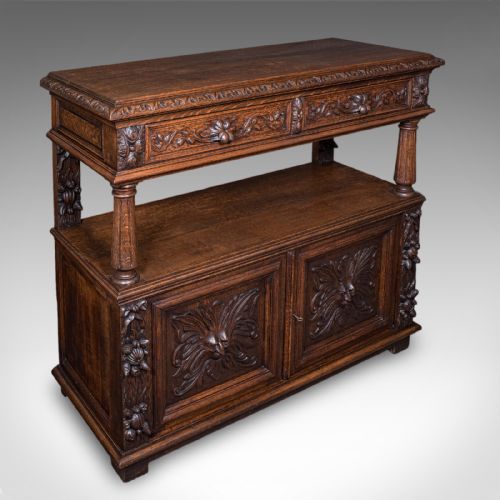
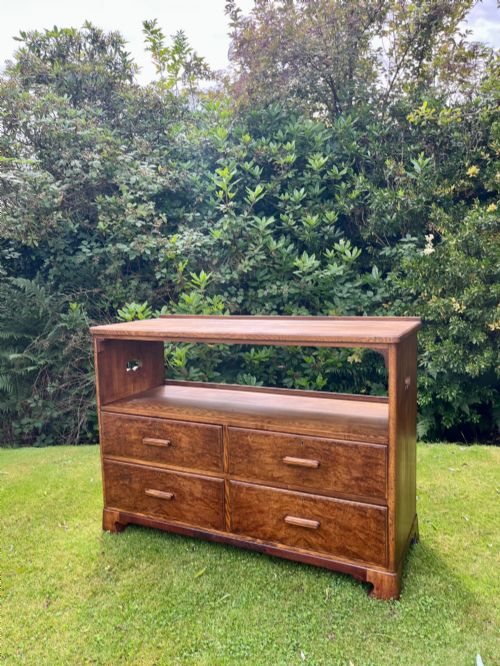
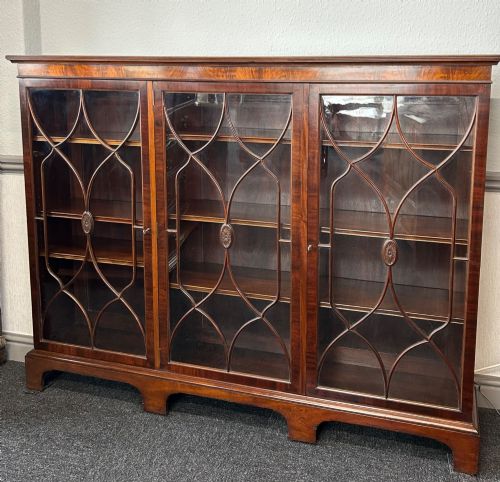
An antique scottish cabinet encompasses a diverse group of regional furniture ranging from substantial sideboards and bookcases to smaller kitchen cabinets and apprentice pieces. These items appear across multiple periods, with strong representation from the Georgian and Victorian eras, reflecting the domestic and estate needs of past centuries.
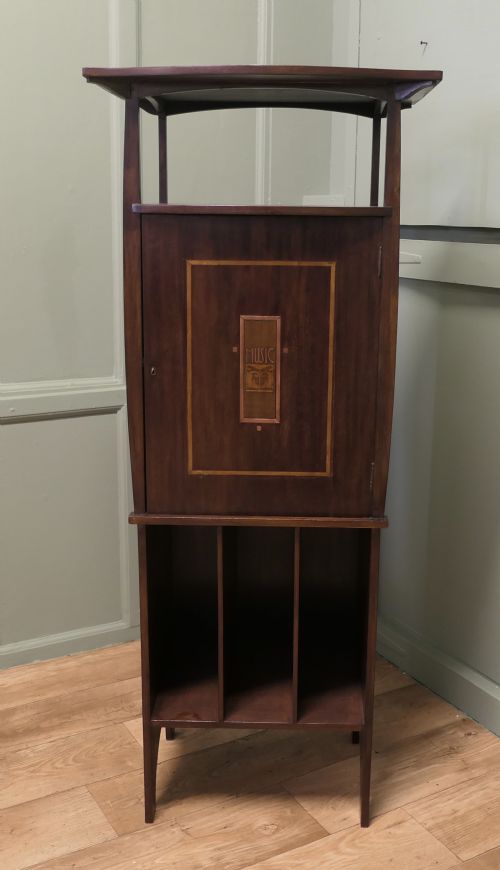
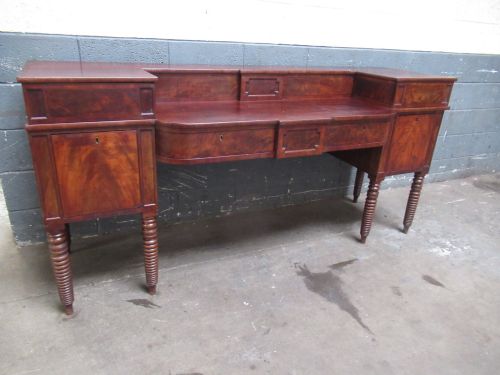
The most common forms on this page include glazed bookcases, large dining room sideboards in mahogany or oak, and country pine dressers. Makers and workshops from Edinburgh and Glasgow also produced specialised items such as music cabinets, folio cabinets, and collector's chests.
Materials and Construction
Makers utilised a combination of native and imported timbers, frequently employing solid mahogany, oak, and pine alongside decorative veneers such as flame mahogany. Brass hardware, glass door panels, and occasional painted finishes completed the construction of these storage pieces.
Joinery techniques relied on traditional cabinet-making methods appropriate to the period, ensuring structural stability across large wardrobes, breakfront bookcases, and smaller side cabinets.
Some items served highly specific domestic roles, including dedicated gamekeeper cupboards and estate clerk storage.
Gradations of Craftsmanship
The distinction between standard utility furniture and superior pieces rests upon timber selection and the refinement of secondary details. Finer examples exhibit carefully matched flame mahogany veneers, well-executed bracket feet or stage-backs, and integrated brass fittings.
Attribution to documented Edinburgh or Glasgow firms introduces a further layer of distinction, as does the survival of original painted surfaces and unalterable interior configurations.
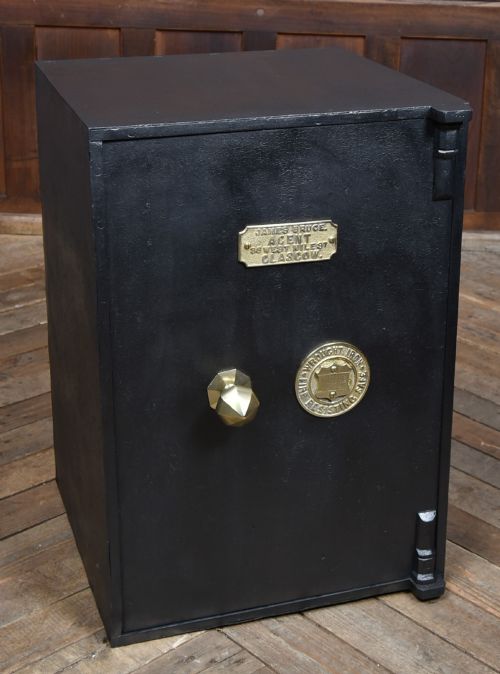
GM Elwood for JS Henry·James Bruce Glasgow·Whytock and Reid·Morison and Co·Wylie and Lochhead·JA Mein Edinburgh·Francis Brodie·William Trotter Edinburgh
The Antique Scottish Cabinet Glossary
- Stage-back
- A sideboard design featuring an elevated rear tier or superstructure, often used for displaying plate or serving dishes in Georgian dining rooms.
- Apprentice piece
- A smaller scale furniture item created by a trainee cabinet maker to demonstrate skill and secure admission to a trade guild.
- Breakfront
- A cabinet or bookcase facade where the central section projects forward from the flanking outer sections.
- Secretaire
- A desk form incorporating a drop-front writing drawer that conceals smaller pigeonholes and small compartments.
- Cellerette
- A dedicated container or cabinet designed for the secure storage of bottled wine and spirits, often lined for temperature control.
Antique Scottish Cabinet: Frequently Asked Questions
Where were these cabinets made?
Many pieces originate from urban workshops in Edinburgh and Glasgow, while others stem from regional country houses and rural workshops across Scotland.
Makers utilised both imported hardwoods and native timbers to supply domestic and institutional commissions.
How do I identify the period?
Dating relies on stylistic indicators such as Georgian proportions, Victorian mass, or Arts and Crafts linear details, alongside construction methods.
Cabinet hardware, timber choice, and historical attribution records further help narrow the era of manufacture.
Are these pieces suitable for modern homes?
Cabinets, sideboards, and bookcases provide practical storage and display space that adapts easily to contemporary living rooms and dining areas.
Selecting the right scale ensures the furniture integrates well without overwhelming modern floor plans.
What is an apprentice chest?
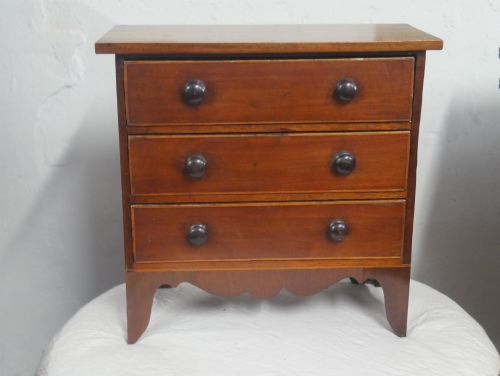
These miniature chests were constructed by young craftsmen to showcase their mastery of woodworking techniques before qualifying as professionals.
Despite their small size, they feature the same dovetail joints and proportioning found on full-scale furniture.