
Vintage Low Open Shelving
Vintage low open shelving offers accessible display and storage, bringing character to a room through practical timber construction.
Vintage Low Open Shelving
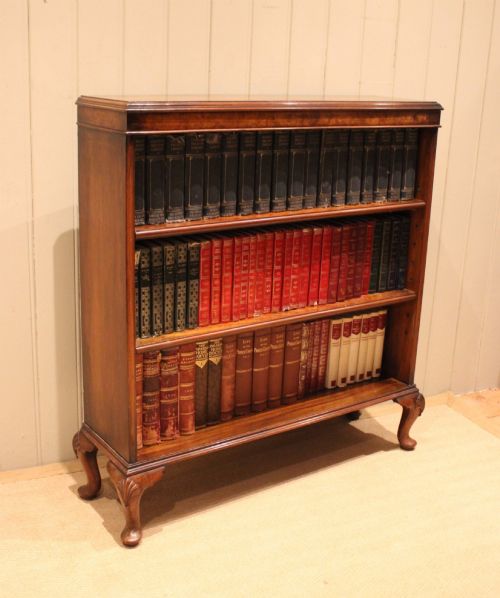
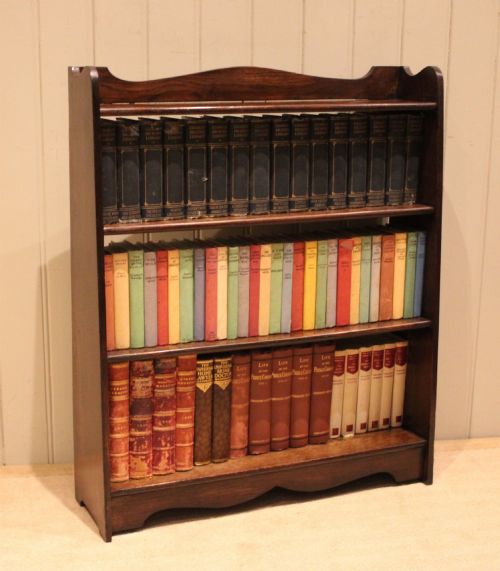
Vintage low open shelving primarily consists of bookcases and display units from periods such as the Edwardian era, Victorian times and the 1920s or 1930s. These pieces sit low to the ground and provide unobstructed access to books and objects.
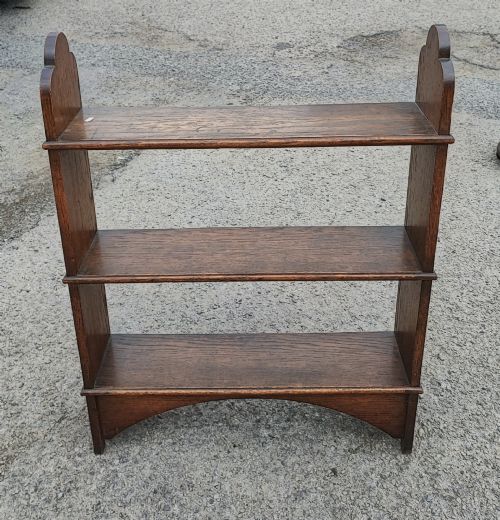
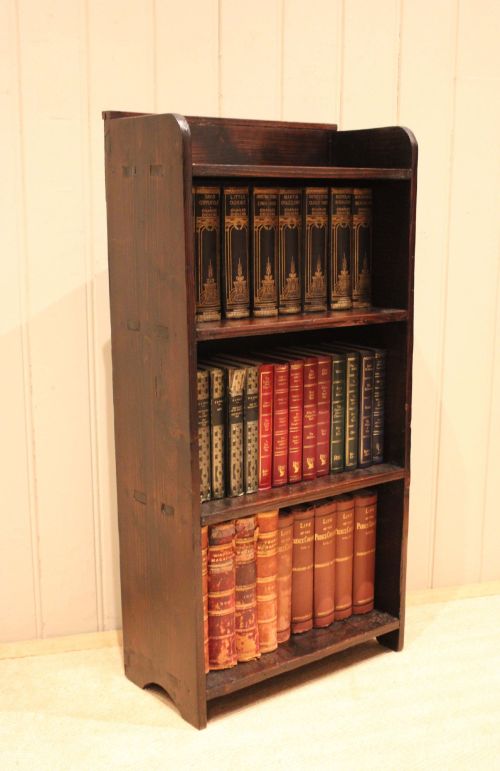
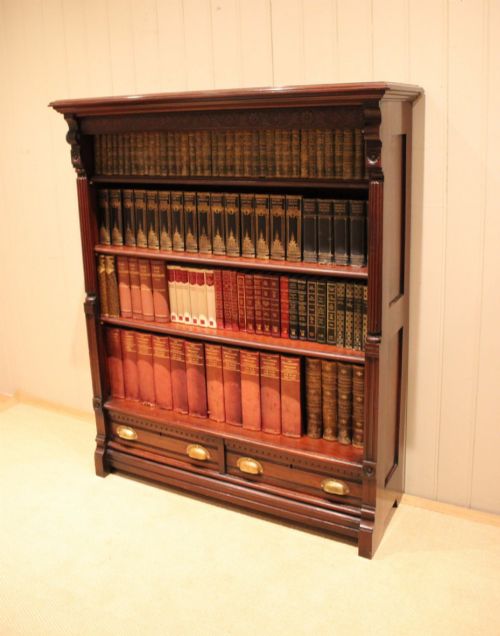
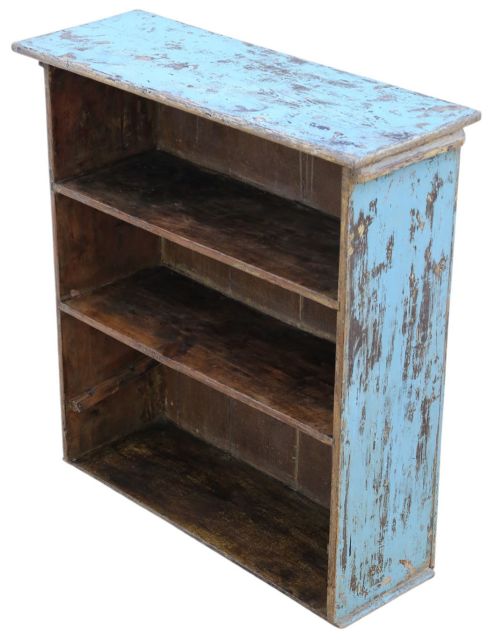
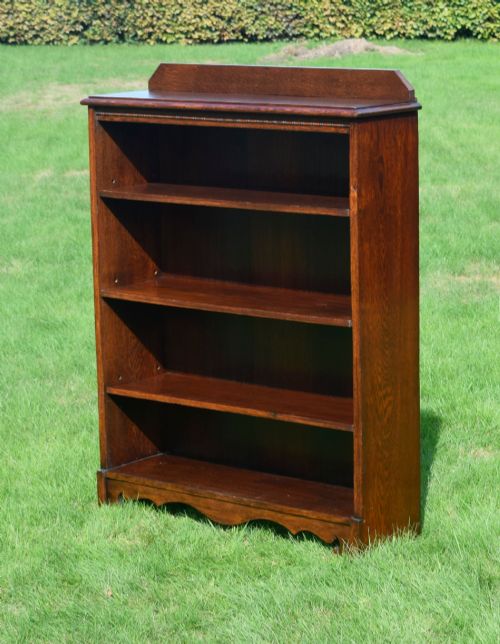
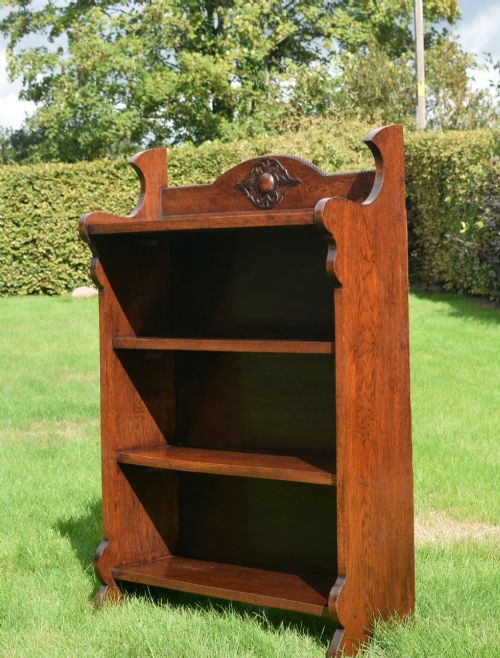
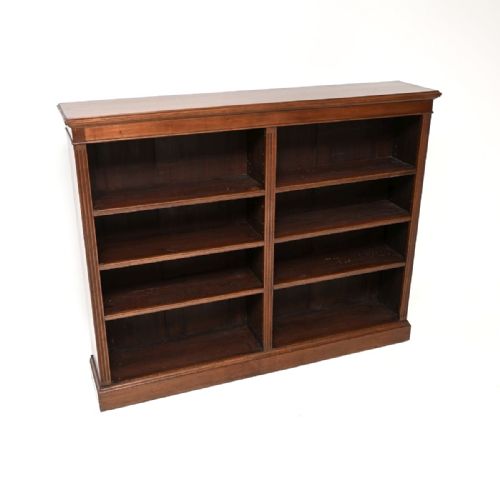
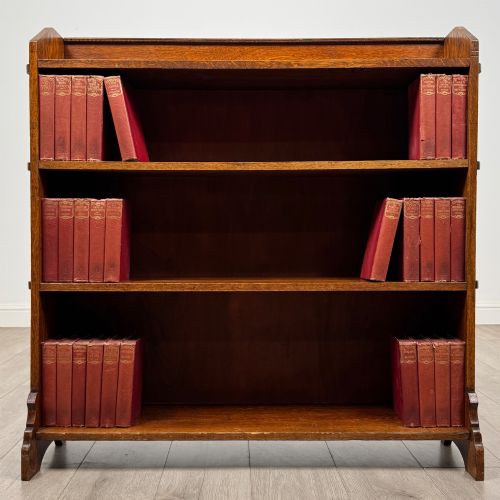
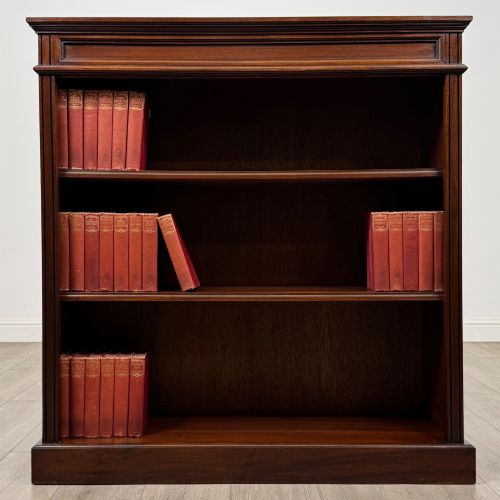
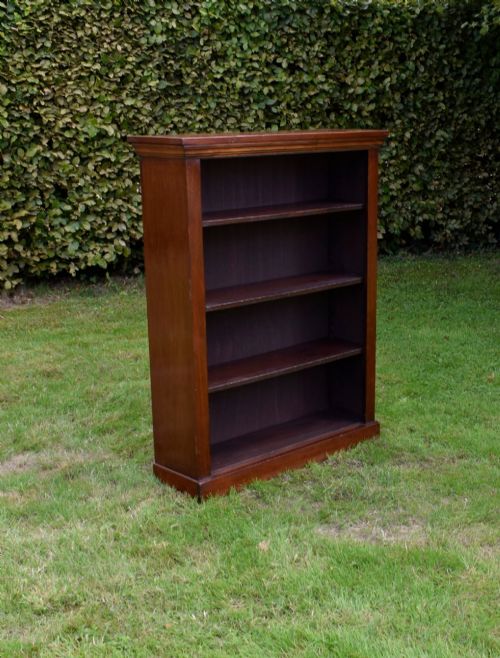
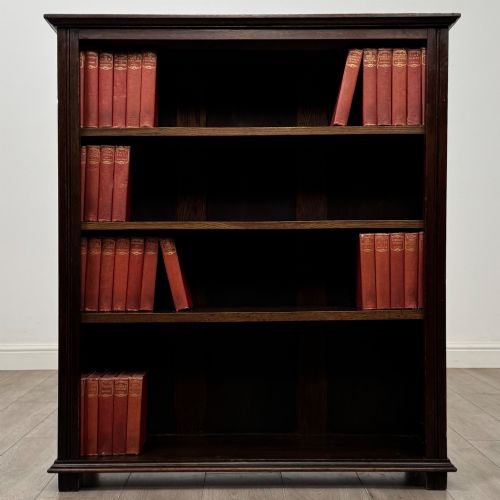
Buyers encounter variations ranging from small rustic country pine units to large late Victorian mahogany bookcases and oak pieces influenced by the Arts and Crafts movement. Styles extend from early 20th century designs to Art Deco ash configurations.
Materials and Construction
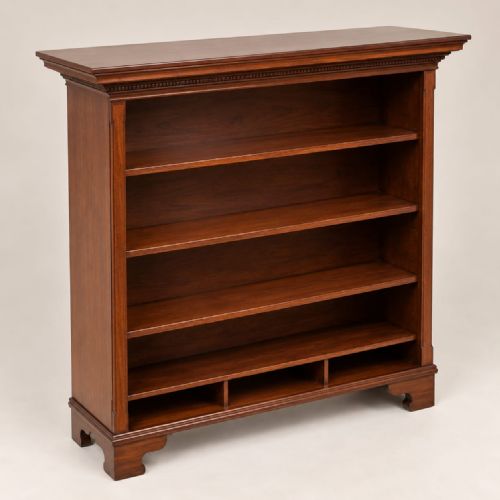
Carpenters built these units predominantly using solid timbers such as oak, mahogany, walnut and pine, occasionally applying satinwood inlay or paint. Surfaces often feature beaded edges or distressed finishes.
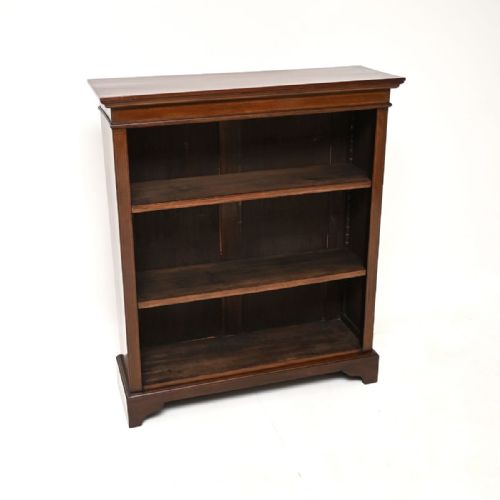
Many examples incorporate adjustable shelves supported by wooden tracks or brackets, allowing users to alter compartment heights according to their requirements.
Listings feature pieces spanning from the 19th century through the 1930s, constructed in oak, mahogany, walnut, pine and ash.
Assessing Quality
Quality rests upon the selection of timber and the precision of the joinery, distinguishing sturdy hardwood examples from simpler pine utility pieces. Superior construction employs dense grain oak or figured mahogany with clean lines.
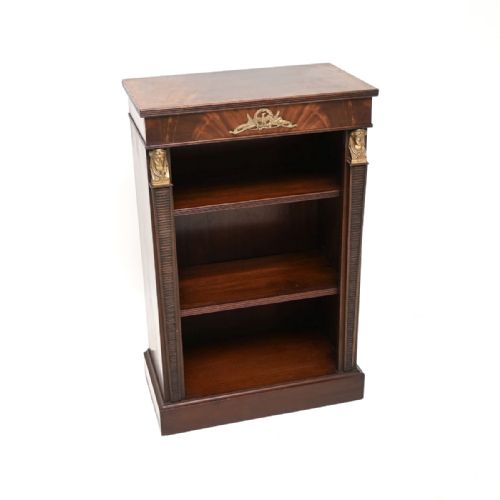
Design sophistication also sets examples apart, moving from plain rustic boards to pieces displaying inlaid details, stepped tiers or distinct styling such as Neoclassical Empire influences.
Heals
The Vintage Low Open Shelving Glossary
- Open Bookcase
- A piece of furniture designed for storing books without doors enclosing the front. This format allows immediate access to the contents.
- Adjustable Shelves
- Shelves that can be moved up or down within the unit. This mechanism utilises internal tracks or supports to alter spacing.
- Waterfall Bookcase
- A shelving unit featuring stepped shelves that recede in depth toward the top. This configuration creates a cascading profile.
- Inlay
- Pieces of contrasting wood or brass set into the surface of the primary timber. This technique adds decorative patterns to the exterior.
Vintage Low Open Shelving: Frequently Asked Questions
What is vintage low open shelving used for?
These units serve as practical bookcases and display shelving for living spaces, studies and hallways. Their low height keeps rooms feeling open while providing accessible surface area.
They accommodate books, decorative objects and collections, fitting beneath windows or along walls where taller furniture would block light.
How do I identify an Edwardian bookcase?
Edwardian pieces often feature light oak or inlaid mahogany construction, reflecting simpler aesthetic values than heavy Victorian designs. They frequently utilise clean lines with subtle decorative touches.
Examining the timber grain and backboards helps distinguish these early twentieth-century examples from later reproductions.
Are the shelves adjustable on these bookcases?
Many period bookcases include adjustable shelves supported by internal wooden slots or metal pins. This feature accommodates volumes of varying heights.
Fixed shelves also appear frequently, particularly in smaller rustic or country pieces built for specific domestic duties.
What woods were commonly used?
Cabinetmakers relied heavily on oak and mahogany throughout the Victorian and Edwardian periods. Walnut, pine and ash also appear regularly in listings.
Softer pine suits rustic country pieces, while hardwoods like mahogany and oak support more formal styles including Arts and Crafts and Art Deco.