
Vintage Low Bookshelf
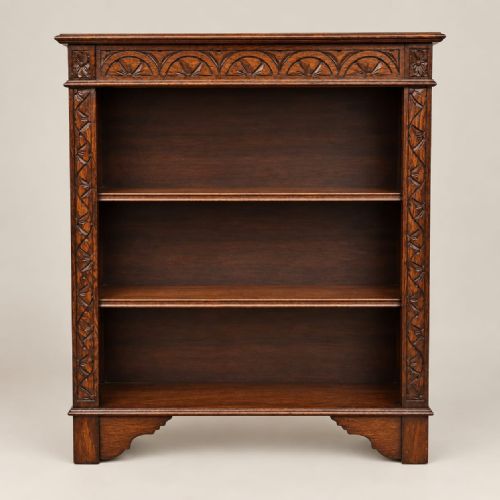
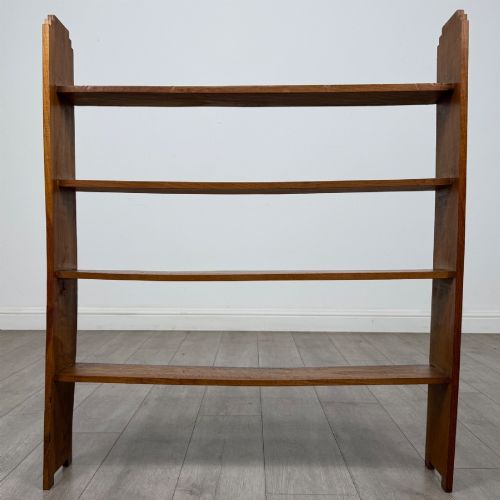
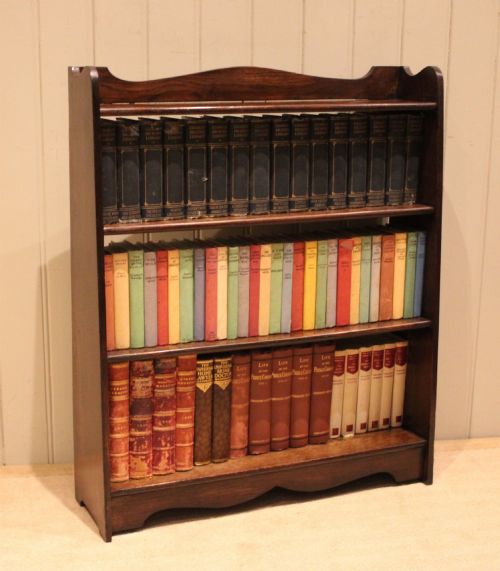
A vintage low bookshelf brings open shelving and compact proportions to a room, holding volumes within easy reach.
Vintage Low Bookshelf
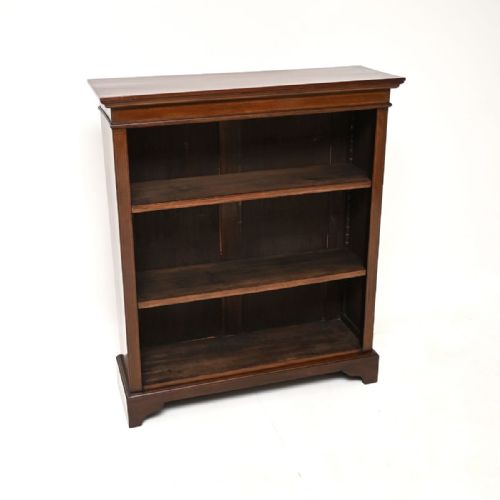
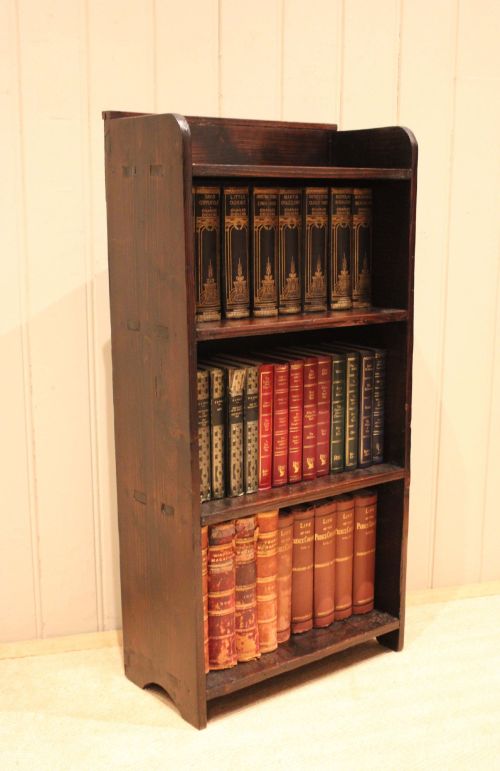
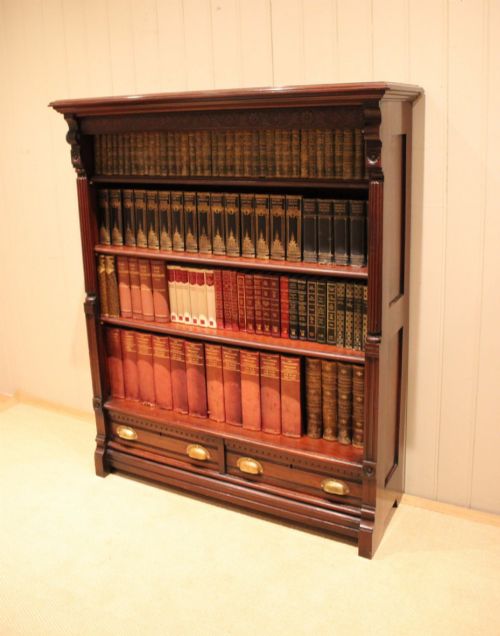
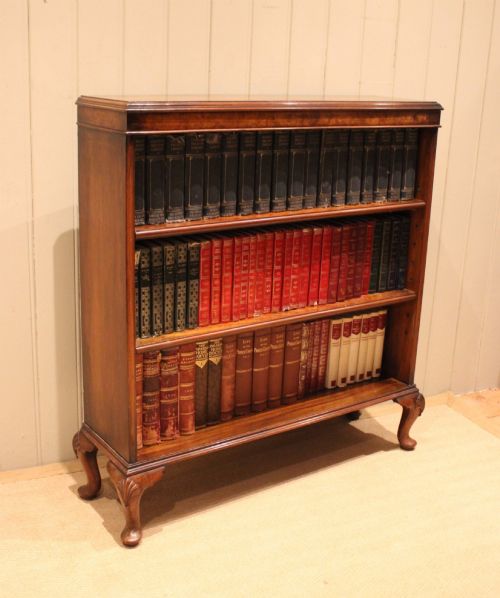
A vintage low bookshelf offers accessible open storage designed to sit below standard eye level, making it a practical addition to studies and living spaces. Buyers searching for a vintage low bookshelf frequently encounter open configurations originating from the Victorian, Edwardian, and Art Deco periods, as well as the early twentieth century.
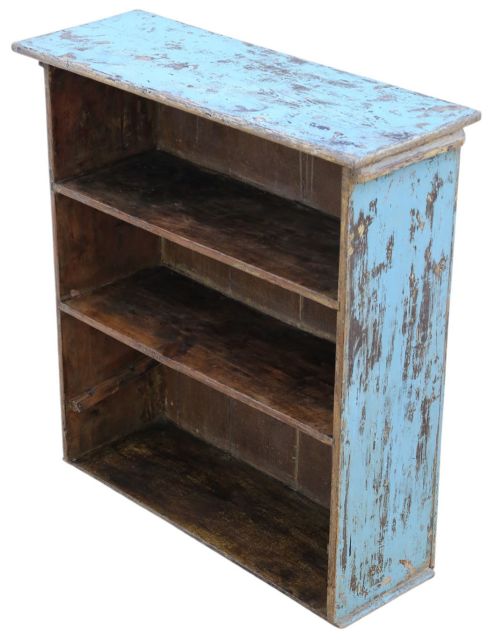
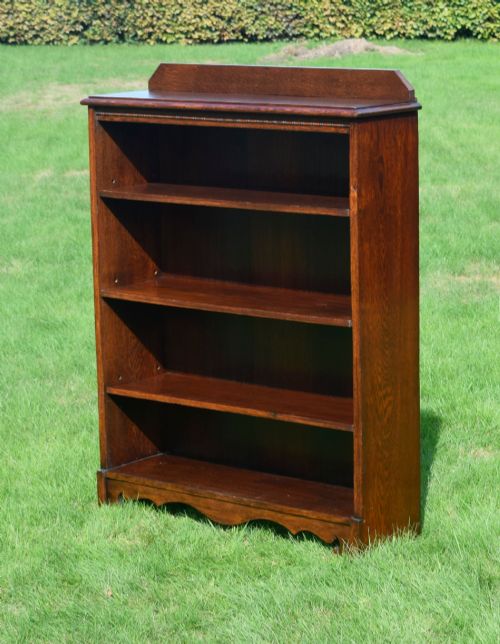
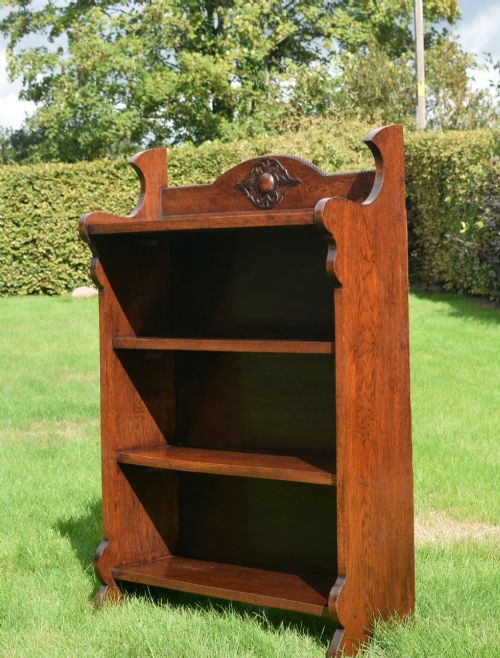
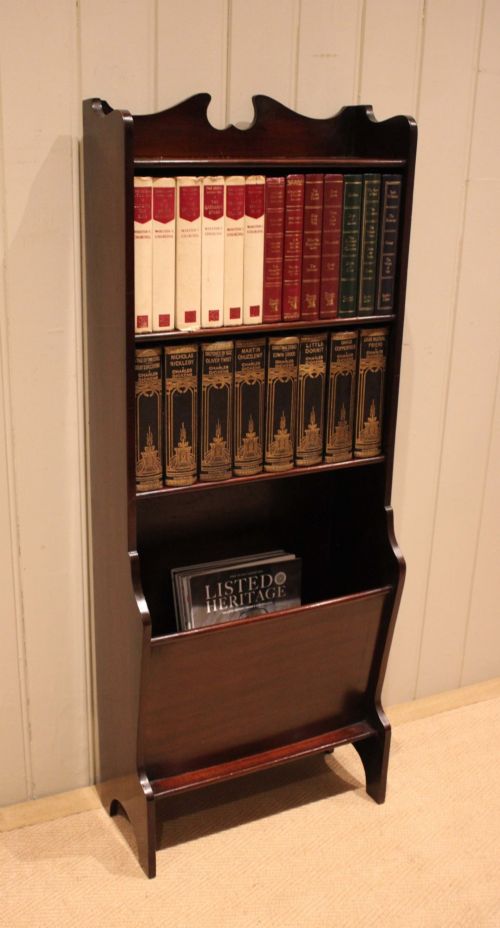
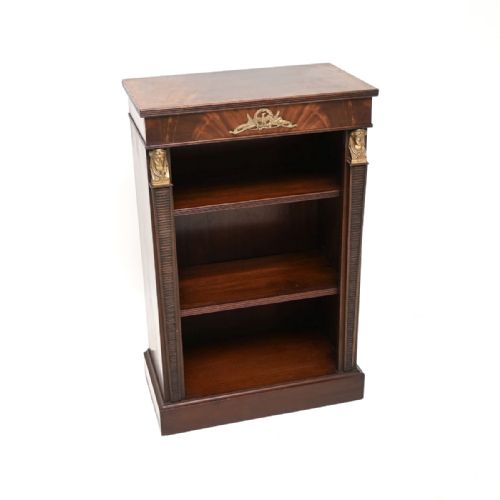
The selections span simple rustic pine designs alongside refined mahogany and oak constructions with adjustable shelves. Pieces often feature straightforward open fronts, though variations include angled sides, magazine racks, and inlaid details.
What varies in quality
The standard of timber selection and the precision of the joinery define the upper tier of these pieces, separating utilitarian items from finer cabinet work. Superior examples demonstrate careful attention to proportion, smooth operation of adjustable shelving mechanisms, and well-preserved surface patination.
Listings feature oak, mahogany, pine, walnut, satinwood, and ash across Victorian, Edwardian, and Art Deco periods.
Heals
The Vintage Low Bookshelf Glossary
- Open bookcase
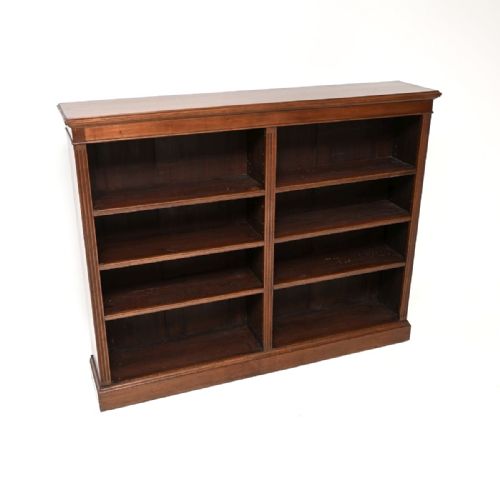
- A shelving unit without doors, designed for direct access to books and display items. This format dominates the available selection.
- Adjustable shelves
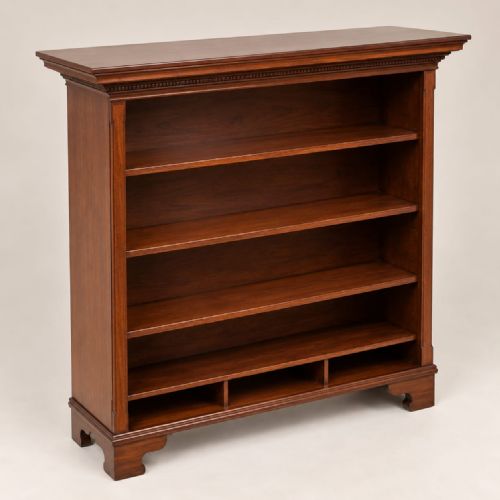
- Shelving supported by pegs or ratchets that can be repositioned at different heights. This allows the interior to accommodate volumes of varying sizes.
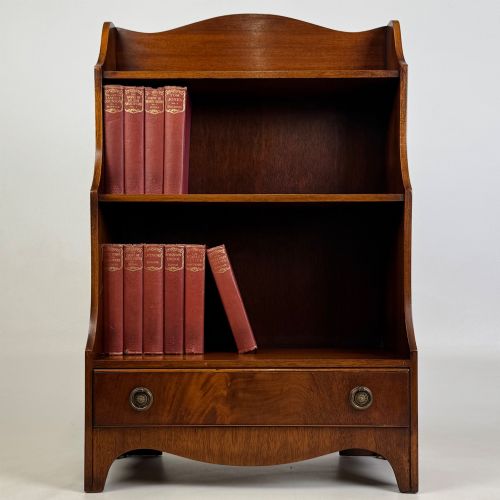
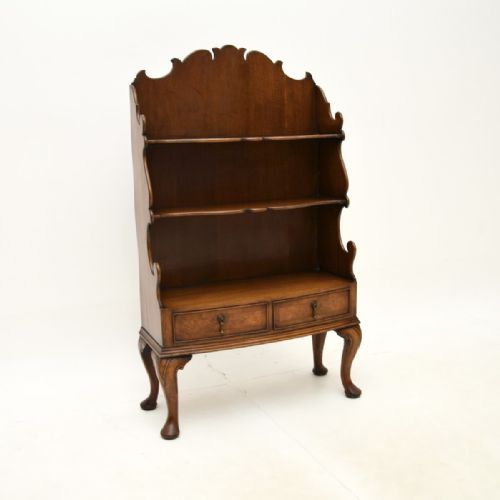
- Waterfall bookcase
- A tiered shelving unit where each level steps back progressively from the bottom to the top. It provides a distinct stepped profile.
- Inlay
- A decorative technique where contrasting woods or materials are set into the surface of the primary timber. Edwardian pieces often incorporate this detail.
Vintage Low Bookshelf: Frequently Asked Questions
How do I style a low bookshelf?
Position the piece against a wall in a living room or study where the top surface can support decorative objects or lamps alongside books. The open design allows volumes to be arranged by height or colour for visual balance.
Keep heavier reference volumes on the lower shelves to maintain stability, reserving the upper tiers for smaller reads and personal items.
What periods do these bookcases span?
The available pieces originate primarily from the Victorian and Edwardian eras, extending through the early twentieth century and into the Art Deco period. Each era introduces distinct characteristics, from late nineteenth century mahogany to 1930s ash and walnut.
Craftsmanship reflects the prevailing design movements of the time, including Arts and Crafts principles and neoclassical revival styles.
Are the shelves adjustable?
Many of the listed examples feature adjustable shelving supported by internal mechanisms, allowing the vertical spacing to be altered as needed. This adaptability accommodates oversized volumes alongside standard octavo editions.
Fixed shelving also appears on select rustic and period pieces, providing rigid structural support.
What woods were commonly used?
Oak and mahogany form the majority of the construction materials, chosen for their durability and attractive grain patterns. Walnut, pine, and ash appear frequently across different regional styles and periods.
Secondary woods and occasional painted finishes or satinwood details complement the primary timbers.