
Wooden Bookshelf
A wooden bookshelf brings order and warmth to a room, holding working libraries and treasured volumes alike.
Wooden Bookshelf
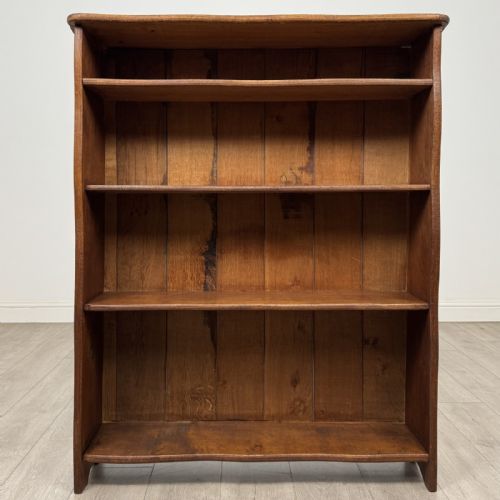
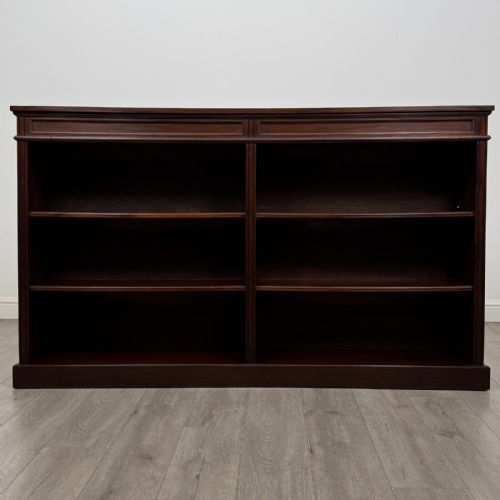
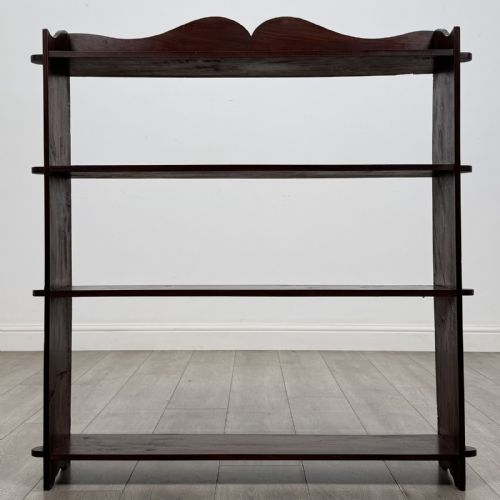
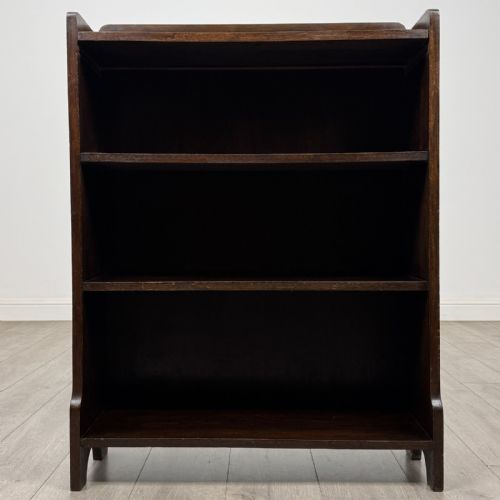
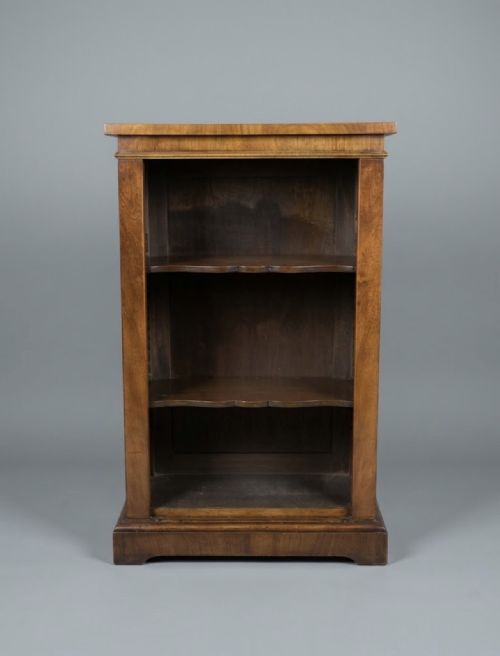
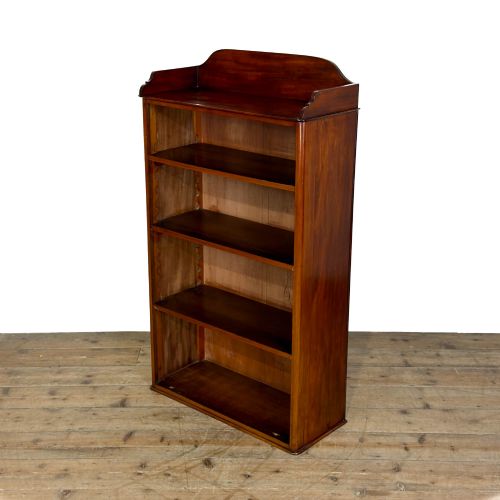
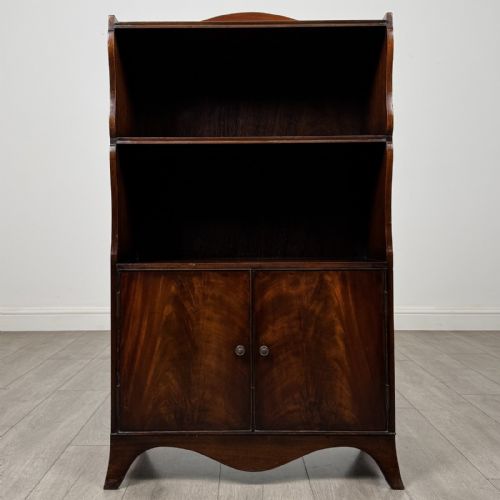
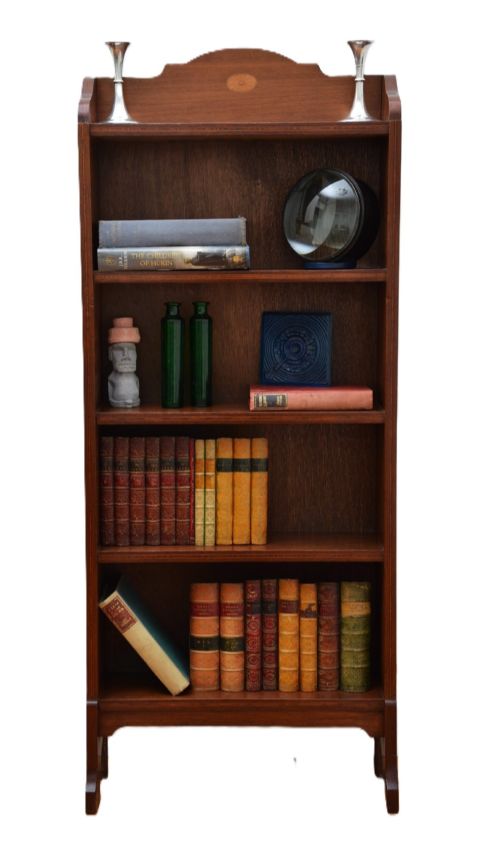
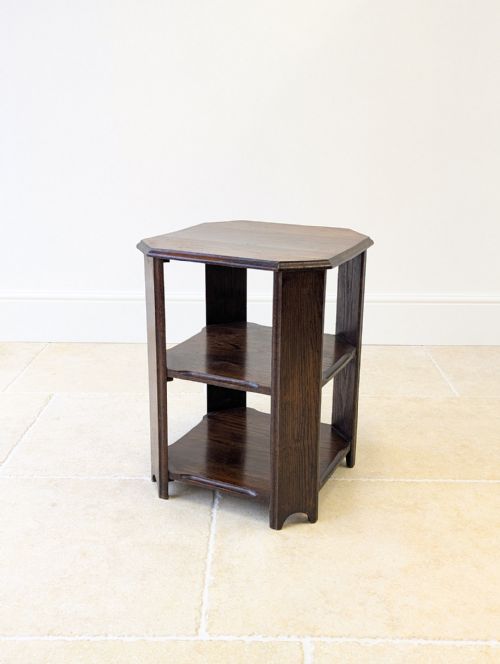
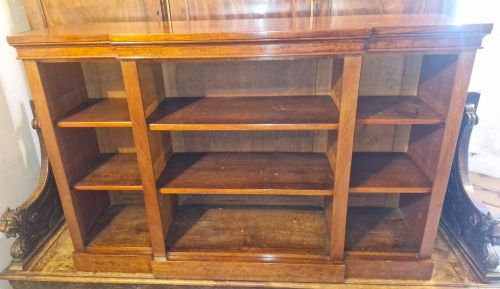
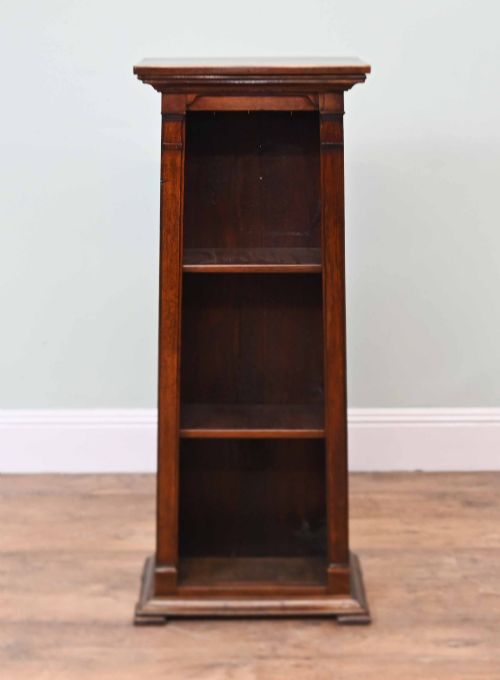
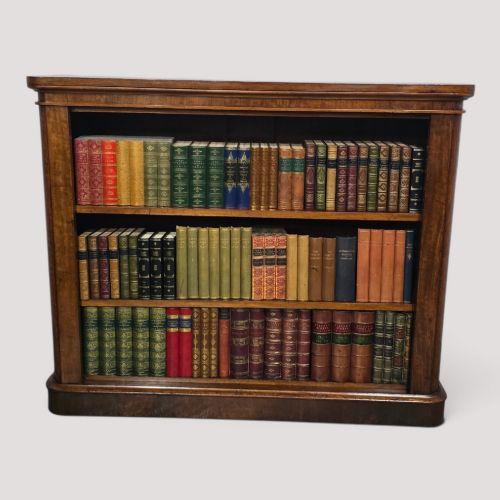
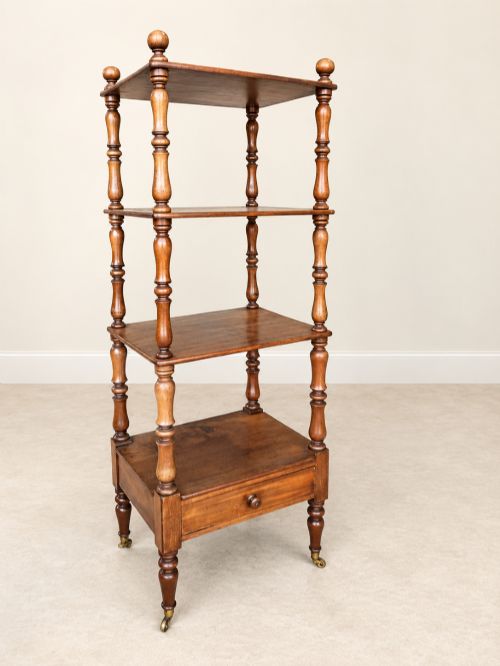
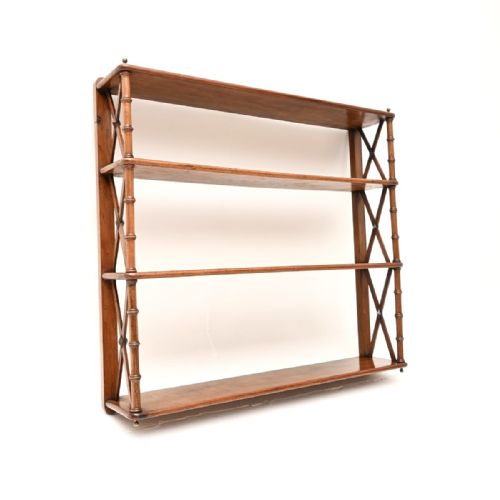
A wooden bookshelf provides practical storage for books while serving as a foundational piece of furniture in a study, library or sitting room. When searching for a wooden bookshelf, buyers encounter various forms ranging from open library bookcases and wall-mounted shelving to narrow alcove units and tiered display shelves.
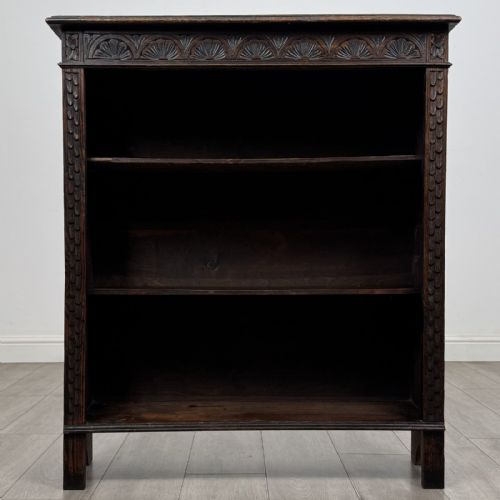
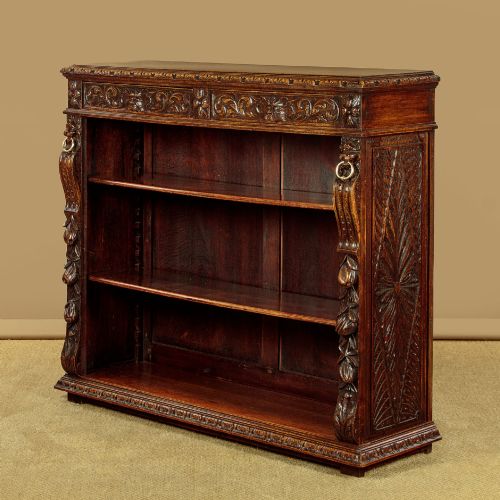
The pieces appearing on this page span several distinct historical periods, with Edwardian and Victorian examples appearing frequently alongside earlier 19th-century designs and occasional Arts and Crafts interpretations. These pieces vary from simple, rustic utility items to finely carved library fixtures with adjustable shelving.
Construction formats typically favour open fronts for easy access, though some incorporate raised galleries, inlaid decoration or associated side storage. Buyers will find that walnut, oak and mahogany dominate the available inventory, reflecting the favoured cabinet timbers of the nineteenth and early twentieth centuries.
How they were made
Cabinet makers constructed these pieces using solid timbers such as oak, mahogany and walnut, frequently selecting figured veneers like burr walnut or ash for decorative impact. Boards were joined using traditional techniques to form sturdy carcases capable of supporting heavy rows of volumes without sagging.
Shelving systems often incorporated adjustable brackets or wooden ratchets, allowing owners to alter shelf heights to accommodate varying book sizes. Brass castors, ormolu mounts and carved galleries appeared on finer examples, adding functional mobility and decorative detail to the finished furniture.
Some Victorian bookcases spent generations holding heavy ledgers before finding retirement as homes for modern paperback collections.
What varies in quality
Quality in these pieces rests primarily on the selection of timber and the integrity of the initial construction, distinguishing simple utility items from high-grade cabinet work. Finer examples display carefully matched wood grains, precise joinery and well-executed decorative carvings or inlaid stringing.
The sophistication of the shelving mechanism also marks a distinction between standard shelves and superior library bookcases designed for heavy utility. Original brass fittings, stable backboards and unwarped timber carcasses indicate a higher standard of original manufacture.
Johnstone and Jeanes
The Wooden Bookshelf Glossary
- Open bookcase
- A piece of furniture designed for book storage featuring unobstructed front access rather than glazed or solid doors. This format allows immediate visibility of book spines.
- Adjustable shelves
- Shelving that can be repositioned at different heights within the bookcase carcase using movable supports or side racks. This system accommodates volumes of varying heights.
- Raised gallery
- A low decorative railing or upstand positioned along the top surface of a piece of furniture. It prevents items placed on top from sliding off.
- Wotnot
- A multi-tiered set of open shelves used for displaying ornaments, books or small objects. These pieces date predominantly from the nineteenth century.
- Ormolu
- Gilded bronze mounts applied to furniture for decorative effect, often found on mid-nineteenth-century pieces. The technique adds metallic contrast to dark woods like walnut and mahogany.
Wooden Bookshelf: Frequently Asked Questions
How do I choose the right size?
Consider the ceiling height, wall space and the volume of books you intend to store before selecting a bookcase. Measure both the depth of the shelves and the clearance needed for larger folios.
Compact Edwardian and Victorian models suit smaller rooms, while large library bookcases require substantial wall space and sturdy floor support for heavy timber construction.
Are the shelves usually adjustable?
Many nineteenth and early twentieth-century bookcases feature adjustable shelving systems utilising wooden side notches or movable pegs. This allows you to alter the interior layout for different book sizes.
Fixed shelves also appear frequently, particularly on simpler rustic pieces or smaller wall-mounted units where height adjustment was unnecessary.
How should I care for a vintage bookcase?
Maintain stable indoor humidity levels and keep wooden furniture away from direct heat sources to prevent the timber from warping or splitting. Dust regularly with a dry cloth and apply appropriate wax polish sparingly.
Avoid overloading individual shelves beyond their capacity to protect both the timber boards and the vertical supports over time.
How do I identify the wood type?
Examine the grain pattern, colouration and weight of the timber used in the carcase and shelves. Oak displays prominent medullary rays, mahogany ranges from deep reddish-brown to lighter golden tones, and walnut shows rich, dark figuring.
Finer pieces may utilise decorative veneers like burr walnut or ash applied over secondary woods on the exterior surfaces.