



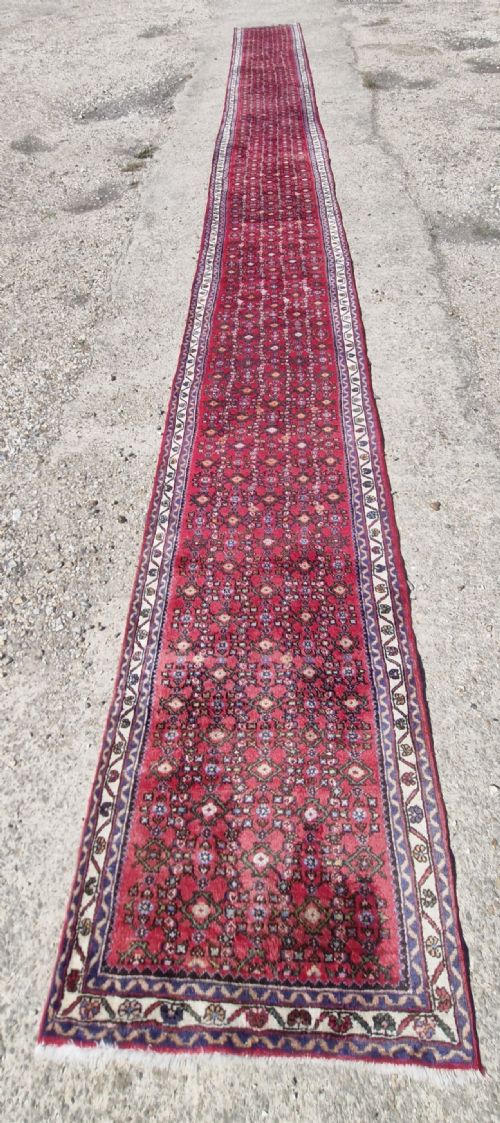
Vintage Long Carpet Runner
A vintage long carpet runner brings narrow spaces to life with rich patterns and deep dye work.
Vintage Long Carpet Runner
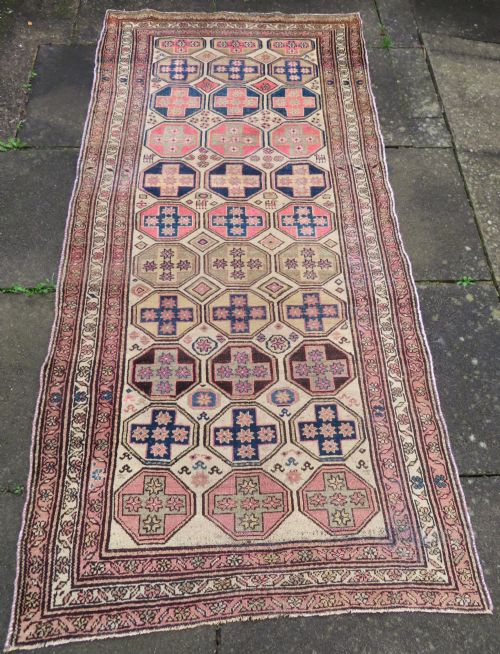
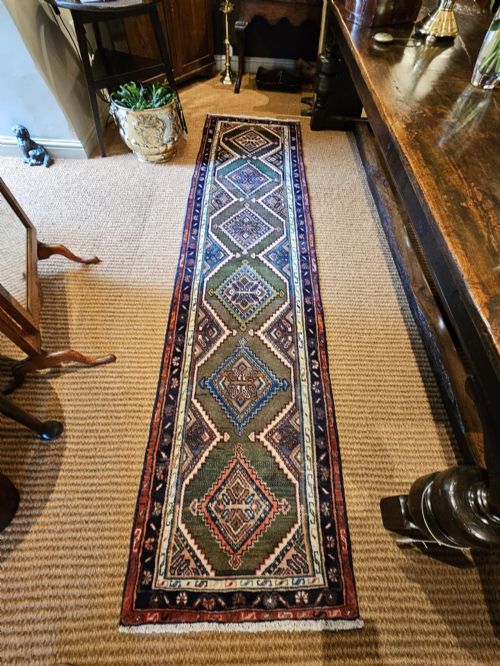
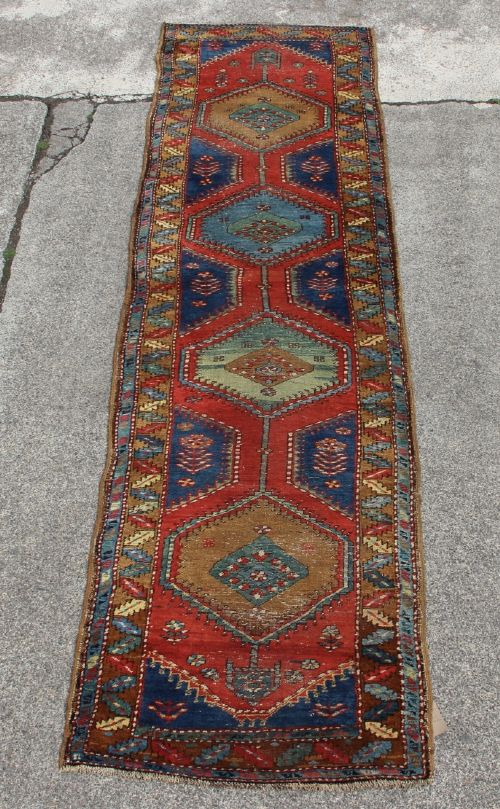
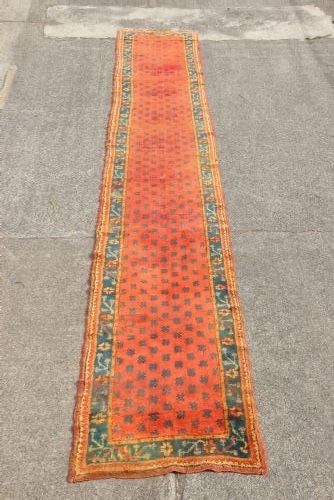
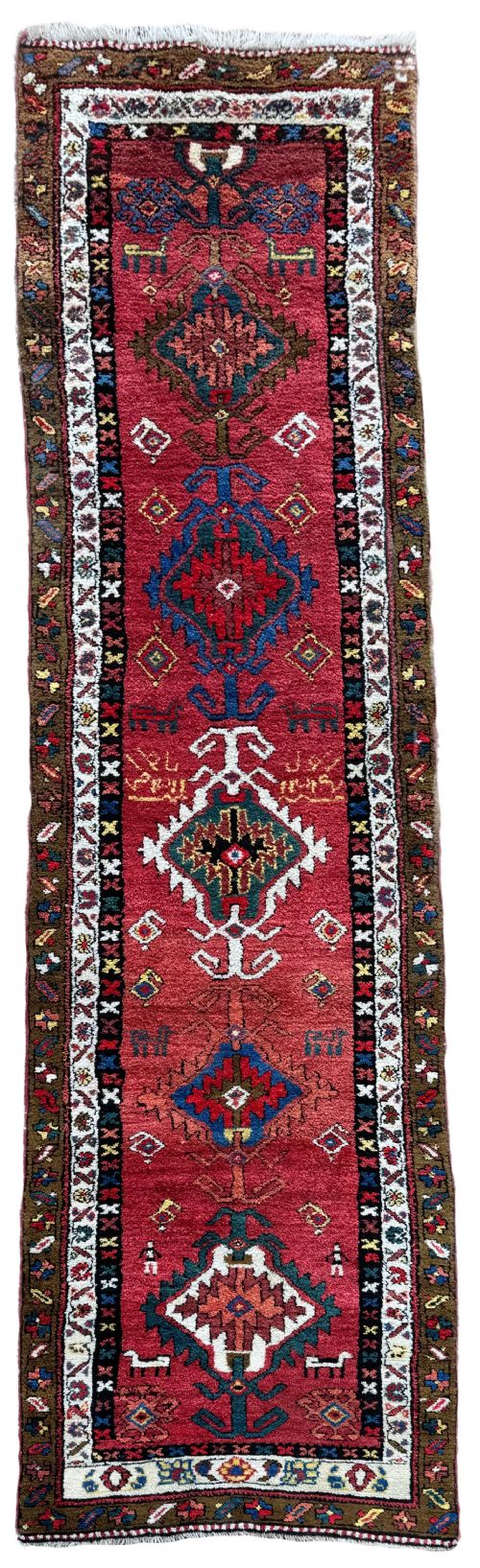
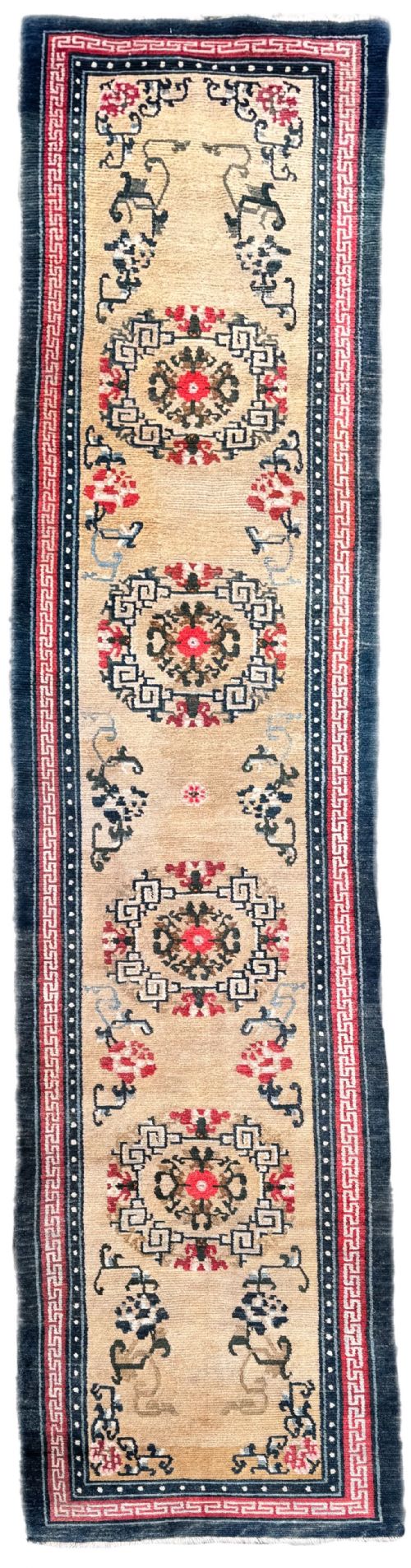
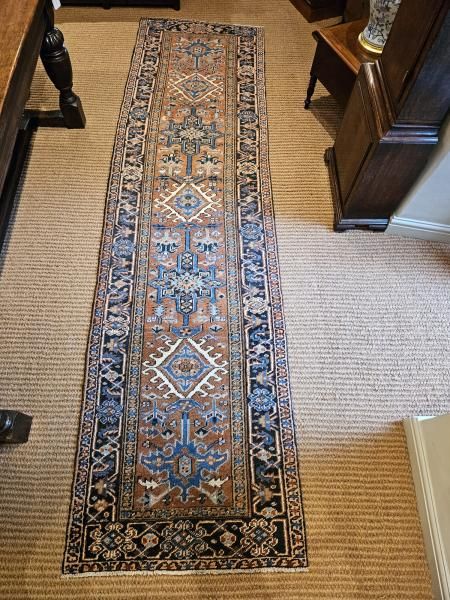
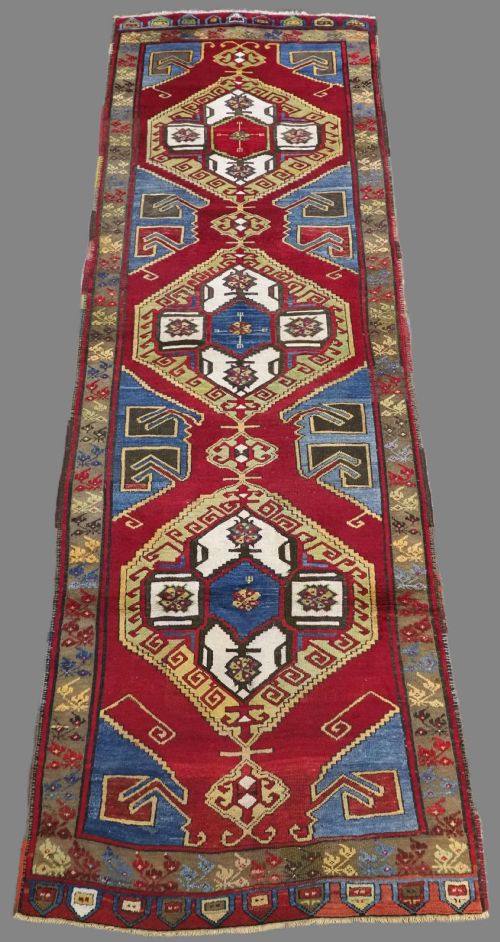
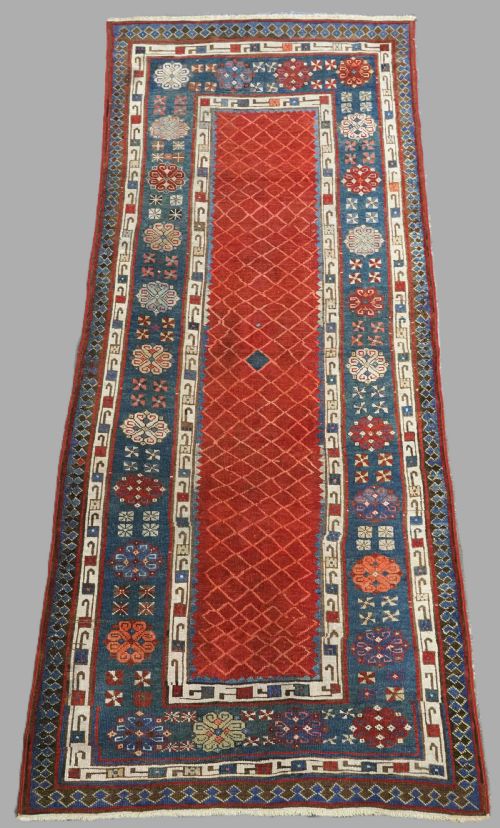
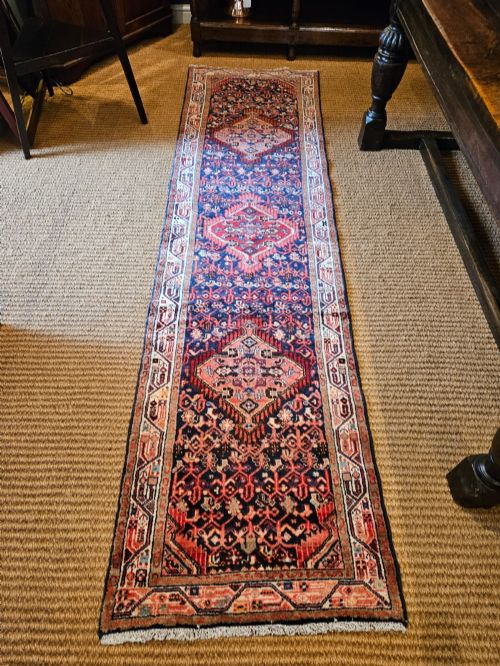
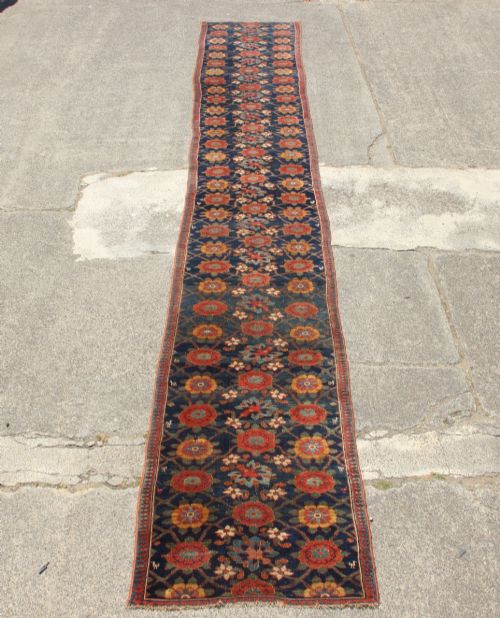
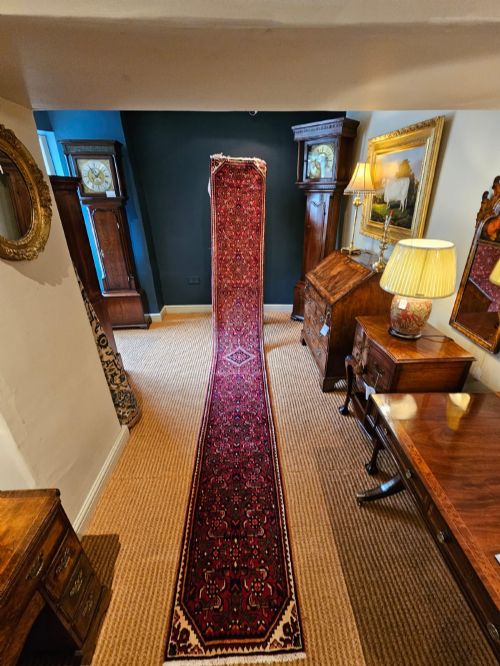
A vintage long carpet runner search brings up narrow floor coverings designed for corridors, halls and landings. These textiles span from the mid nineteenth century through the early twentieth century, originating from Persian, Turkish, Caucasian and Kurdish weaving traditions. The items on this page emphasise length and narrow proportions suited to traditional hallways.
Makers focused on utility combined with tribal or geometric designs to withstand heavy footfall in domestic spaces. The pieces range from compact village examples to grand thirty-foot hall lengths woven in wool. Buyers encounter various regional aesthetics, from Heriz geometry to Oushak curves.
Materials and construction
Weavers relied on wool, hand-spun wool and cotton foundations to build durable floor coverings. Natural dye stuffs provided the deep navy, olive and red tones seen across the inventory. Hand-knotting techniques secured the pile to warps and wefts.
Village and tribal workshops utilised upright looms to construct these heavy runners. The structural integrity depends on tight knot density and sturdy cotton or wool fringe bindings.
Listings feature pieces spanning from the mid nineteenth century up through the 1960s, constructed predominantly from wool and cotton.
Assessing quality
Quality rests in the crispness of the tribal design and the handling of the wool pile. Tighter knots and finer hand-spun wool yield a resilience that holds up under long-term corridor use. Abrash, or natural tonal variation in the dye, adds depth to superior pieces.
The precision of geometric borders and the integrity of the foundation threads separate standard village pieces from finer workshops. Condition plays a role, though natural wear often enhances the character of older tribal floor coverings.
The Vintage Long Carpet Runner Glossary
- Runner
- A long, narrow carpet designed specifically for hallways, stairs and corridors. These pieces measure significantly longer than they are wide.
- Kelleh
- A distinctive format of Oriental rug that is longer than a standard rug but broader than a traditional corridor runner. Collectors prize these for specific room proportions.
- Abrash
- Subtle horizontal colour variations caused by differences in dye batches or wool lots. This variation indicates natural dyeing methods.
- Warp
- The vertical foundation threads stretched tightly on the loom before knotting begins. The fringe typically forms from these extension threads.
- Weft
- The horizontal threads passed through the warps to hold the knots in place. Together with warps, they form the structural grid of the textile.
Vintage Long Carpet Runner: Frequently Asked Questions
Where should I place a long runner?
These narrow textiles suit hallways, grand landings, and long galley kitchens where floor protection and warmth are needed.
Their elongated proportions guide the eye down a passage while softening wooden floorboards.
How do I care for wool runners?
Regular gentle vacuuming without a beater bar keeps dust from settling into the hand-knotted pile.
Professional cleaning tailored to antique textiles preserves the natural lanolin in the wool.
What is the difference between Kurdish and Heriz runners?
Kurdish examples typically display looser tribal patterns and softer wool structures from village workshops.
Heriz pieces feature more structured geometric medallions and bolder rectilinear layouts.
How can I tell the age of a runner?
Examination of the dyes, wool quality, and fringe construction reveals clues about the period of manufacture.
Natural dye variations and hand-spun textures usually point to nineteenth or early twentieth-century origins.