
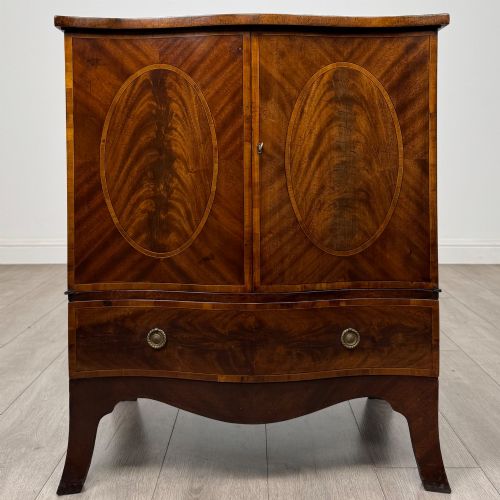
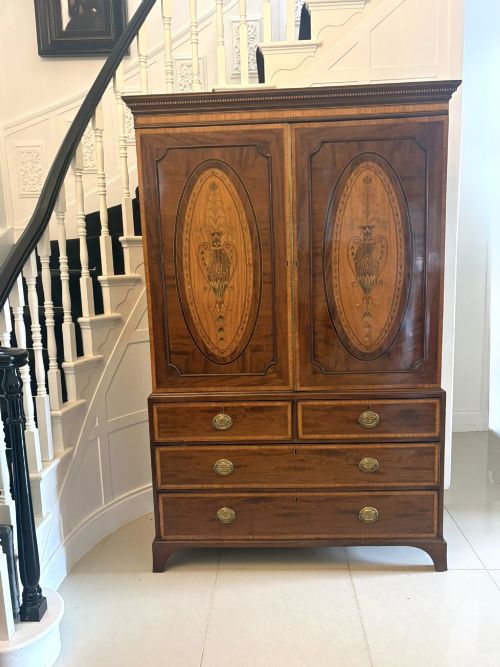
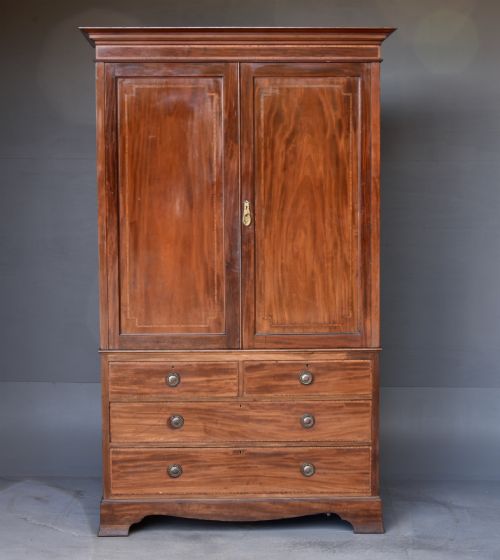
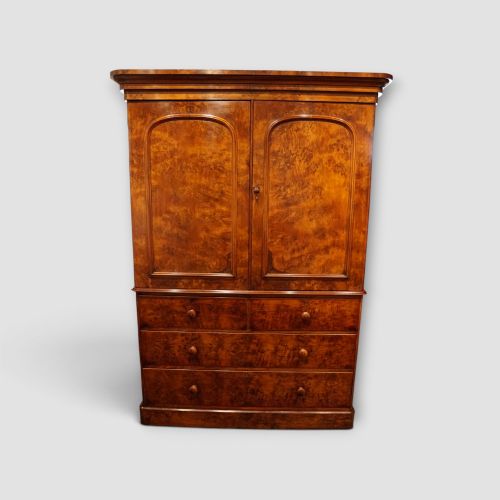
Vintage Linen Press Wardrobe
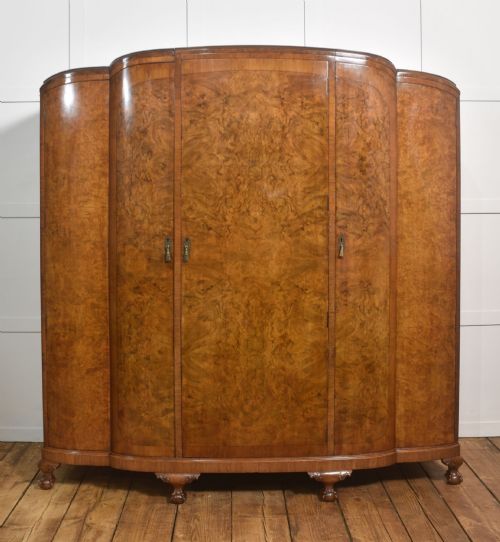
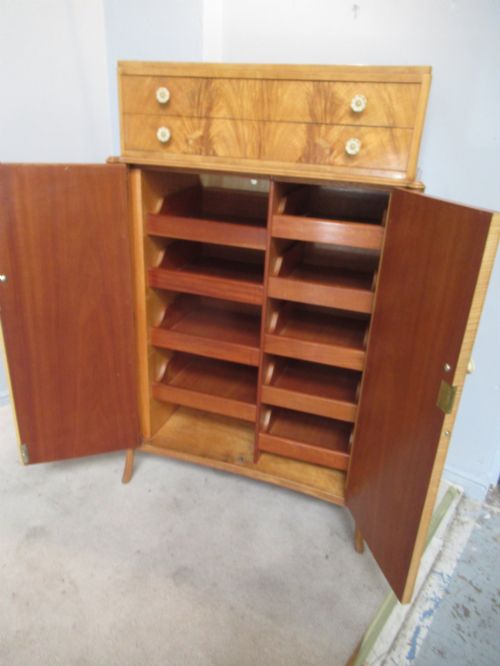
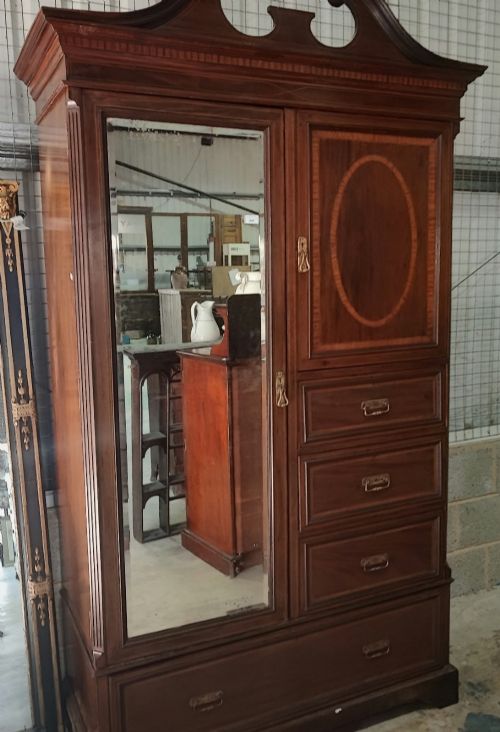
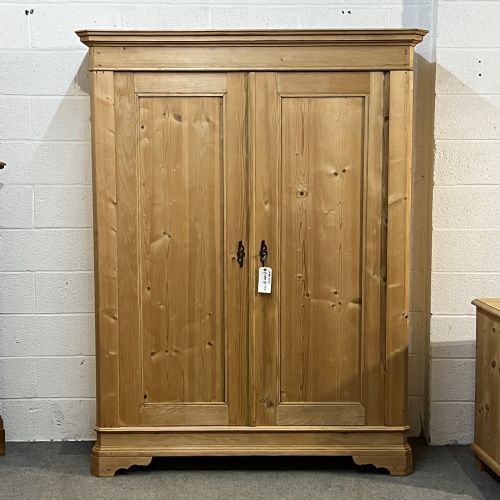
A vintage linen press wardrobe provides deep storage through a combination of hanging space and sliding interior trays.

Vintage Linen Press Wardrobe
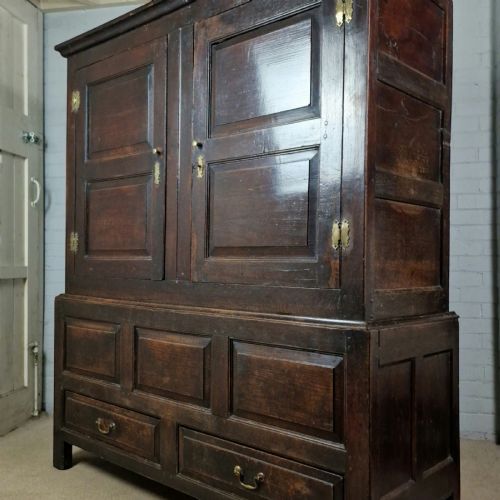
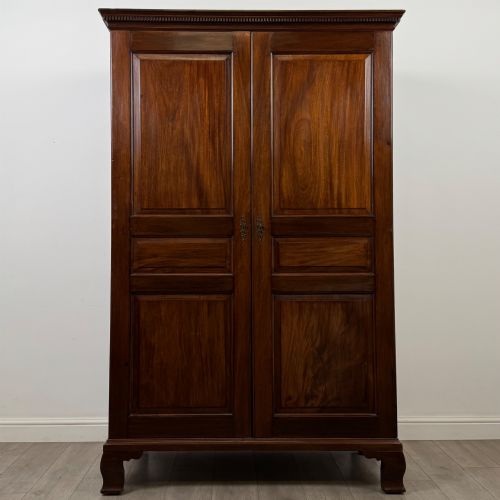
A vintage linen press wardrobe combines the traditional utility of a linen press with the hanging capacity of a full wardrobe. When searching for a vintage linen press wardrobe, buyers encounter pieces spanning the nineteenth century through to the nineteen-thirties, reflecting diverse regional tastes and cabinet-making traditions.
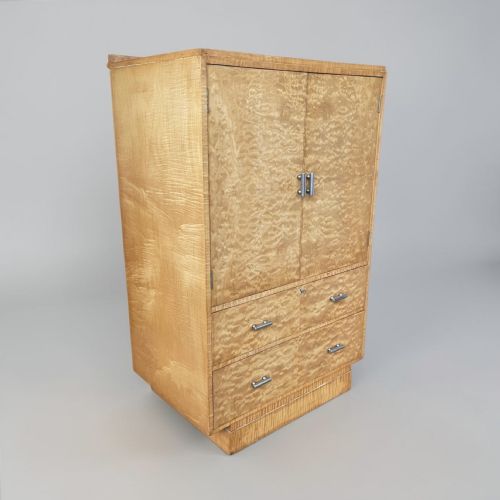
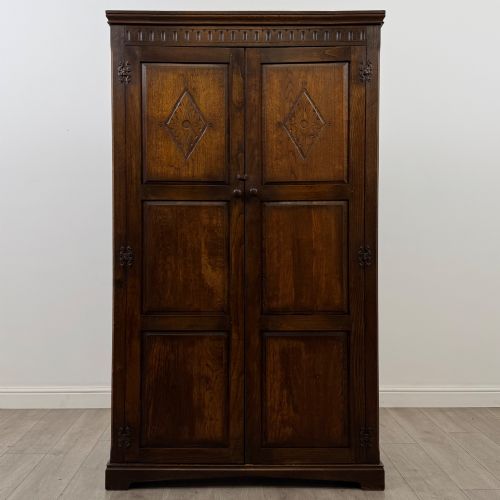
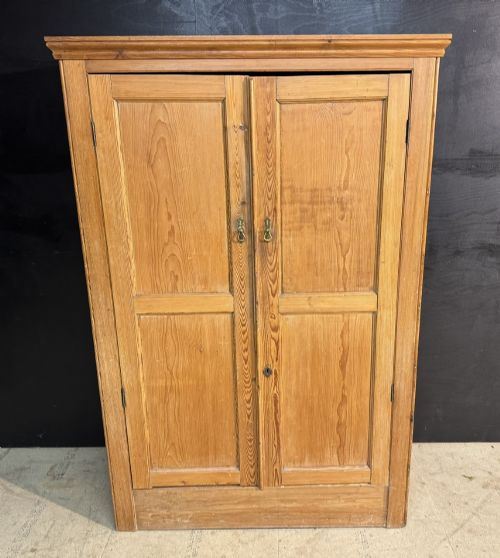
Materials range from figured mahogany and burr walnut to practical pine, oak, and satinwood. These storage items serve bedrooms and hallways, offering substantial capacity for garments and linens alike.
Construction and materials
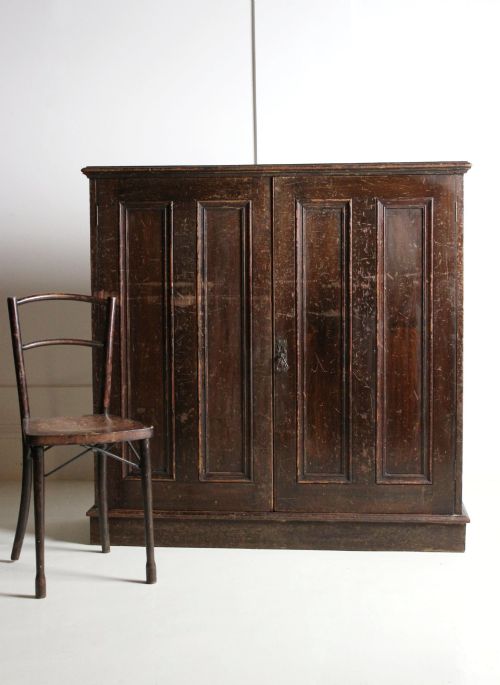
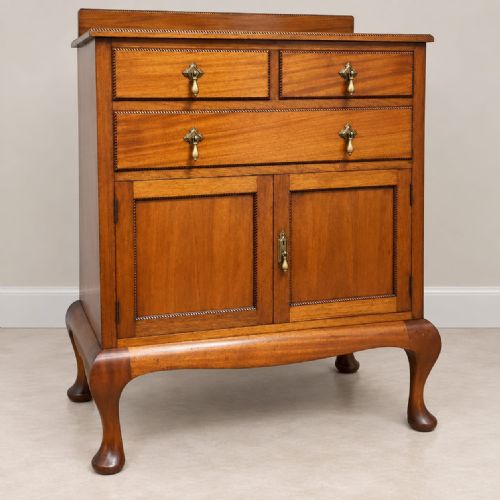
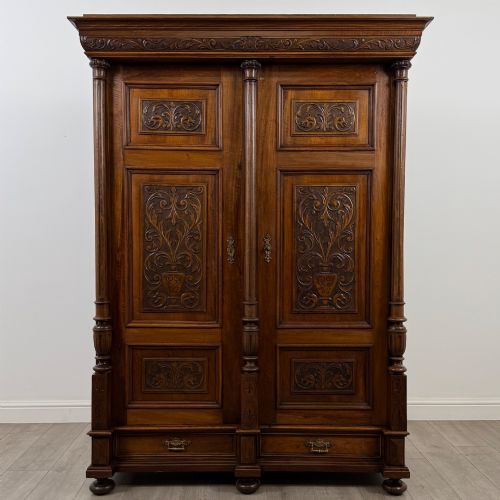
Cabinet makers utilised solid timbers such as oak and pine for structural carcass work, applying choice veneers of mahogany, burr walnut, and satinwood to visible exterior surfaces. Surface decoration often incorporates boxwood stringing, brass hardware, and painted finishes including scumble faux oak work and Chinoiserie lacquer.
Interior architecture relies on traditional joinery techniques, featuring sliding linen trays, hand-dovetailed drawer construction, and panelled doors. Later twentieth-century pieces occasionally introduce mirrored glass panels and compactum internal layouts to maximise utility.
Listings feature mahogany, pine, oak, walnut, satinwood, and brass across nineteenth-century and early twentieth-century periods.
Assessing craftsmanship and condition
Quality reveals itself in the selection of timber veneers and the precision of inlaid details like satinwood or blind fretwork cornices. Superior examples display consistent grain patterns across large surfaces and seamless integration of decorative elements.
Structural integrity depends on the retention of original hardware, brass fittings, and working locks alongside smooth-running drawers and sliding trays. Altered cornices, replaced feet, or degraded surface finishes shift an item away from the standard set by primary makers.
maples & co·Edwards and Roberts·HARRIS LEBUS
The Vintage Linen Press Wardrobe Glossary
- Compactum
- A multi-compartment wardrobe combining hanging space, shelves, and internal drawers within a single carcass. This configuration appeared frequently in Edwardian and later twentieth-century designs.
- Tallboy
- A tall chest of drawers standing on a separate lower base or forming a unified high cabinet. These pieces provide vertical storage capacity in rooms with limited floor space.
- Blind Fretwork
- Carved ornamentation applied to a flat surface in geometric or interlocking patterns without piercing right through the timber. It frequently decorates the cornices of eighteenth and nineteenth-century mahogany pieces.
- Scumble Paintwork
- A decorative surface technique using translucent glazes dragged or textured over a prepared ground to simulate natural wood grain. It appears on utility pieces from the nineteenth century.
Vintage Linen Press Wardrobe: Frequently Asked Questions
What is a linen press wardrobe?
A linen press wardrobe is a tall storage cabinet that historically housed folded textiles in upper sliding trays while offering space for hanging garments or additional drawers below. It bridges the gap between a traditional linen cupboard and a modern wardrobe.
These pieces emerged to protect household linens from dust and dampness before fitted bedroom furniture became common. Today, they serve a similar dual storage purpose in traditional and contemporary interiors.
Will a linen press fit my room?
These wardrobes are substantial items designed for rooms with generous ceiling heights and adequate floor space. Many nineteenth-century versions, particularly larger pine examples, were built as knockdown units to facilitate transport and installation.
Checking overall dimensions and internal clearance depth ensures the piece accommodates modern coat hangers and fits through standard doorways.
How do I care for antique wood?
Maintaining wood surfaces involves keeping furniture away from direct heat sources and fluctuating humidity to prevent timber splitting or veneer lifting. Regular dusting with a dry, soft cloth preserves the original polish.
Occasional application of appropriate wax feeds traditional finishes like mahogany and walnut without building up sticky residues. Avoid harsh chemical cleaners that strip historic wax or varnish.