


Vintage Lighting Stand
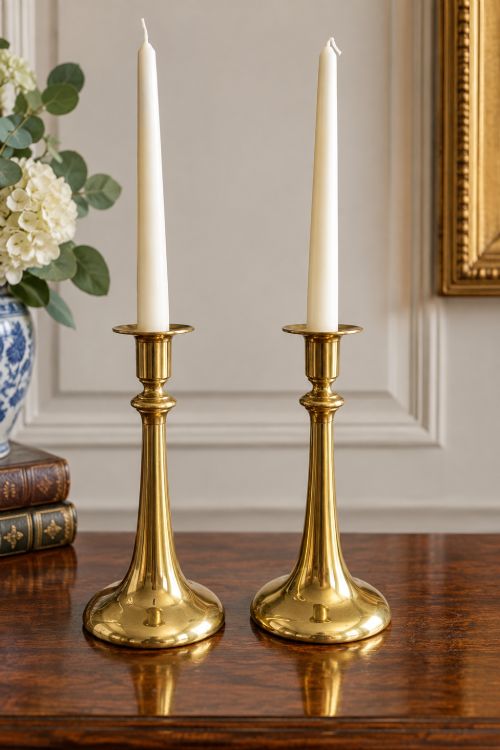
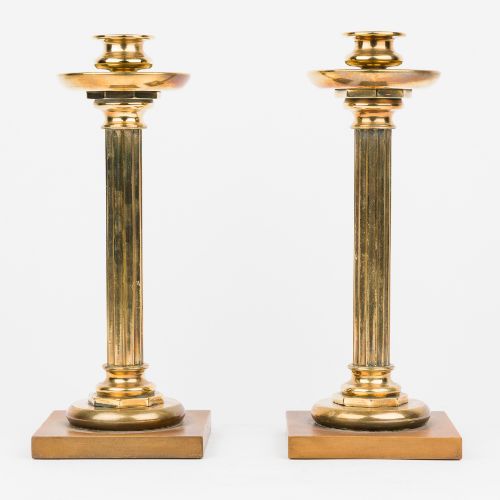
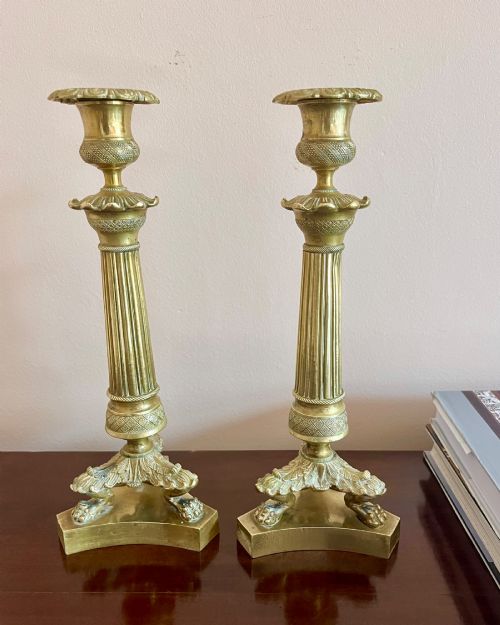
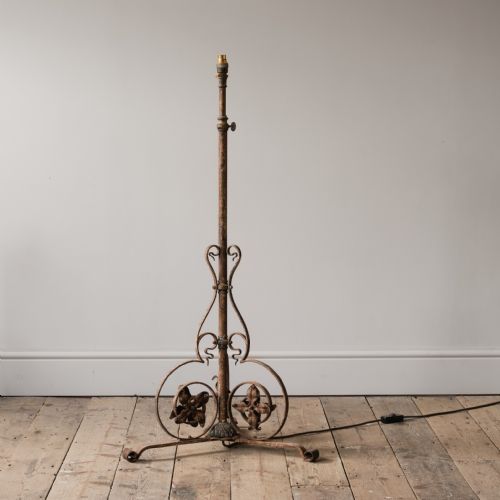
These vintage lighting stand options range from towering floor lamps to heavy brass candlesticks that bring height and period character to a room.
Vintage Lighting Stand
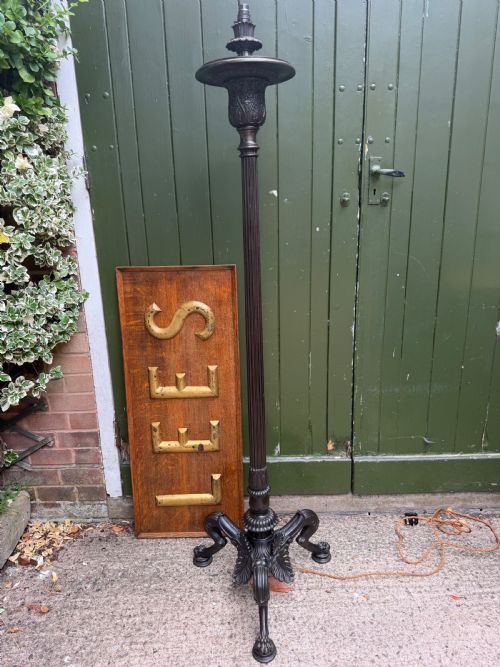
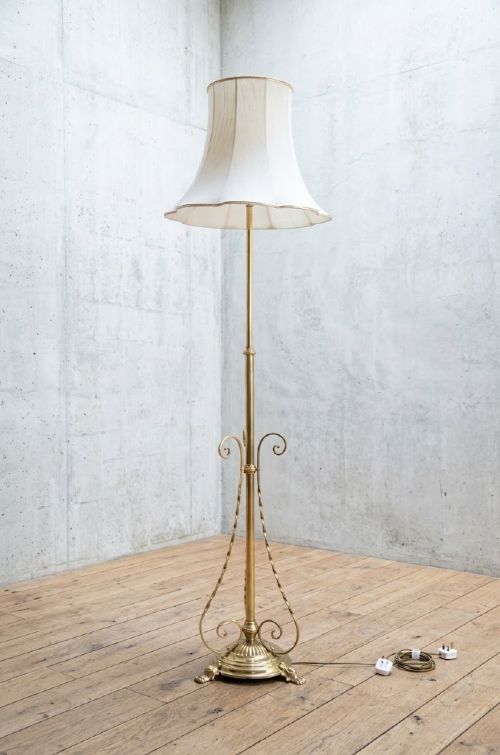
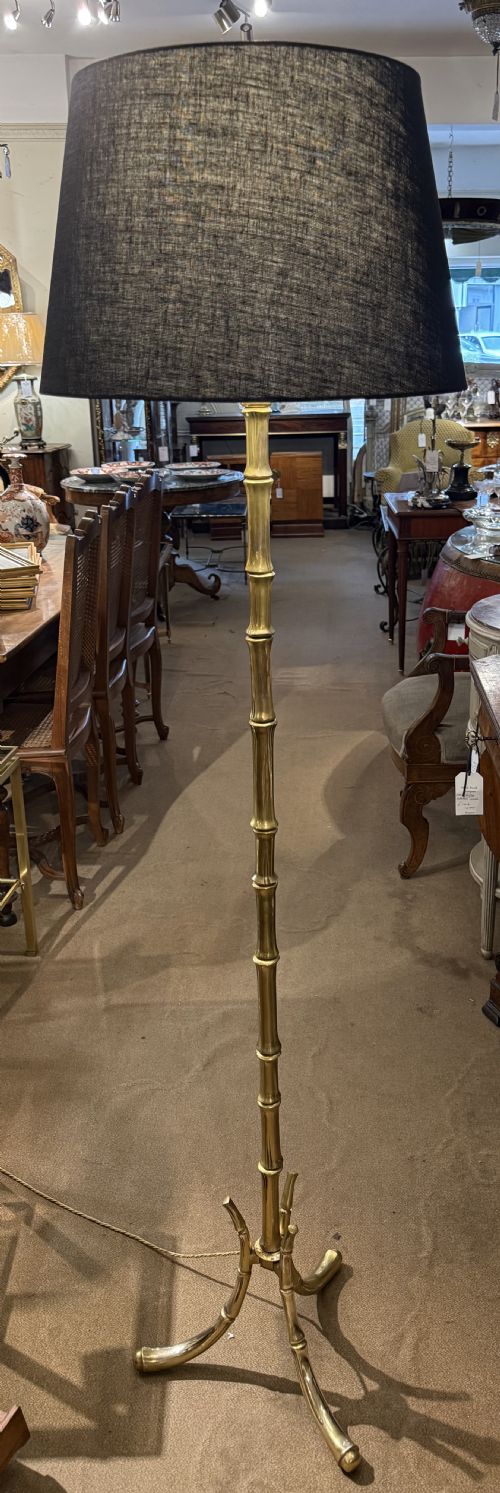
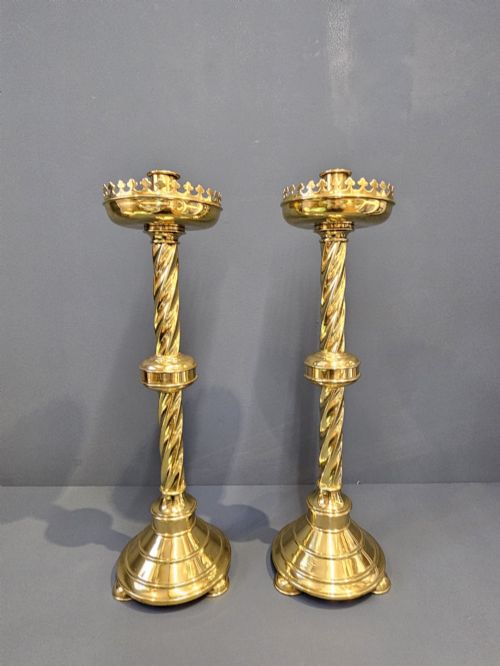
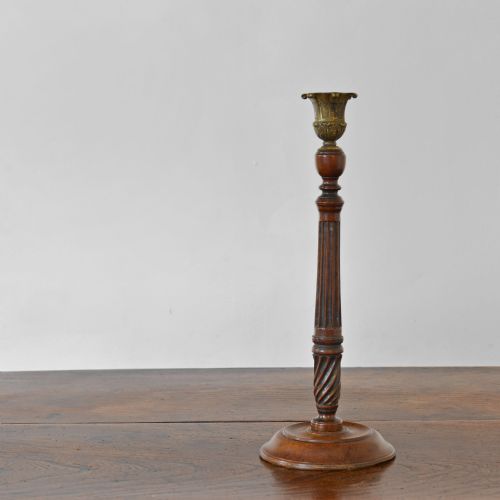
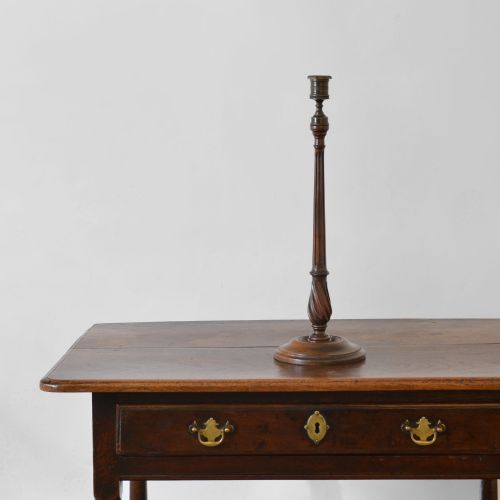
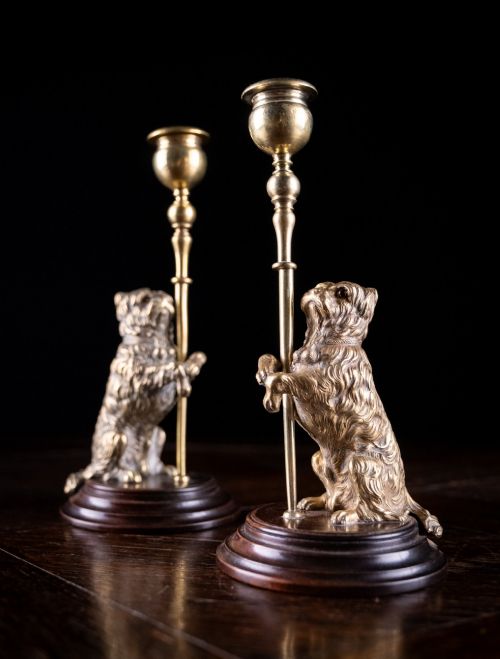
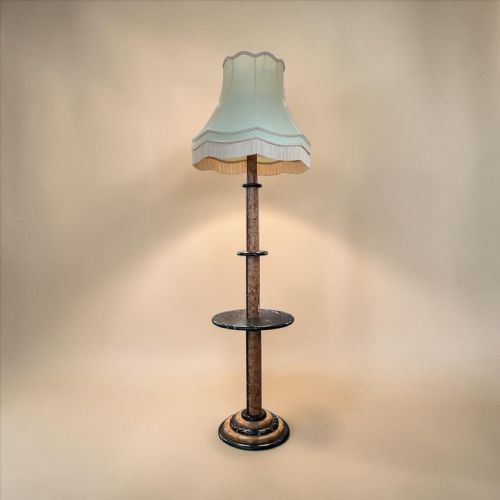
A vintage lighting stand encompasses tall floor lamps, standard lamps, and table-top candlesticks designed to elevate a light source within a room. When searching for a vintage lighting stand, buyers frequently encounter heavy brass standard lamps, adjustable floor models, and turned wooden candlesticks spanning the Georgian, Victorian, and Edwardian eras.
The selection extends across styles from Arts and Crafts and Art Deco to ornate Gothic Revival and French Empire forms. Tall floor-standing examples often incorporate adjustable mechanisms or tripod bases, while table variants include classical columns and figural pairs.
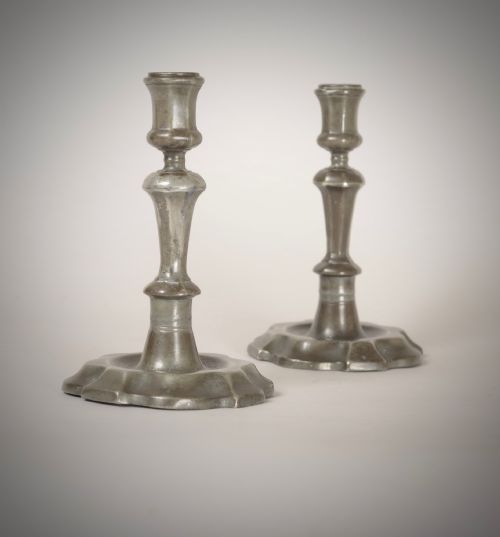
Materials range widely across the inventory, uniting oak, mahogany, satinwood, and marble with polished brass, bronze, and pewter. Certain pieces integrate small tables or shelving directly into the upright stand design.
How they were made
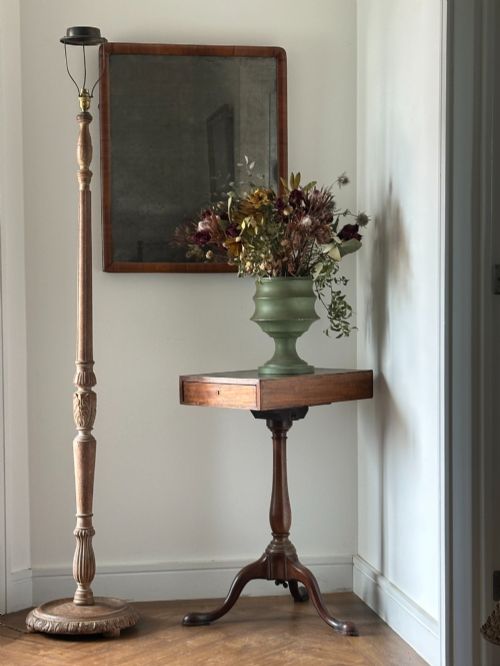
Makers utilised cast and forged metals including brass, bronze, and iron for structural uprights, frequently employing adjustable screw mechanisms or heavy weighted bases for stability. Woodworkers turned solid oak, mahogany, and satinwood on lathes to create slender stems, sometimes finishing them with carved details or Chinoiserie decoration.
Surface treatments play a vital role in the construction, featuring gilt bronze or ormolu plating, patinated iron, limed oak finishes, and hand-applied lacquer. Fabric elements and vellum appear on shades paired with standard lamps, while smaller candlesticks utilise socket construction and weighted interiors.
The inventory records pieces spanning the Georgian, Victorian, and Edwardian periods, utilising materials from solid oak and mahogany to cast brass and marble.
What varies in quality
The distinction between standard examples and the finest pieces rests on the weight of the metal casting and the precision of the turning in wood. Superior floor lamps exhibit robust gauge brass, secure height adjustment mechanisms that hold firm without slipping, and well-balanced heavy bases.
Design sophistication also dictates standing in the range, separating plain turned stems from finely chased ormolu mounts, sculptural figural elements, and elaborate Arts and Crafts or Art Deco ornamentation. Original surface patination and intact structural joinery mark the upper tier of surviving examples.
Maison Bagues·Nymphenburg
The Vintage Lighting Stand Glossary
- Standard lamp
- A tall floor-standing lamp base designed to support a shade and illuminate a room from standing height. These often feature weighted bases to prevent tipping.
- Ormolu
- Finely ground high-carat gold-mercury amalgam applied to a bronze or brass base. This technique produces a rich golden decorative surface seen on high-end period pieces.
- Pricket candlestick
- A candle holder featuring a sharp metal spike upon which the candle is impaled rather than sitting inside a socket. This medieval form reappears in later revival styles.
- Chinoiserie
- European decorative style employing imitation Chinese motifs and lacquer techniques. It appears on painted wooden standards from the early twentieth century.
- Bidri ware
- Metal handicraft originating from India involving a blackened metal alloy inlaid with contrasting sheet silver. Pieces from this tradition occasionally surface as figural candlesticks.
Vintage Lighting Stand: Frequently Asked Questions
How do I wire a vintage floor lamp?
Rewiring typically involves running modern three-core flex up through the central hollow stem or alongside the upright rod. A qualified electrician should install contemporary lamp holders and ensure proper earthing on metal stands.
Original switches can often be retained for appearance while updating the internal wiring to meet current safety standards without altering the exterior aesthetic of the stand.
What is the difference between a standard lamp and a candlestick?
Standard lamps are tall floor-standing fixtures engineered to hold a shade at upper room levels for ambient lighting. Candlesticks are shorter, heavier items built to support wax candles on tables or sideboards.
Floor lamps usually incorporate weighted bases or tripod legs for structural stability, whereas candlesticks rely on a compact, dense foot to support a much smaller vertical load.
How do I date an antique brass lighting stand?
Dating relies on examining the construction marks, assembly screws, and base weighting methods used in the metalwork. Georgian and Victorian examples frequently show hand-finishing file marks and threaded components distinct from later twentieth-century manufacturing.
Stylistic cues such as Corinthian columns, neoclassical urns, or heavy paw feet also align specific stands with periods like the Regency or Arts and Crafts movement.
Are wooden floor lamps stable on carpet?
Wooden floor lamps with wide tripod bases or heavy circular wooden feet offer reliable stability on flat surfaces. Taller turned standards require careful placement to ensure the centre of gravity remains secure.
Heavier hardwood models made from oak or mahogany provide natural ballast, though thin-stemmed stands benefit from placement away from heavy footfall areas.