


Vintage Library Writing Desk
A vintage library writing desk brings steady timber and functional writing space straight from historic rooms into daily use.
Vintage Library Writing Desk
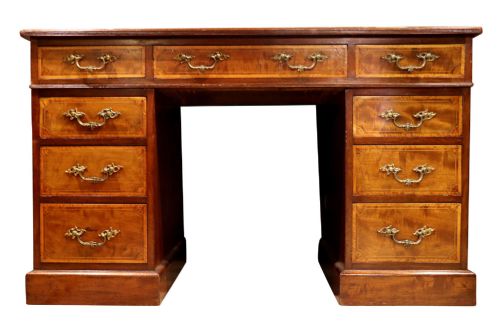
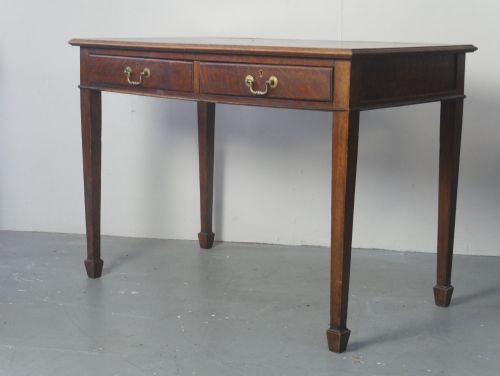
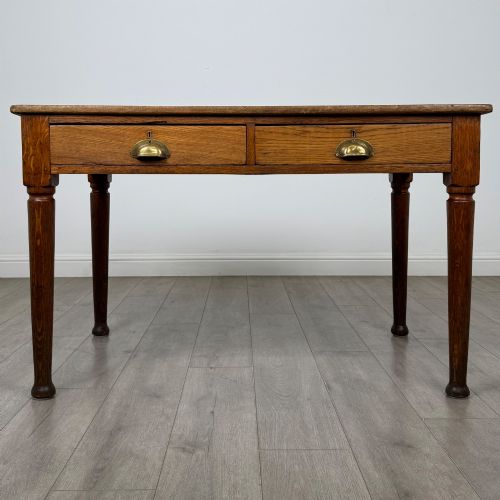
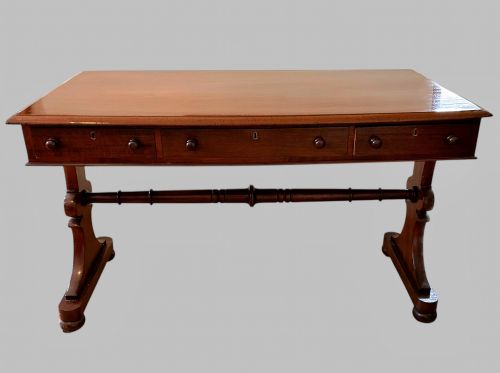
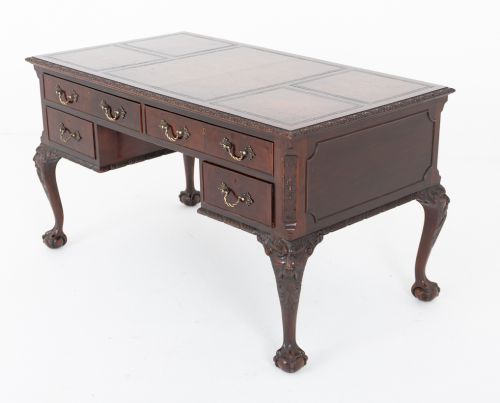
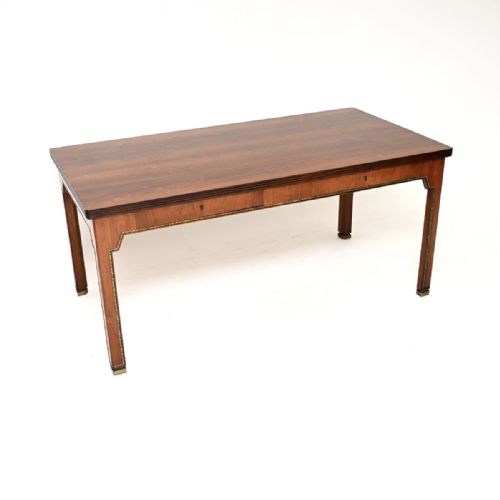
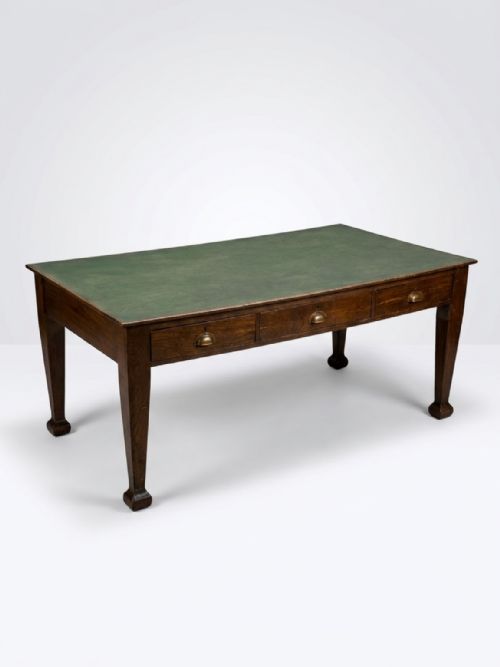
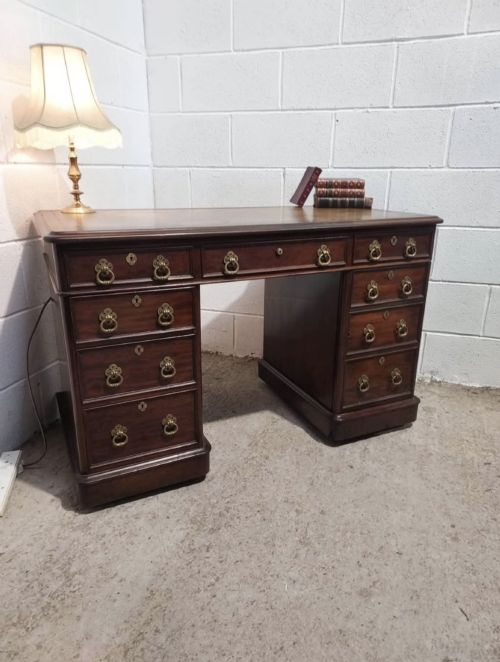
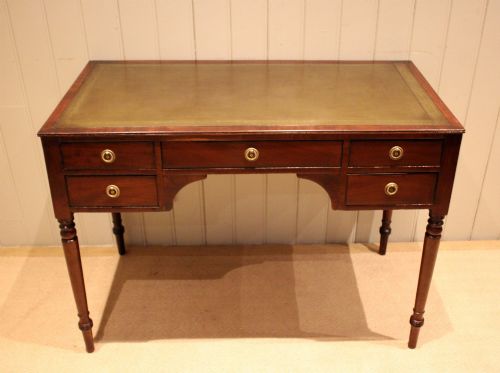
A vintage library writing desk covers substantial timber furniture built for study, administration and reading across the nineteenth and twentieth centuries. Buyers seeking a vintage library writing desk most frequently encounter large partners desks, writing tables and pedestal forms in mahogany and oak.
The pieces emerge from periods spanning Regency, Victorian, Edwardian and early twentieth-century workshops. Makers produced everything from compact writing tables to grand library tables designed to sit freestanding in the middle of a room.
Many examples incorporate inset leather surfaces, multiple drawer configurations and drop flaps. These furnishings served institutional libraries, public schools, great houses and estate offices alike.
Materials and construction
Cabinetmakers utilised robust timber carcasses built principally from mahogany, oak, walnut and burr walnut. Hardwoods formed the structural frames and drawer linings, ensuring long-term durability for heavy daily administration.
Writing surfaces frequently received inset panels of tooled leather to provide a smooth plane for writing. Brass handles, escutcheons and original castors completed the construction, allowing heavy pedestal and partner desks to move when needed.
Estate desks often reveal ink stains inside drawers left by nineteenth-century clerks who hurried their correspondence before the evening post.
Judging quality
Quality rests upon the selection of timber grain, the precision of cabinet joinery and the integrity of original hardware. Superior examples display figured mahogany or burr walnut veneers matched across drawer fronts and tops.
Makers known for exceptional joinery distinguish the upper tier of desks through refined carving, sturdy drawer construction with hand-cut dovetails and original brass fittings that bear maker stamps.
Trollope and Sons·Edwards and Roberts·Maple and Co·Whytock and Reid·Holland and Sons·CH Jeanselme and Co
The Vintage Library Writing Desk Glossary
- Partners desk
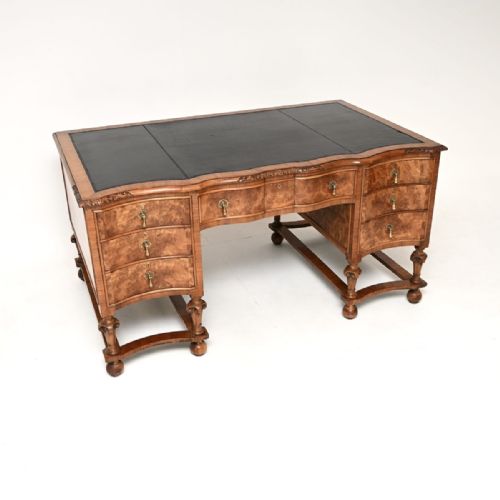
- A large pedestal desk designed with drawers and cupboards on both opposing sides to accommodate two people working face to face. These forms usually feature generous proportions and leather-lined tops.
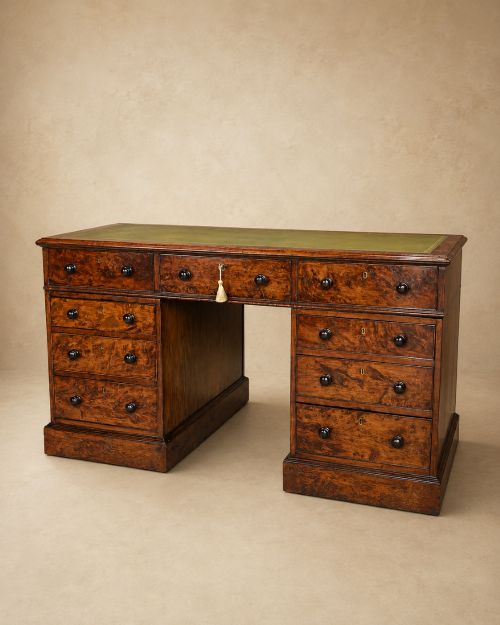
- Pedestal desk
- A heavy writing desk supported by two banks of drawers beneath the work surface, commonly associated with Victorian and Edwardian libraries. They provide extensive storage alongside a central writing space.
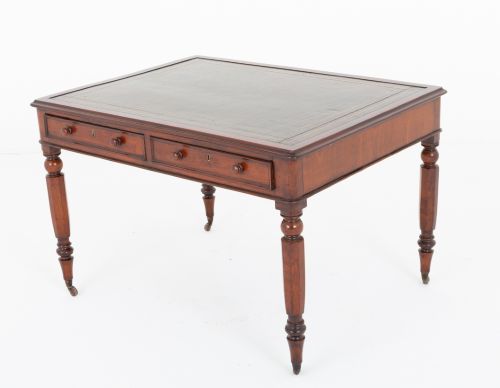
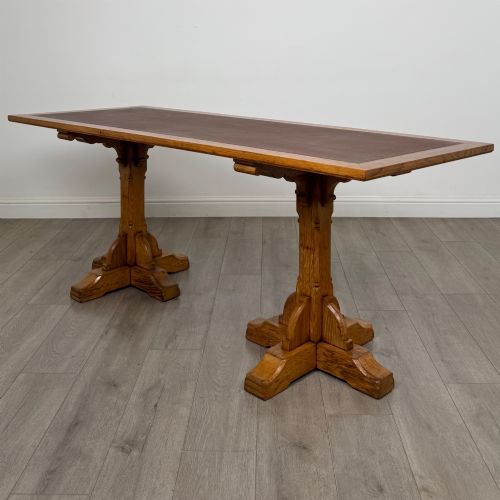
- Library table
- A large freestanding table utilised for reading and sorting papers rather than enclosed storage with drawers. They appear in oak, mahogany and walnut across various nineteenth-century periods.
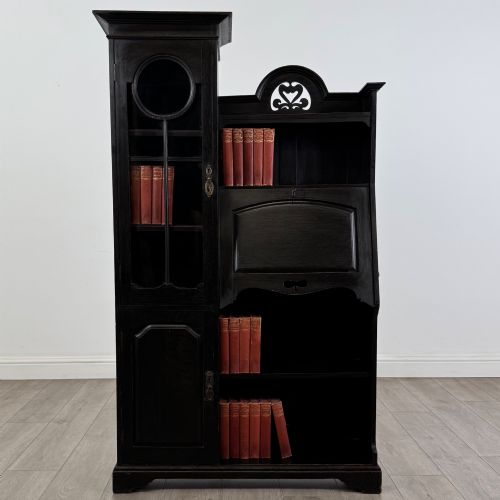
- Secretaire bookcase
- A tall cabinet incorporating a drop-front writing drawer or desk compartment concealed beneath upper bookshelf sections. These combined storage and writing functions in domestic interiors.
- Drop flap
- A hinged writing surface that folds down to create an extended desk area when required. This mechanism appears on specialised tables and compact writing furniture.
Vintage Library Writing Desk: Frequently Asked Questions
What is a partners desk?
A partners desk is a large double-sided writing table featuring drawers and cupboards on both opposing faces. This layout allowed two people to sit opposite one another while working.
Such desks commonly served institutional spaces, administrative offices and large home libraries where multiple users required storage and writing space simultaneously.
How do I care for a leather desk top?
Leather writing surfaces require gentle cleaning using dry cloths or specialised leather dressings to prevent cracking. Avoid harsh chemical cleaners and excessive moisture.
Keeping the leather conditioned maintains the supple texture and preserves any gold tooling applied around the borders of the writing panel.
How do I distinguish Victorian from Edwardian desks?
Victorian desks generally display darker mahogany timbers, heavier proportions and more elaborate carving or brass details. They reflect mid to late nineteenth-century cabinetmaking traditions.
Edwardian pieces often utilise lighter oak or inlaid mahogany styles, frequently drawing inspiration from Arts and Crafts or revival aesthetics that favour simpler geometric lines.
Where should I place a library table?
Library tables feature finished backs and sides, making them ideal for placement in the centre of a room rather than pushed against a wall. This allows access from all directions.
Ensure the room has sufficient clearance around the table for chairs and movement, as these pieces often possess generous proportions designed for spacious interiors.