


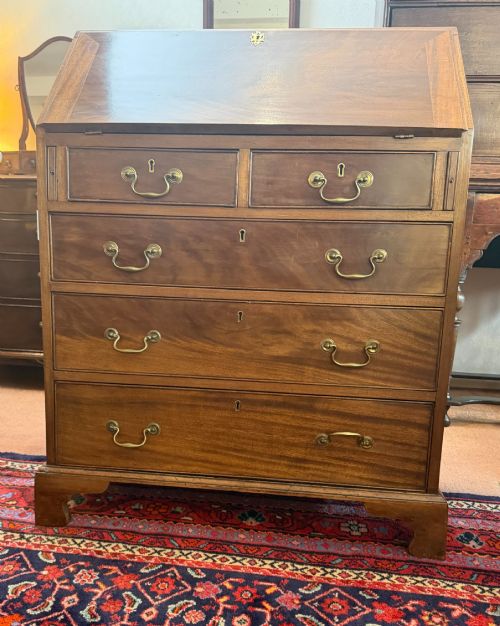
Antique Wooden Writing Desk
These antique wooden writing desk pieces offer practical surfaces and compartments that collectors and writers still prize today.
Identifying your antique wooden writing desk
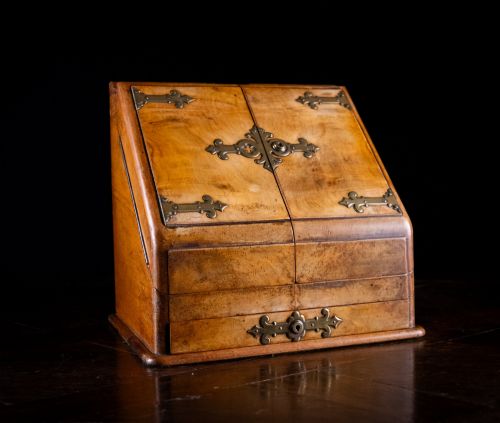
An antique wooden writing desk encompasses a variety of forms designed for correspondence and administrative work, ranging from compact travel boxes to large office furniture. When you search for an antique wooden writing desk, you encounter everything from portable folding slopes to substantial pedestal desks and tables.
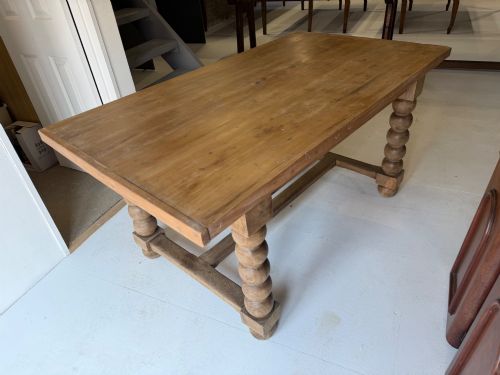
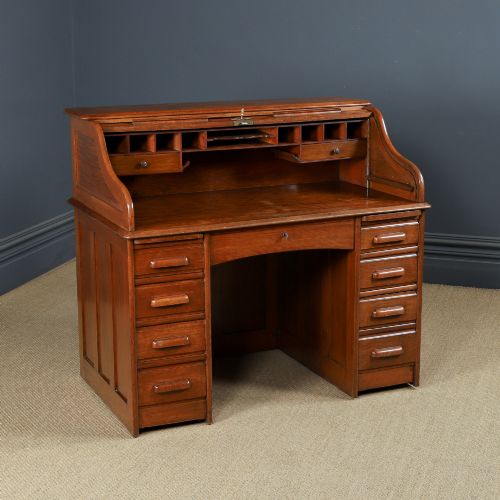
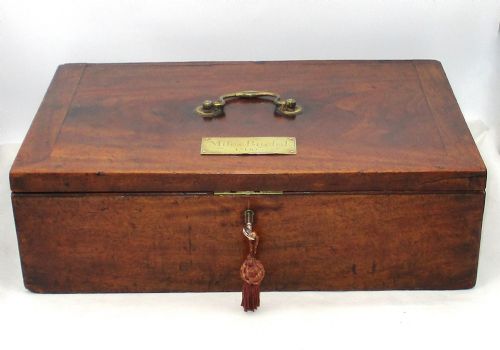
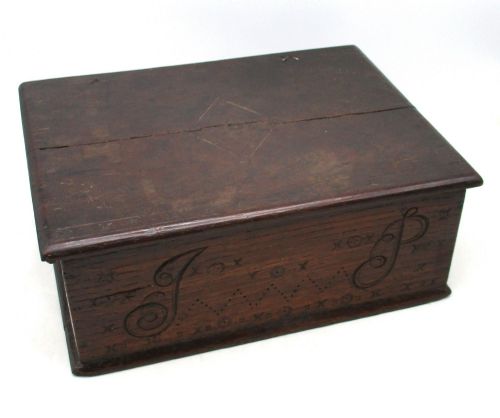
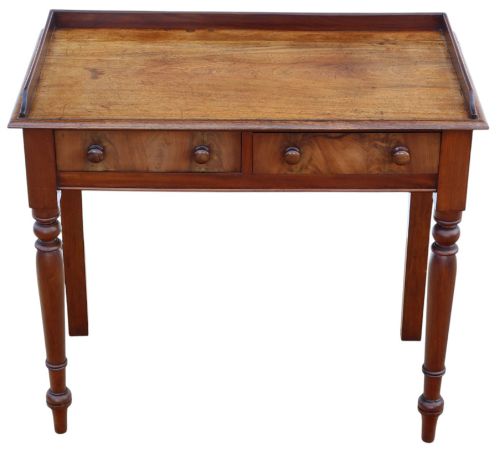
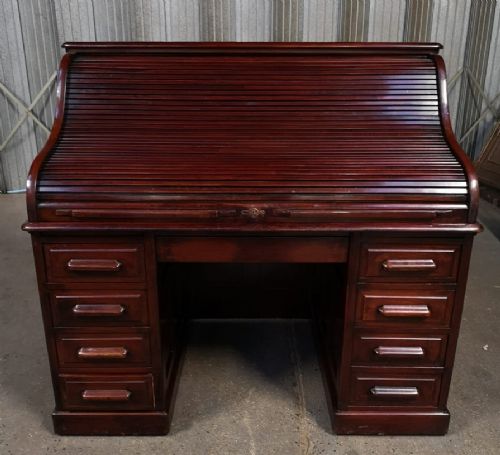
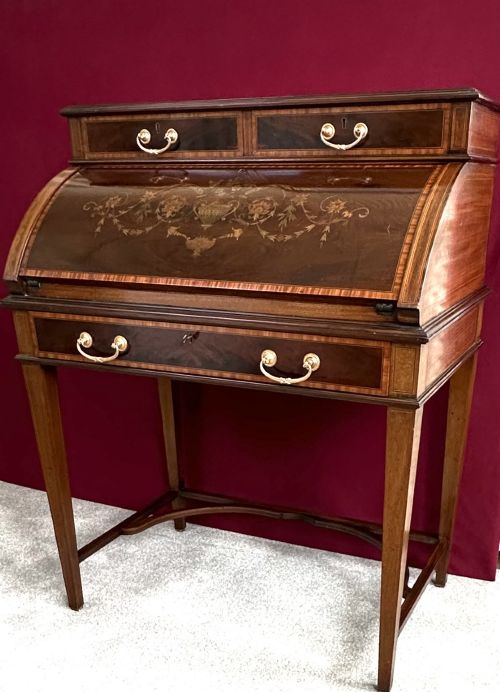
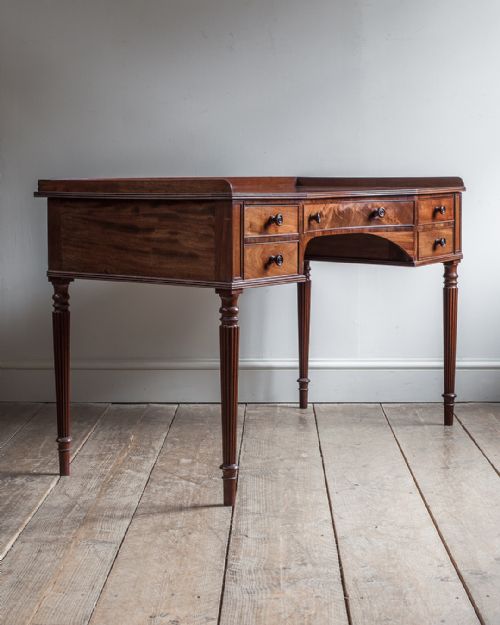
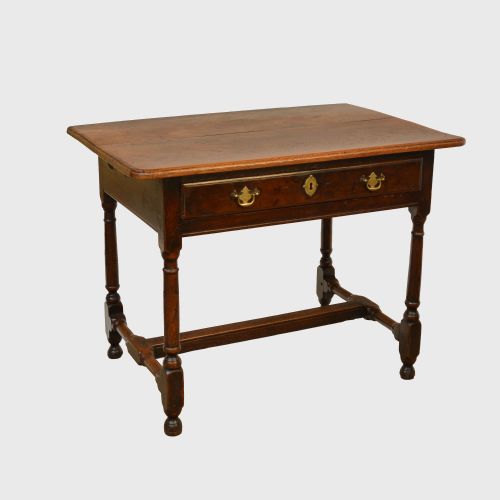
The pieces listed on this page span several distinct periods including the Georgian, Regency, Victorian, and Edwardian eras. You will find forms such as campaign writing slopes, roll top desks, drop-leaf tables, and library writing tables.
Materials vary widely across these examples, showing the timber preferences of different decades and regions. Mahogany, oak, ash, satinwood, and pine all appear, often complemented by leather writing surfaces and brass hardware.
Materials and construction
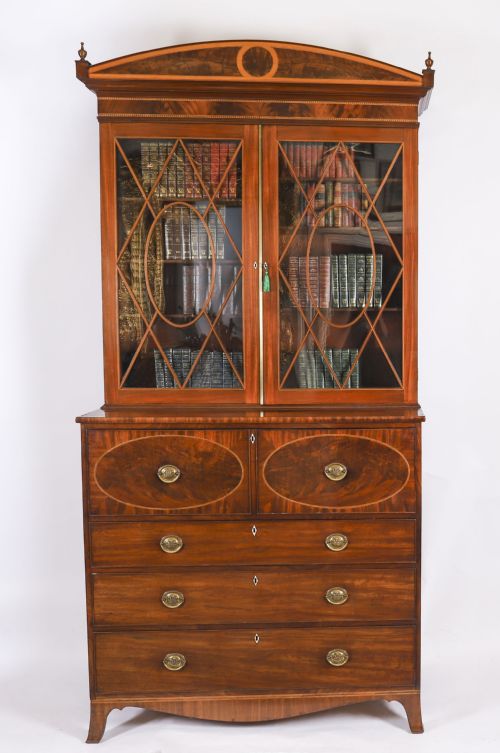
Cabinet makers utilised a range of solid and veneered hardwoods to construct these pieces, selecting durable timbers like mahogany and oak for structural integrity. Inlaid wood and satinwood provide decorative contrast on select surfaces.
Fitted interiors often incorporate small drawers, pigeonholes, and compartments designed to hold stationery and inkwells. Brass hinges, handles, and corners reinforce portable campaign pieces designed for travel.
Writing surfaces frequently integrate inset panels of leather to provide a smooth, tactile medium for the pen. Carved details and turned elements appear on Victorian examples, while campaign pieces rely on folding mechanisms and flush-fitting hardware.
Retail Price Guide 2026
Typical UK retail prices for wooden writing desk, calculated from the Sellingantiques database of over a million retail prices indexed since 2003. This retail price guide relies exclusively on Sellingantiques data; no external sources or auction records are used, so the figures do not describe the wider market.
An Irish writing slope in ash carries the stamp of Rodman and co of Belfast, proving that even paperwork went on tour.
Assessing quality and character
The distinction between standard examples and finer pieces lies in the selection of timber and the precision of the cabinet work. Highly figured grain, meticulous inlay work, and balanced proportions elevate certain writing desks above simpler utility pieces.
Internal complexity also marks out superior examples, particularly in writing slopes and campaign desks where secret drawers, clever folding mechanisms, and integrated brass fittings demonstrate advanced craftsmanship. The integration of quality leather panels and original hardware preserves the intended aesthetic and tactile experience.
Rodman and co of Belfast
The Antique Wooden Writing Desk Glossary
- Campaign slope
- A portable writing box designed for travel, featuring folding sections and brass reinforcements to withstand rough transit.
- Roll top desk
- A form featuring a slatted wooden tambour sliding shutter that covers the upper writing surface and pigeonholes.
- Satinwood
- A pale, lustrous hardwood imported from tropical regions, frequently utilised for fine inlay and decorative veneers.
- Pedestal desk
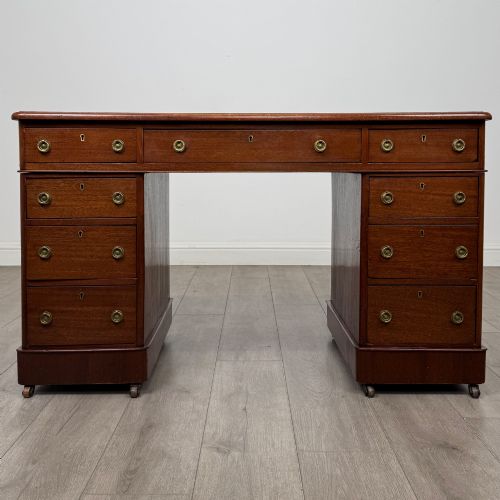
- A large freestanding desk supported by two banks of drawers or columns beneath the main writing surface.
Frequently Asked Questions
What is a writing slope?
A writing slope is a portable box with a slanted lid that opens to reveal compartments for paper, pens, and ink. When closed, it forms a flat box suitable for travel.
These pieces were widely used during the eighteenth and nineteenth centuries by travellers, military officers, and writers who required a portable desk surface.
How do I identify a campaign desk?
Campaign desks and slopes typically feature brass corners, flush-fitting handles, and sectional construction designed to be packed away easily. They are associated with military use and travel.
Examine the hardware and joints to see if the piece was built for disassembly or portability during expeditions.
What woods were used?
Cabinet makers utilised mahogany and oak as primary structural timbers, valued for their strength and rich grain. Satinwood, ash, and pine also appear across various periods.
Inlays and decorative veneers added visual contrast, while secondary woods were often used for internal drawer linings.
How do I care for leather inserts?
Leather writing surfaces benefit from gentle cleaning and occasional conditioning to prevent drying and cracking. Avoid harsh chemical cleaners and excessive moisture.
Keep the leather away from direct sunlight to preserve the colour and supple texture of the original hide.