
Vintage Library Stand
A vintage library stand brings order to heavy volumes, offering practical display and accessible storage through revolving designs and tiered timber shelves.
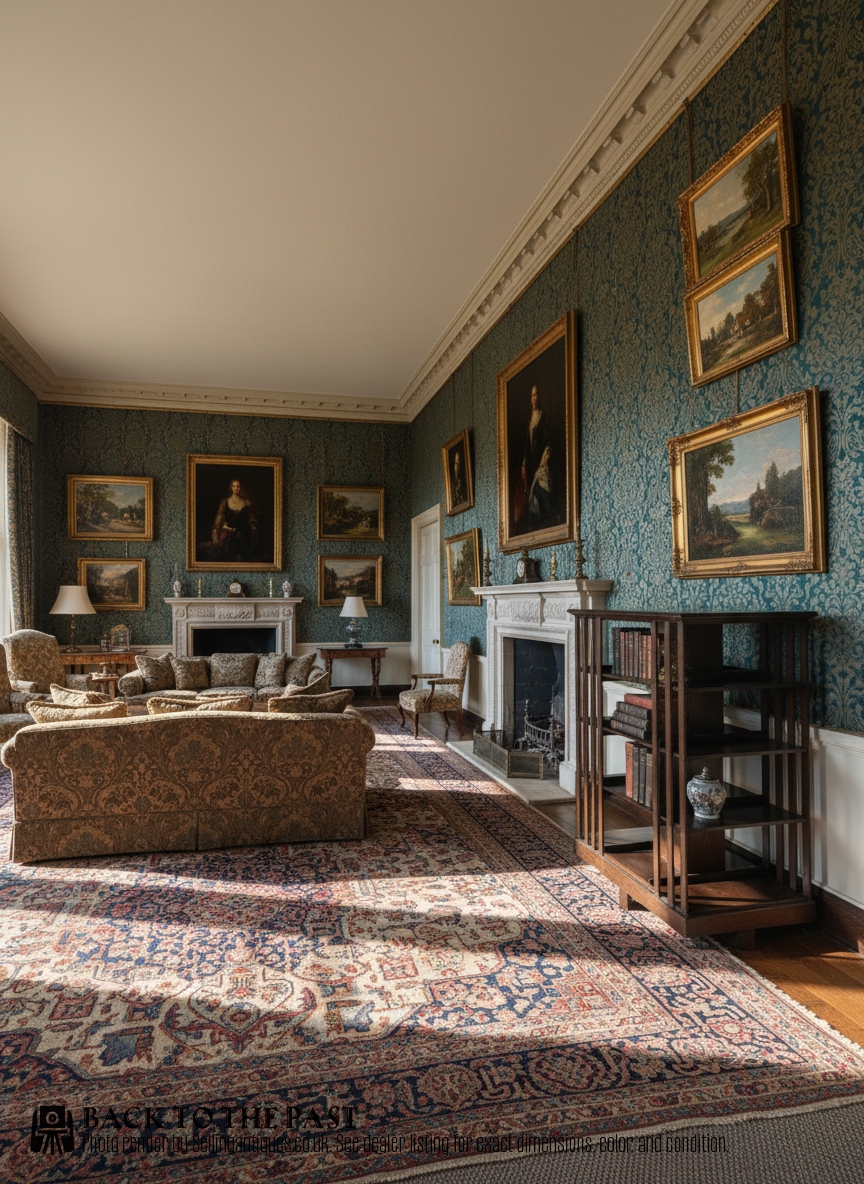
Vintage Library Stand
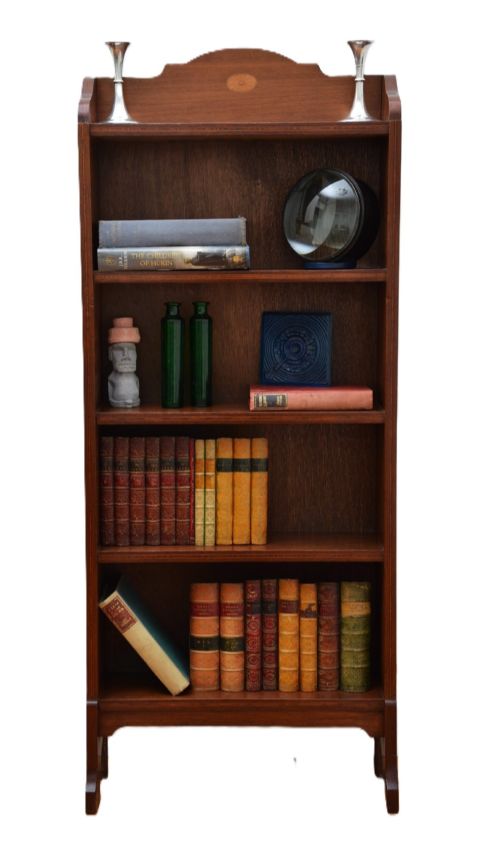
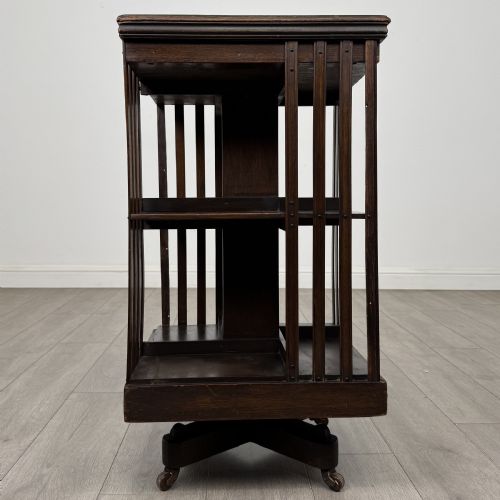
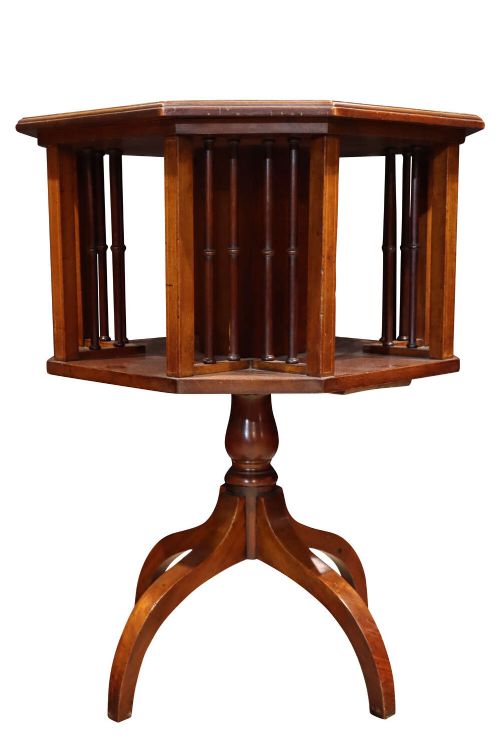
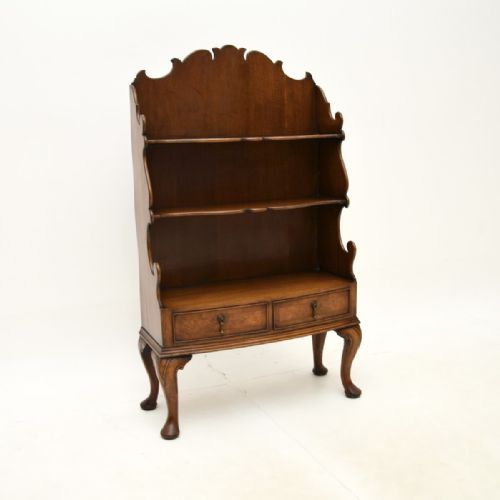
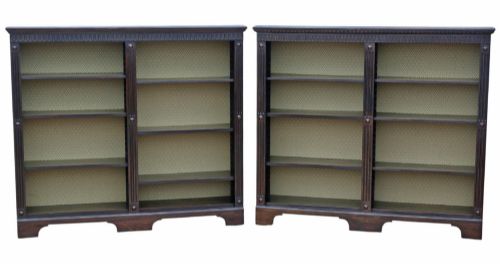
When searching for a vintage library stand, buyers encounter pieces designed to hold books, folios, and reading materials across periods ranging from the nineteenth century into the twentieth century. These objects include revolving bookcases, open bookcases, reading stands, folio stands, and library steps.
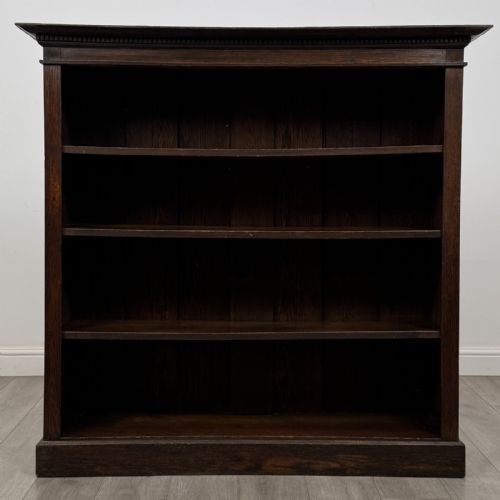
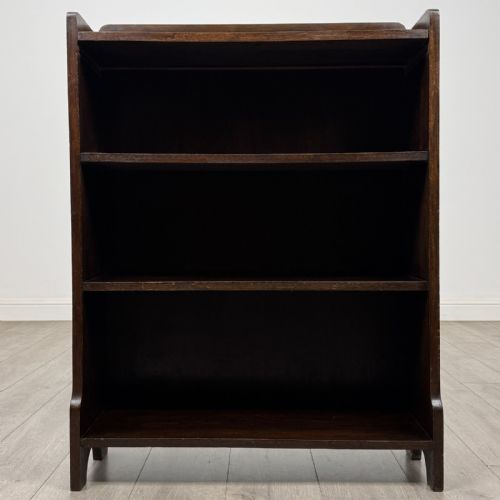
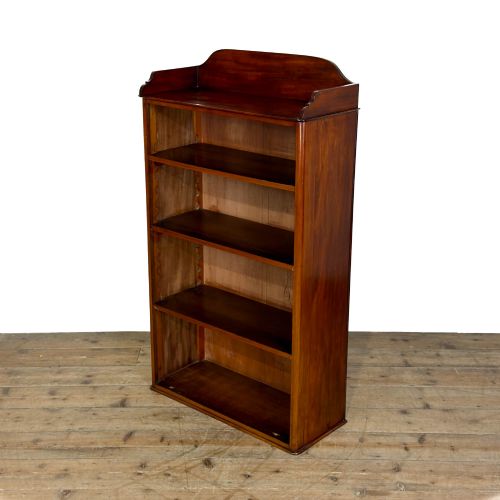
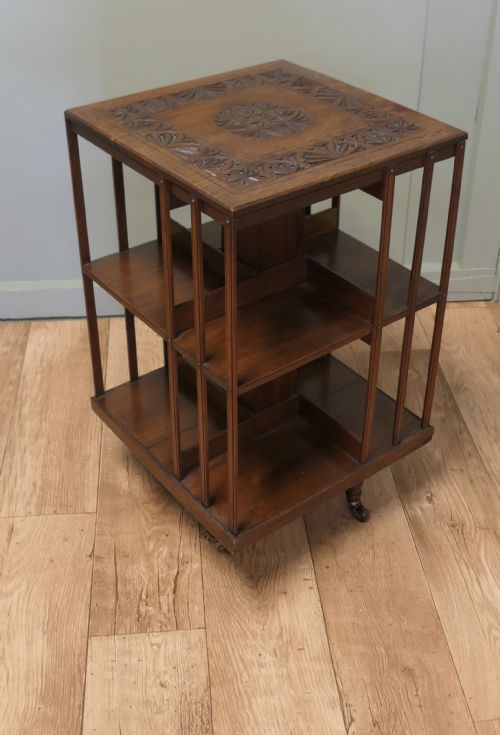
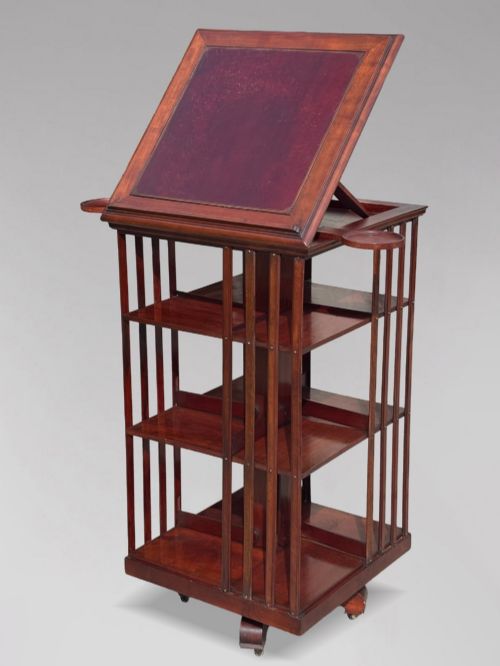
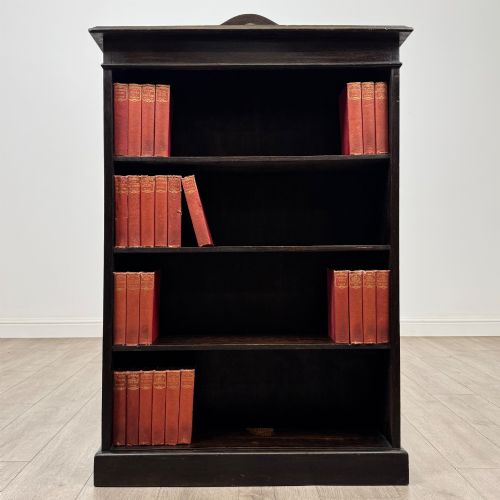
Revolving bookcases in solid oak or mahogany appear frequently among these listings, alongside adjustable open bookcases and specialised reading tables. Pieces range from compact desk-top book rests to substantial multi-tiered library furniture.
Materials and construction methods
Cabinetmakers utilised dense hardwoods like mahogany, oak, and walnut to build these functional pieces, often incorporating satinwood for decorative inlay on Edwardian models. Timber selection ensured the structural integrity required to support heavy rows of bound volumes.
Metal components such as brass and cast iron were integrated into moving mechanisms, adjustable reading surfaces, and support stands. These durable materials permitted smooth rotation in revolving bookcases and reliable adjustment in reading stands.
An eighteenth-century reader could spin their favourite novels effortlessly while ignoring the rain outside.
Judging execution and finish
The standard of timber selection and complexity of inlay distinguish finer pieces from simpler utility items. Finely figured mahogany or quarter-sawn golden oak combined with delicate satinwood inlay elevates the decorative presence of a bookcase or reading table.
Mechanical precision in revolving tiers and adjustable reading surfaces dictates the operational quality of a stand. Smooth, balanced movement in a revolving bookcase reflects superior internal construction.
The Vintage Library Stand Glossary
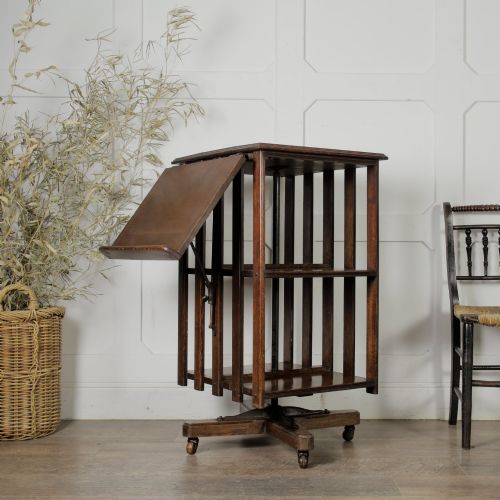
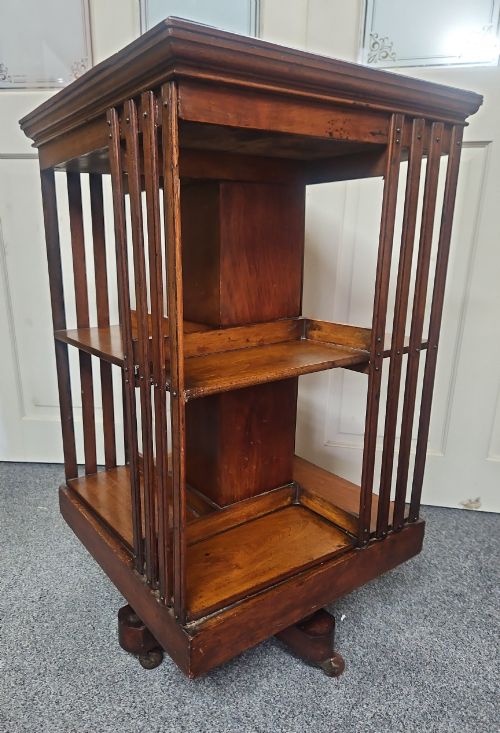
- Revolving bookcase
- A freestanding bookcase designed to rotate on a central base for easy access to books from any angle. These are commonly found in Edwardian mahogany and oak.
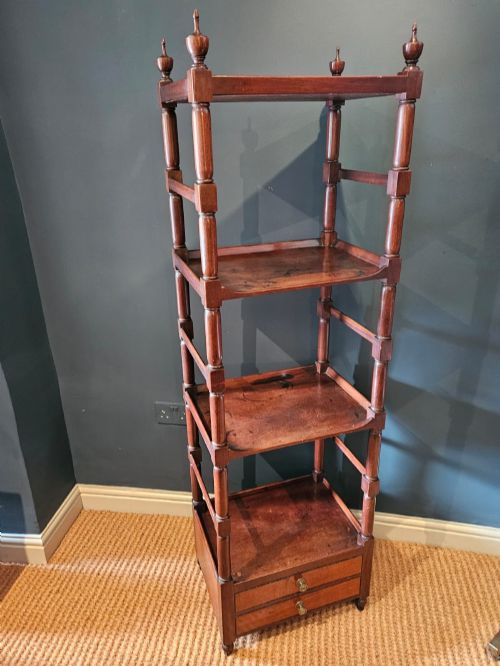
- What-Not
- An open tiered shelving unit used for displaying or storing books and ornaments. Regency examples demonstrate multiple graduated tiers.
- Folio stand
- A specialist stand designed to hold large, oversized books and prints flat or at an inclined angle. They provide stable support for heavy volumes.
- Reading table
- An adjustable table surface designed for holding books at a comfortable angle for reading. Edwardian versions frequently feature inlaid timber tops.
- Library steps
- Portable steps used to reach high bookshelves in private libraries. Early twentieth-century examples are typically constructed from solid oak.
Vintage Library Stand: Frequently Asked Questions
How do I use a library stand at home?
Library stands and revolving bookcases suit studies, living rooms, and hallways for holding current reading material or displaying favourite volumes. Their compact footprints make them practical alternatives to wall-mounted shelving.
Adjustable reading tables and desk-top book rests function well beside armchairs or on top of writing desks for heavy folios.
Are these stands suitable for heavy books?
Solid hardwood construction in mahogany and oak provides the structural strength necessary to support heavy rows of bound volumes. Tiered stands and revolving designs are engineered to bear considerable weight without compromising stability.
Checking the rigidity of the revolving mechanism and shelf supports ensures the piece handles heavy collections safely.
How do I distinguish Edwardian from Victorian pieces?
Victorian library furniture tends to feature heavier proportions, deep dark mahogany finishes, and robust architectural detailing. Edwardian pieces often display lighter golden oak or inlaid satinwood highlights with a more refined aesthetic.
Construction techniques and the presence of specific hardware styles help determine the precise manufacturing era.